
Growing Beans: How to Get a Rich Harvest and Feed the Soil
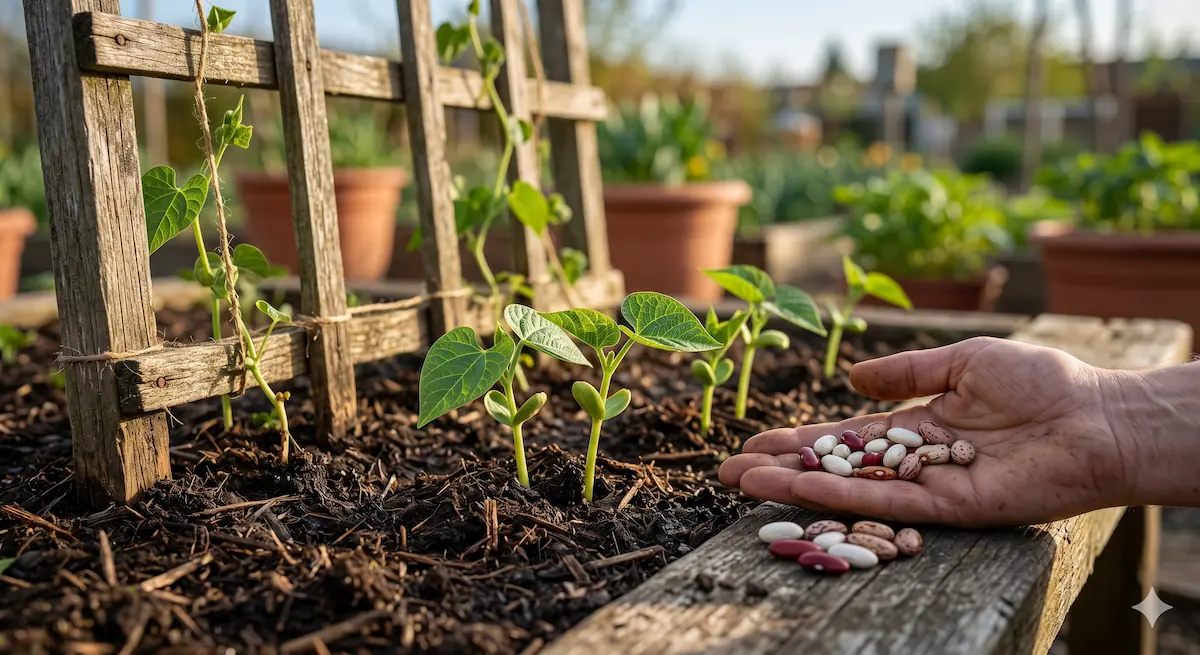
Tips for growing beans from AgroPlanner. When to plant in May, the difference between bush and pole beans, and how they help your garden.
Beans are a true treasure for any gardener. They not only provide nutritious, protein-rich fruit but also act as a natural fertilizer, enriching the soil with nitrogen thanks to special bacteria on their roots. In this article, we'll look at how to properly plant beans in May.
Bush or Pole Beans: Which to Choose?
Before planting, it's important to decide on the type of plant, as they require different spatial planning:
- Bush Beans: Compact (up to 50-60 cm), ripen faster, and do not need supports. Ideal for small garden beds.
- Pole (Climbing) Beans: Can grow up to 3 meters. They require sturdy supports but yield a significantly higher harvest per square meter and look very decorative.
Secrets for Successful May Planting
Beans are heat-loving crops. There's no need to rush planting into cold soil, as the seeds may simply rot.
- Soil Temperature: Plant beans when the ground has warmed up to 12-15°C (54-59°F). Usually, this is late April or the first half of May.
- Depth and Spacing: Seeds should be planted at a depth of 3-5 cm. For bush varieties, keep a distance of 10-15 cm between plants; for pole varieties, about 25 cm near the supports.
AgroPlanner Synergy: The Nitrogen Factory
Beans are among the best companions in the garden. In our AgroPlanner, we recommend planting them next to corn (which serves as a support for climbing varieties) or potatoes. After beans, almost any crop—especially cabbage or zucchini—will grow much better due to the nitrogen left in the soil.
Important: During flowering, beans need consistent watering; otherwise, the flowers may drop, leaving you without a harvest. Monitor soil moisture during this critical period!
AgroPlanner App
Realize your dream garden: check plant compatibility, sun/shade needs, and save your plan easily.

Disclaimer
Important! All information in this blog is for recommendation purposes only. We are developers and enthusiasts, not certified agronomists. Results may vary based on your region, soil type, and weather. We are not responsible for potential errors or crop failures. Please verify critical advice independently!
Found this helpful? Share with friends!
Read more
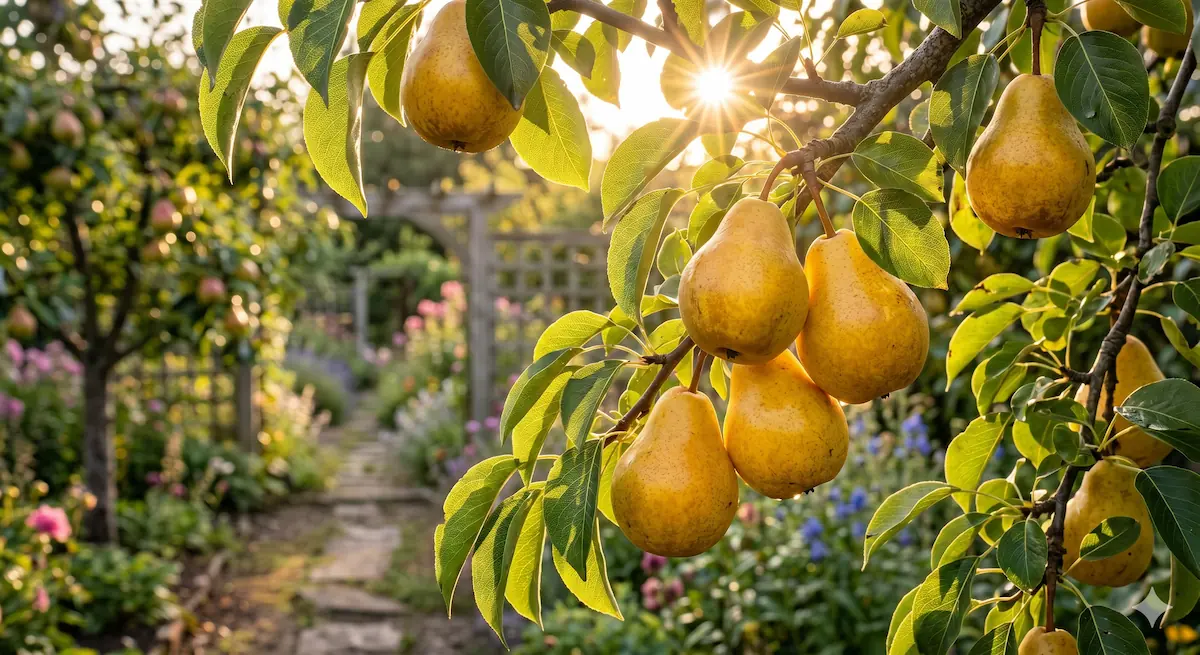
Growing Pears: How to Get Juicy Fruit and Avoid Garden Conflicts
Secrets to planting pear trees. How to choose a sunny spot, select soil, and why pears don't get along with walnuts. Tips from AgroPlanner for a stable harvest.
Read more →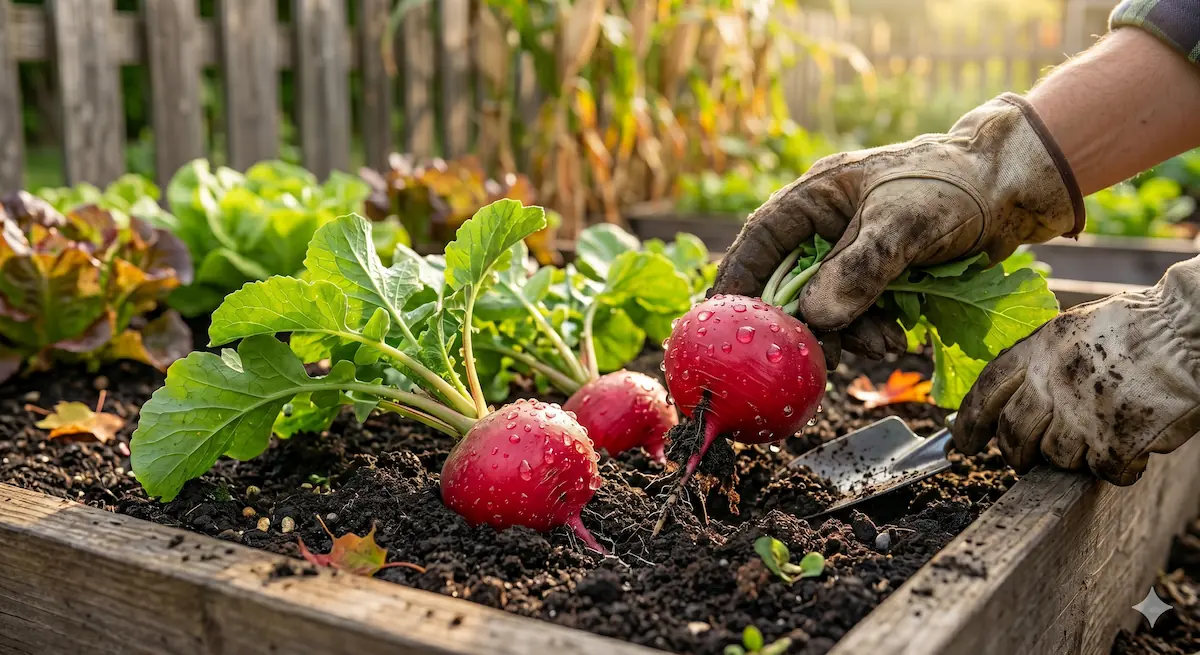
Radishes: How to Get Your First Vitamin Harvest in 25 Days
Secrets to growing crunchy radishes: from soil selection to ideal companionship. Learn how to get a quick harvest and why radishes dislike deep shade.
Read more →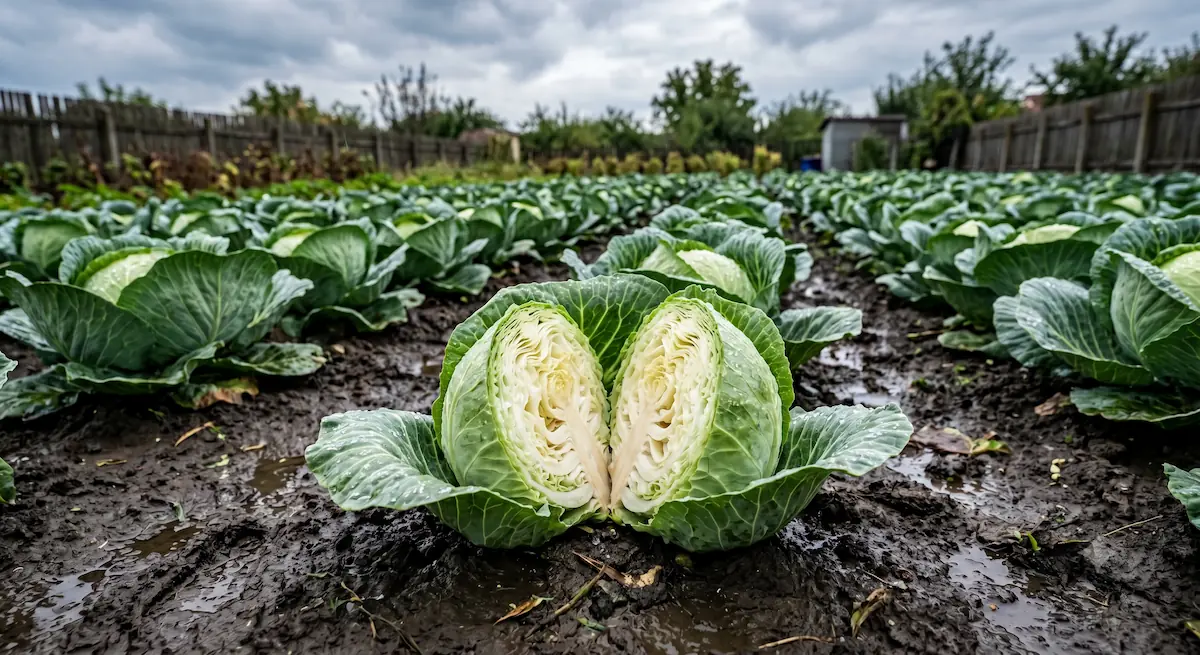
Why Cabbage Splits in the Garden and How to Save the Heads in Summer
Cabbage splitting after summer rains can ruin your entire harvest. Discover the physiological causes of the issue and a simple root-tearing hack.
Read more →