
Why Cabbage Splits in the Garden and How to Save the Heads in Summer
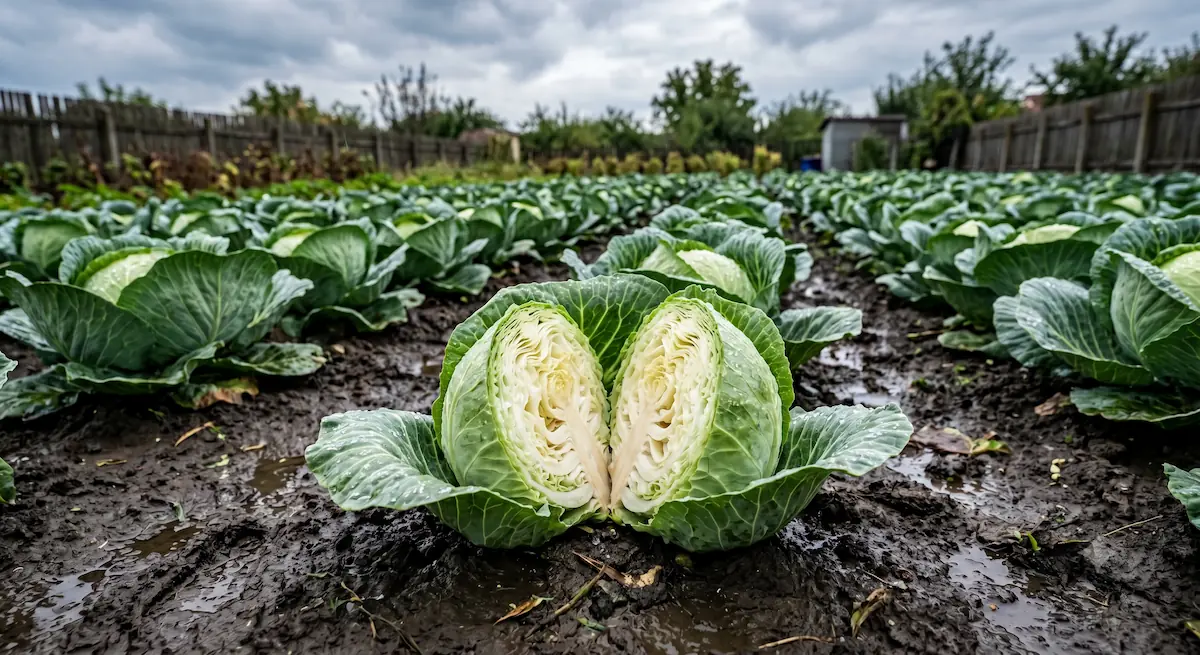
Cabbage splitting after summer rains can ruin your entire harvest. Discover the physiological causes of the issue and a simple root-tearing hack.
In the second half of the summer season, gardeners frequently face a frustrating sight: large, dense heads of white cabbage, on which so much energy was spent, suddenly split wide open overnight. A split cabbage head immediately loses its market value, becomes an easy target for slugs, and is completely unsuitable for long-term winter storage. The primary cause of this disaster lies in a disrupted water balance.
1. The Core Physiological Cause of Splitting
Cabbage splits due to a sharp, sudden modification in soil moisture levels. If after a prolonged summer drought, when the ground has cemented hard, a heavy downpour suddenly hits or a gardener floods the bed with water, the roots begin to absorb water like an avalanche. The internal leaves of the head expand at furious speeds, while the outer leathery leaves fail to stretch fast enough. As a result, a colossal internal pressure builds up, and the head bursts from within.
2. How to Save Cabbage Using a Clever Root Hack?
If weather forecasts predict prolonged summer rains following a drought wave, you must act immediately. Take each large cabbage head firmly by the base with your hands or carefully loosen the ground with a spade on one side, and gently twist the bush around its axis by 45-90 degrees, or simply pull it upward until you hear a distinct crunching sound. This partially tears the tiny water-absorbing micro-roots; water influx to the head drops sharply, keeping it intact.
3. Table of Cabbage Splitting Prevention Methods (Good)
| Bed Protection Method | How to Implement This Correctly in Summer? | What is the Benefit for the Crop? |
|---|---|---|
| Drip Irrigation | Setting up regular, targeted automated moisture delivery in small doses via our automatic watering guide. | Completely eliminates hazardous, stressful moisture spikes in the root zone. |
| Thick Mulching | Blanketing row spaces with a layer of straw or dry grass clips at least 10 cm thick. | Softens the impact of downpours by evenly distributing and buffering water entry. |
| Resistant Varieties | Utilizing modern hybrids highly bred for split resistance (such as the Agressor F1 variety). | Their leaves possess an elastic cellular structure capable of withstanding internal pressure. |
4. What to Do If a Head Has Already Split? (Bad)
A burst cabbage head must never be left on the vine for even a single day. Caterpillars and slugs will immediately invade the open wound, which we taught how to control in our article on cabbage pest protection. Such a head must be immediately cut down and utilized for summer salads, soups, or fermentation.
- Error: Attempting to seal or tape the split directly in the garden bed — this triggers a rapid explosion of bacterial soft rot.
AgroPlanner Tip: Two weeks before the final harvest of late-season cabbage varieties, completely halt all artificial irrigation. This makes the heads solid and long-storing. Track your garden layouts with our tool!
AgroPlanner App
Realize your dream garden: check plant compatibility, sun/shade needs, and save your plan easily.

Disclaimer
Important! All information in this blog is for recommendation purposes only. We are developers and enthusiasts, not certified agronomists. Results may vary based on your region, soil type, and weather. We are not responsible for potential errors or crop failures. Please verify critical advice independently!
Found this helpful? Share with friends!
Read more
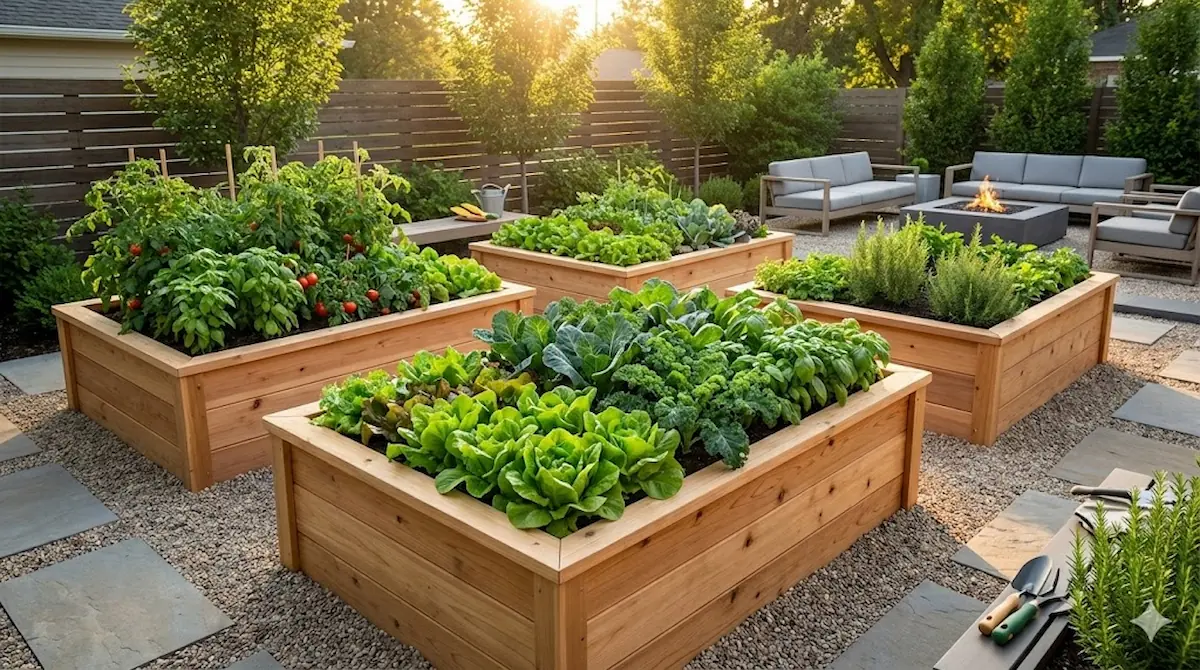
Raised Garden Beds: Just a Trend or Real Benefit for Your Harvest?
Let's break down why everyone is switching to raised garden beds. Pros, cons, and who really needs them for a rich harvest.
Read more →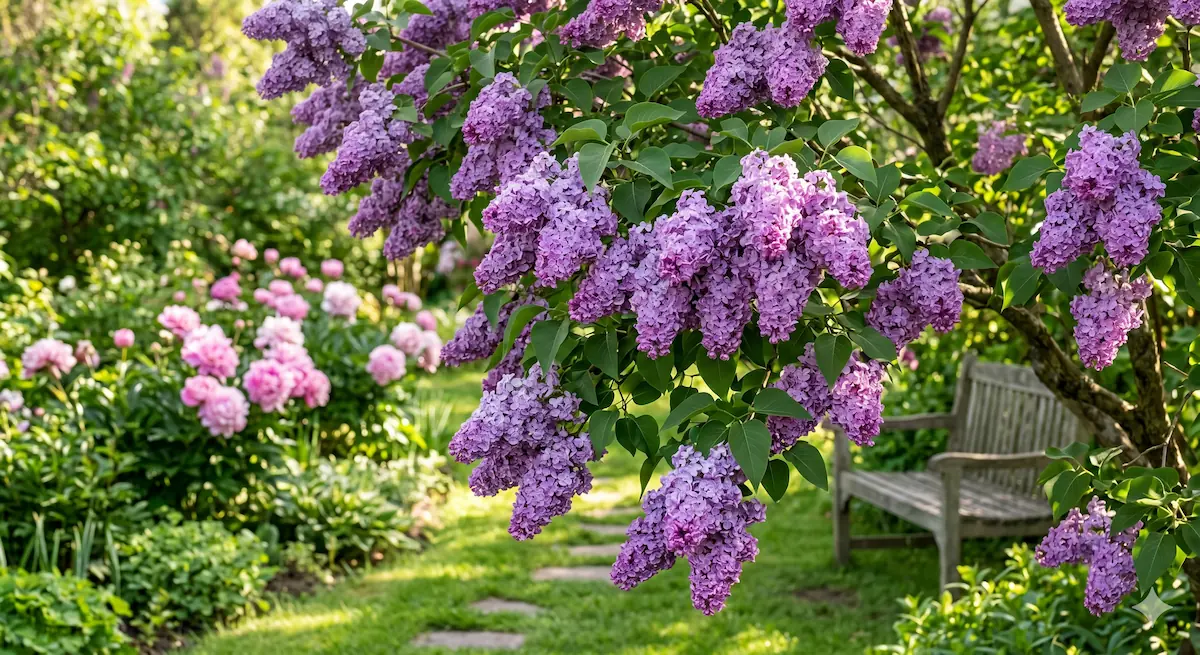
Lilac: Secrets to Lush Blooms and Proper Garden Care
Lilac is more than just a shrub; it's the soul of the spring garden. Learn why it won't bloom in the shade, which soil it prefers, and how to choose the right companions.
Read more →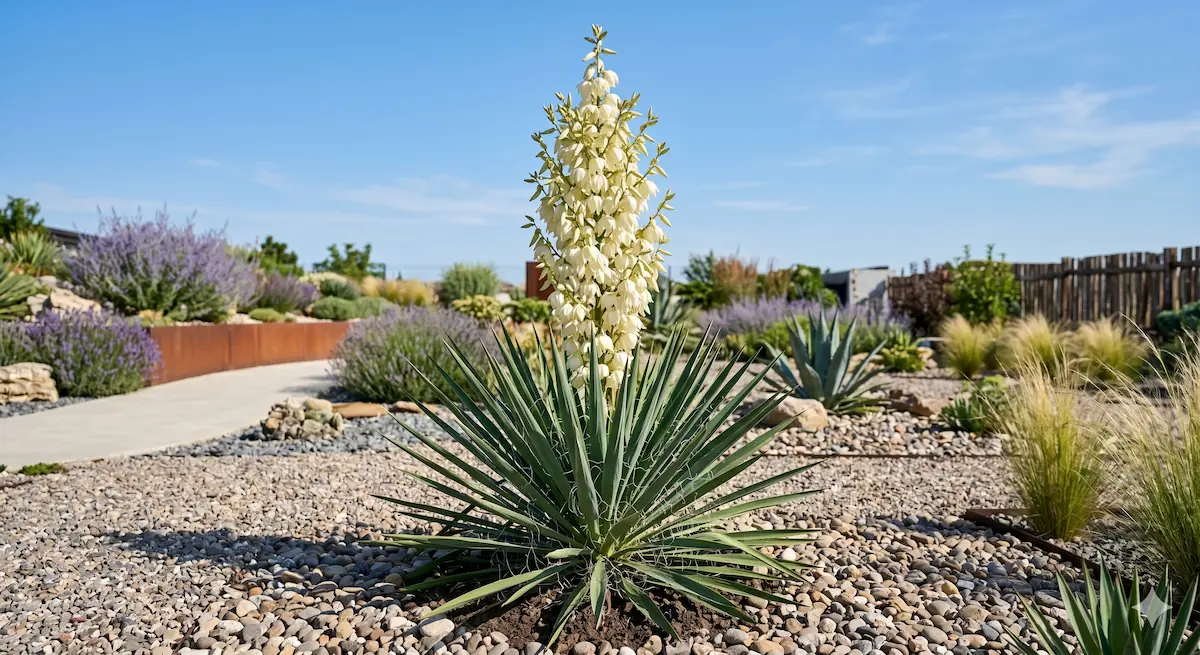
Yucca: The Tropical "Palm" That Braves the Cold
Yucca combines aggressive beauty with incredible resilience. Learn how to induce its two-meter flowering spike, why it craves sun, and how to prep it for winter.
Read more →