
Growing Pears: How to Get Juicy Fruit and Avoid Garden Conflicts
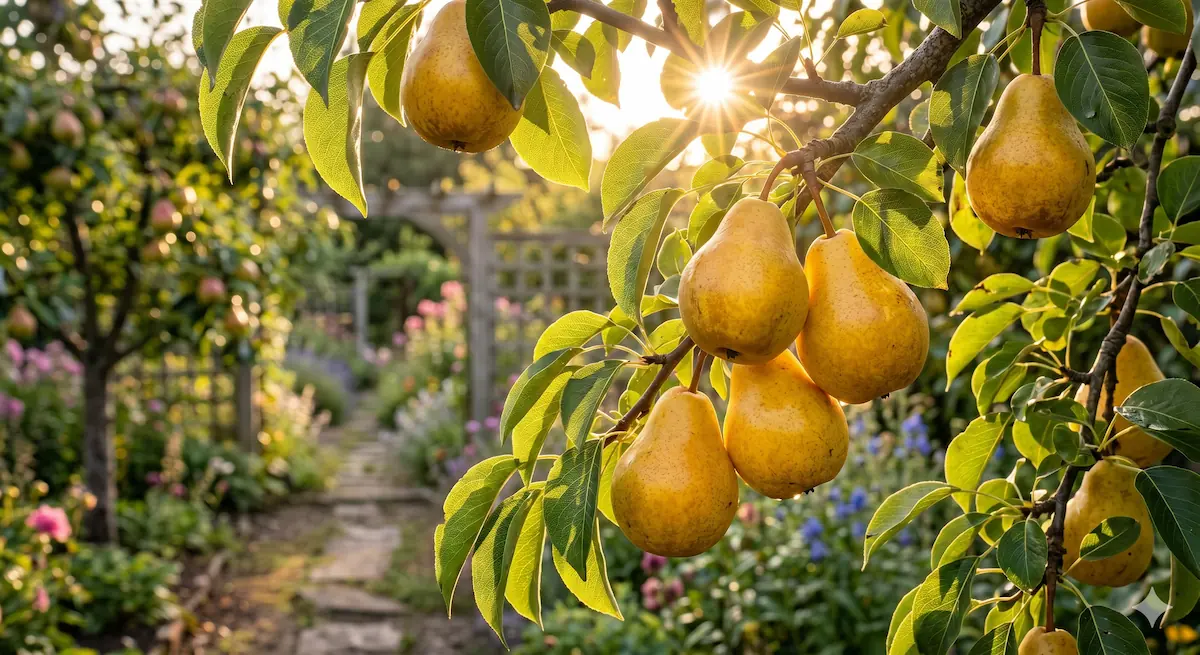
Secrets to planting pear trees. How to choose a sunny spot, select soil, and why pears don't get along with walnuts. Tips from AgroPlanner for a stable harvest.
The pear is a long-living tree that, with proper care, can provide sweet fruit for generations. However, it is much more sensitive to cold and site selection than apple trees. Planning your pear tree's placement is an investment in the future where every meter counts.
Sunlight: The Secret to Sweetness
For pears to become honey-sweet, the tree needs plenty of direct sunlight. In our planner, the pear is set as a sun-loving plant. If you try to place it behind a tall building or in the shade of an old, sprawling tree, the system will issue a warning. Without 6-8 hours of sun daily, the fruit will be tart and hard.
What Soil is Best?
Pear trees perform best on Loams (Type 1). This is the ideal balance: the soil is loose enough for roots to breathe and holds moisture well. If your soil is too heavy with clay, the roots will "suffocate," and in sand, the tree will lack water. Check your site using our guide to be sure of your choice.
Friends and "Forbidden" Zones
Pears are relatively peaceful trees but have clear boundaries:
- Good Neighbors: Apple trees and blackcurrants make excellent companions.
- Danger Zone: Keep pear trees far from the Walnut tree. Pears are highly vulnerable to its natural toxins. Our Planner will highlight the conflict in red if you place the tree within the walnut's reach.
- Resource Conflict: As mentioned before, avoid planting pears directly next to plums—they will aggressively compete for nutrients in the soil.
AgroPlanner Tip: Keep the final crown size in mind. Pear trees grow quite tall, and their shade can eventually "cover" sun-loving vegetables. Use our tool to visualize the shade zone in advance so you don't plant tomatoes or peppers where they will later suffer from a lack of sun.
AgroPlanner App
Realize your dream garden: check plant compatibility, sun/shade needs, and save your plan easily.

Disclaimer
Important! All information in this blog is for recommendation purposes only. We are developers and enthusiasts, not certified agronomists. Results may vary based on your region, soil type, and weather. We are not responsible for potential errors or crop failures. Please verify critical advice independently!
Found this helpful? Share with friends!
Read more
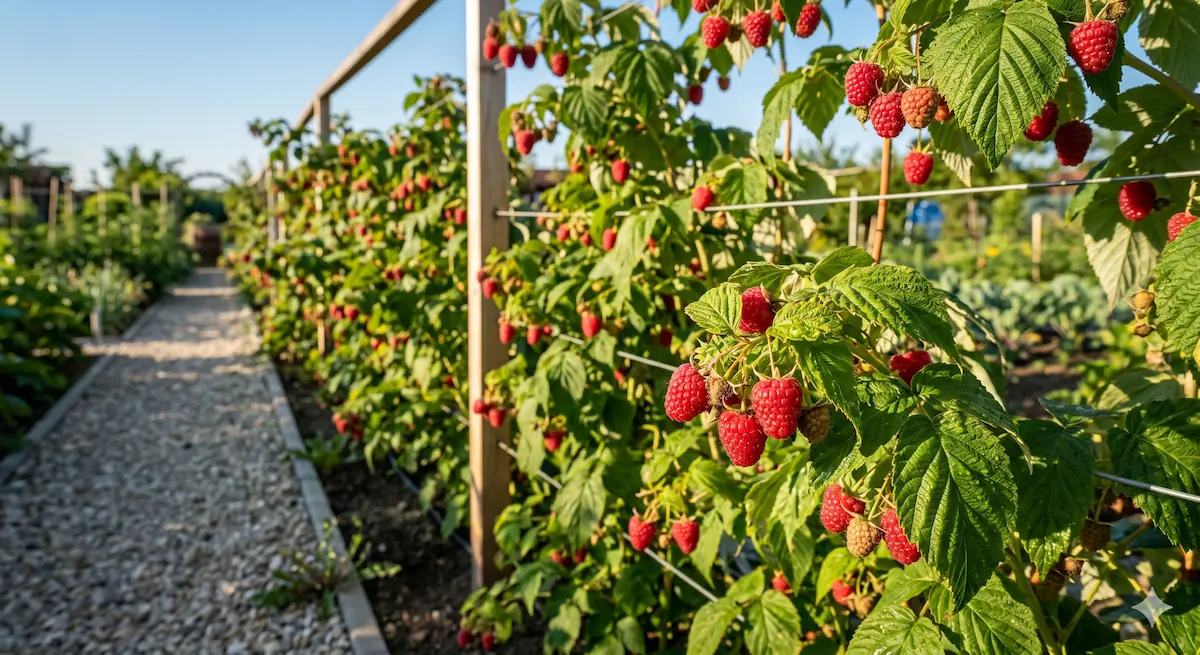
Raspberries: Pruning and Care Secrets for a Bountiful Harvest
Learn how to properly care for raspberries to prevent overgrowth and maximize berry yield. Tips on pruning, watering, and choosing the best neighbors for your raspberry patch.
Read more →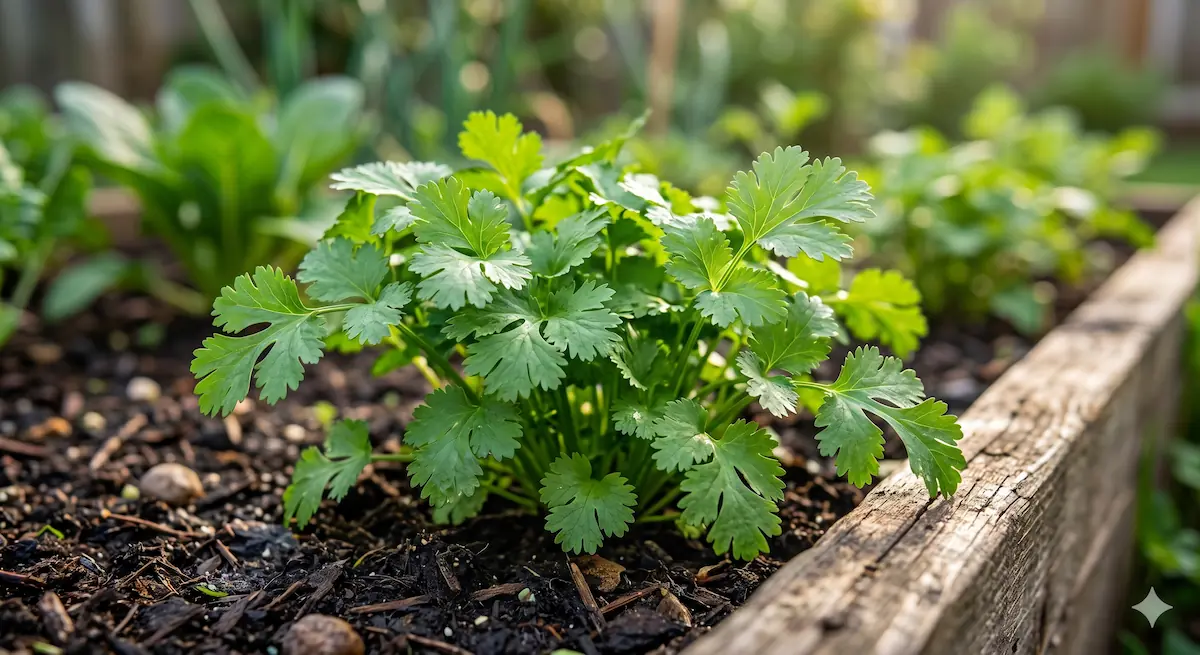
Cilantro: How to Grow Fragrant Greens and Prevent Bolting
Learn why cilantro goes to seed so quickly and how to harvest juicy leaves all season long. Coriander growing secrets and care tips from AgroPlanner.
Read more →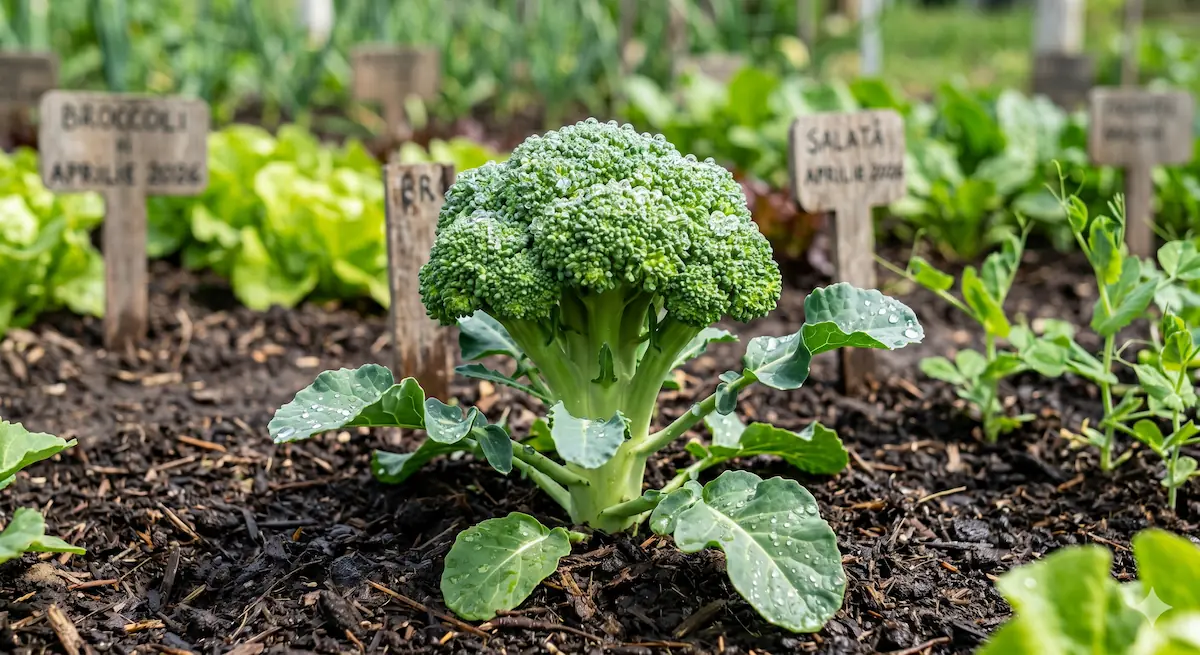
Broccoli: Secrets of Growing the Healthy Superfood in Your Garden
How to grow the perfect broccoli: moisture requirements, choosing the right soil type, and why this superfood cannot stand being near strawberries.
Read more →