
Gooseberry: How to Grow a Rich Harvest Without Disease and Pests
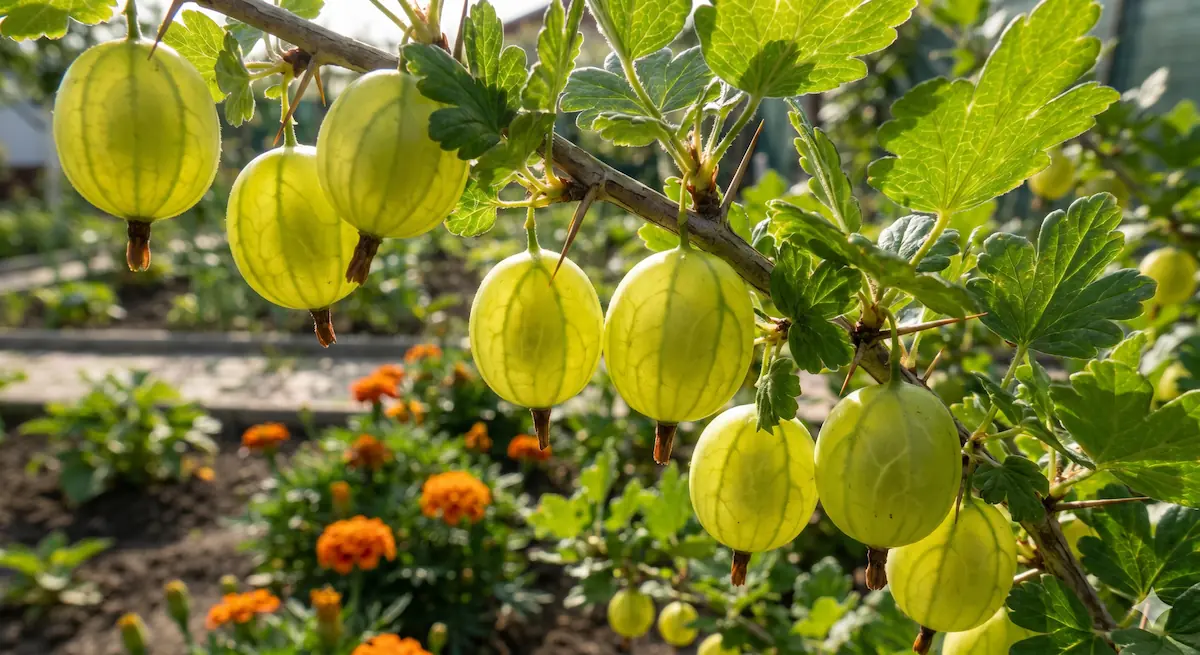
Secrets to growing large and sweet gooseberries. Find out why it fears shade, which neighbors help avoid powdery mildew, and how our planner protects your garden.
Gooseberries are often called the "northern grape" for their rich flavor and health benefits. This perennial shrub can bear fruit for 20-25 years. However, to collect buckets of berries instead of watching white spots grow on the branches, you need to know a few critical rules.
Where to Plant: Sun vs. Mildew
The main enemy of the gooseberry is American powdery mildew. The best prevention for this disease is not chemicals, but the right location:
- Light: Gooseberries adore the sun. Any low-lying area or shade promotes stagnant humid air, which is the perfect environment for fungi. In our planner, we recommend placing gooseberries in the most well-ventilated areas.
- Soil: The best choice is fertile Loamy soil (Type 1). Gooseberries do not like acidic or swampy lands. Check your plot with the soil sausage test to ensure the ground isn't too heavy.
- Space: Never plant bushes too close together. Air must circulate freely between the branches.
Companionship: What to Plant Near Gooseberries?
Choosing the right neighbors in our planner will help you spend less time spraying:
- Pest Protection: Planting Marigolds or garlic nearby repels gooseberry sawflies and aphids with their strong scent.
- Dangerous Neighborhood: Keep gooseberries away from red and black currants. They share common enemies that multiply twice as fast in such a duo.
AgroPlanner Tip: Since gooseberries start growing very early in the spring, plan their placement on the sunny side of the plot where the snow melts first. Use our planner to see if young trees are shading your bush, as they may grow over time and become a problem for your berry harvest.
AgroPlanner App
Realize your dream garden: check plant compatibility, sun/shade needs, and save your plan easily.

Disclaimer
Important! All information in this blog is for recommendation purposes only. We are developers and enthusiasts, not certified agronomists. Results may vary based on your region, soil type, and weather. We are not responsible for potential errors or crop failures. Please verify critical advice independently!
Found this helpful? Share with friends!
Read more
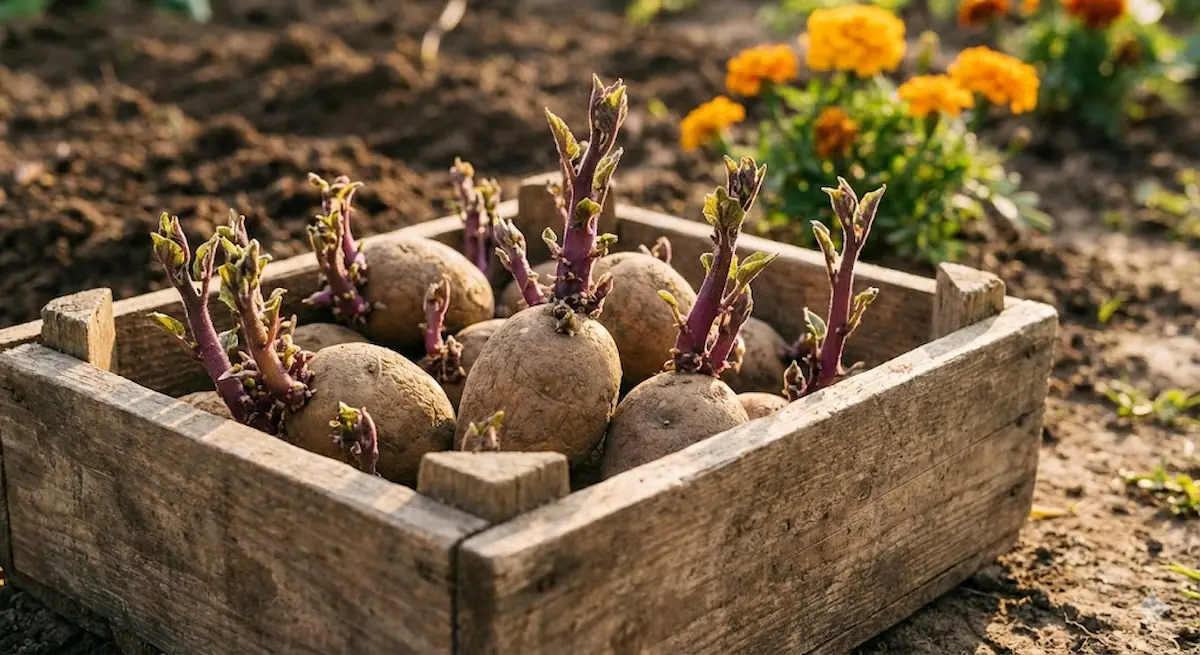
Potatoes Without Beetles: How to Prepare Tubers and What to Plant Nearby
Secrets to growing potatoes without excessive chemicals. Learn how proper tuber preparation and smart companion planting can protect your harvest from the Colorado potato beetle.
Read more →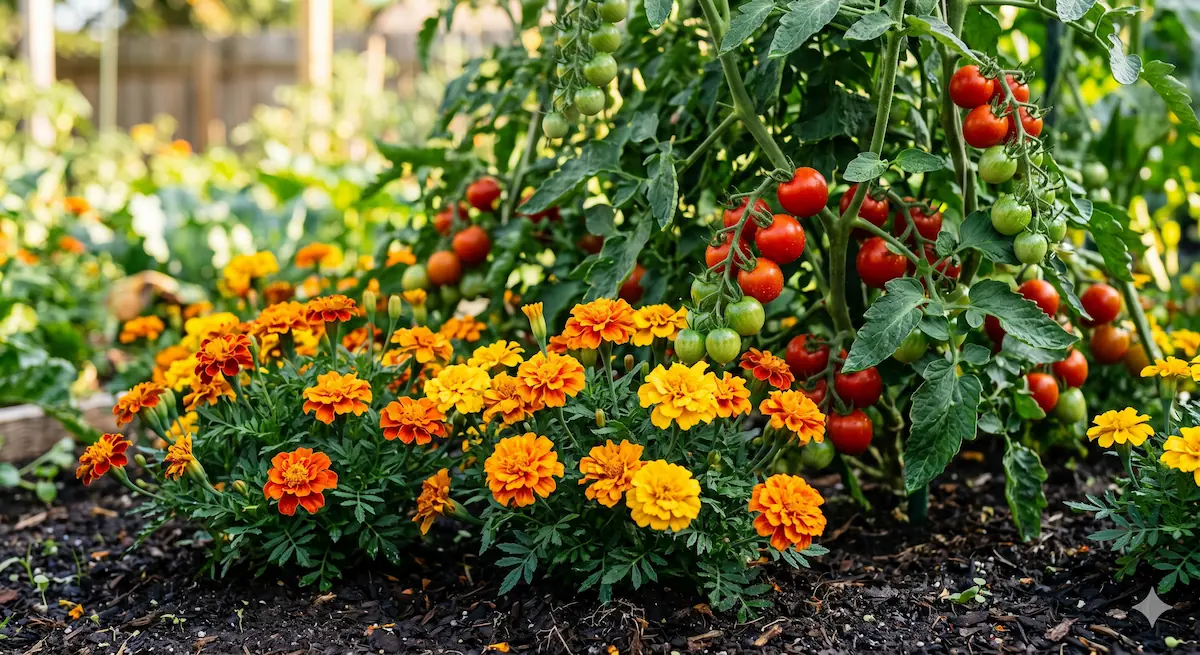
Marigolds: Growing a Living Shield for Your Vegetable Garden
Skip the pesticides! Discover how marigolds protect tomatoes and potatoes from pests, heal the soil, and why they are a must-have in your AgroPlanner layout.
Read more →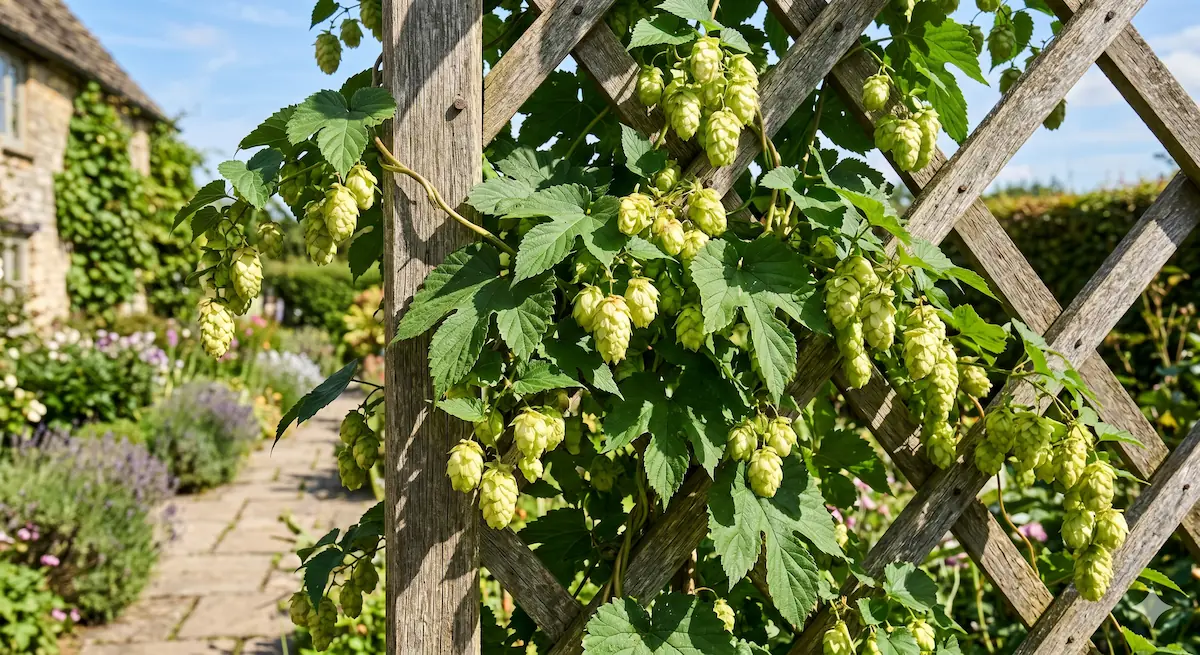
Hops: A Green Wall and Aromatic Cones
Hops are the fastest decorative vine for your garden. Learn how to provide sturdy support, why they love moisture, and how to control their growth so they don't take over the entire plot.
Read more →