
Horseradish in the Garden: Growing a Powerful Root Without Letting It Take Over
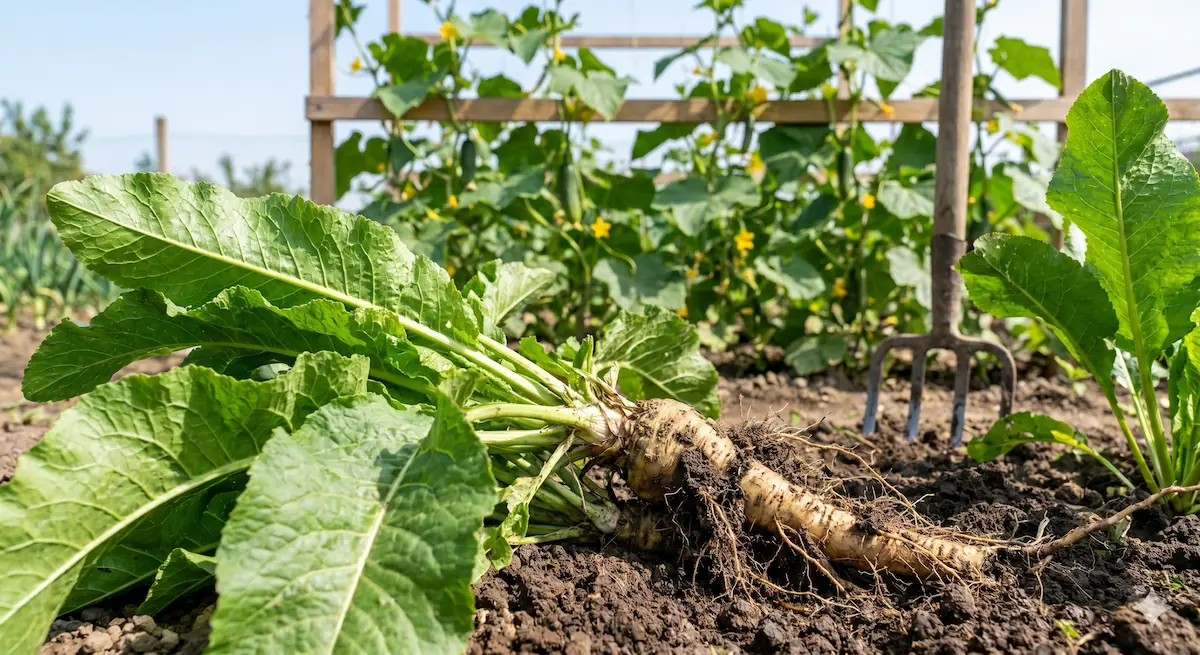
Discover the secrets of growing horseradish, its amazing ability to protect cucumbers from diseases, and tips on how to control this aggressive perennial in our planner.
Horseradish is a true powerhouse for your garden. It’s known for its pungent flavor and antibacterial properties. However, horseradish is an aggressive plant: if you don’t control its growth, it can quickly crowd out its neighbors. But with the right approach, it becomes an indispensable garden protector.
Where to Plant: Soil and Location Choice
Horseradish is extremely hardy, but to get a thick, juicy root, it needs specific conditions:
- Soil: Deep, fertile Loamy soils (Type 1) are best. In heavy clay, the root becomes bitter and woody. To check your site's structure, perform a soil sausage test.
- Light: Horseradish loves the sun but tolerates partial shade well.
- Moisture: It likes moisture, but standing water can cause the rhizome to rot.
Bio-Protection: Horseradish as a Cucumber Guard
In organic gardening, horseradish is valued for its ability to fight fungal diseases:
- Best Friend: Cucumbers. Horseradish releases phytoncides into the air and soil, significantly reducing the risk of disease for cucumbers. Plant horseradish in the corners of the bed or around the perimeter to create a protective dome.
- Potato Protection: It makes potatoes more resistant to late blight and repels some underground pests.
- Controlling Aggression: Since horseradish spreads quickly, we recommend digging in barriers (slates or plastic) to a depth of 50 cm around it.
AgroPlanner Tip: In our garden planner, horseradish has a large impact zone. We recommend placing it at the edges of the plot or in separate large containers so it doesn't become a problem for your beds. Use the planner to see how its massive leaves might shade nearby low-growing crops.
AgroPlanner App
Realize your dream garden: check plant compatibility, sun/shade needs, and save your plan easily.

Disclaimer
Important! All information in this blog is for recommendation purposes only. We are developers and enthusiasts, not certified agronomists. Results may vary based on your region, soil type, and weather. We are not responsible for potential errors or crop failures. Please verify critical advice independently!
Found this helpful? Share with friends!
Read more
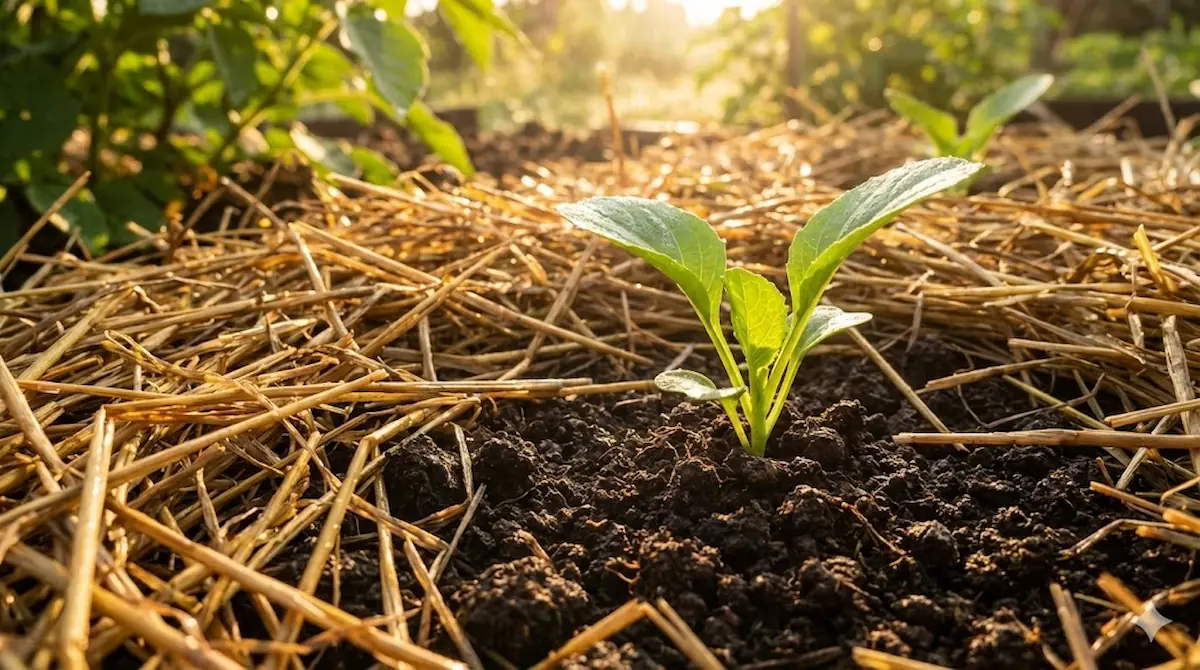
The Magic of Mulch: Stop Weeding and Save Water Forever
Discover what mulch is, how it helps save water during heatwaves, and why it's the ultimate weapon against garden weeds.
Read more →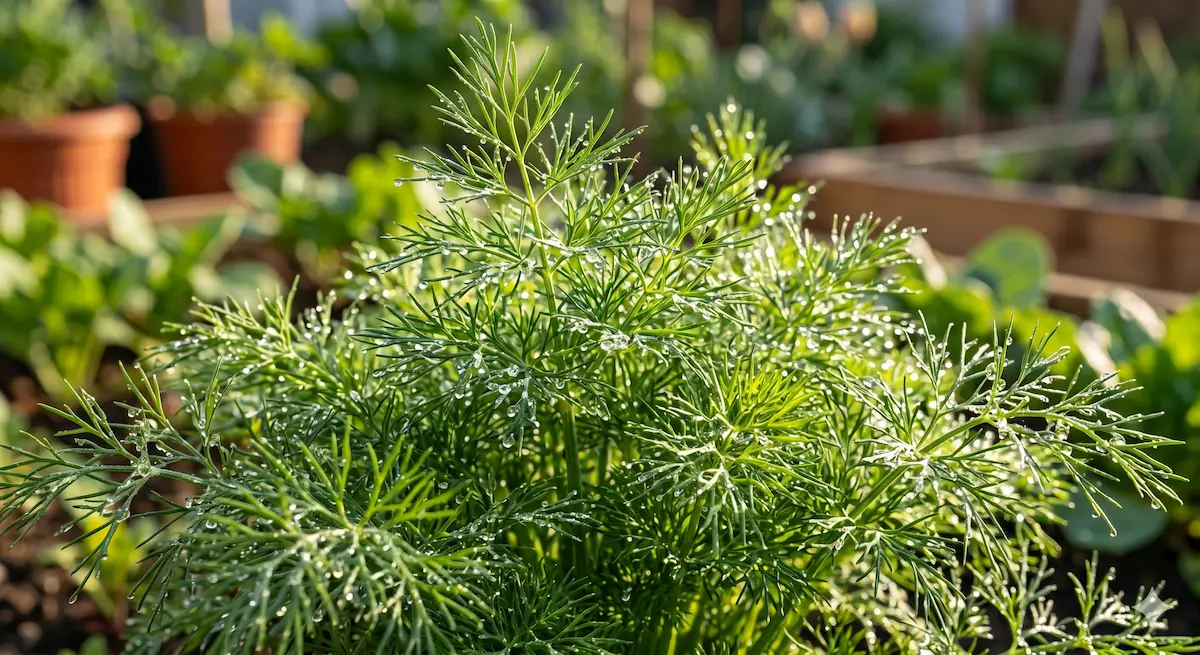
Dill in the Garden: How to Grow Lush Greens Without Reddening or Pests
Dill growing secrets from AgroPlanner. Learn why dill doesn't sprout, how to fight aphids without chemicals, and tips for correct sowing.
Read more →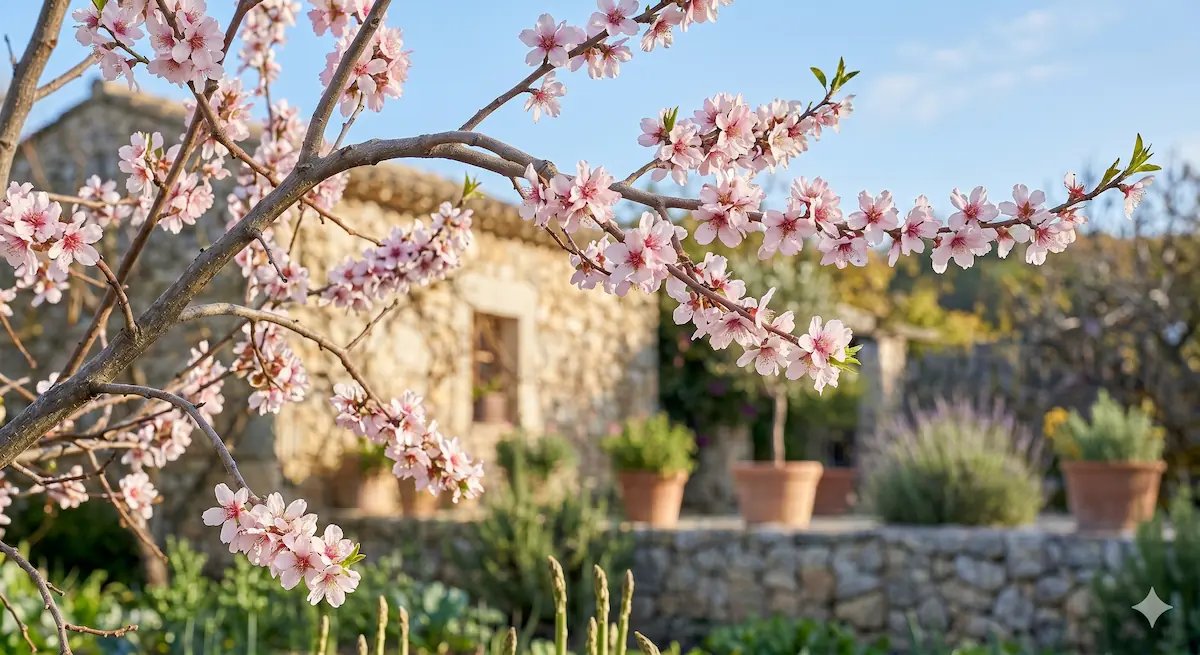
Almond: How to Grow the Most Beautiful Blossoming Tree with Valuable Nuts
Almonds are the first trees to wake up in the spring. Learn how to provide a sunny spot, why they dislike heavy soil, and how to harvest your own home-grown nuts.
Read more →