
Watermelon: How to Grow Sweet Fruit Even in Poor Soil
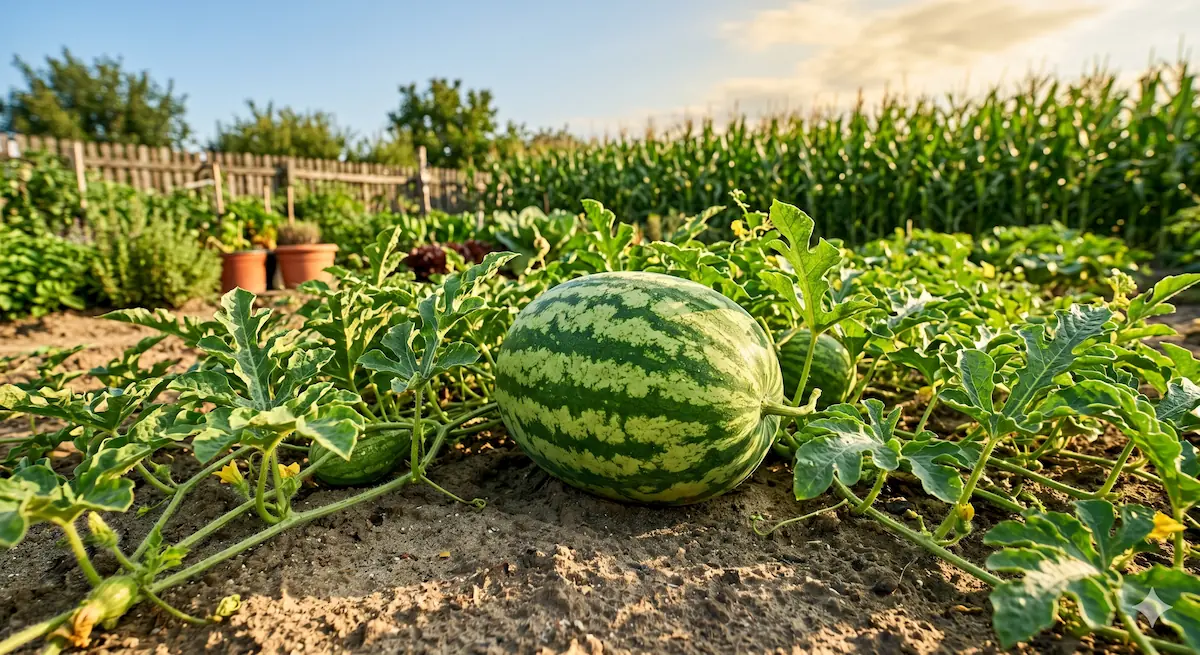
Secrets to growing sweet watermelons: why sandy soil matters, how to choose the right neighbors, and when to limit watering for maximum sweetness.
The watermelon is a true "sun pump." Many people hesitate to plant them, thinking they only grow in southern climates. However, the secret to success lies not just in the weather, but in understanding the plant's nature: it loves "light" feet and a hot head.
Sun and Space
Watermelons don't just love the sun; they depend on it. Any shade from a fence or tree instantly stops fruit growth. Our planner will help you find the warmest spot on your plot, free from shading conflicts. Also, remember that a watermelon is an "invader" plant, spreading its vines several meters around.
Why Sand is a Watermelon's Best Friend
Unlike most vegetables, watermelons perform best on Sandy Soils (Type 2). Why? Sand warms up quickly in the spring, allows air to reach the roots, and prevents water from stagnating. If you have this type of soil, which is usually considered "poor," it's actually a perfect resort for watermelons.
Friends and Neighbors in the Patch
The right companionship can help protect your watermelons from pests and boost their growth:
- Friends: Corn (acts as a great windbreak without casting dense shade), radishes, and aromatic herbs.
- Enemies: Do not plant watermelons near cucumbers or pumpkins—they share common pests and compete for the same nutrients, which can exhaust both crops.
AgroPlanner Tip: For a truly sweet watermelon, stop watering it completely two weeks before harvest. By then, the roots are deep enough to find moisture, and the lack of surface water will force the plant to concentrate maximum sugar in the fruit.
AgroPlanner App
Realize your dream garden: check plant compatibility, sun/shade needs, and save your plan easily.

Disclaimer
Important! All information in this blog is for recommendation purposes only. We are developers and enthusiasts, not certified agronomists. Results may vary based on your region, soil type, and weather. We are not responsible for potential errors or crop failures. Please verify critical advice independently!
Found this helpful? Share with friends!
Read more
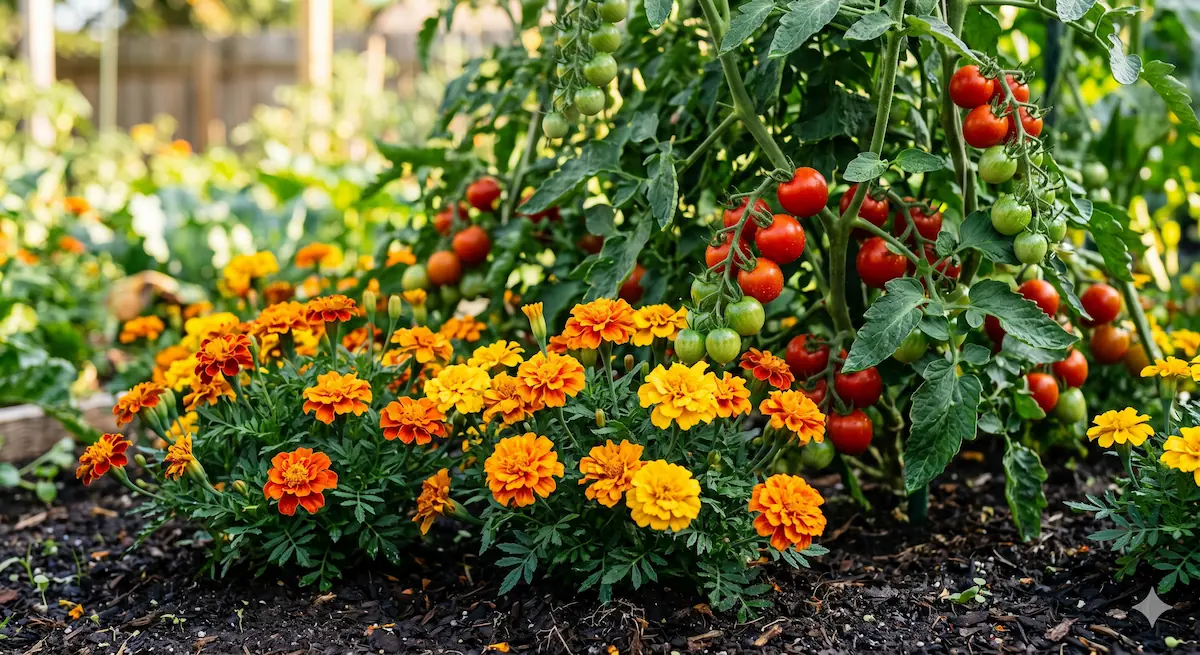
Marigolds: Growing a Living Shield for Your Vegetable Garden
Skip the pesticides! Discover how marigolds protect tomatoes and potatoes from pests, heal the soil, and why they are a must-have in your AgroPlanner layout.
Read more →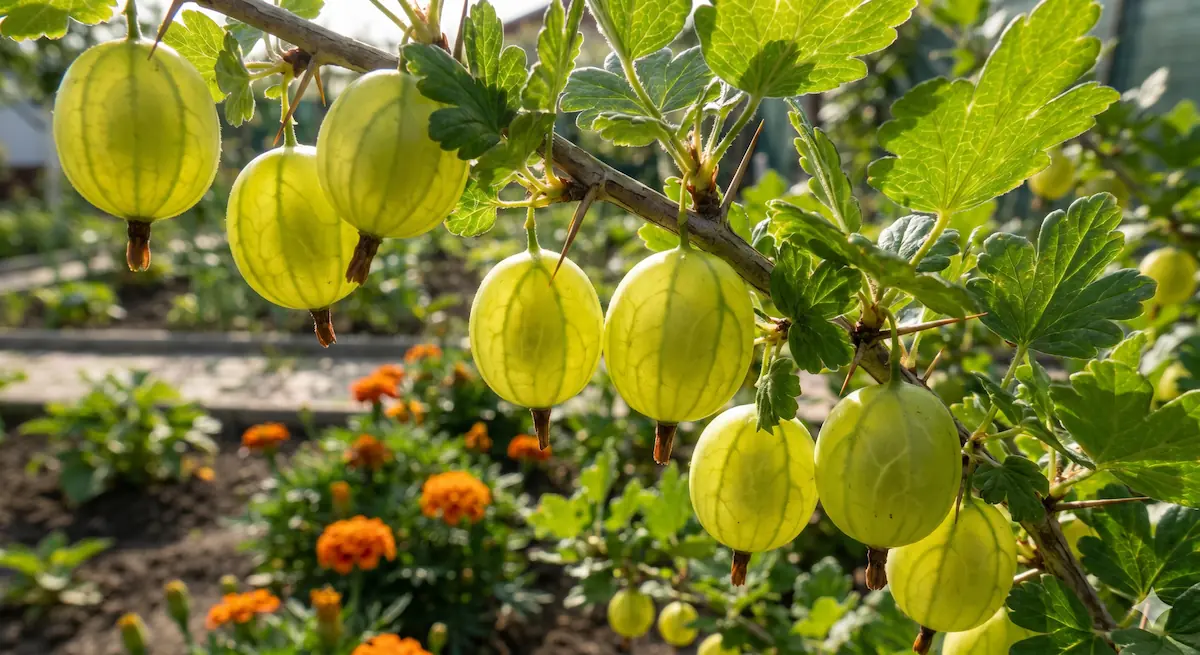
Gooseberry: How to Grow a Rich Harvest Without Disease and Pests
Secrets to growing large and sweet gooseberries. Find out why it fears shade, which neighbors help avoid powdery mildew, and how our planner protects your garden.
Read more →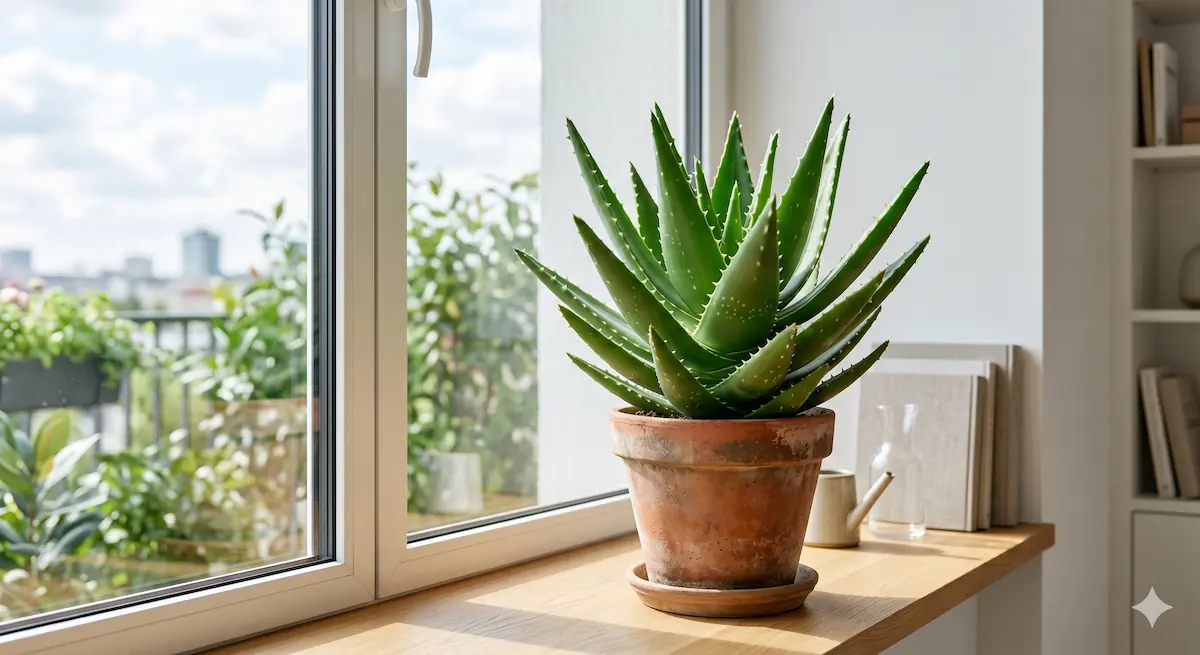
Aloe Vera: A Living First-Aid Kit on Your Windowsill
Aloe Vera is an essential helper for burns and skincare. Learn why you shouldn't water it often, what soil prevents root rot, and how to harvest leaves correctly without harming the plant.
Read more →