
When to Harvest and How to Store Carrots and Beetroot for Winter: Full Guide
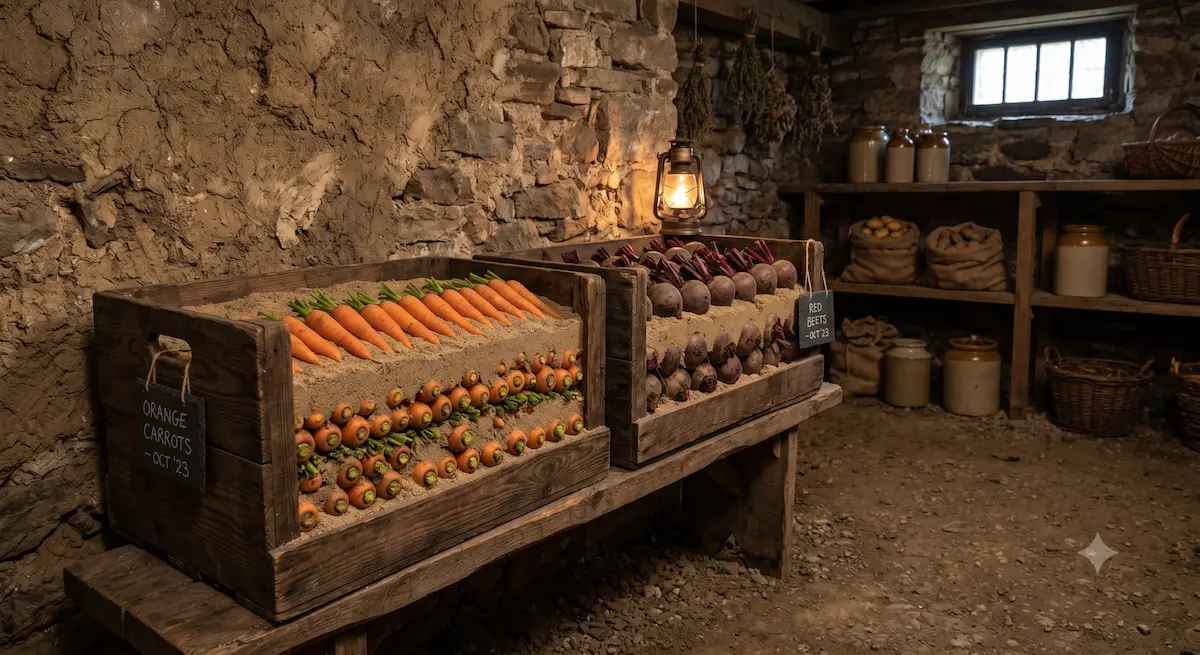
Improper storage turns carrots and beetroots into a soft, wrinkled mass. Learn autumn harvest timelines and secrets of storing roots in sand.
Harvesting and storing root vegetables (carrots and beetroots) for winter is the final chord of autumn garden operations (September-October). Unlike potatoes, which are protected by a thick skin, carrots feature a thin outer layer and rapidly lose internal moisture, turning soft. Knowing correct harvesting practices and temperature management ensures your roots stay crunchy and juicy until next spring.
1. Optimal Autumn Harvesting Timelines for Root Vegetables
Rushing to harvest carrots and beetroots is a mistake. The core rule: they must accumulate maximum sugars, which occurs when night temperatures drop to +4-6°C. However, beetroot must be dug up before stable ground frosts hit because its top apex protrudes above the soil and can freeze. Carrots do not fear light frosts; they can be harvested 1-2 weeks later. Read about pre-harvest care inside our beetroot growing guide.
2. Proper Preparation Technology for Winter Storage
Dig root crops during dry weather utilizing a garden fork to minimize fruit tissue damage. Immediately after digging, completely slice away all foliage level with the root crown (even capturing 1-2 mm of the root body itself). If you leave even tiny stem tails, they will begin sprouting in spring, draining sugars from the carrot. Let the trimmed roots dry under a canopy for 2-3 hours, but do not leave them under the sun all day long — they will wither.
3. Table of Best Winter Storage Methods inside a Cellar (Good)
| Storage Method | How to Implement Correctly in a Cellar? | Why Does This Reliably Shield Fruits? |
|---|---|---|
| In Moist Sand | Pour a 3 cm layer of clean sand at the bottom of a crate, arrange a layer of carrots so they do not touch, and backfill with sand. | Sand manages ideal humidity levels, preventing carrots from drying, and restrains the spread of rots. |
| In Coniferous Sawdust | Interleave root vegetables inside crates with fresh sawdust from coniferous tree species. | Essential oils and resins of conifer needles act as natural antiseptics, completely blocking mold development. |
| On Top of Potatoes | Arrange beetroots in a thick layer directly on top of potatoes piled inside large storage bins, as indicated in our potatoes guide. | An ideal bio-symbiosis: beetroot absorbs excess moisture evaporated by potatoes, shielding them from rot while remaining juicy itself. |
4. Major Root Harvesting Mistakes to Avoid (Bad mistakes)
- Washing and scraping dirt with a knife: Attempting to clean carrots of damp soil, never rub them with stiff brushes or knives. The slightest skin scratch inside a damp cellar triggers rapid white mold outbreaks. Soil must dry and drop off on its own.
- Storing right next to apples: Apples actively release ethylene gas during ripening. This gas signals carrots and beetroots that it's time to grow; they quickly push out roots and turn bitter in culinary flavor.
AgroPlanner Tip: The ideal environment for storing roots inside a cellar is 0 to +2°C at 90-95% humidity. Log your exact harvested crop volumes with our convenient planner tool!
AgroPlanner App
Realize your dream garden: check plant compatibility, sun/shade needs, and save your plan easily.

Disclaimer
Important! All information in this blog is for recommendation purposes only. We are developers and enthusiasts, not certified agronomists. Results may vary based on your region, soil type, and weather. We are not responsible for potential errors or crop failures. Please verify critical advice independently!
Found this helpful? Share with friends!
Read more
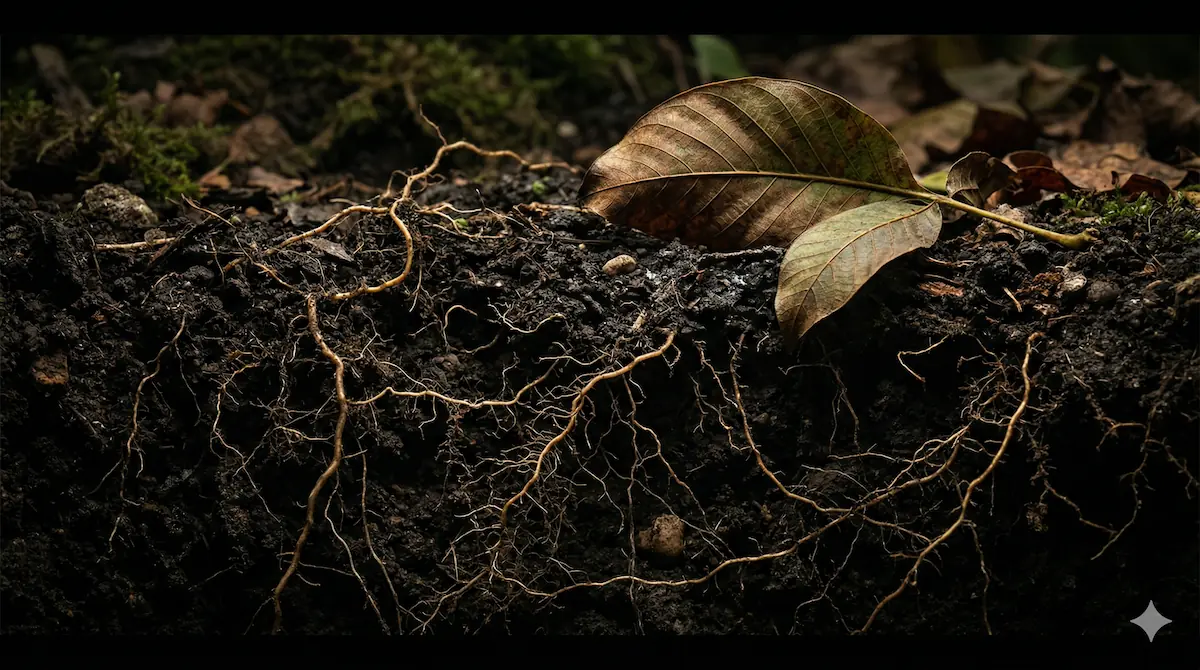
Chemical Warfare in the Garden: Plants That Poison Their Neighbors
Learn about allelopathy and selfish plants that release toxins into the soil to suppress their competitors.
Read more →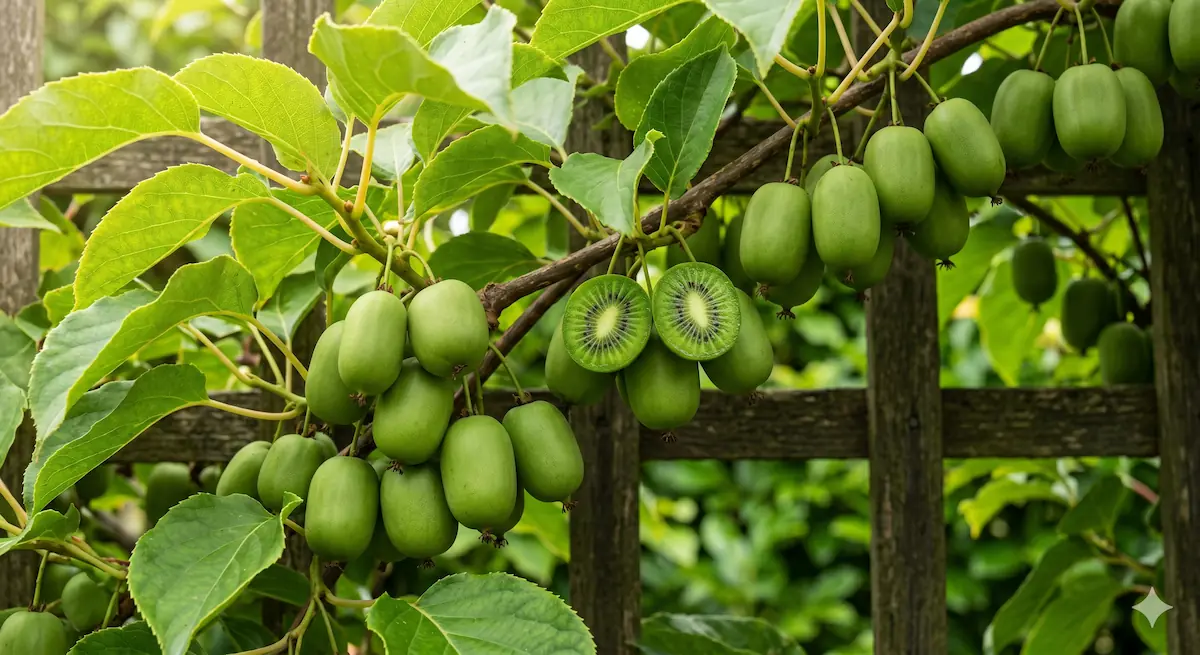
Actinidia "Issai": The Mini-Kiwi You Don't Have to Peel
Actinidia is a vine with fruits that taste like premium kiwi with notes of pineapple. Learn what soil it prefers, why cats love it, and how to harvest buckets of berries from one bush.
Read more →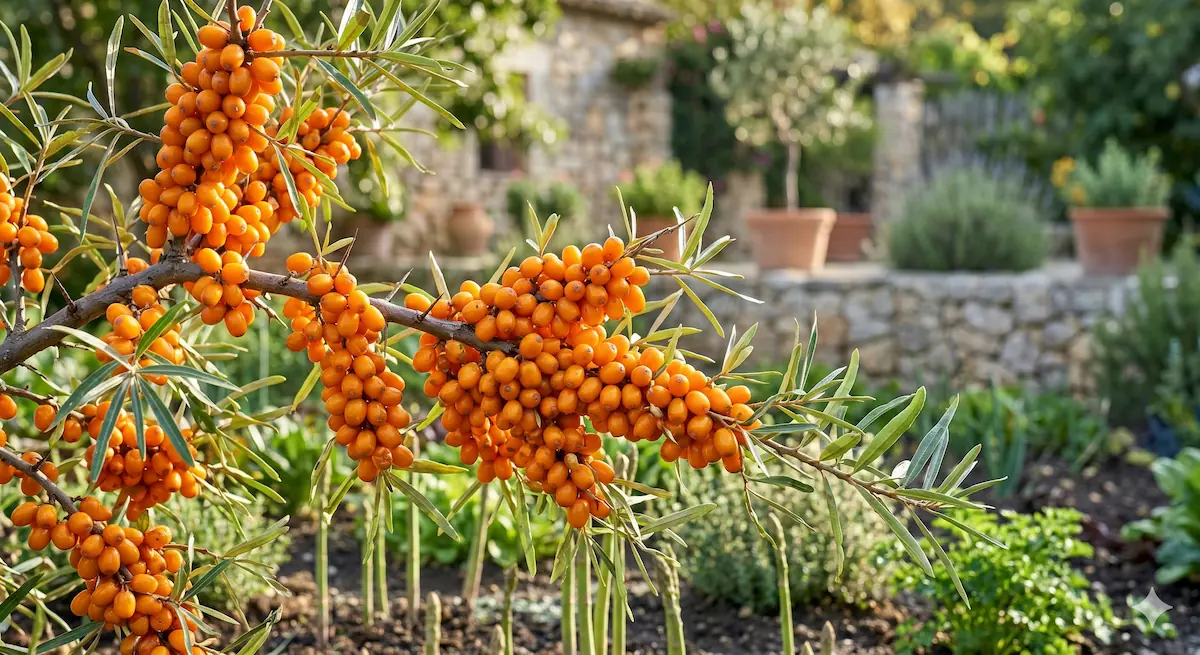
Sea Buckthorn: The Golden Berry of Health
Sea buckthorn is a true superfood that isn't afraid of frost. Learn why it needs sandy soil, how to tell "male" from "female" plants, and where to plant it to avoid daily battles with thorns.
Read more →