
Sea Buckthorn: The Golden Berry of Health
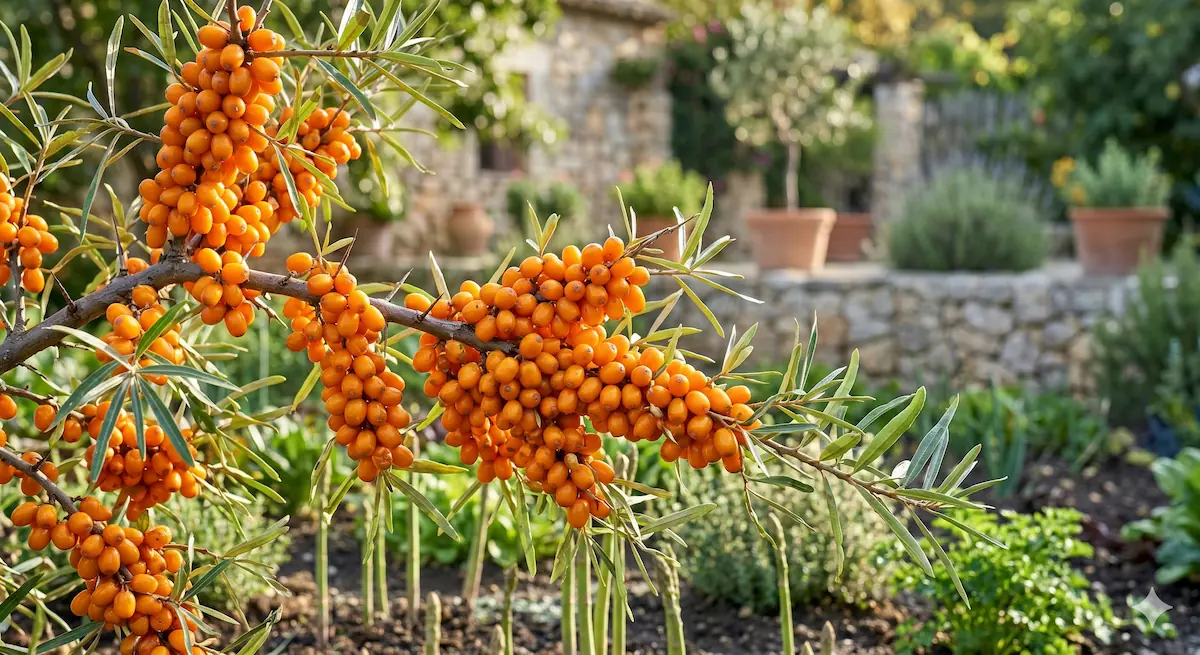
Sea buckthorn is a true superfood that isn't afraid of frost. Learn why it needs sandy soil, how to tell "male" from "female" plants, and where to plant it to avoid daily battles with thorns.
Sea Buckthorn (Hippophae rhamnoides) is a unique plant whose fruits contain almost all known vitamins. It's an extremely sun-loving and hardy shrub, often used for stabilizing slopes. Like kiwi, it is dioecious, meaning you need at least one "male" pollinator for every few "female" bushes to get a harvest.
Soil: Where Does Sea Buckthorn Turn to Gold?
Sea buckthorn has a fascinating root system that spreads horizontally and requires plenty of oxygen. It loves loose soils.
- Best Choice: Poor or fertile Sandy soils (Type 2). It grows very slowly in heavy clay.
- Soil Check: Perform the sausage test. If the soil crumbles and holds no shape (Type 2), it's perfect: the roots can "breathe" easily and fix nitrogen.
Best Companions (Good)
- Medicinal Herbs: Chamomile or Calendula thrive at the base of sea buckthorn.
- Grains: If using sea buckthorn as a hedge, you can sow wheat nearby as a green manure.
- Lawn Grass: The best option to keep sea buckthorn's spreading roots in check.
Main Enemies (Bad)
- Walnut Trees: Walnut juglone quickly suppresses sea buckthorn despite its overall hardiness.
- Raspberries and Blackberries: Their root systems will wage a territory war where both crops lose.
- Deep Digging: The roots lie close to the surface, so digging the ground near the bush is a recipe for disaster.
AgroPlanner Tip: Sea buckthorn tends to take over its surroundings. In our app, it occupies a 3x3 grid. The system will flag the walnut toxic zone in red and help you plan the distance to your garden beds so the roots don't displace your vegetables.
AgroPlanner App
Realize your dream garden: check plant compatibility, sun/shade needs, and save your plan easily.

Disclaimer
Important! All information in this blog is for recommendation purposes only. We are developers and enthusiasts, not certified agronomists. Results may vary based on your region, soil type, and weather. We are not responsible for potential errors or crop failures. Please verify critical advice independently!
Found this helpful? Share with friends!
Read more
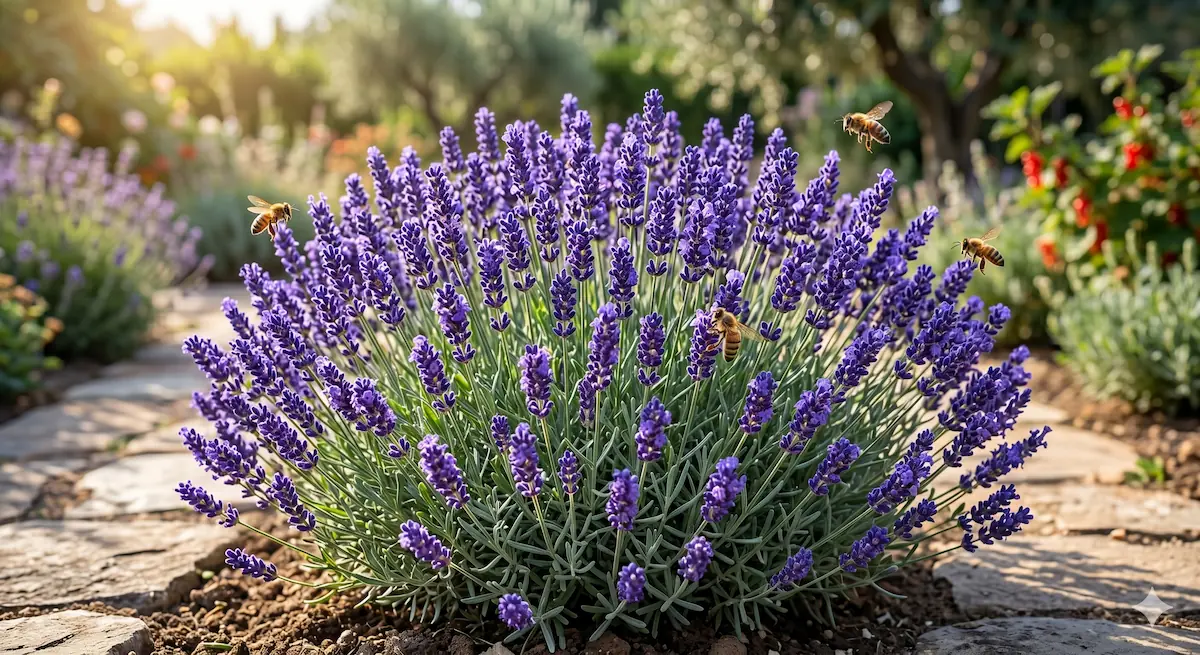
Lavender Munstead: The Scent of Provence in Your Garden
Lavender Munstead is the perfect choice for borders and rock gardens. Learn why it hates rich soil, how to prune for lush blooms, and why sun is its best friend.
Read more →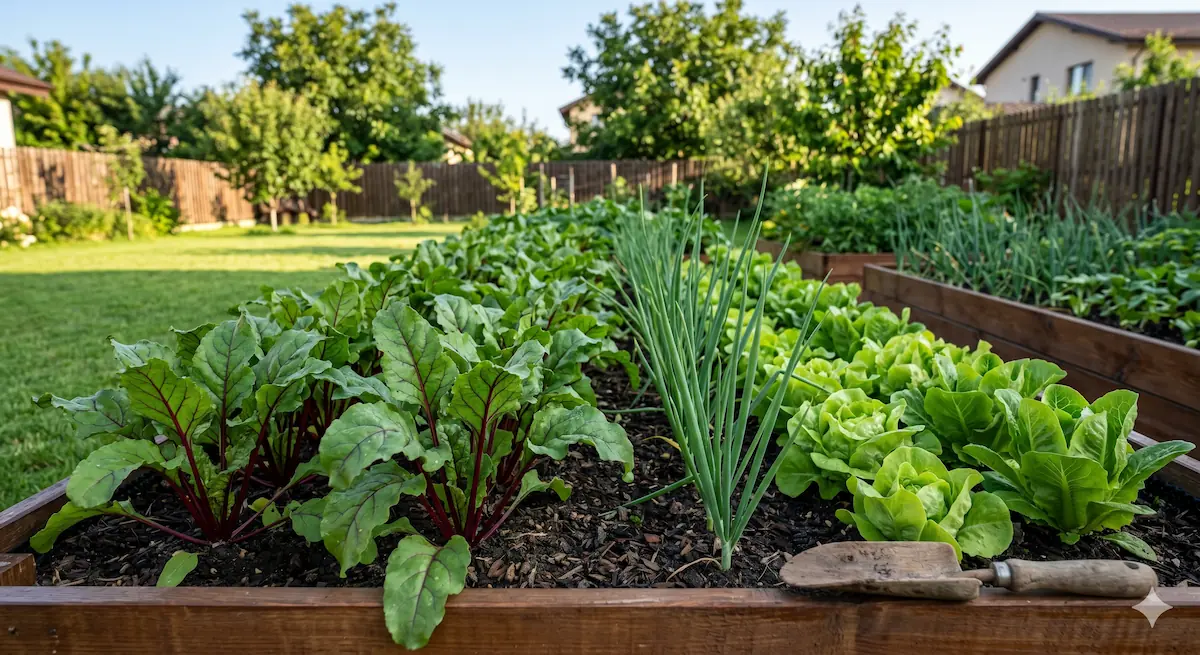
Beetroot Companion Planting: 8 Best Partners for Sweet Roots
Beetroots require rich potassium and loose soil. Discover 8 companion plants that protect the roots from pests, improve flavor, and learn why pole beans are dangerous.
Read more →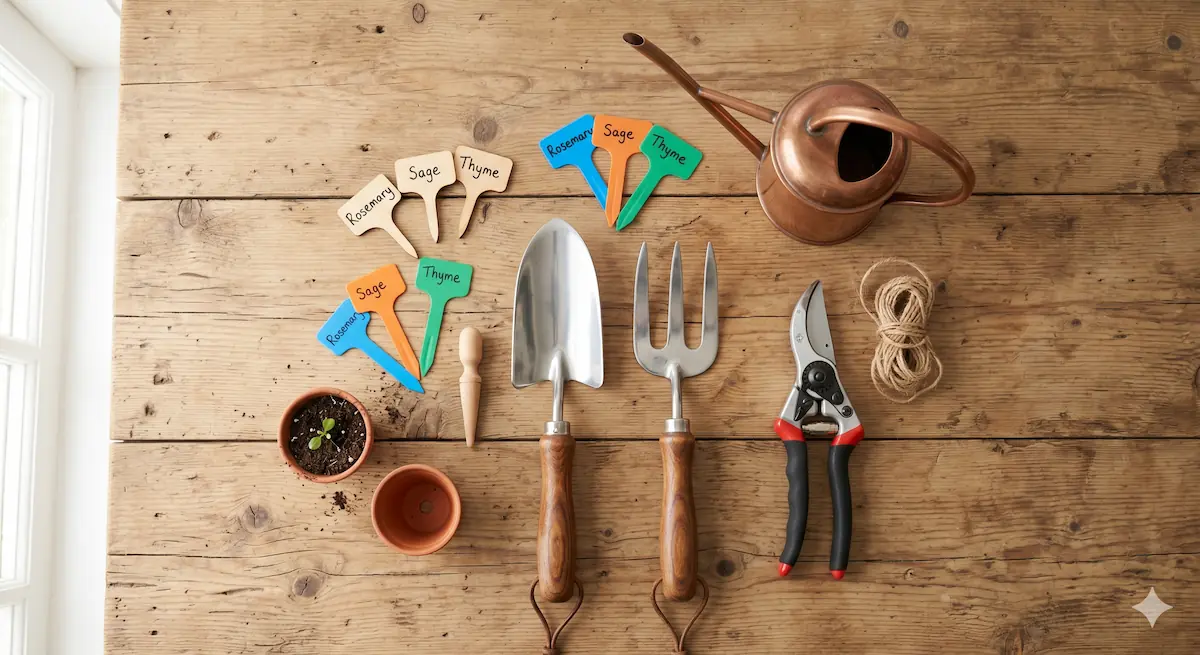
Planting Tools: 5 Essential Items and Smart Accessories
Gardening or repotting indoor flowers can turn into chaos without the right equipment. We have gathered the 5 main tools and 3 useful devices that will save your energy and protect plant roots.
Read more →