
Free Seeds: How to Correctly Collect and Save Seeds from Your Own Harvest
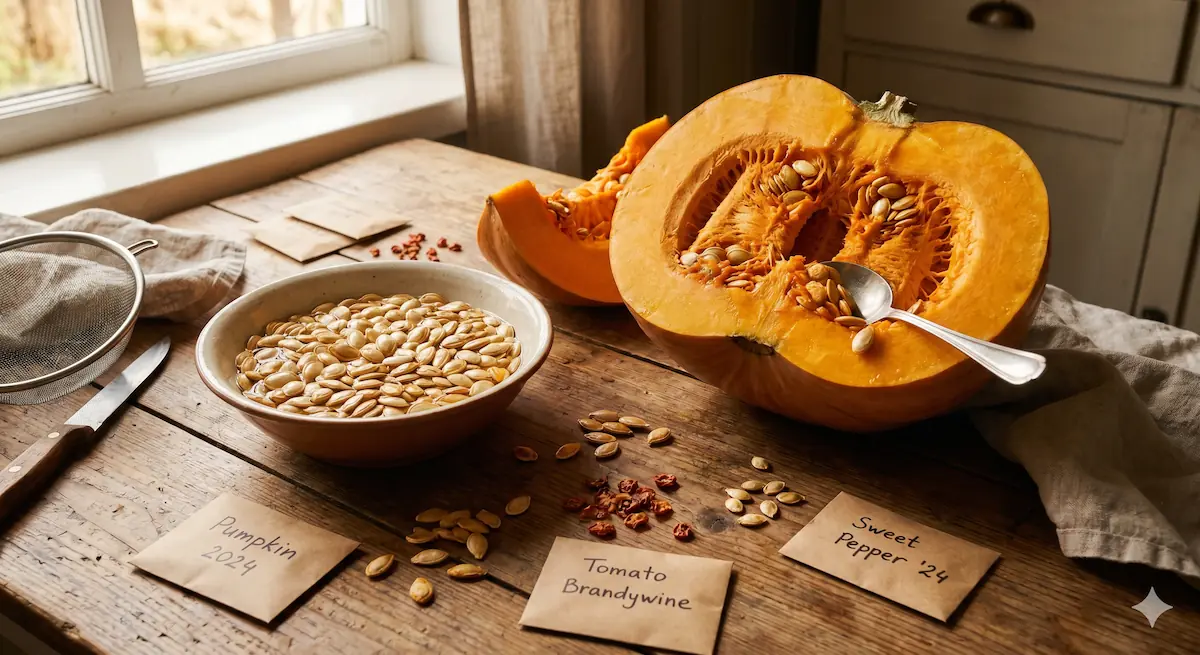
Don't rush to throw away those seeds after dinner! Learn how to harvest pumpkin, watermelon, and tomato seeds to get a great crop next year without extra costs.
Every ripe fruit on your table is potentially a hundred new plants. Instead of buying colorful packets at the store, you can learn to harvest your own seeds. This guarantees you’ll grow exactly the variety you liked the taste of.
1. Choosing the "Right" Fruit
The most important rule: you can only collect seeds from heirloom/varietal plants. If the label says "F1," it's a hybrid. Its seeds either won't sprout or will produce fruit completely different from the original. Choose the ripest, healthiest, and most beautiful specimens.
2. Harvesting Different Crops
- Pumpkins and Squash: Remove the seeds and rinse them thoroughly to remove all pulp. Leftover sugars can cause rot during storage.
- Tomatoes: These require fermentation. Squeeze the seeds and juice into a glass and let it sit for 2-3 days until a film forms. Then rinse — this breaks down the coating that inhibits germination.
- Watermelons and Melons: Simply select the largest, darkest seeds from a ripe fruit and dry them well.
3. Proper Drying and Storage
Never dry seeds in direct sunlight or an oven! Dry them in the shade in a well-ventilated area. It's best to store seeds in paper envelopes (not plastic, so they can breathe). Always label them with the harvest year.
AgroPlanner Tip: When you add a plant to your virtual bed, note whether it came from your own seeds. This will help you compare results a year later and identify which home-saved seeds performed best.
AgroPlanner App
Realize your dream garden: check plant compatibility, sun/shade needs, and save your plan easily.

Disclaimer
Important! All information in this blog is for recommendation purposes only. We are developers and enthusiasts, not certified agronomists. Results may vary based on your region, soil type, and weather. We are not responsible for potential errors or crop failures. Please verify critical advice independently!
Found this helpful? Share with friends!
Read more
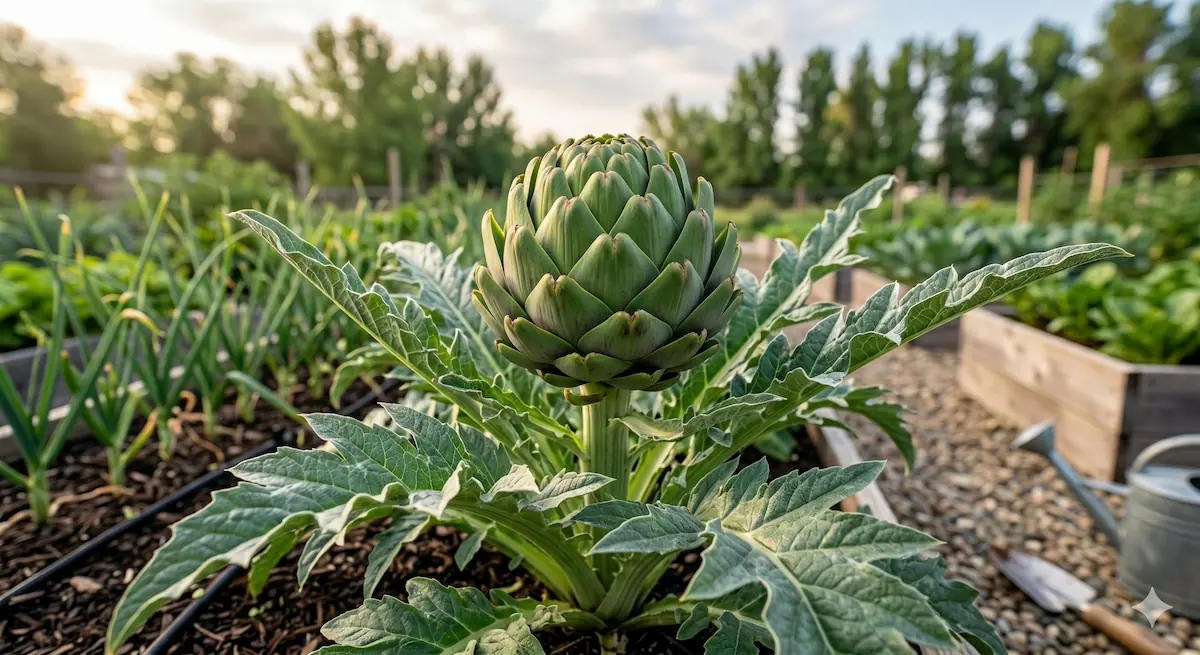
Artichoke: A Gourmet Flower on Your Plate
The artichoke is a giant ornamental plant whose flower buds are a world-class delicacy. Learn how to get it to bloom in its first year, what soil it needs, and why it's a garden masterpiece.
Read more →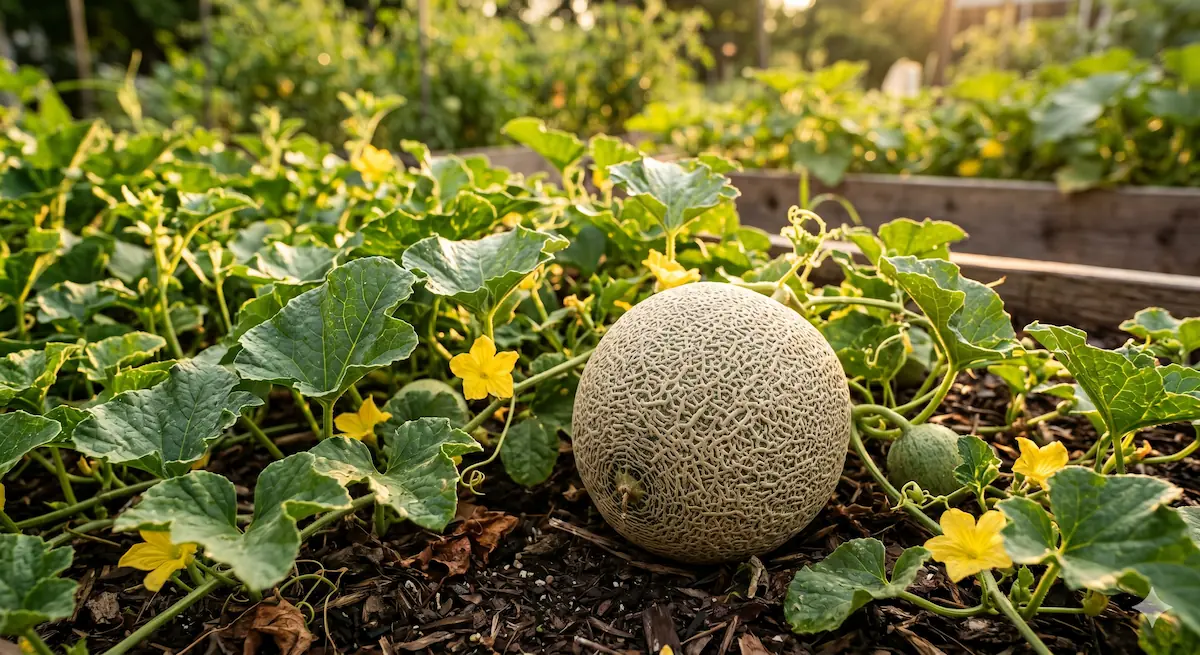
Melon: How to Grow a Sweet "Piece of Sun" in Your Garden
Melons are the symbol of a hot summer. Learn why they need sandy soil, how to prune the vines for large fruit, and why proximity to cucumbers can ruin the experience.
Read more →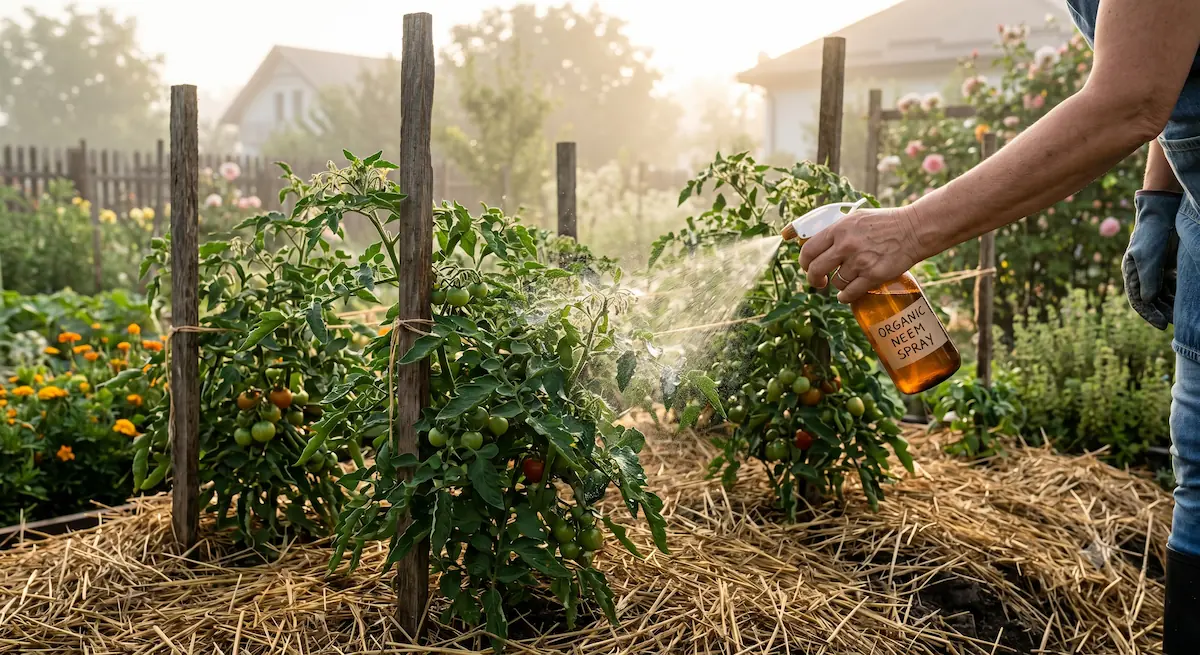
Tomato Late Blight in July: How to Save Tomatoes from Fungus
Summer mists and humidity trigger late blight outbreaks. Step-by-step manual on prevention and organic bio-protection of tomato beds.
Read more →