
How to Dry and Store Herbs for Winter: Locking in Summer Flavors
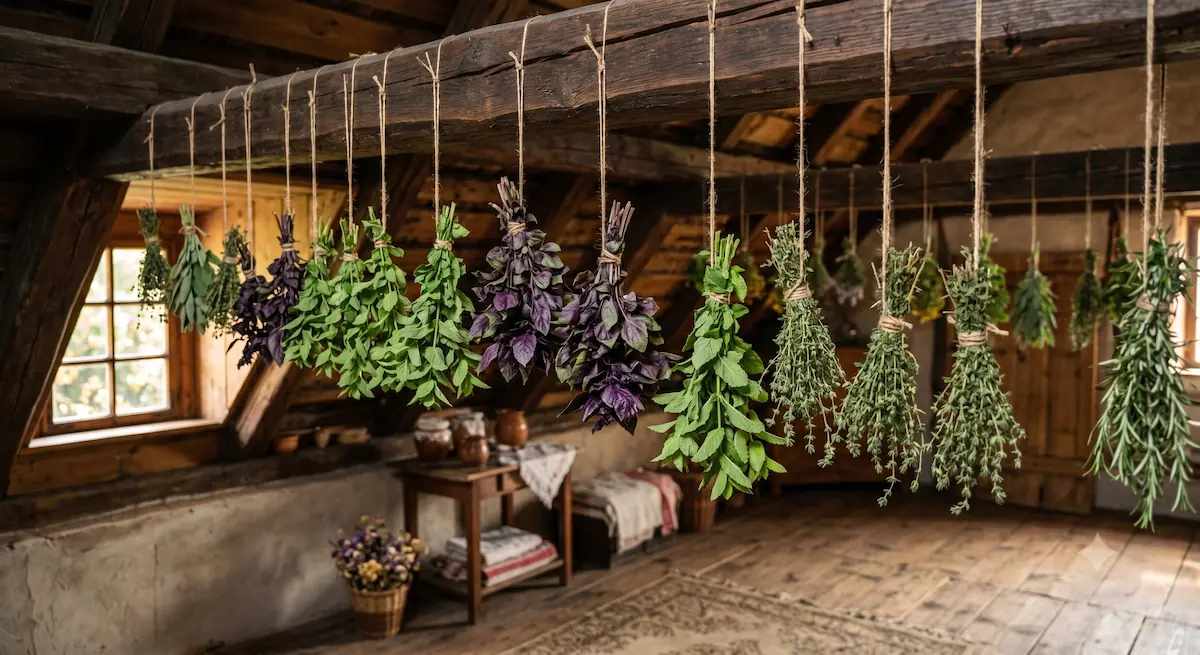
Spicy herbs are at the peak of their juiciness in summer. Step-by-step guide to drying, freezing, and storing mint, basil, and dill.
July and August are the golden window for harvesting aromatic herbs. During this peak of the summer season, mint, sweet basil, dill, parsley, and thyme accumulate their maximum levels of essential oils and healthy vitamins. However, if you harvest and dry greens incorrectly, they lose color, turning into grey flavorless dust or simply growing mold. Protecting a piece of summer for the entire winter requires knowing a few simple rules.
1. The Ultimate Window to Harvest Herbs
Greens intended for drying must be gathered strictly during dry weather, mandatory in the morning hours — right after night dew has evaporated but before the sun begins to blaze heavily. The sun quickly evaporates precious essential oils from leaves. The core biological rule: harvest leafy greens before the bush begins blooming. Once the plant pushes buds, all vital energy and scents migrate into flowers, leaving leaves tough.
2. Natural Drying Technology Without Color Loss
Never dry fresh herbs under direct sun rays! Ultraviolet light instantly breaks down chlorophyll, leaving your greens pale yellow and stripped of healthy traits. Suncuring must be conducted in a well-ventilated, dark, and dry space (like a porch, attic, or dry room). Herbs are tied into small bunches and hung upside down or spread in a thin layer over clean paper sheets.
3. Table Comparing Summer Herb Preservation Methods (Good)
| Preservation Method | Which Herbs Suit This Best? | Secret to Long-Term Storage |
|---|---|---|
| Natural Air Drying | Mint, thyme, rosemary, sage, oregano. | Store dry leaves whole inside glass jars fitted with tight lids. Crush them directly before adding to culinary dishes. |
| Flash Freezing | Dill, parsley, cilantro, sorrel, spinach. | Finely chop clean, dry greens, pack into freezer bags, evacuating as much air as possible. |
| Oil Cube Freezing | Basil, rosemary, parsley. | Pack chopped herbs into ice cube trays and submerge in olive oil or melted butter. Ideal for winter soup bases. |
4. Critical Preservation Mistakes to Avoid (Bad mistakes)
- Storing in plastic baggies at room temperature: Dry greens will immediately absorb trace humidity from the air inside the bag, triggering the growth of invisible but highly toxic mold colonies.
- Oven-drying at high heat levels: If you bake herbs at temperatures crossing +45-50°C, the essential oils boil and evaporate, leaving regular dry straw instead of therapeutic tea bases.
AgroPlanner Tip: Checking dry herb readiness is incredibly simple: if a leaf breaks and crumbles with a crisp sound under light finger pressure, curing is complete. If it simply bends, the greens require more drying. Track your harvest calendar with our tool!
AgroPlanner App
Realize your dream garden: check plant compatibility, sun/shade needs, and save your plan easily.

Disclaimer
Important! All information in this blog is for recommendation purposes only. We are developers and enthusiasts, not certified agronomists. Results may vary based on your region, soil type, and weather. We are not responsible for potential errors or crop failures. Please verify critical advice independently!
Found this helpful? Share with friends!
Read more
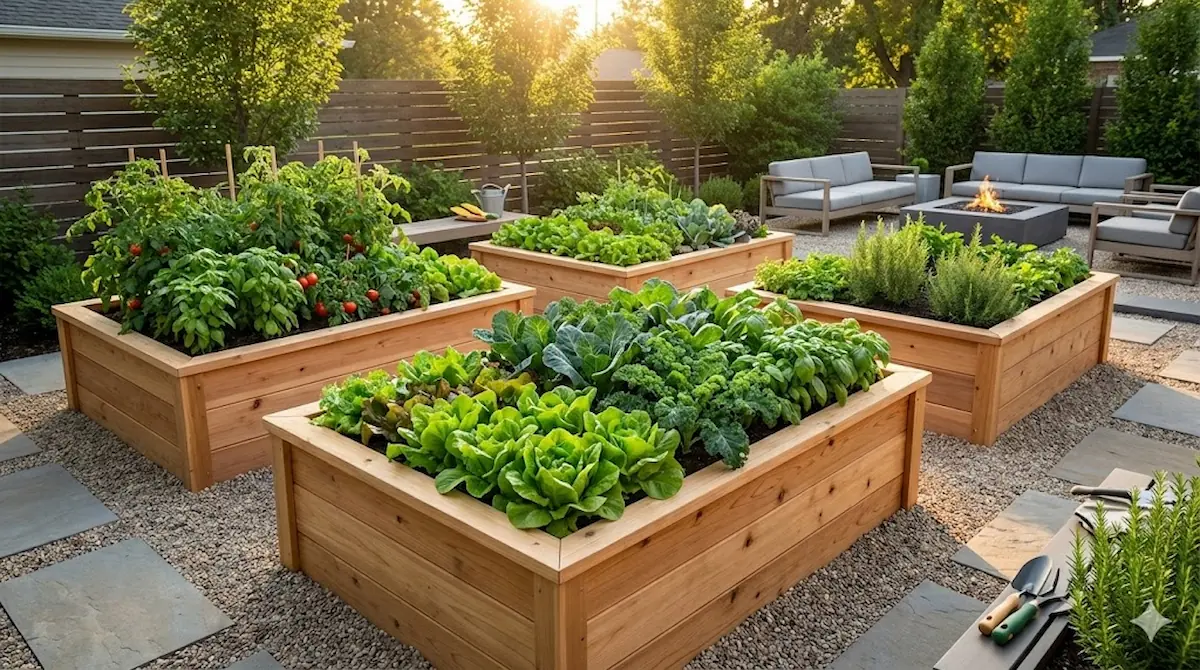
Raised Garden Beds: Just a Trend or Real Benefit for Your Harvest?
Let's break down why everyone is switching to raised garden beds. Pros, cons, and who really needs them for a rich harvest.
Read more →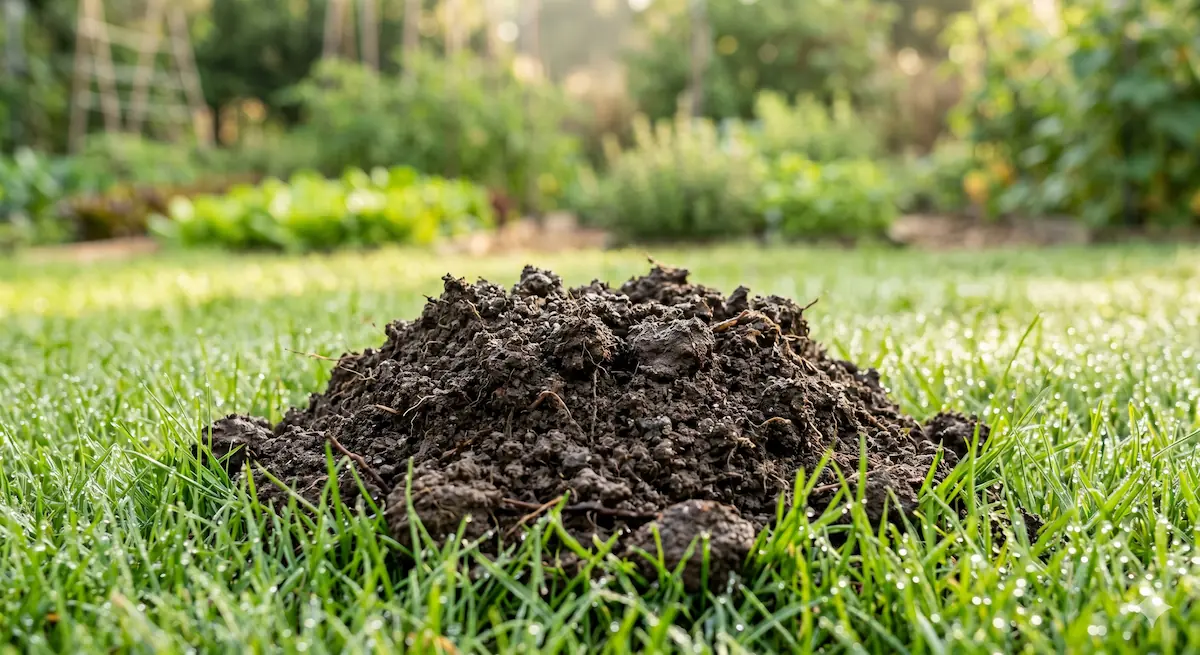
The Underground War: How to Drive Moles and Mice Out of Your Garden Naturally
Effective and humane ways to control rodents in your garden. Protect your plant roots and harvest from moles and voles without harming the local ecology.
Read more →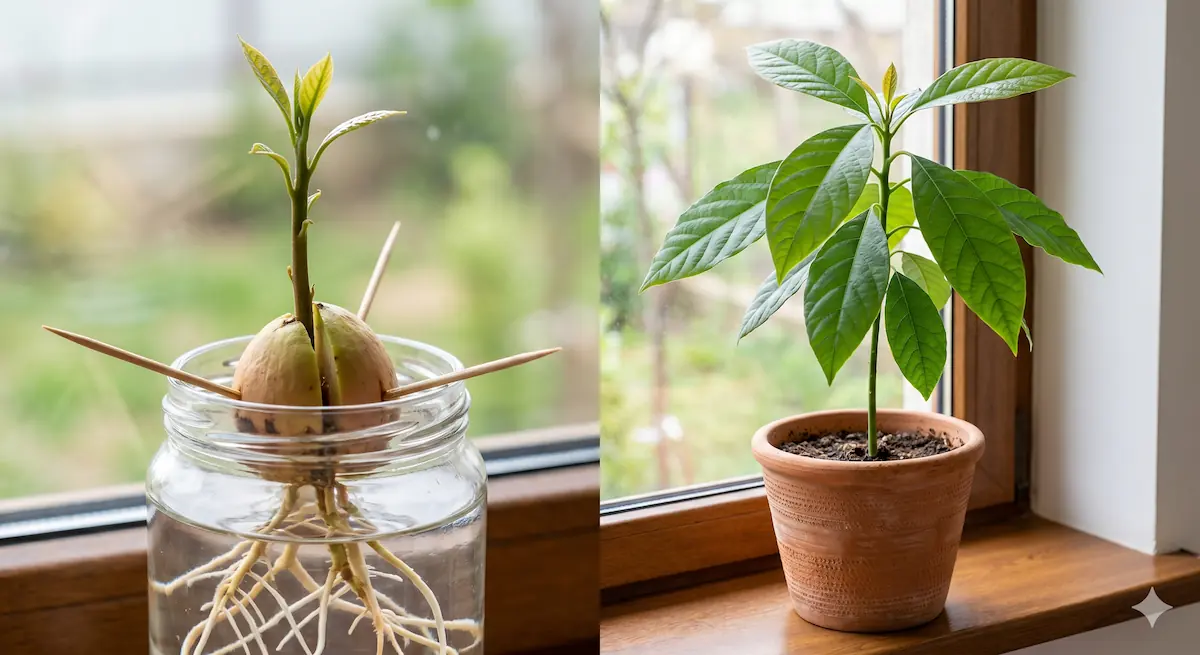
Growing Avocado from a Pit: How to Grow Your Own Exotic Tree at Home
Dreaming of your own tropical tree? A detailed guide on how to sprout an avocado pit, choose the right soil, and care for the plant to make it a highlight of your interior.
Read more →