
Basil: The Fragrant King of the Garden and Tomato's Best Friend
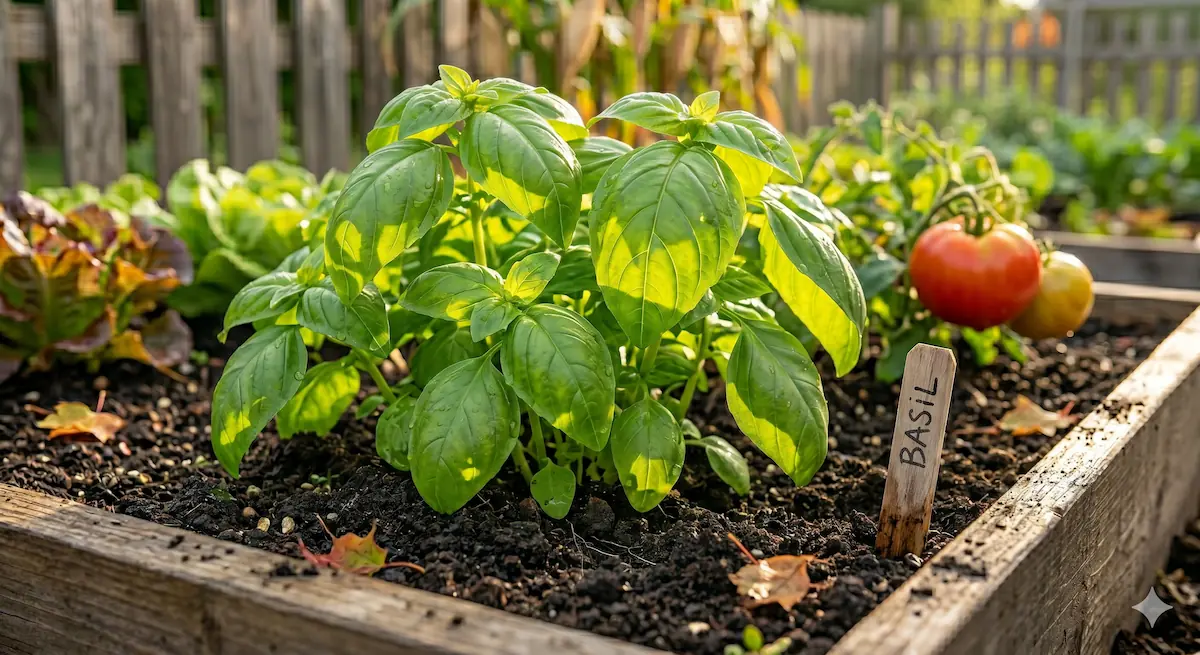
How to grow lush, aromatic basil: heat requirements, soil selection, and why pairing it with tomatoes makes it better. Tips from AgroPlanner.
Basil is more than just a culinary herb; it's a true ornament for any garden. It’s prized for its unique aroma and ability to repel pests. However, basil is a bit of a hedonist: it demands warmth, sunlight, and is very picky about its neighbors.
Heat and Light Above All
Originating in the tropics, basil cannot stand even a hint of cold. In our planner, basil is marked as a sun-loving crop. If you place it under a dense tree canopy or on the north side of a tall wall, AgroPlanner will issue a warning about a lighting conflict. For a rich aroma, the leaves need plenty of direct sunlight.
Ideal Soil
For basil to thrive and grow lush foliage, it needs fertile Loams (Type 1). The soil must be loose and well-aerated. If you have heavy soil that traps water, basil roots may start to rot after the first heavy rain.
Neighbors: The Best Duo and a Dangerous Enemy
Basil is an excellent partner for many vegetables, but it has its favorites:
- Best Friend: Tomatoes, without a doubt. Basil not only improves their flavor but also protects them from certain pests. It also grows well alongside peppers and Broccoli.
- Danger Zone: Avoid planting basil near Fennel. This plant suppresses basil, and you risk ending up with a weak shrub lacking its characteristic scent. In our Planner, this neighbor conflict will be highlighted in red.
AgroPlanner Tip: Basil is very sensitive to wet leaves. When planning your layout, leave enough space between bushes on your map for air circulation—this is the best prevention against fungal diseases during damp weather.
AgroPlanner App
Realize your dream garden: check plant compatibility, sun/shade needs, and save your plan easily.

Disclaimer
Important! All information in this blog is for recommendation purposes only. We are developers and enthusiasts, not certified agronomists. Results may vary based on your region, soil type, and weather. We are not responsible for potential errors or crop failures. Please verify critical advice independently!
Found this helpful? Share with friends!
Read more
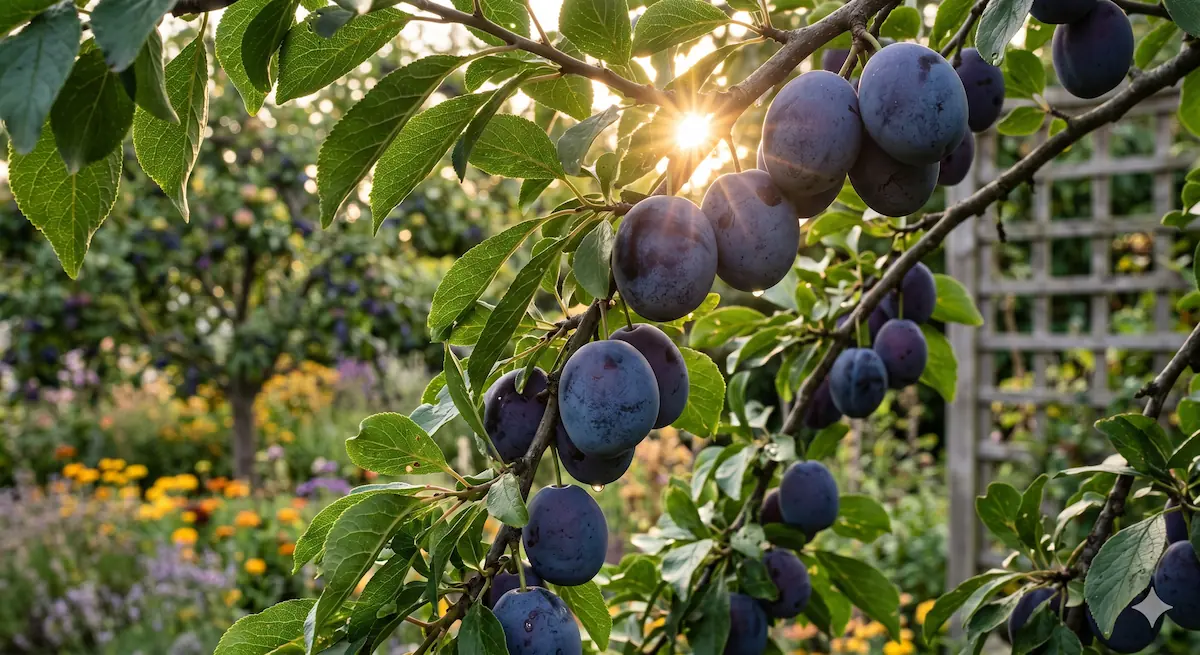
Plum Trees: Site Selection and Compatibility for a Bountiful Harvest
Secrets to growing plums: from choosing a sunny spot to compatibility with other trees. Why it's important to consider soil type and avoid proximity to walnuts.
Read more →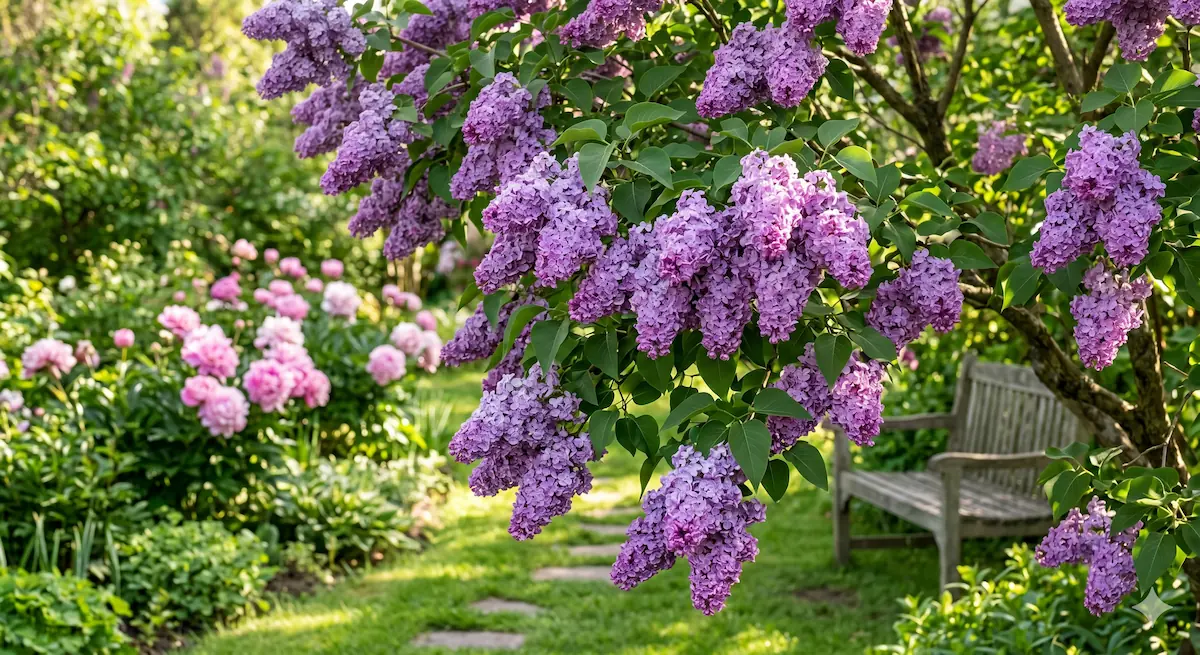
Lilac: Secrets to Lush Blooms and Proper Garden Care
Lilac is more than just a shrub; it's the soul of the spring garden. Learn why it won't bloom in the shade, which soil it prefers, and how to choose the right companions.
Read more →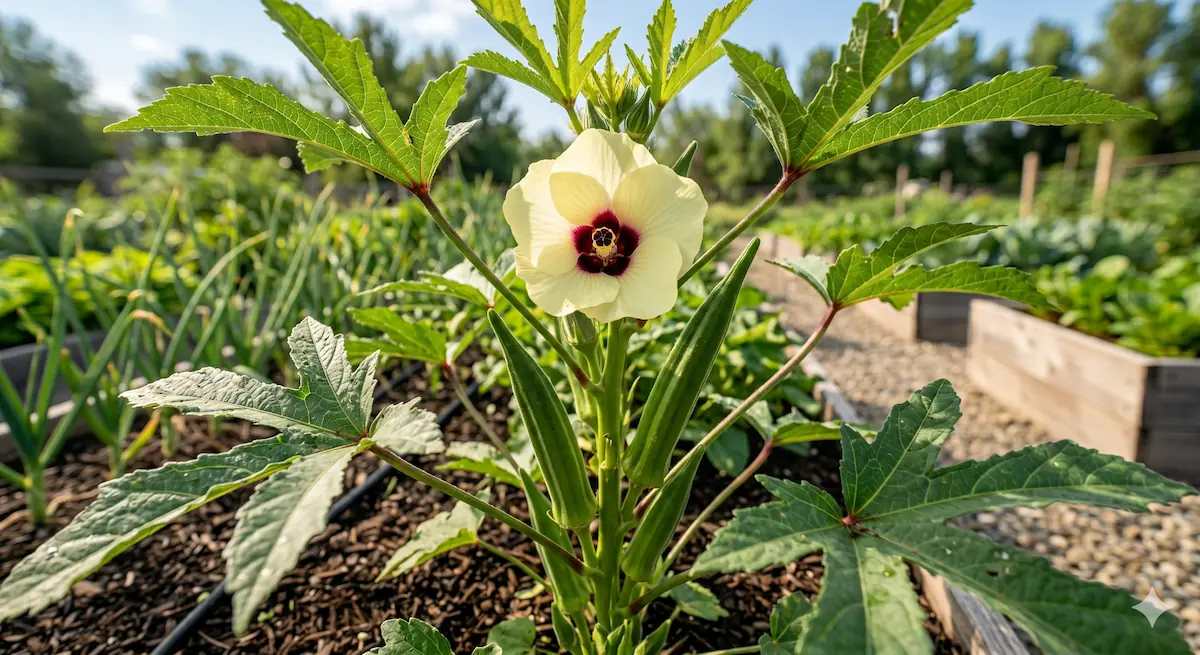
Okra (Lady's Fingers): The Edible Hibiscus Flower
Okra is a superfood with stunning flowers and nutritious pods. Learn why it loves the heat, what soil makes it productive, and how to harvest the pods correctly.
Read more →