
Lavender Munstead: The Scent of Provence in Your Garden
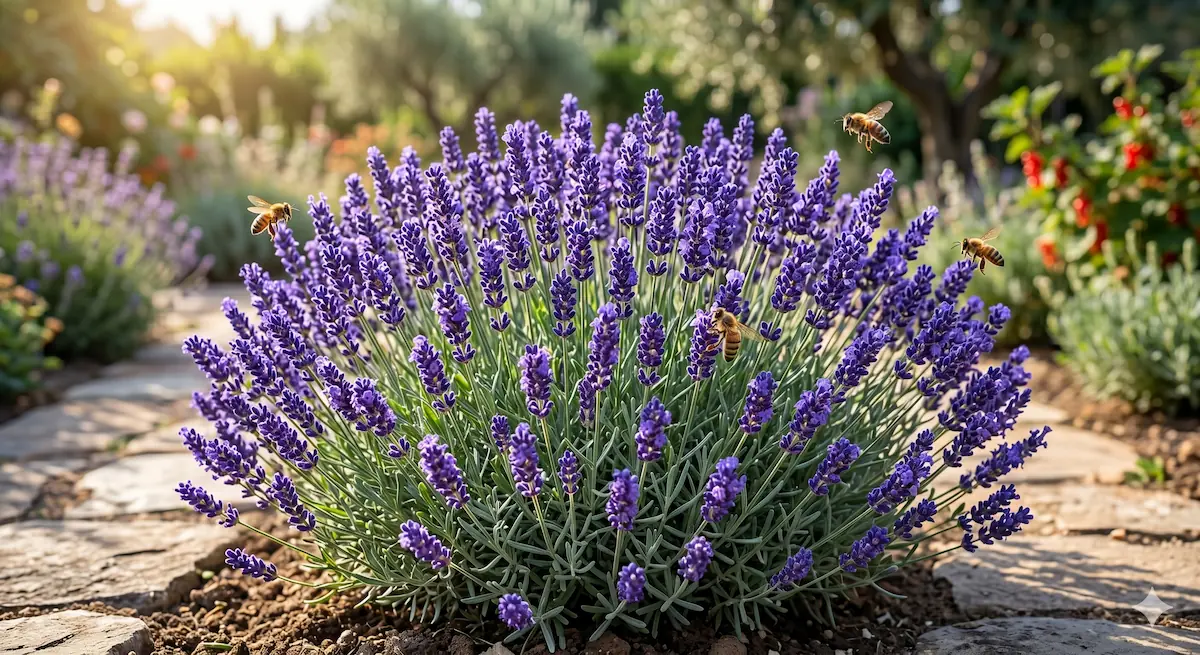
Lavender Munstead is the perfect choice for borders and rock gardens. Learn why it hates rich soil, how to prune for lush blooms, and why sun is its best friend.
English Lavender (Lavandula angustifolia) Munstead variety is a true gem for any gardener. It is shorter than common lavender, which keeps the bushes tidy and prevents them from flopping. This variety is loved for its intense blue-purple color and soothing fragrance that attracts bees while repelling pests.
Soil: Where Does Lavender Feel Like It's in the Mountains?
The main secret of lavender is poor soil and excellent drainage. It is a "child of the rocks," so excess nutrients actually harm it.
- Best Choice: Poor Sandy soils (Type 2) or rocky areas with neutral to slightly alkaline pH.
- Soil Check: Perform the sausage test. If the soil crumbles into dust (Type 2), the lavender will be happy. If your soil is too acidic, be sure to add lime or dolomite marble dust.
Best Companions (Good)
- Roses: A classic pairing. Lavender masks the "bare legs" of roses and helps repel aphids.
- Rosemary and Sage: Share identical requirements for sun and irrigation.
- Ornamental Grasses: Together they create a modern, naturalistic garden look.
Main Enemies (Bad)
- Walnut Trees: Lavender is sensitive to juglone. In the walnut's toxic zone, it quickly loses its scent and withers.
- Overwatering: The fastest way to kill lavender is to overwater it. Roots rot almost instantly in wet environments.
- Shade: Even in partial shade, lavender stretches out, loses its spherical shape, and barely blooms.
AgroPlanner Tip: Lavender Munstead grows in a compact bush. In our app, it occupies a 1x1 grid. The system will check the light level of your sector and will definitely flag the walnut toxic zone in red. Remember to prune annually after flowering to keep the bush dense!
AgroPlanner App
Realize your dream garden: check plant compatibility, sun/shade needs, and save your plan easily.

Disclaimer
Important! All information in this blog is for recommendation purposes only. We are developers and enthusiasts, not certified agronomists. Results may vary based on your region, soil type, and weather. We are not responsible for potential errors or crop failures. Please verify critical advice independently!
Found this helpful? Share with friends!
Read more
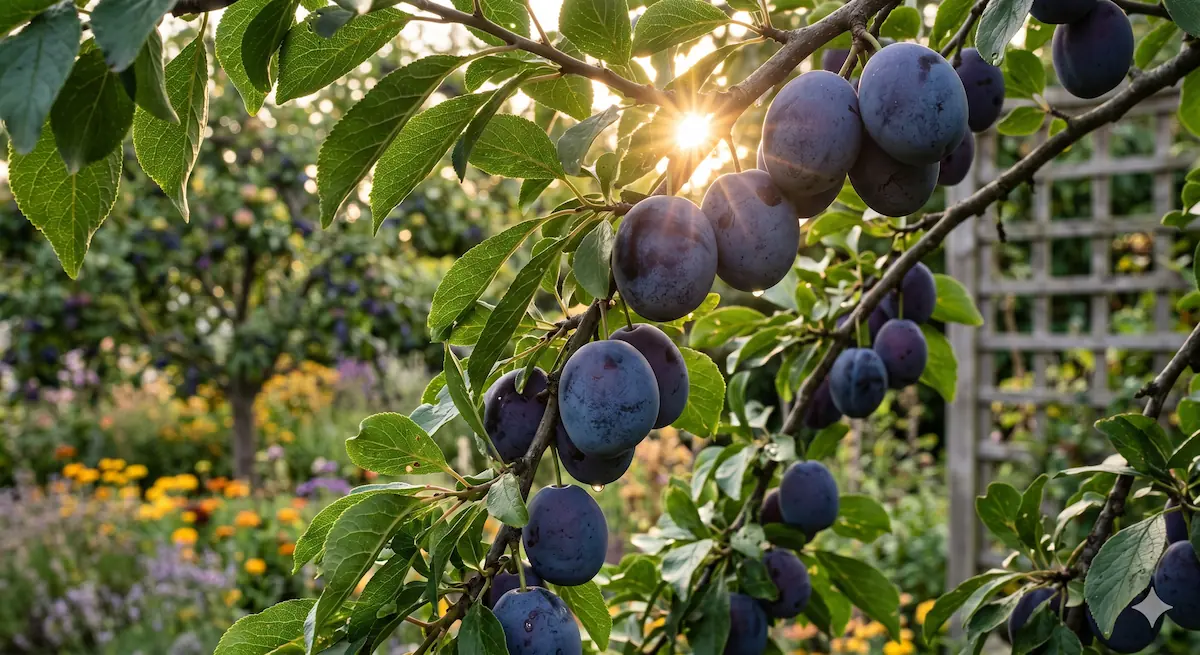
Plum Trees: Site Selection and Compatibility for a Bountiful Harvest
Secrets to growing plums: from choosing a sunny spot to compatibility with other trees. Why it's important to consider soil type and avoid proximity to walnuts.
Read more →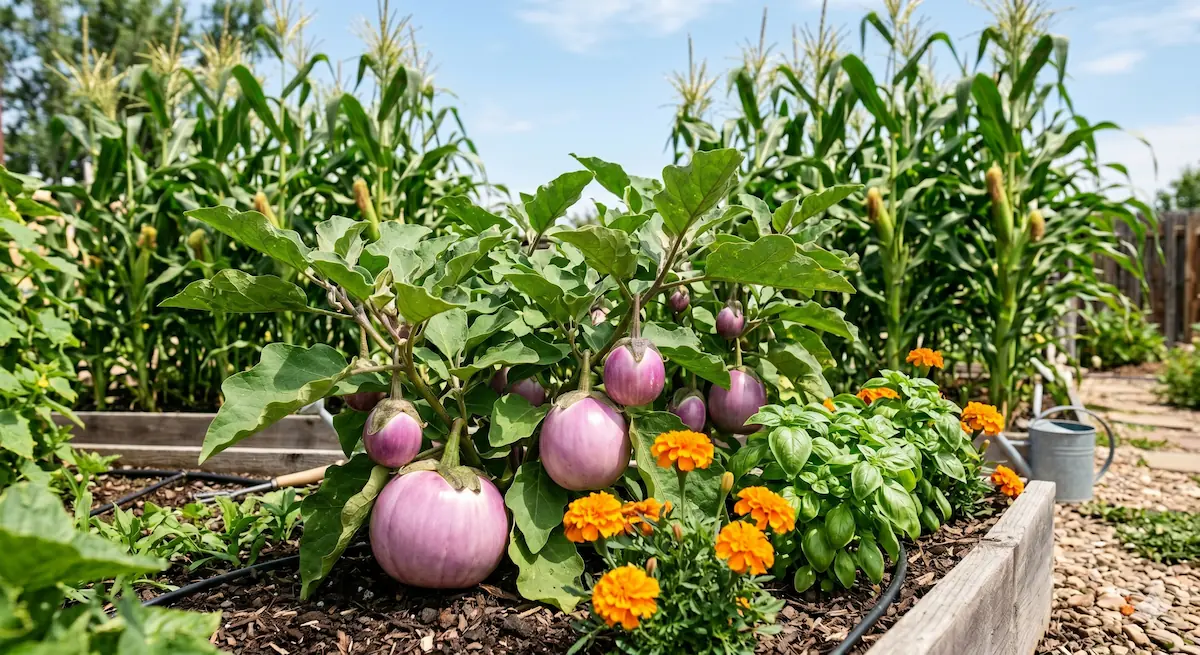
Eggplant "Helios": The Round Beauty with a Mushroom Flavor
"Helios" is not just an eggplant, but a delicacy in your garden. Learn why it needs special soil and how to protect it from its main enemy — the Colorado beetle.
Read more →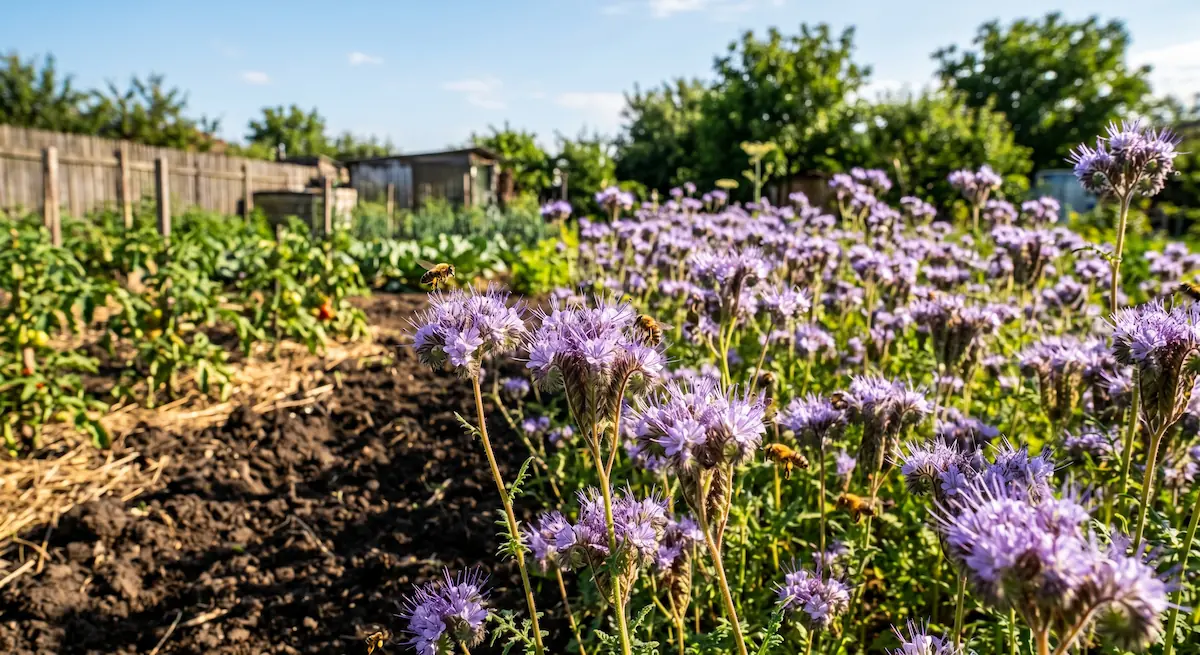
Phacelia as Green Manure: Best Summer Soil Restoration Guide
Got empty beds after an early harvest? Sow phacelia! A complete guide to growing the best summer green manure and pollinator magnet.
Read more →