
Plum Trees: Site Selection and Compatibility for a Bountiful Harvest
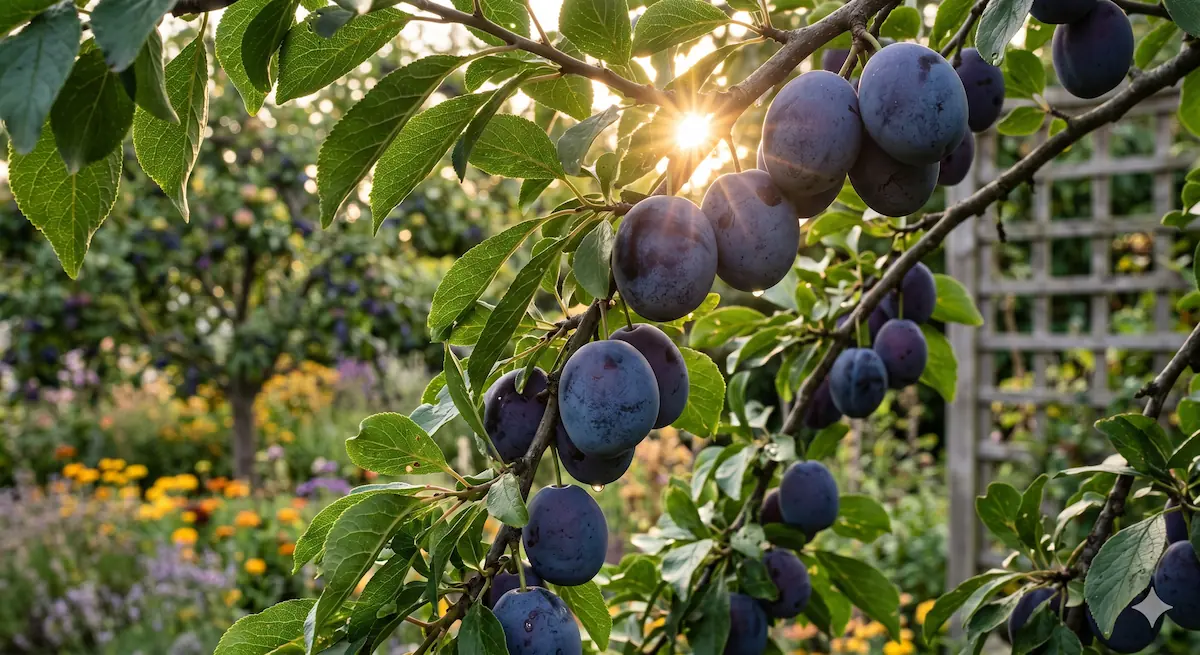
Secrets to growing plums: from choosing a sunny spot to compatibility with other trees. Why it's important to consider soil type and avoid proximity to walnuts.
The plum is one of the most rewarding stone fruit crops. It can bear fruit for decades if its "home" is chosen correctly from the start. Unlike berry bushes, a tree cannot be transplanted without significant stress, so planning is the first step toward a sweet harvest.
Sunlight and Heat
Plums need plenty of light to develop sugars in their fruit. In the shade, the tree often gets sick, and the fruit becomes sour and small. In our planner, the plum is set as a sun-loving plant. If you place it too close to a high wall or another large tree, the system will warn you of a lighting conflict.
Ideal Soil
Plums perform best on fertile Loams (Type 1). They love moisture but cannot tolerate stagnant water near the roots. If your soil is too heavy, the roots may rot. Check your ground using our guide before planting to ensure your plum tree stays healthy.
Neighbors: Friends and Danger Zones
The plum is quite particular about its neighbors:
- Good Neighbors: Plums get along well with raspberries and other stone fruit trees.
- Toxic Zones: It is strictly not recommended to plant plums within the range of a Walnut tree. Plums are extremely sensitive to juglone—the toxin released by walnuts. In our Planner, this danger zone is highlighted in red to protect your saplings.
- Conflicts: Avoid planting near pear trees—these trees often compete for the same resources, which exhausts both plants.
AgroPlanner Tip: Consider the size of the adult tree. Although a sapling seems small, in 5-7 years, its crown will create significant shade. Use our tool to see which vegetable beds will end up in the shade in a few years and plan your sun-loving crops at a safe distance.
AgroPlanner App
Realize your dream garden: check plant compatibility, sun/shade needs, and save your plan easily.

Disclaimer
Important! All information in this blog is for recommendation purposes only. We are developers and enthusiasts, not certified agronomists. Results may vary based on your region, soil type, and weather. We are not responsible for potential errors or crop failures. Please verify critical advice independently!
Found this helpful? Share with friends!
Read more
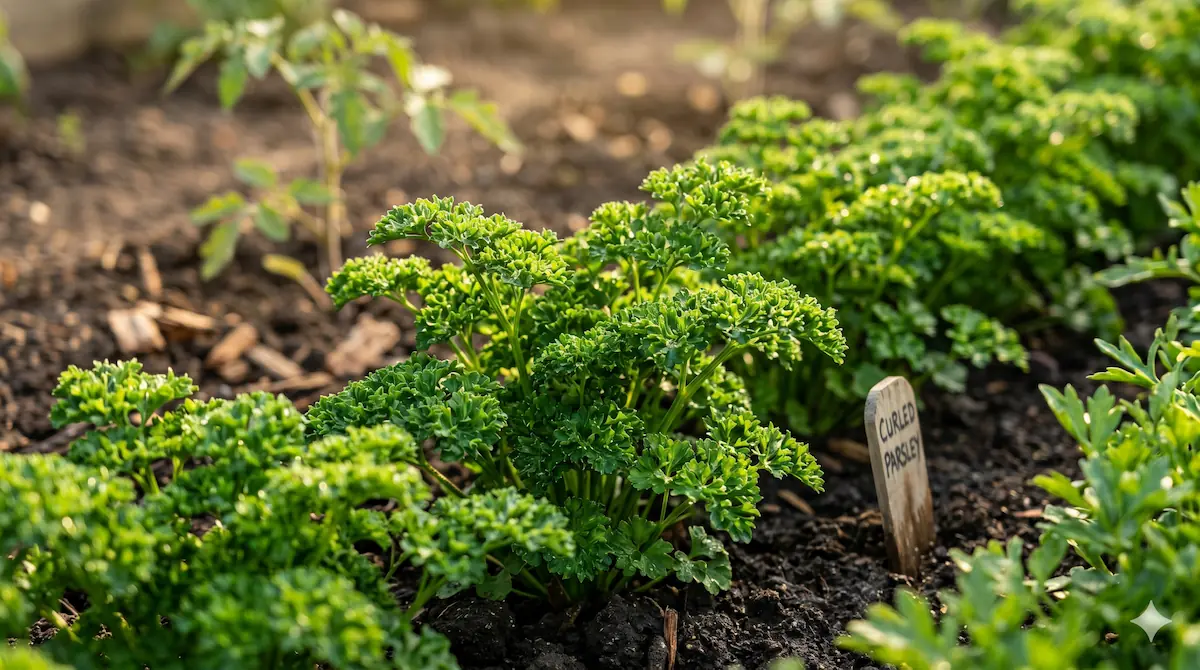
Parsley in the Garden: How to Speed Up Germination
Why parsley seeds take so long to sprout and how to accelerate the process. Tips for growing lush green parsley and caring for it from AgroPlanner.
Read more →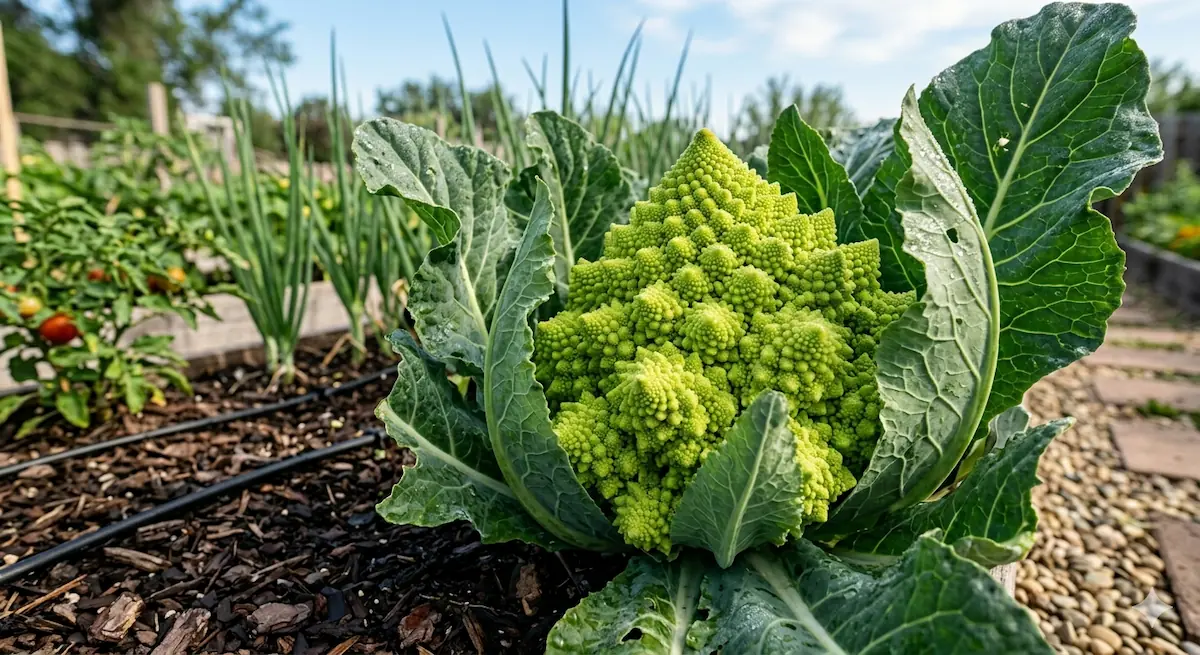
Romanesco Broccoli: Mathematical Perfection in Your Garden
Romanesco is a cauliflower-broccoli hybrid with a fractal shape. Learn how to grow perfect cone-shaped heads, why it needs "heavy feeding," and how to protect it from heat.
Read more →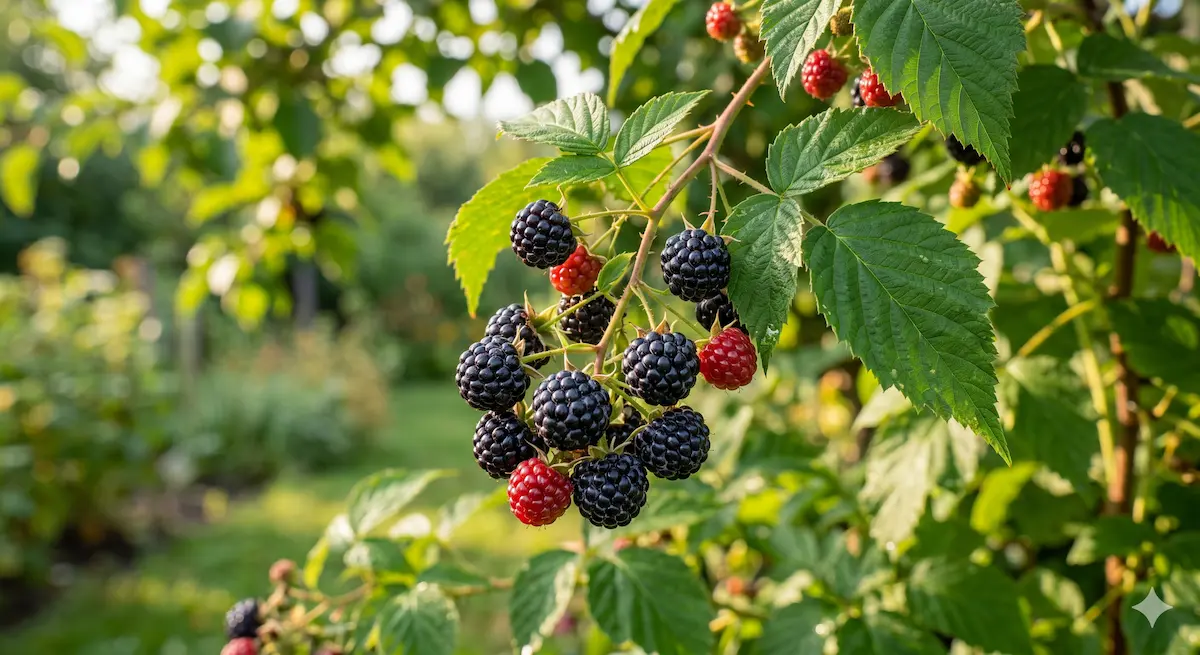
Black Raspberry "Cumberland": Blackberry or Raspberry?
"Cumberland" is a black raspberry with an incredible aroma. Learn which soil ensures fruit sweetness, why it fears potatoes, and how to properly care for this luxurious vine.
Read more →