
Daikon: The Juicy Giant from the East
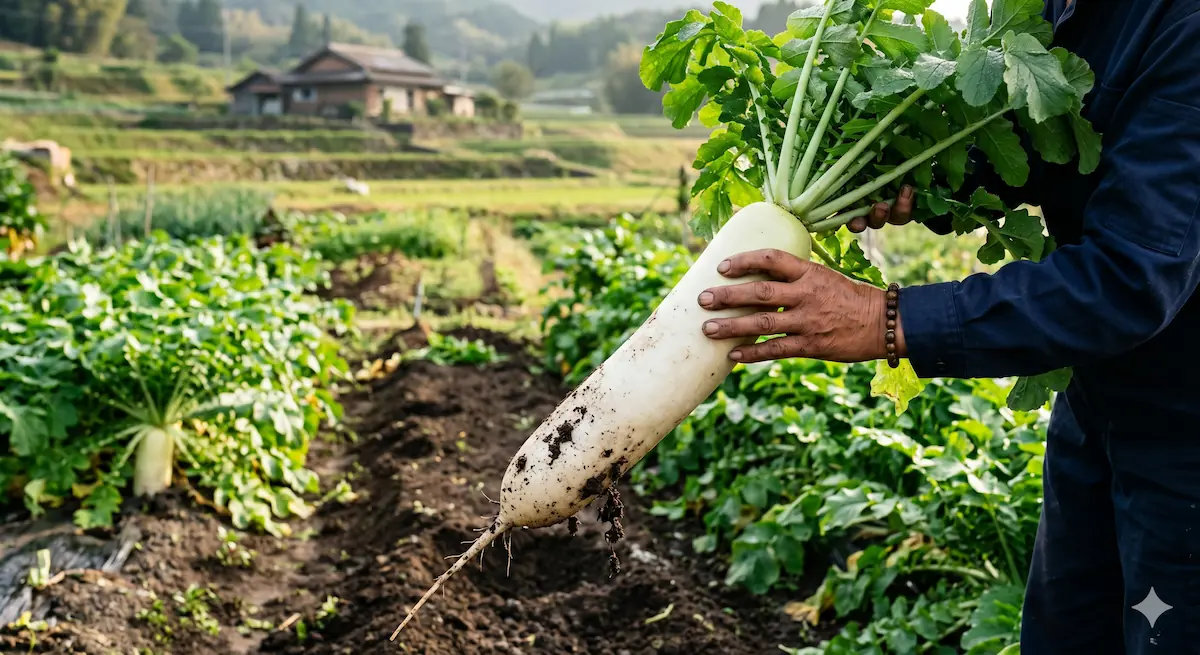
Daikon is a source of fiber and mild flavor. Learn why it needs deep soil, how to avoid bolting, and why it's the perfect choice for a healthy diet.
Daikon (Japanese radish) is a true giant among root vegetables. Some varieties can reach up to 60 cm in length! Unlike black radish, daikon contains no mustard oils, so its flavor is very mild and juicy. It's the perfect vegetable for those watching their weight and digestive health.
Soil: Where Does Daikon Find Space to Grow?
Since the daikon root is very long, deep and light soil is vital for its success.
- Best Choice: Light Sandy soils (Type 2) or very loose Loamy soils (Type 1).
- Soil Check: Perform the sausage test. If the soil crumbles and holds no shape (Type 2), it's ideal: the daikon can grow deep without obstacles, remaining straight.
Best Companions (Good)
- Onions: Help repel flea beetles.
- Lettuce: Does not compete for soil depth.
- Nasturtium: Acts as a decorative and functional pest deterrent. See our nasturtium trap crop guide.
Main Enemies (Bad)
- Walnut Trees: Traditional danger. In the walnut's toxic zone, daikon grows crooked and tough. Check the walnut tree toxic radius for safe planning.
- Stony Soil: Any obstacle in the ground will cause the root to fork and twist.
- Heat: At temperatures above 25°C, daikon often stops growing and starts bolting.
AgroPlanner Tip: Daikon is best sown in the second half of summer. In our app, it occupies a 1x1 grid, but consider the soil cultivation depth! The system will suggest the optimal spot and flag the walnut toxic zone in red.
AgroPlanner App
Realize your dream garden: check plant compatibility, sun/shade needs, and save your plan easily.

Disclaimer
Important! All information in this blog is for recommendation purposes only. We are developers and enthusiasts, not certified agronomists. Results may vary based on your region, soil type, and weather. We are not responsible for potential errors or crop failures. Please verify critical advice independently!
Found this helpful? Share with friends!
Read more
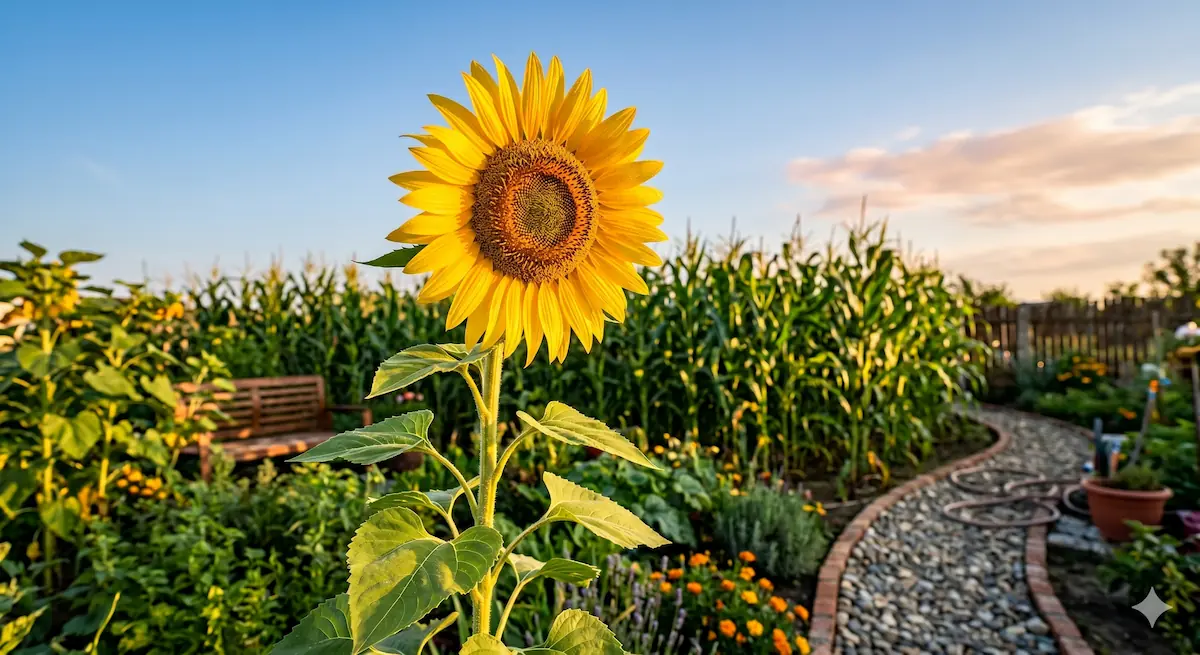
Sunflowers in the Garden: Beauty, Benefits, and Hidden Threats to Neighbors
A sunflower can be both a garden ornament and a problem for other plants. Learn how to correctly place sunflowers and why they inhibit the growth of neighboring beds.
Read more →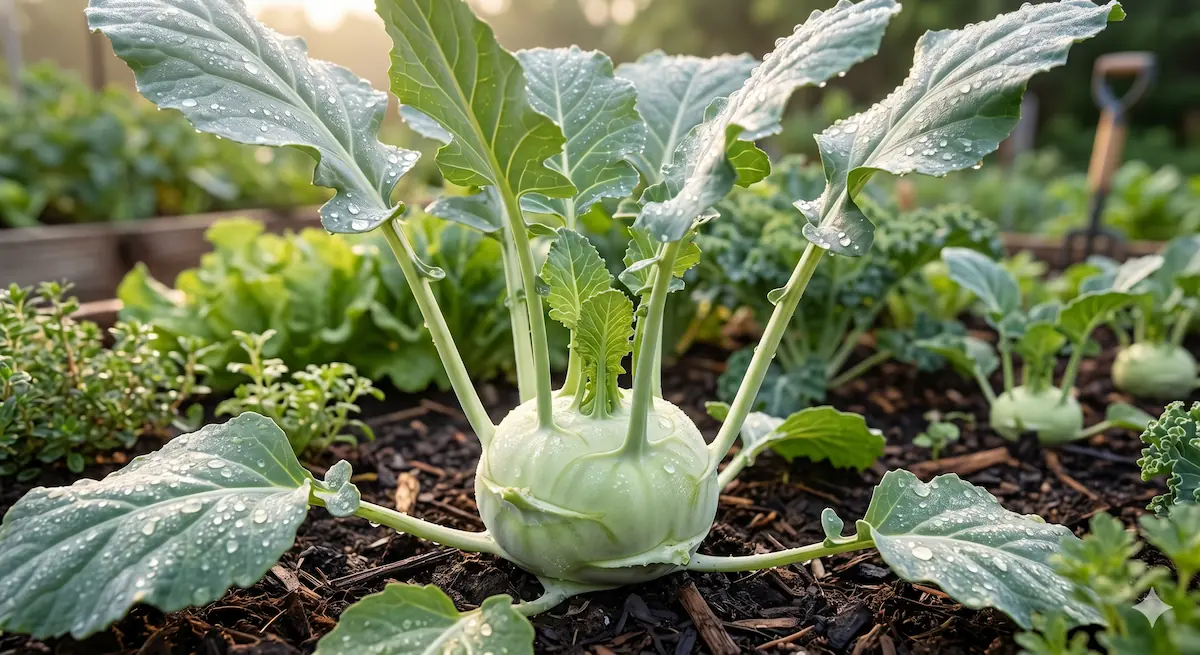
Kohlrabi: The "Lemon of the Garden" and Queen of Fast Vitamins
Kohlrabi is the perfect vegetable for those who don't like to wait. Learn why it's called the northern lemon, how to get two harvests per season, and why consistent watering is the secret to its tender taste.
Read more →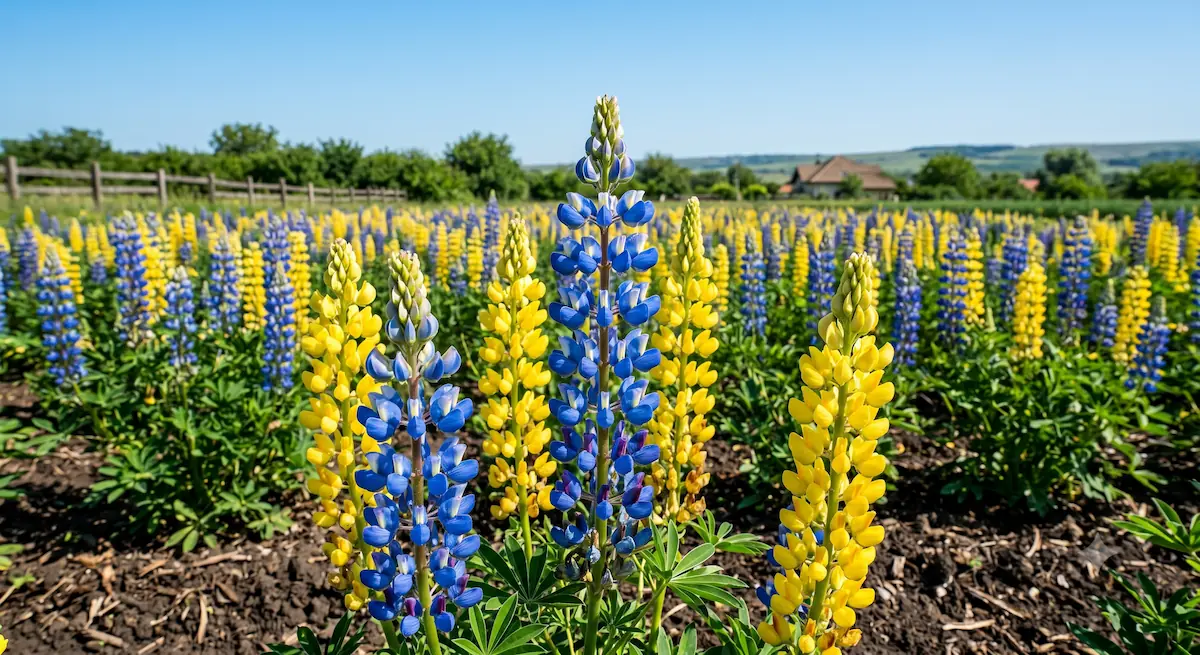
Lupine as Green Manure: How to Remediate Poor and Acidic Soil
Looking for a powerful green manure for summer sowing? Learn how lupine enriches the ground with nitrogen and loosens deep soil layers.
Read more →