
Meyer Lemon: Tropics on Your Windowsill
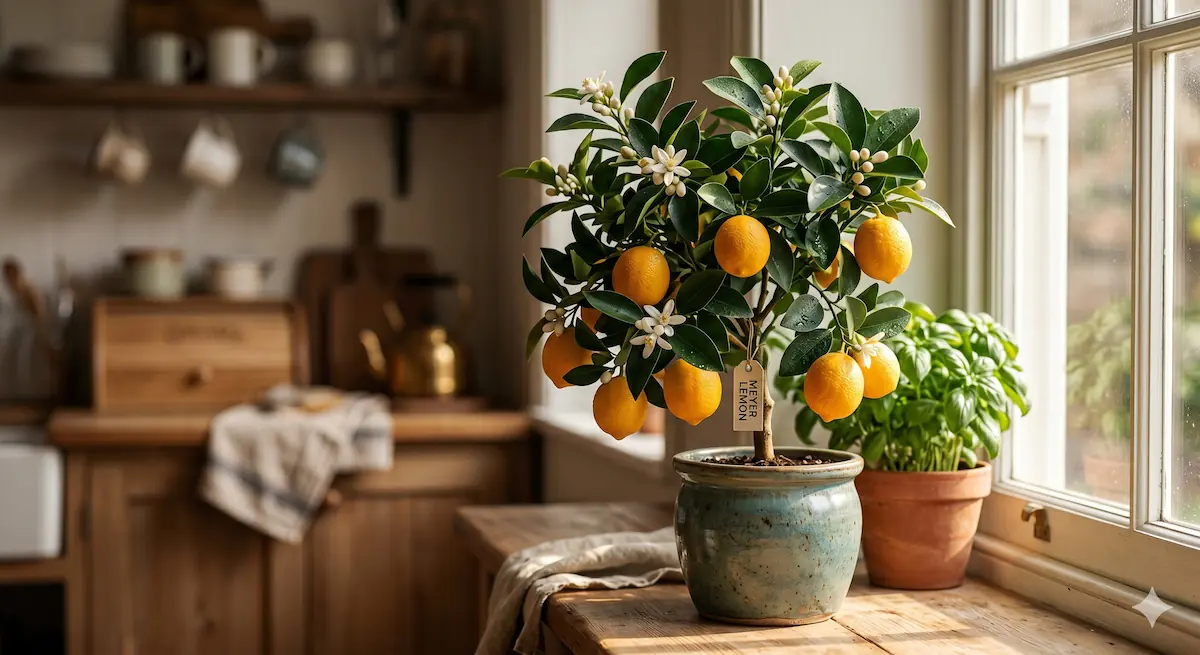
The Meyer lemon is the ultimate choice for an indoor garden. Learn about its soil needs, how to prevent leaf drop, and who makes the best companion for this fragrant tree.
The Meyer lemon is a unique hybrid of a lemon and a mandarin (or orange). It is much more compact than regular lemons, making it the king of windowsills and conservatories. The fruits have a bright yellow, almost orange hue, and their flavor lacks harsh acidity.
Soil: Where Does the Lemon's Roots "Breathe"?
Citrus plants cannot tolerate standing water. If the soil is too dense, the roots will rot within weeks.
- Best Choice: Light and loose Loamy soils (Type 1) or Sandy Loams (Type 2) mixed with organic matter.
- Soil Check: Use our sausage test. A slightly cracking ring (Type 1) is ideal for balancing nutrients and drainage.
Best Companions (Good)
- Basil and Rosemary: These herbs not only look great together but also help deter indoor pests with their scent.
- Jasmine: Shares similar light and watering requirements, creating a fragrant oasis alongside the lemon tree.
- Marigolds: Protect the roots from soil-borne nematodes if grown in a greenhouse.
Main Enemies (Bad)
- Walnut Trees: If growing your lemon in a pot outdoors, keep it away from walnuts. The substance juglone is lethal to citrus.
- Drafts: The primary "enemy." Meyer lemons react to cold drafts by dropping all their leaves and fruits instantly.
AgroPlanner Tip: Meyer lemons are very light-sensitive. In our app, check the sun exposure status—the tree needs at least 10-12 hours of light. The system will flag proximity to walnut toxic zones if you place your lemon tree in the garden for the summer!
AgroPlanner App
Realize your dream garden: check plant compatibility, sun/shade needs, and save your plan easily.

Disclaimer
Important! All information in this blog is for recommendation purposes only. We are developers and enthusiasts, not certified agronomists. Results may vary based on your region, soil type, and weather. We are not responsible for potential errors or crop failures. Please verify critical advice independently!
Found this helpful? Share with friends!
Read more
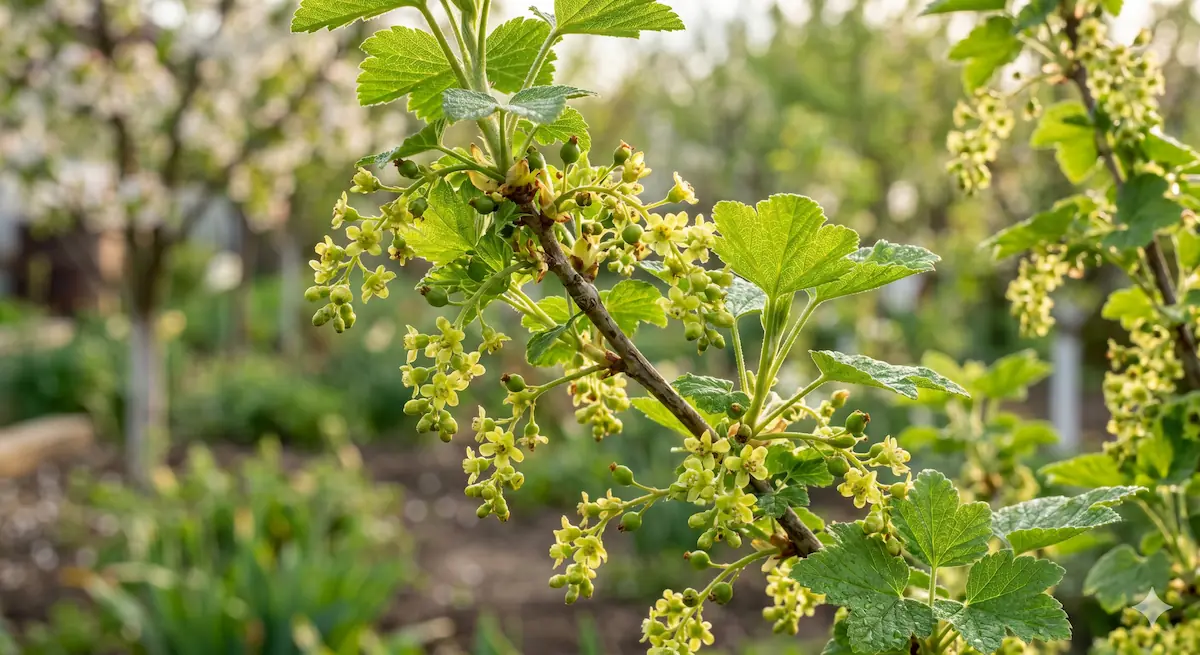
Currants in May: How to Ensure a Rich Berry Harvest
Spring care for black and red currants. AgroPlanner tips on fertilizing, pest protection, and correct watering during blooming.
Read more →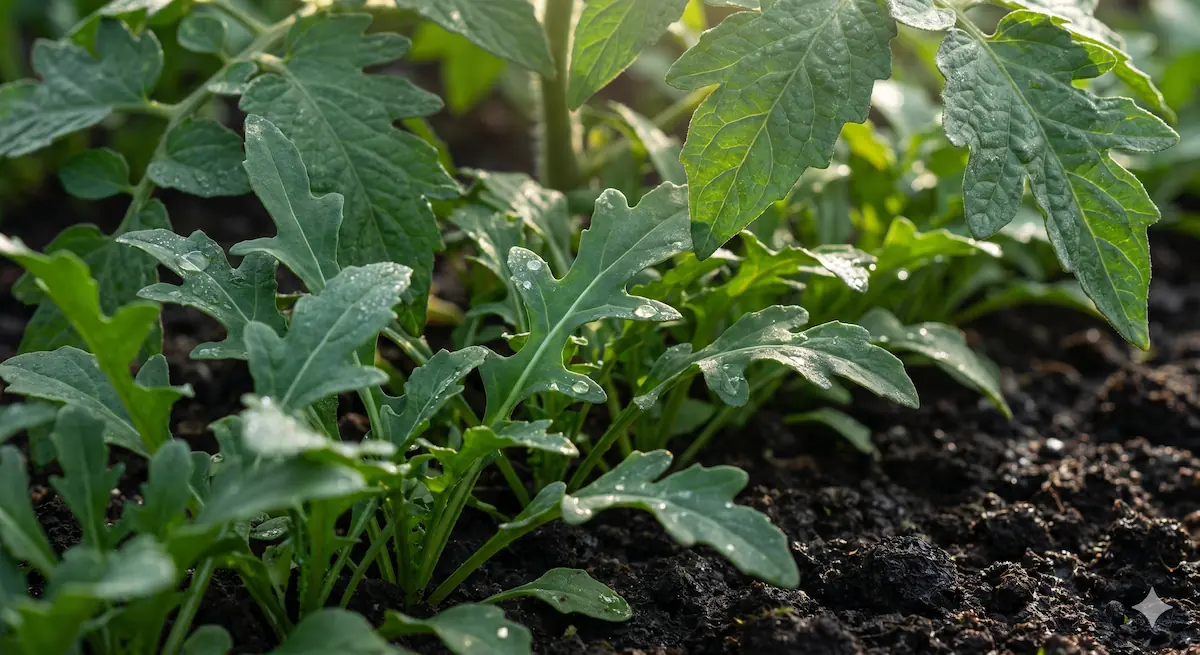
Arugula: How to Grow Vitamin Greens in Just 30 Days
Dreaming of fresh arugula from your own garden? Discover secrets of fast growth, why it’s best planted in the shade, and how our planner helps avoid common pests.
Read more →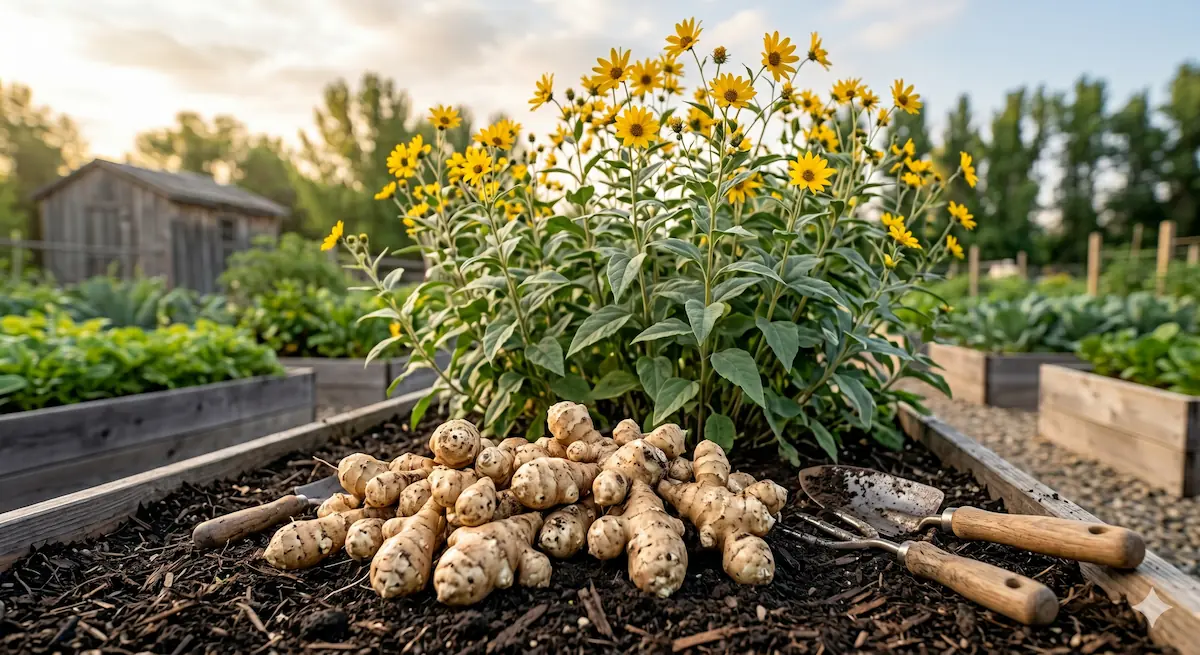
Jerusalem Artichoke: The "Smart" Potato That Defies Frost
Jerusalem Artichoke is a sunflower relative with edible tubers. Learn why you don't need to dig it up for winter, how it cleans the soil, and why it's perfect for lazy gardeners.
Read more →