
Pomegranate: A Symbol of Abundance and Longevity in Your Garden
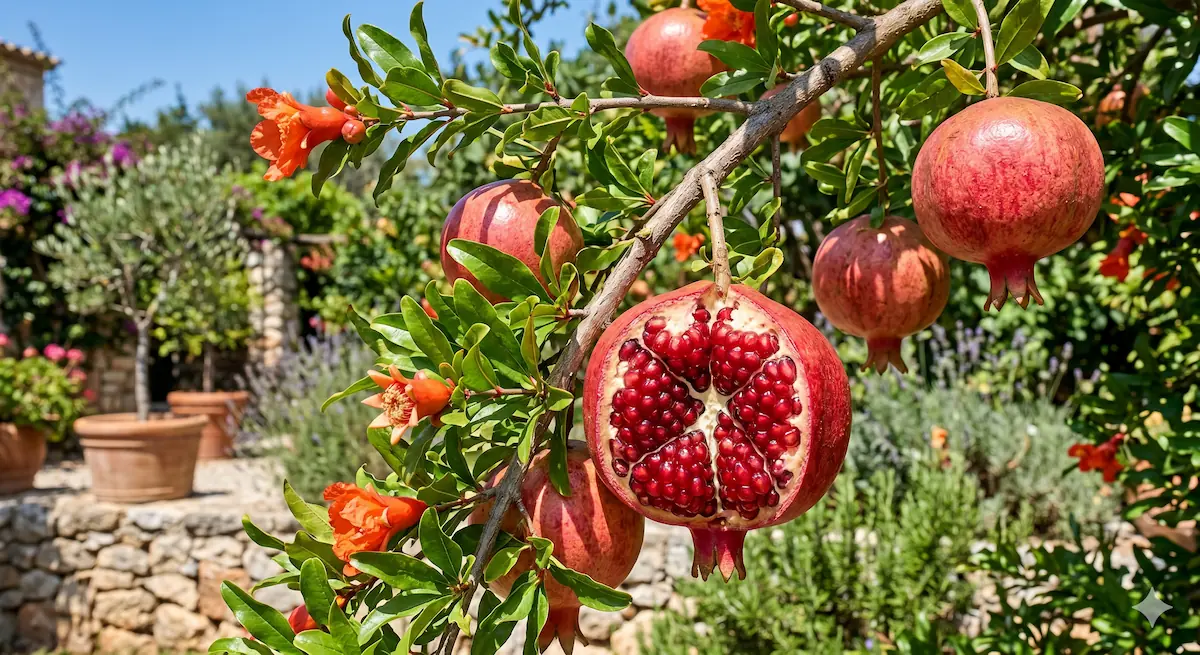
Pomegranate offers stunning blossoms and nutritious fruits. Learn how to choose a sunny spot, why it loves rocky soil, and how to prune the bush for a maximum harvest.
The Pomegranate (Punica granatum) is one of humanity's oldest cultivated crops. It is prized for its fiery red decorative flowers and "treasure-chest" fruits filled with antioxidants. Pomegranates are extremely drought-tolerant and can handle high summer temperatures, making them ideal for southern regions or for growing in tubs that can be moved indoors for winter.
Soil: Where Does the Pomegranate Feel at Home?
In nature, pomegranates often grow on rocky slopes. They dislike "rich" heavy soil, preferring lightness and excellent drainage instead.
- Best Choice: Poor or fertile Sandy soils (Type 2) or light Loamy soils (Type 1) with a neutral pH.
- Soil Check: Perform the sausage test. If the soil crumbles and won't hold its shape (Type 2), it's perfect: water won't stagnate around the root collar, which is critical for pomegranates.
Best Companions (Good)
- Lavender and Rosemary: Share similar requirements for sun and irrigation, creating a beautiful lower tier.
- Fig: We'll add this soon, and they make a perfect pair in a "warm" garden sector.
- Almond: Share a common homeland and similar soil aeration needs.
Main Enemies (Bad)
- Walnut Trees: The walnut's toxic zone suppresses the pomegranate, slowing its growth and fruit development.
- Heavy Clay (Type 3): In clay, pomegranate roots suffocate, leading to the drop of flowers and fruit buds.
- Excessive Nitrogen: If you over-fertilize with manure, you'll get lush foliage but no fruit.
AgroPlanner Tip: Pomegranates are sun-loving giants (even dwarf varieties). In our app, it occupies a 3x3 or 4x4 grid. The system will verify if the plant receives enough sunlight hours and will flag the walnut toxic zone or shading from building walls in red. Remember: the more sun the pomegranate gets in August, the sweeter its seeds will be!
AgroPlanner App
Realize your dream garden: check plant compatibility, sun/shade needs, and save your plan easily.

Disclaimer
Important! All information in this blog is for recommendation purposes only. We are developers and enthusiasts, not certified agronomists. Results may vary based on your region, soil type, and weather. We are not responsible for potential errors or crop failures. Please verify critical advice independently!
Found this helpful? Share with friends!
Read more
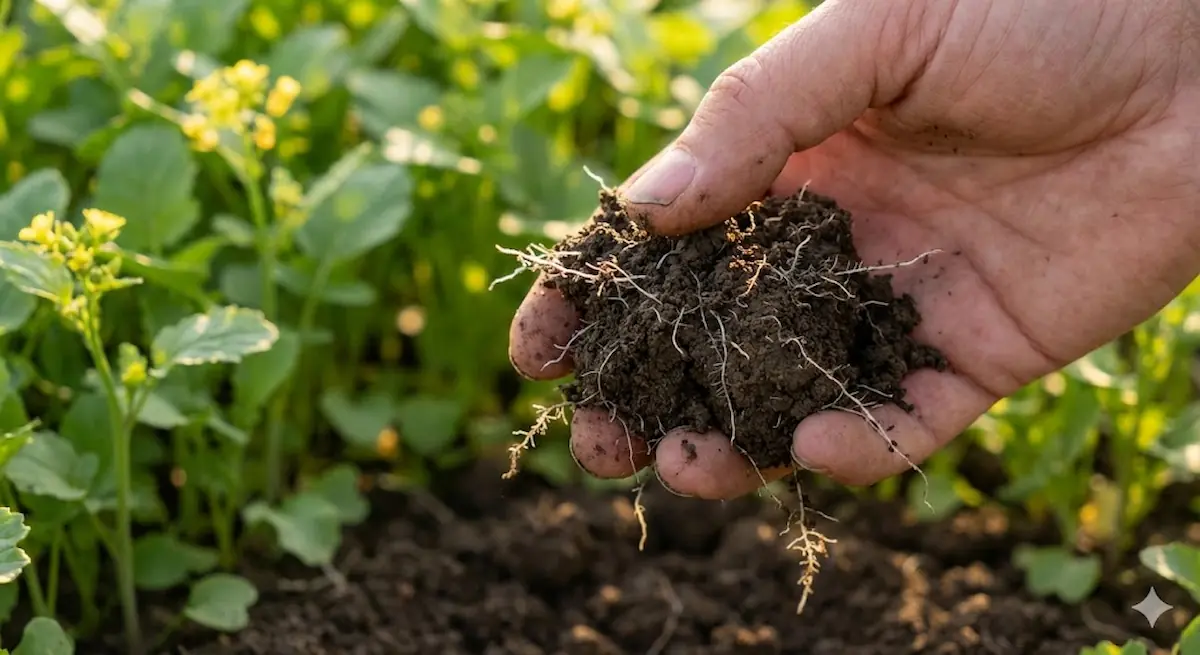
Siderates in April: What to Plant to Make Your Soil Like Fluff
Why wait for autumn? Learn which cover crops (green manure) you can plant right now to improve soil structure, get rid of weeds, and secure a bountiful harvest.
Read more →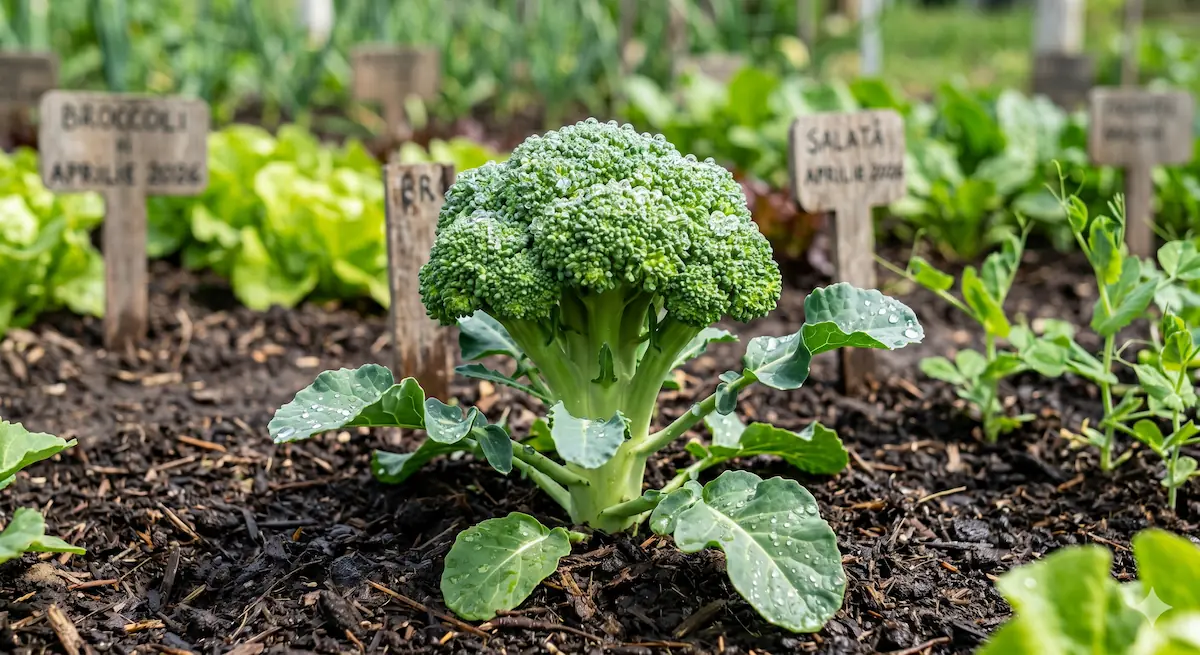
Broccoli: Secrets of Growing the Healthy Superfood in Your Garden
How to grow the perfect broccoli: moisture requirements, choosing the right soil type, and why this superfood cannot stand being near strawberries.
Read more →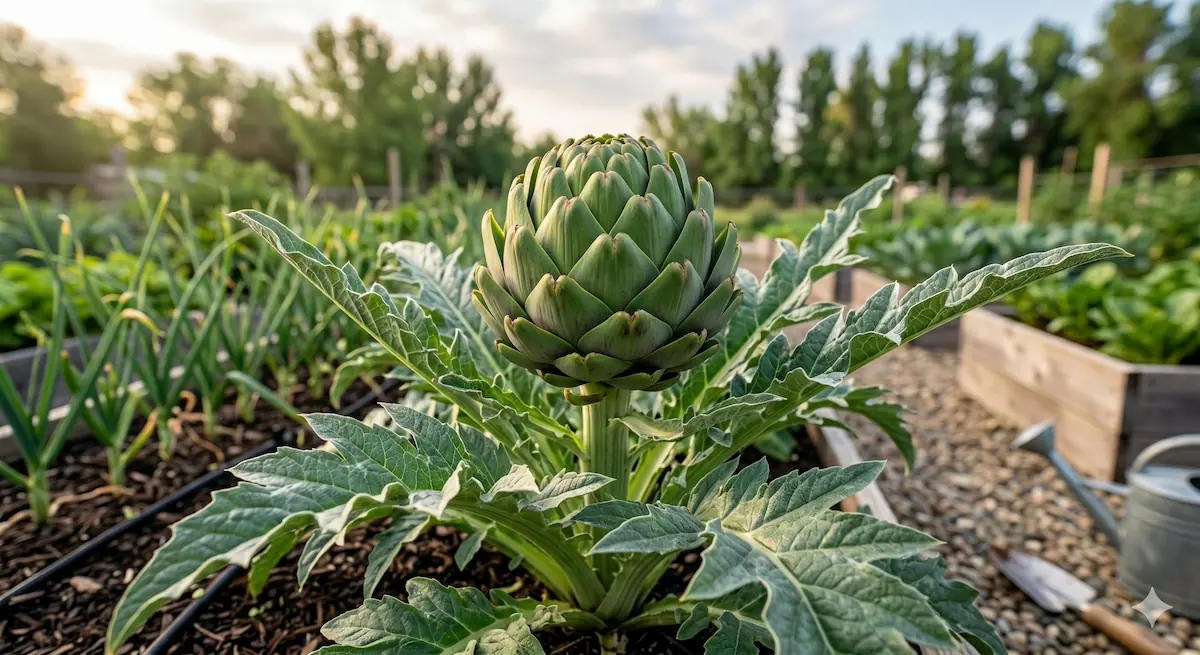
Artichoke: A Gourmet Flower on Your Plate
The artichoke is a giant ornamental plant whose flower buds are a world-class delicacy. Learn how to get it to bloom in its first year, what soil it needs, and why it's a garden masterpiece.
Read more →