
"Yellow Dragon" Watermelon: A Sunny Surprise in Your Garden Patch
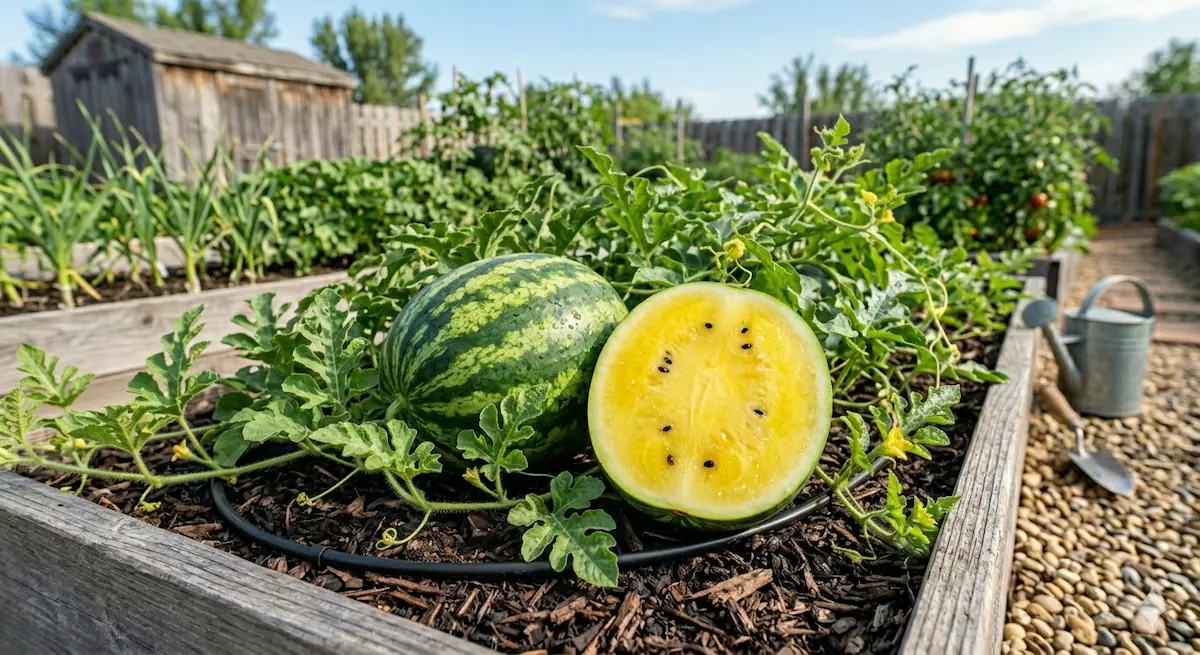
Dreaming of a unique harvest? Learn how to grow the "Yellow Dragon" watermelon, why it needs the warmest sector of your garden, and which plants provide natural pest protection.
"Yellow Dragon" watermelon is a variety for those who love surprises. Its main asset is its vibrant lemon-yellow flesh, which contains fewer seeds than red varieties and has a delicate honey aroma. It is incredibly refreshing in the heat and looks fantastic in fruit salads.
Soil: Where Does the "Yellow Dragon" Gather Sugar?
Watermelons are children of the sun and sand. They need light, loose soil that warms up instantly.
- Best Choice: Fertile Sandy soils (Type 2) or light Loamy soils (Type 1).
- Soil Check: Perform the sausage test. If the soil crumbles in your hands and holds no shape (Type 2), it's the perfect air-water balance for the watermelon's root system. On heavy clay, the fruit will be tasteless.
Best Companions (Good)
- Corn: An ideal partner. It provides a living windbreak and lightly shades the soil, retaining moisture at the roots.
- Marigolds: These flowers are a natural insecticide. Their scent repels many garden pests.
- Strawberries: Watermelons thrive near berry patches. Check our Zenga Zengana strawberry guide for planning.
Main Enemies (Bad)
- Cucumbers: Do not plant them nearby! They share common diseases (anthracnose) that can decimate both crops. Read our tips on "Kurazh" cucumbers to find them a better spot.
- Walnut Trees: The traditional toxic zone. Watermelons are highly sensitive to juglone and will likely fail to fruit.
- Potatoes: Can suppress watermelon growth and compete for nutrients.
AgroPlanner Tip: "Yellow Dragon" needs significant space for its rambling vines. In our app, it occupies a 3x3 or even 4x4 grid. The system will alert you to **walnut toxic zones** and cucumber conflicts. Remember the watering schedule: regular until fruit set, then minimal to ensure sugar accumulation.
AgroPlanner App
Realize your dream garden: check plant compatibility, sun/shade needs, and save your plan easily.

Disclaimer
Important! All information in this blog is for recommendation purposes only. We are developers and enthusiasts, not certified agronomists. Results may vary based on your region, soil type, and weather. We are not responsible for potential errors or crop failures. Please verify critical advice independently!
Found this helpful? Share with friends!
Read more
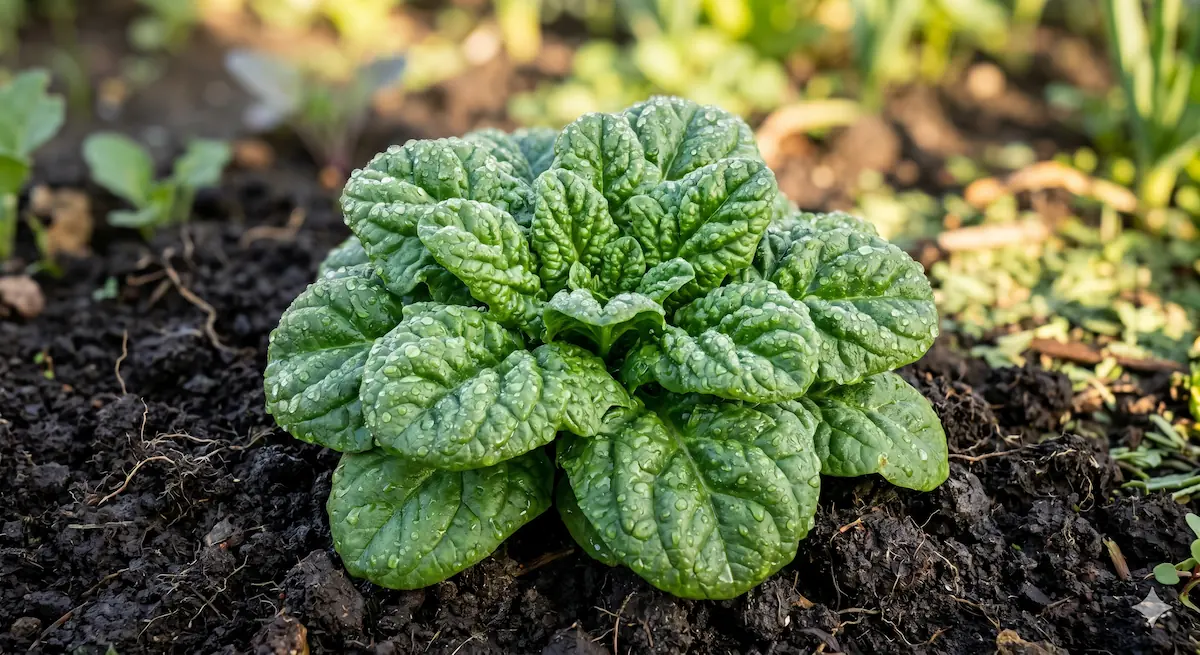
Spinach in the Garden: How to Grow Juicy Leaves and Prevent Bolting
Spinach growing secrets from AgroPlanner. Learn why it loves the cold, how to water it correctly, and how to stop the plant from flowering too early.
Read more →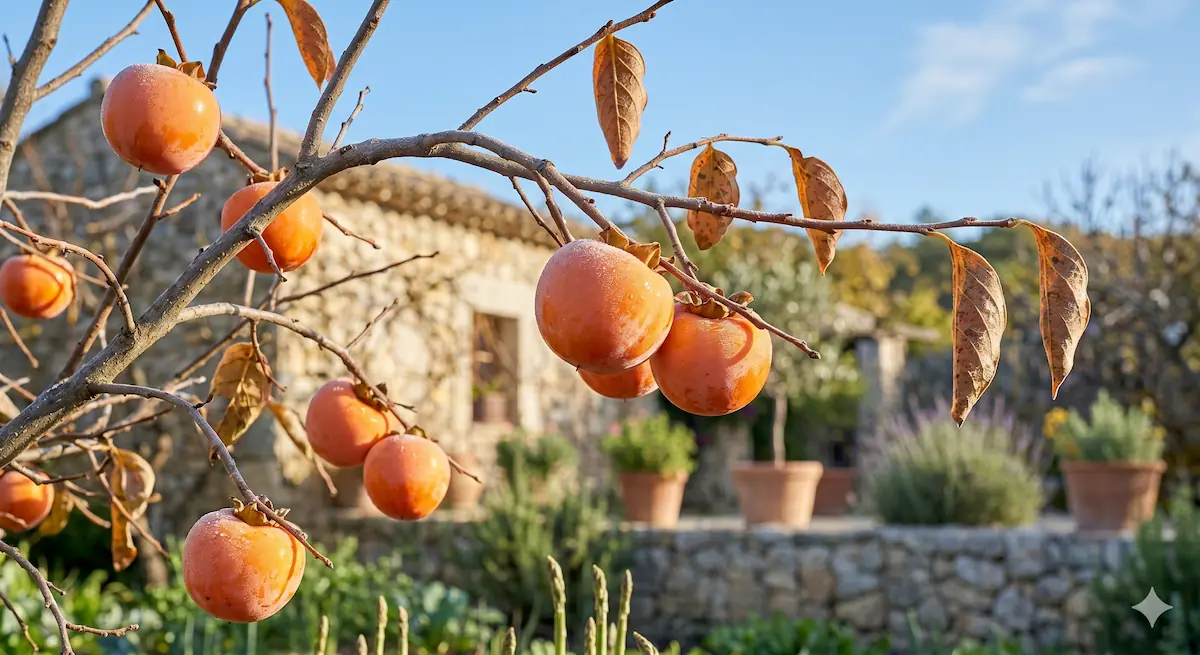
Persimmon: The Sweet "Sun" of Late Autumn
Persimmons are becoming increasingly popular in home gardens. Learn how to choose a frost-resistant variety, why it can't stand dry soil, and how to plan its spot for a sweet harvest.
Read more →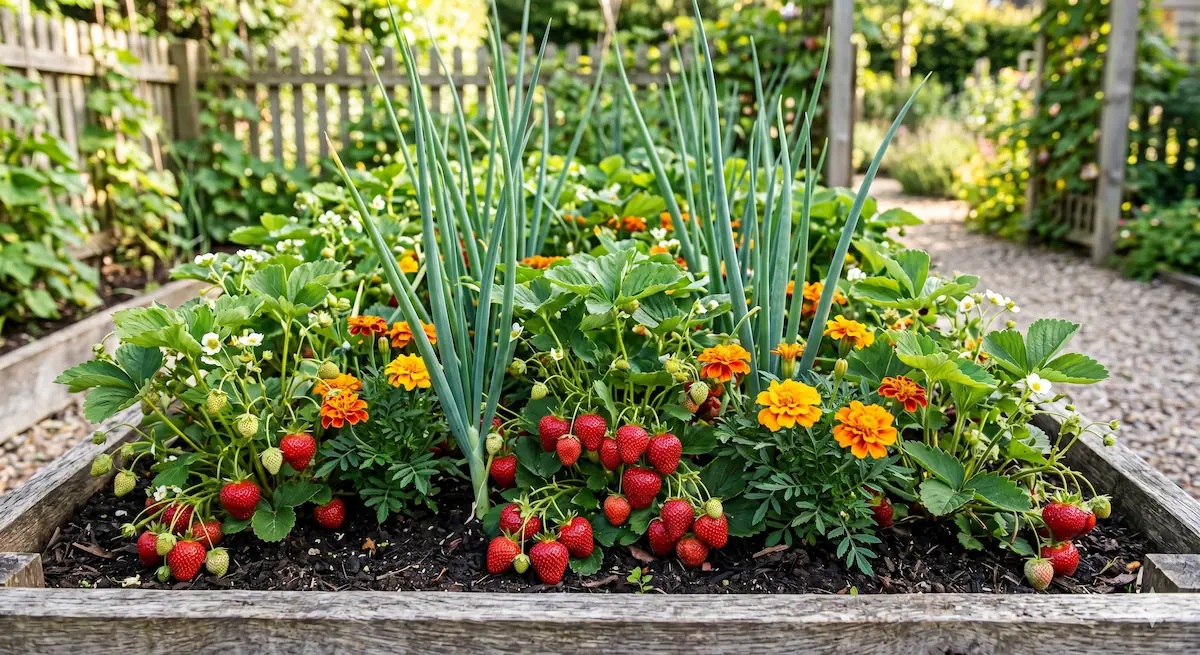
Strawberry Companion Planting: The Ultimate Guide for a Bumper Harvest
The right neighbors can double your strawberry harvest and protect it from pests without chemicals. We've compiled the most comprehensive list of plant friends and foes for your berry patch.
Read more →