
Smart Watering: Why Drip Irrigation Beats the Watering Can
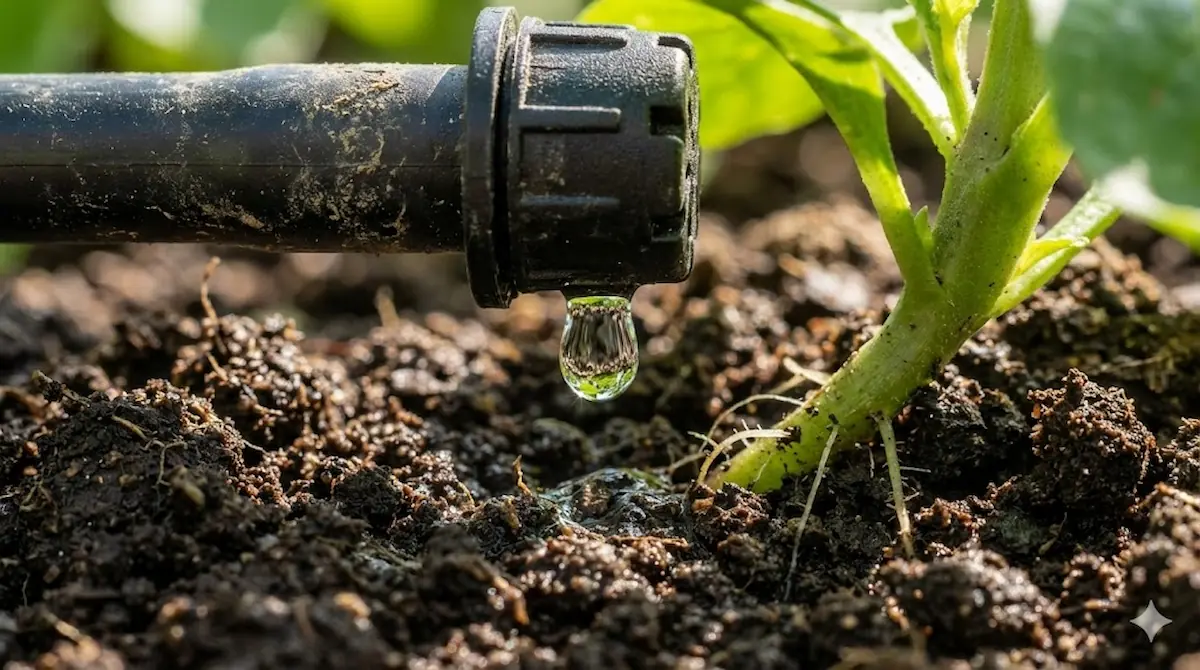
Spraying your plants' leaves with a hose? Discover why this ruins your tomatoes and how drip irrigation can save your time and harvest.
Most gardeners are used to watering their garden with a hose or a standard watering can, generously soaking the plants from above, right over the leaves. It seems like it mimics rain and should be beneficial. But modern agronomy says: this is one of the biggest mistakes!
Why is Overhead Watering Bad?
When you water plants (especially tomatoes, cucumbers, and squash) from above, water sits on the leaves. Combined with summer heat, this creates the perfect environment for fungal diseases like late blight or powdery mildew. Moreover, water droplets in the sun act like tiny magnifying glasses, causing leaf burns.
The Benefits of Drip Irrigation:
- Water Hits the Target: Drip tape delivers moisture slowly and directly to the plant's roots. Not a single drop is wasted watering the pathways where weeds grow.
- Saves up to 70% Water: Water doesn't evaporate into the air; it goes deep into the soil.
- Automation: By connecting the system to a simple, inexpensive timer, you can forget about watering entirely. The garden waters itself, even when you are on vacation.
Installing a basic drip irrigation system for a small garden takes only 1-2 hours and snaps together like a children's building kit. Invest in this method once, and you'll never go back to carrying heavy buckets of water!
AgroPlanner App
Realize your dream garden: check plant compatibility, sun/shade needs, and save your plan easily.

Disclaimer
Important! All information in this blog is for recommendation purposes only. We are developers and enthusiasts, not certified agronomists. Results may vary based on your region, soil type, and weather. We are not responsible for potential errors or crop failures. Please verify critical advice independently!
Found this helpful? Share with friends!
Read more
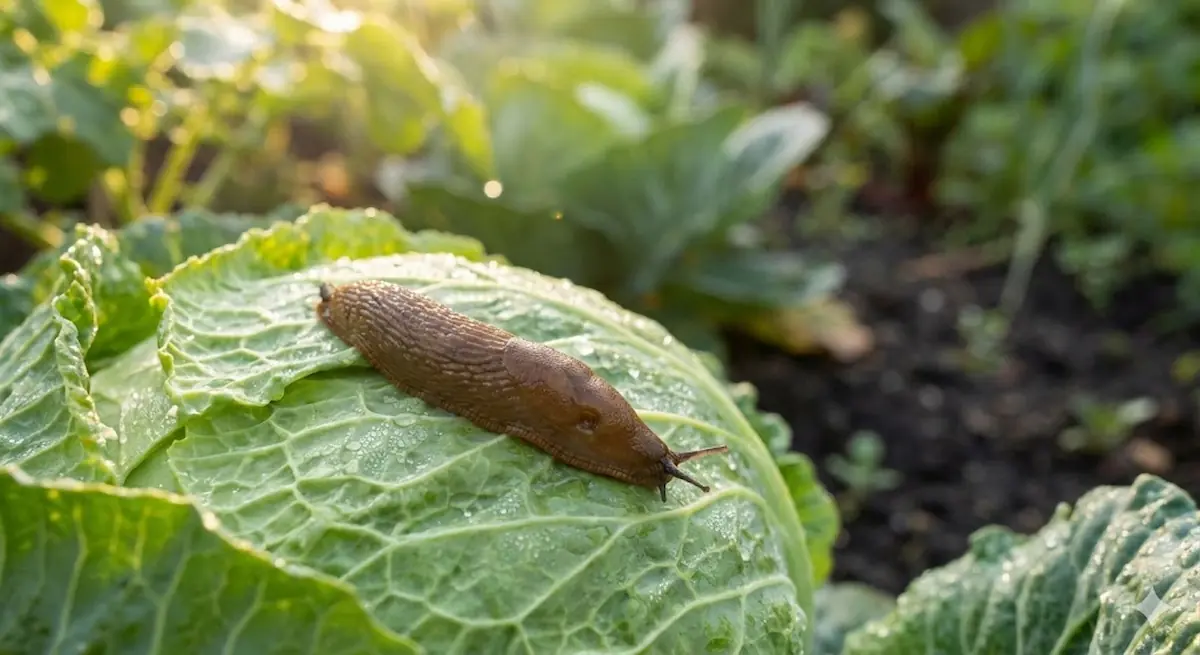
The Battle for Cabbage: How to Protect Your Harvest from Slugs and Aphids Naturally
Organic and effective methods to fight cabbage's main enemies. Learn how to save your harvest from slugs and aphids using homemade remedies and smart companion planting.
Read more →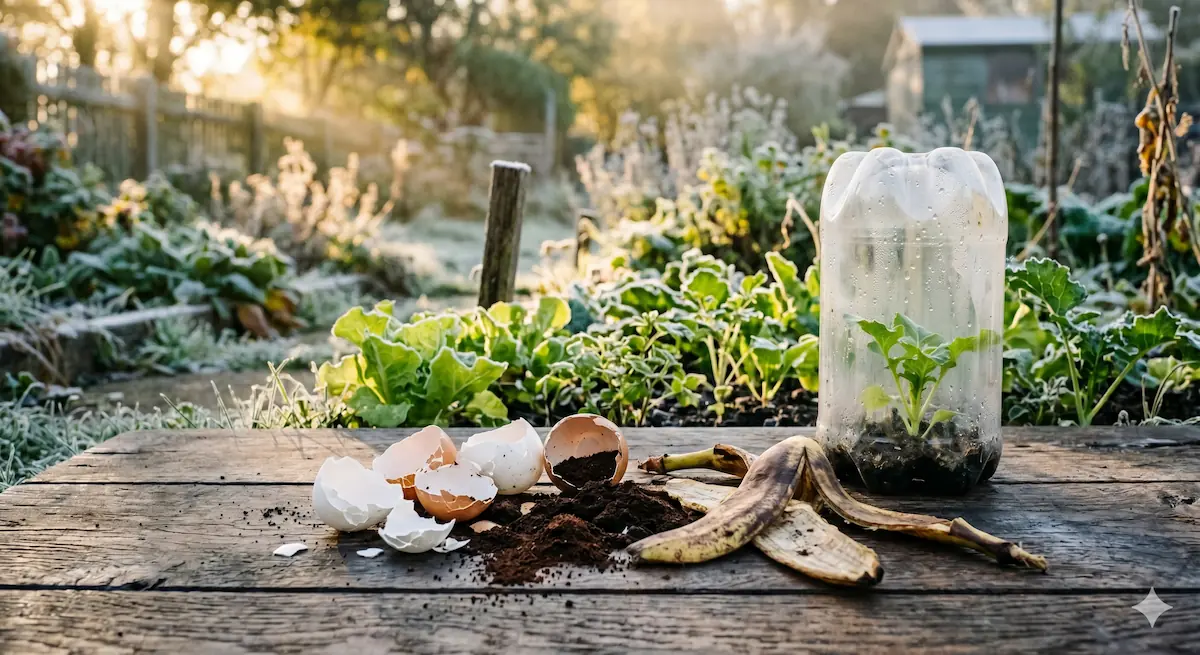
Homemade Kitchen Fertilizers: Feed Your Garden with What You Usually Throw Away
Why buy expensive chemicals? Discover how to turn coffee grounds, eggshells, and onion skins into super-fertilizers for a bountiful and organic harvest.
Read more →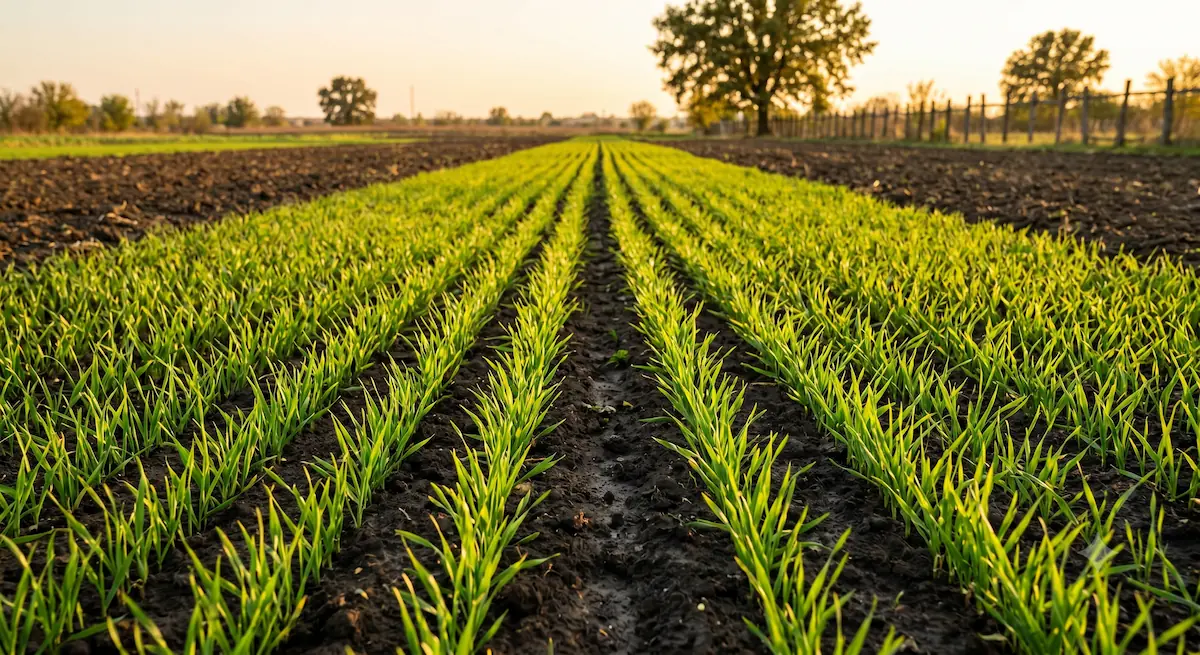
Autumn Green Manures: Which Crops to Sow Before Winter for Perfect Soil
Late summer is the ultimate window to sow winter cover crops. Breakdown of rye, oats, and vetch traits to heal and prep soil for spring.
Read more →