
Soybean: The Ultimate Soil Improver and Superfood
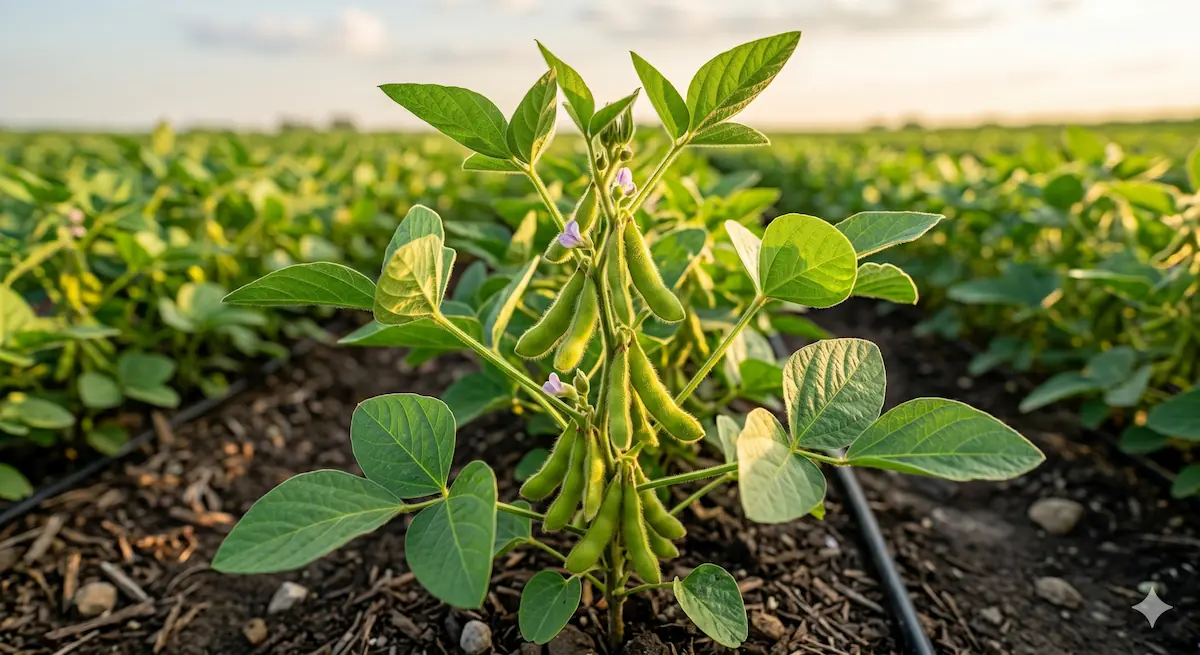
Soybean is a plant that "feeds" the earth. Learn how to plant soy, why it's ideal for crop rotation, and how to get a protein-rich harvest.
Soybean (Glycine max) is one of the world's most vital crops. For a gardener, it's valuable not only for its beans but also for its ability to fix nitrogen in the soil. This makes soy an ideal predecessor for any vegetables you plan to plant next year.
Soil: Where Does Soy Reach Its Potential?
Soy prefers fertile land that retains moisture well while allowing air to reach the roots.
- Best Choice: Fertile Loamy soils (Type 1) with neutral pH levels.
- Soil Check: Perform the sausage test. If the soil rolls into a stick that cracks when bent (Type 1), it provides the perfect air-water balance.
Best Companions (Good)
- Corn: A classic pairing. Soy supplies nitrogen to the corn, while corn provides dappled shade. Check our corn growing guide.
- Sunflowers: Share similar heat requirements and create a stable ecosystem together.
- Cucumbers: Soy can act as a living trellis for cucumber vines.
Main Enemies (Bad)
- Walnut Trees: The walnut's toxic zone (juglone) inhibits the development of nitrogen-fixing bacteria on soy roots.
- Beans and Peas: As relatives, they can share common pests and diseases.
- Weeds: In early growth stages, soy is very vulnerable to being overwhelmed by weeds.
AgroPlanner Tip: Soy is a compact plant. In our app, it occupies a 1x1 grid. The system will remind you to plant soy only when the soil warms up to 12-14°C. It’s an ideal "rest" crop for a bed after intensive tomato or cabbage cultivation.
AgroPlanner App
Realize your dream garden: check plant compatibility, sun/shade needs, and save your plan easily.

Disclaimer
Important! All information in this blog is for recommendation purposes only. We are developers and enthusiasts, not certified agronomists. Results may vary based on your region, soil type, and weather. We are not responsible for potential errors or crop failures. Please verify critical advice independently!
Found this helpful? Share with friends!
Read more
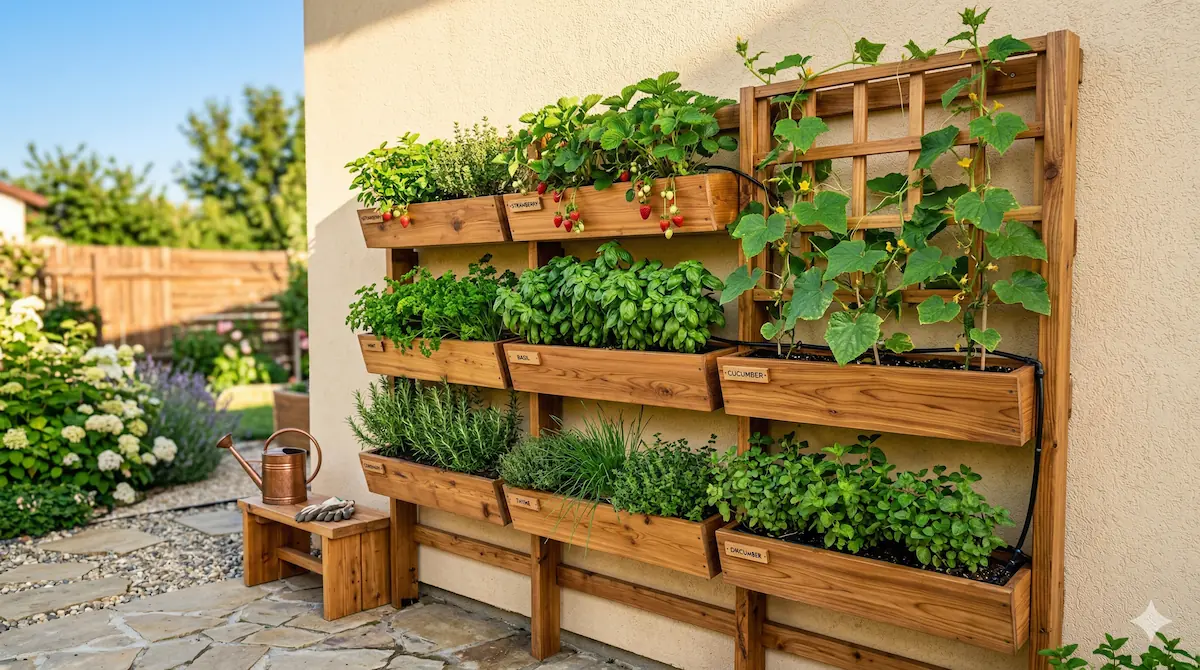
Vertical Gardening: How to Grow a Massive Harvest on Just 1 m²
Lack of space is no longer an issue. Learn how to turn walls, fences, and balconies into productive garden beds.
Read more →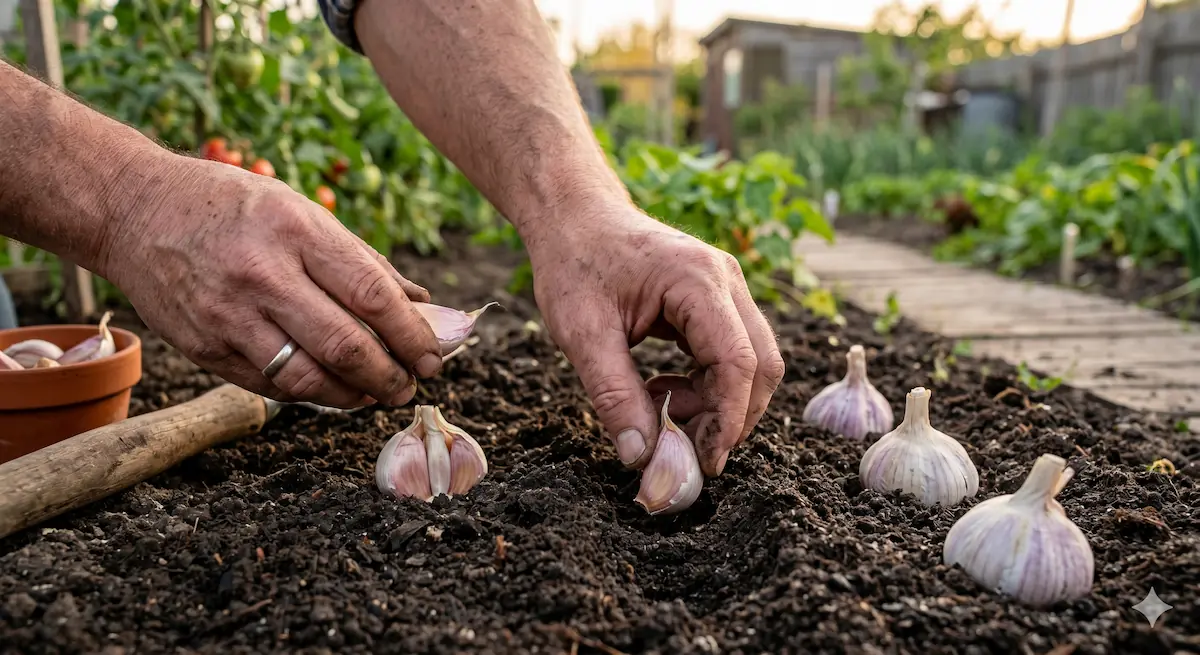
Garlic: Spring vs. Autumn Planting — What's the Difference for the Planner?
Winter or Spring garlic? Let’s find out when to plant, how to choose the best "friends" for it, and why garlic is the main protector of your garden.
Read more →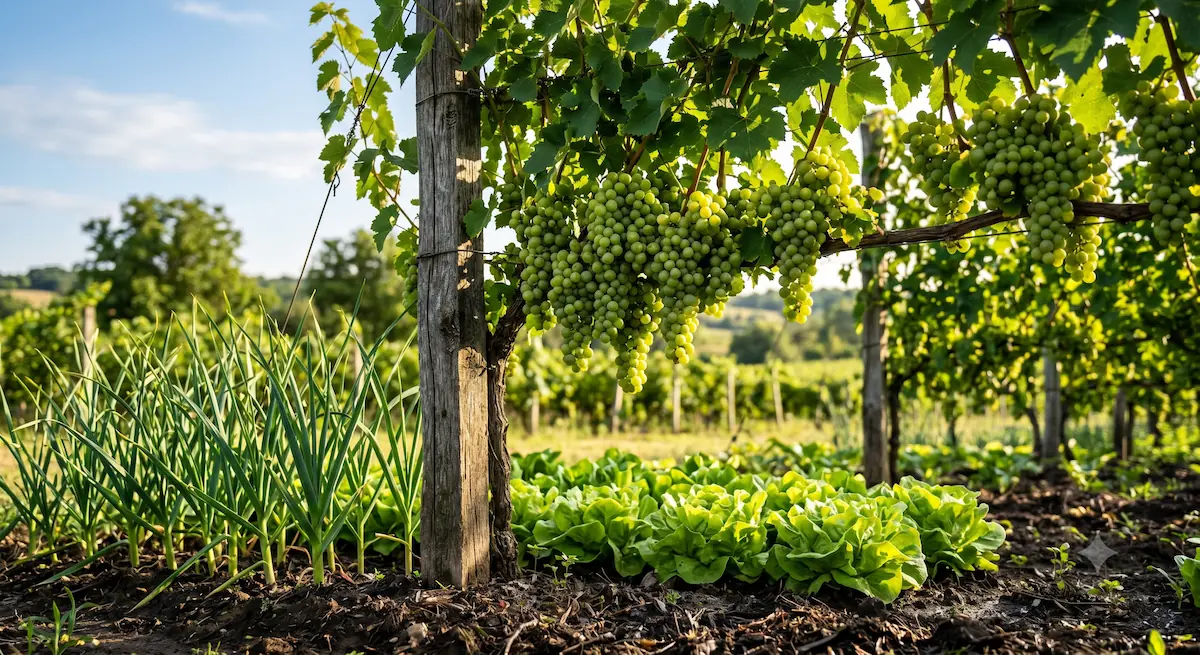
Grapes Companion Planting: 8 Best Neighbors for Sweet Clusters
Grapes require full sun and mildew protection. Learn which 8 companions stimulate vine growth, improve berry flavor, and repel common pests.
Read more →