
Corn: How to Grow a High Yield and Use It as a "Living Shield"
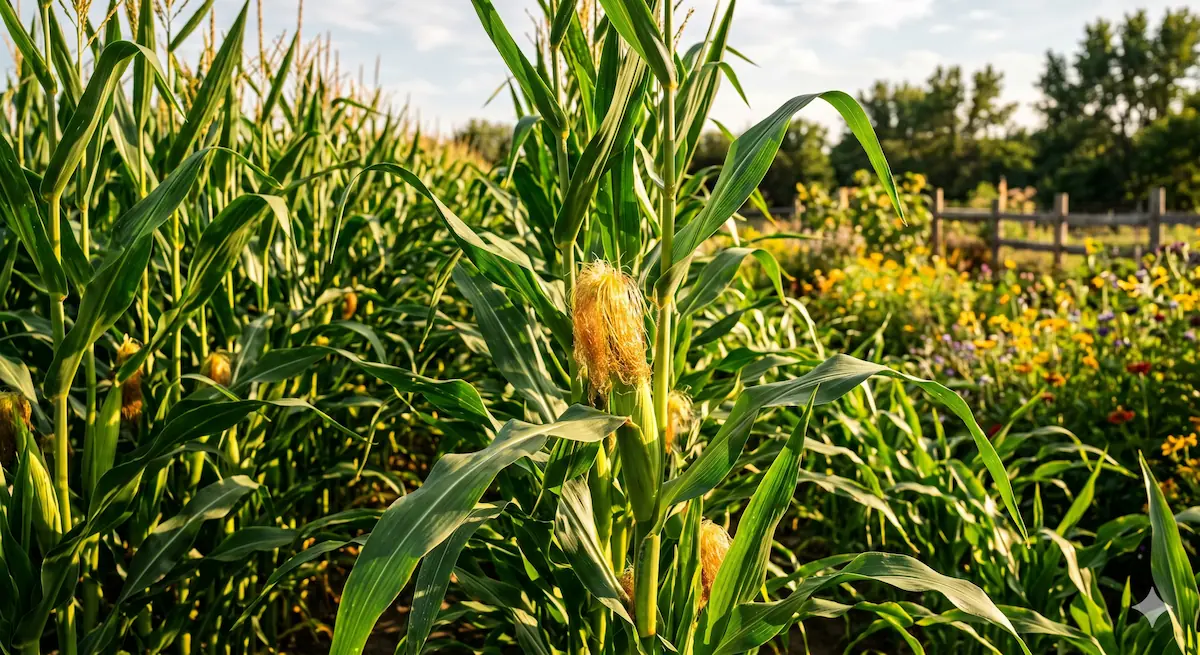
Secrets of growing corn: from choosing fertile soil to strategic companion planning. Learn why corn is the perfect partner for sunflowers and watermelons.
Corn is a true giant of the garden that, with proper planning, can provide benefits beyond just the cobs. It is one of the oldest crops that has learned to coexist with many plants, creating unique "Three Sisters" combinations.
Soil for the "Queen of the Fields"
Corn requires a lot of nutrients and moisture. It performs best on fertile Loams (Type 1). If your soil is too sandy or too heavy, the stalks will be short and the cobs small. Check your soil type before planting to see if the area needs extra organic matter.
Sun and Wind Protection
Corn loves the sun and grows upwards very quickly. Thanks to its sturdy stalk, it serves as an excellent "living shield" for more delicate crops. In our planner, we recommend placing corn so that it protects heat-loving plants, like Watermelons, from the wind without shading them excessively.
Friends and the Corn's "Superpower"
Corn is a very sociable crop with several vital strategic connections:
- The Perfect Trio: Combine corn with Beans, which use the stalk as a trellis, and Sweet Potatoes, which act as a living mulch to keep the soil moist.
- A Solid Wall: Corn also gets along famously with Sunflowers—together they create a powerful windbreak.
- Walnut Resistance: Like the sweet potato, corn has a natural resistance to juglone. It can grow quite close to a Walnut tree, where most other crops would wither.
AgroPlanner Tip: Corn is a tall plant that creates moving shade. Keep this in mind during planning: place it on the north side of low-growing vegetables. Our system will automatically warn you if the tall corn stalks block the light for your tomatoes or peppers.
AgroPlanner App
Realize your dream garden: check plant compatibility, sun/shade needs, and save your plan easily.

Disclaimer
Important! All information in this blog is for recommendation purposes only. We are developers and enthusiasts, not certified agronomists. Results may vary based on your region, soil type, and weather. We are not responsible for potential errors or crop failures. Please verify critical advice independently!
Found this helpful? Share with friends!
Read more
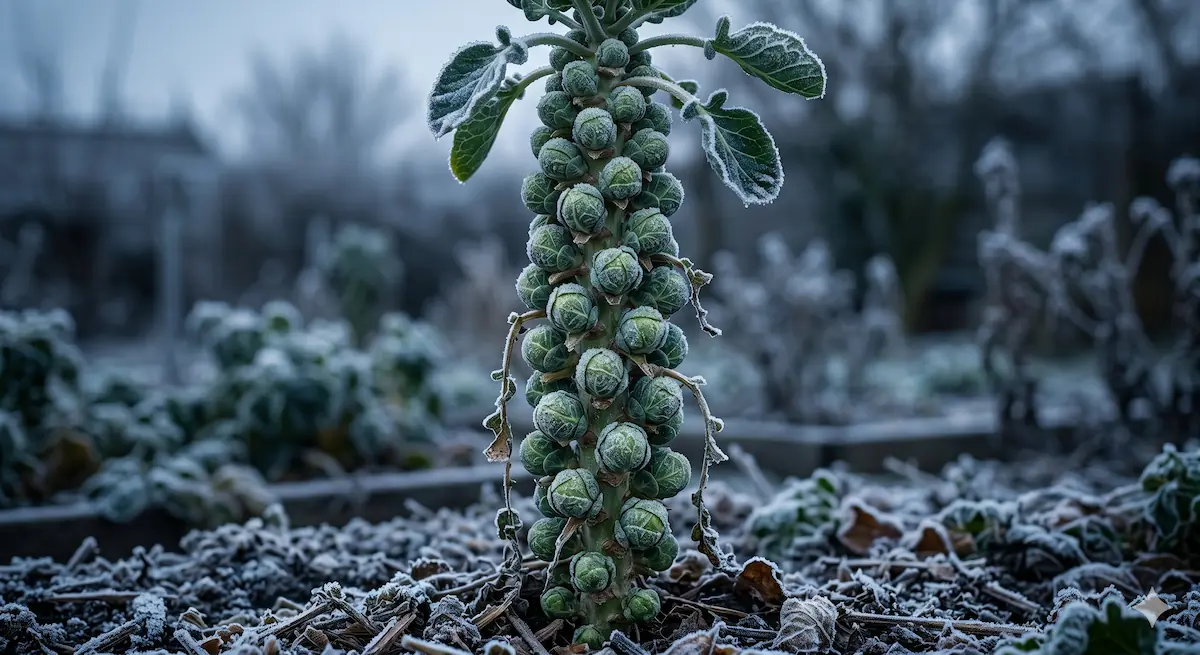
Brussels Sprouts: Why Frost is Their Best Friend
Brussels sprouts are the hardiest crop in the garden. Learn how to make the small heads grow faster and why you shouldn't rush the harvest.
Read more →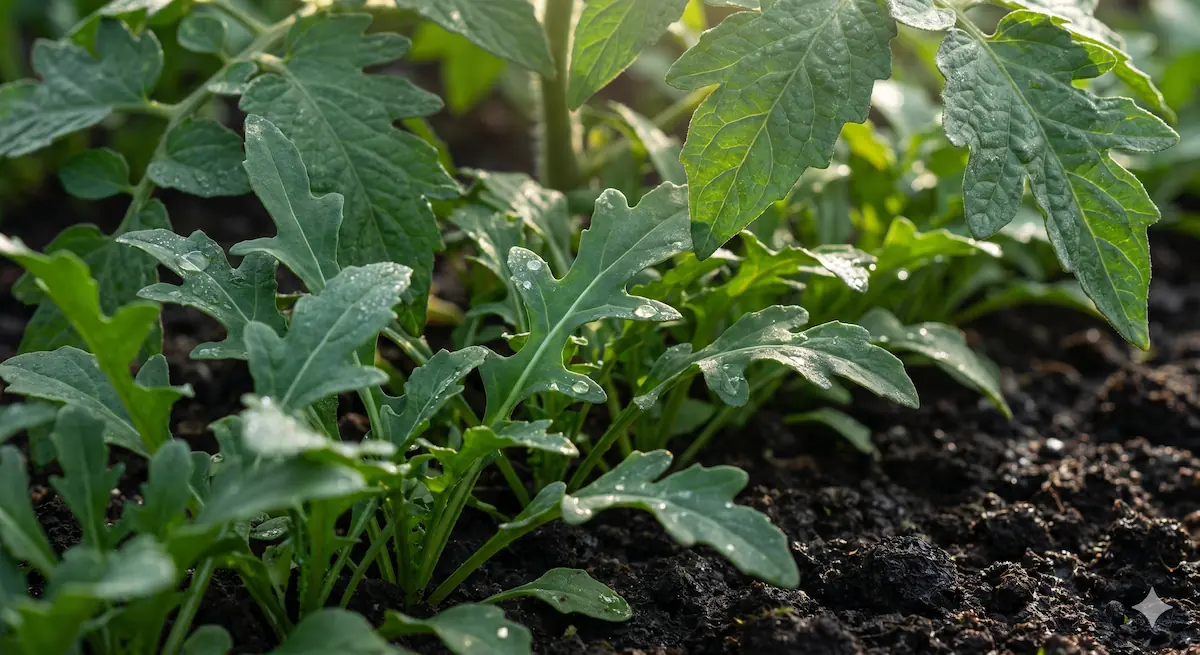
Arugula: How to Grow Vitamin Greens in Just 30 Days
Dreaming of fresh arugula from your own garden? Discover secrets of fast growth, why it’s best planted in the shade, and how our planner helps avoid common pests.
Read more →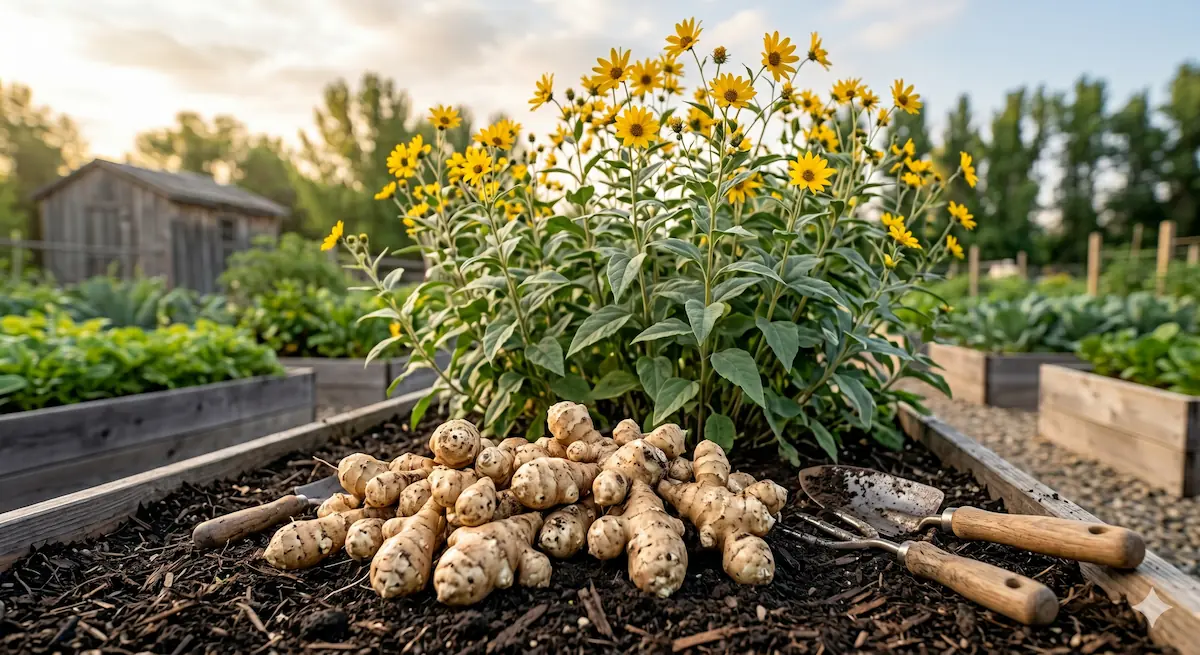
Jerusalem Artichoke: The "Smart" Potato That Defies Frost
Jerusalem Artichoke is a sunflower relative with edible tubers. Learn why you don't need to dig it up for winter, how it cleans the soil, and why it's perfect for lazy gardeners.
Read more →