
Broccoli Companion Planting: 8 Best Plant Neighbors

Broccoli fears extreme summer heat and cabbageworms. Learn which 8 neighbors provide light shade, deter pests, and secure firm, heavy heads.
Green (or snap) beans are a true gem of the summer garden and a favorite among culinary enthusiasts. Unlike dry shell beans, their pods are eaten whole while they remain soft, juicy, and free of tough stringy fibers. Beyond a delicious harvest, this crop brings immense benefits to your soil: specialized bacteria live on its roots, enriching the ground with free nitrogen.
1. Planting and Soil Requirements
Legumes dislike cold soil, so sowing begins in May once the ground warms up to +12-15°C. Green beans come in two types: bush beans (compact, quick to mature) and pole beans (require structural supports but produce longer). They thrive in light, well-draining soil with neutral acidity.
- Seed Sowing Depth: 3-4 cm.
- Plant Spacing: 10-15 cm for bush varieties, 20-25 cm for pole varieties.
2. Summer Maintenance Secrets for Tender Pods
Green beans require consistent watering, especially during blooming and initial pod formation. If the soil lacks adequate moisture, the pods will grow thin, dry, and bitter. You can always check our basic feeding and cultivation tips in our complete bean growing guide.
3. Ideal Companion Planting Table (Good)
The right neighborhood helps beans stay protected from pests and shares essential soil elements effectively:
| Companion | Companion Benefits |
|---|---|
| Corn | Acts as a classic living trellis for climbing pole bean varieties, saving valuable ground space. |
| Potatoes | Beans repel Colorado potato beetles, while potatoes in return deter destructive bean leaf beetles. |
| Cucumbers | Receive a powerful nitrogen boost from bean roots, accelerating the growth of crunchy cucumbers. |
| Celery | Actively stimulates legume shoot growth, and its sharp herbal scent deters tiny flying pests. |
| Strawberries | They integrate perfectly within row spaces, improving berry sweetness and general bush health. |
| Radishes | Mature quickly and clear out early, leaving the earth loose for the delicate bean root system. |
| Marigolds | Create an aromatic bio-barrier against Mexican bean beetles, aphids, and thrips. |
| Summer Savory | The absolute best herbal friend for beans: reliably deters the hazardous bean weevil and enhances culinary flavor. |
4. Harvesting and Dangerous Neighbors (Bad)
It is strictly forbidden to plant green beans next to onions and garlic. Allium compounds destroy the root nodule bacteria, entirely cutting off the bean's nitrogen supply. Pick the pods every 2-3 days at their milk-ripe stage, when they snap cleanly in half with a crisp sound.
AgroPlanner Tip: Never pull bean bushes out by their roots in autumn. Cut them down at soil level instead, ensuring the useful fixed nitrogen remains in the ground for next season. Use our planner to layout your beds accurately!
AgroPlanner App
Realize your dream garden: check plant compatibility, sun/shade needs, and save your plan easily.

Disclaimer
Important! All information in this blog is for recommendation purposes only. We are developers and enthusiasts, not certified agronomists. Results may vary based on your region, soil type, and weather. We are not responsible for potential errors or crop failures. Please verify critical advice independently!
Found this helpful? Share with friends!
Read more
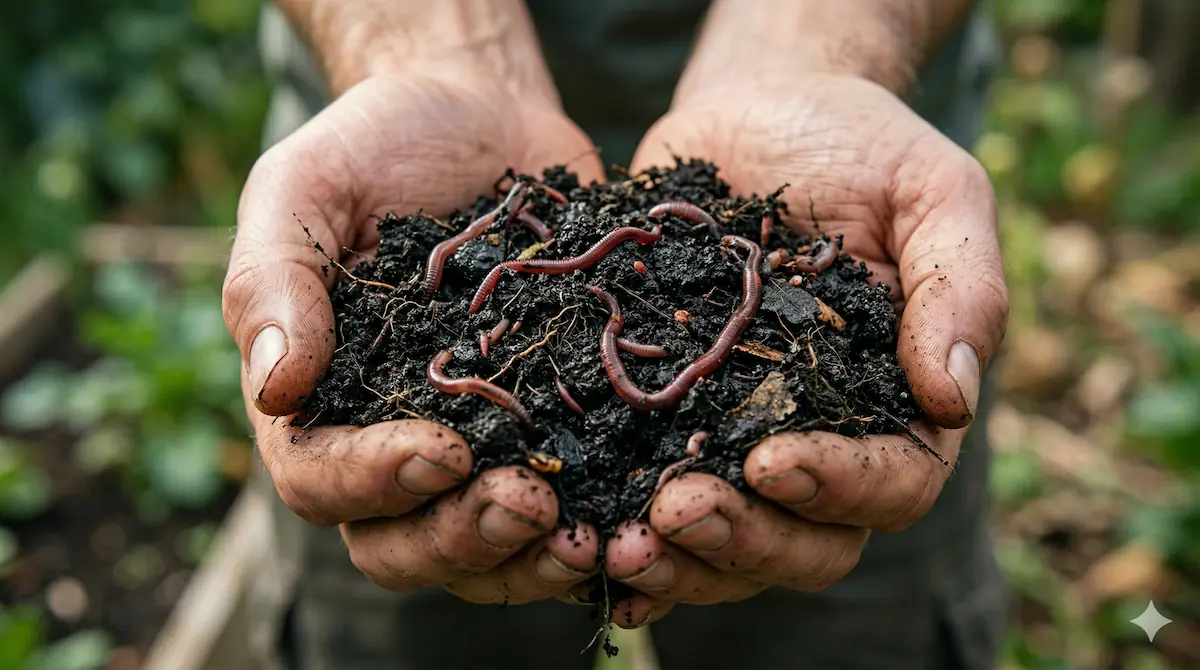
Soil Health: Why It’s More Important Than Any Fertilizer
You can buy the most expensive supplements, but they won't work in "dead" earth. Let's figure out how to turn your soil into a self-sufficient system.
Read more →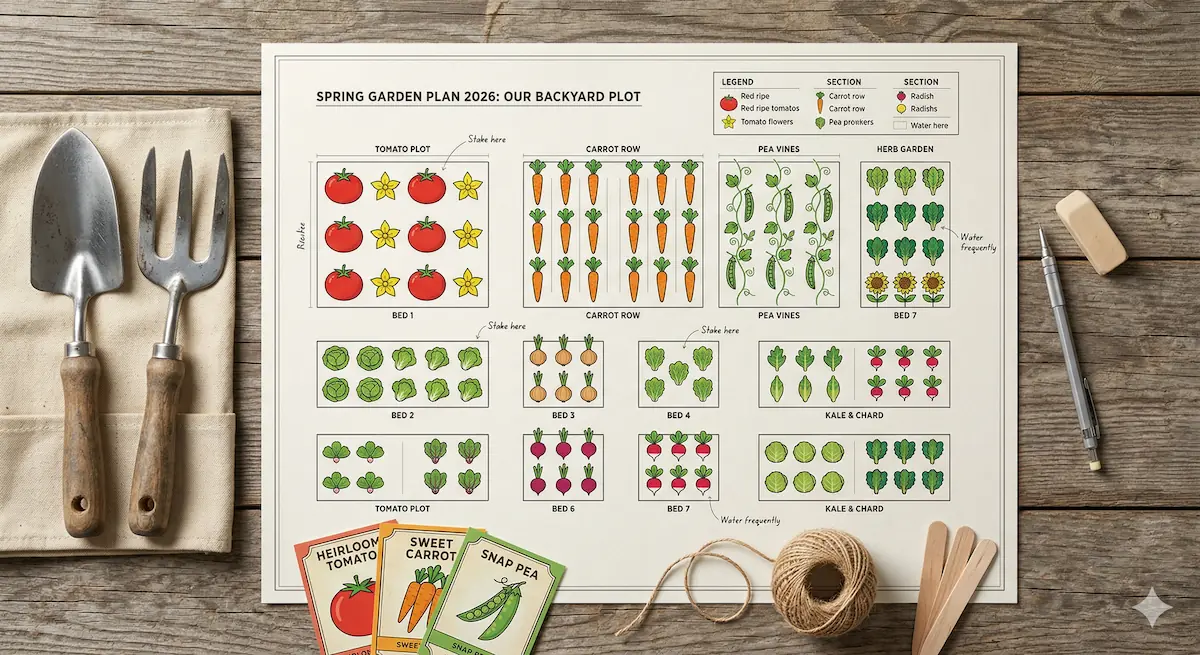
Crop Rotation: How to Prevent Your Garden from Getting "Tired"
Why shouldn't you plant tomatoes after potatoes? Understanding the rules of crop rotation for healthy soil and large fruits.
Read more →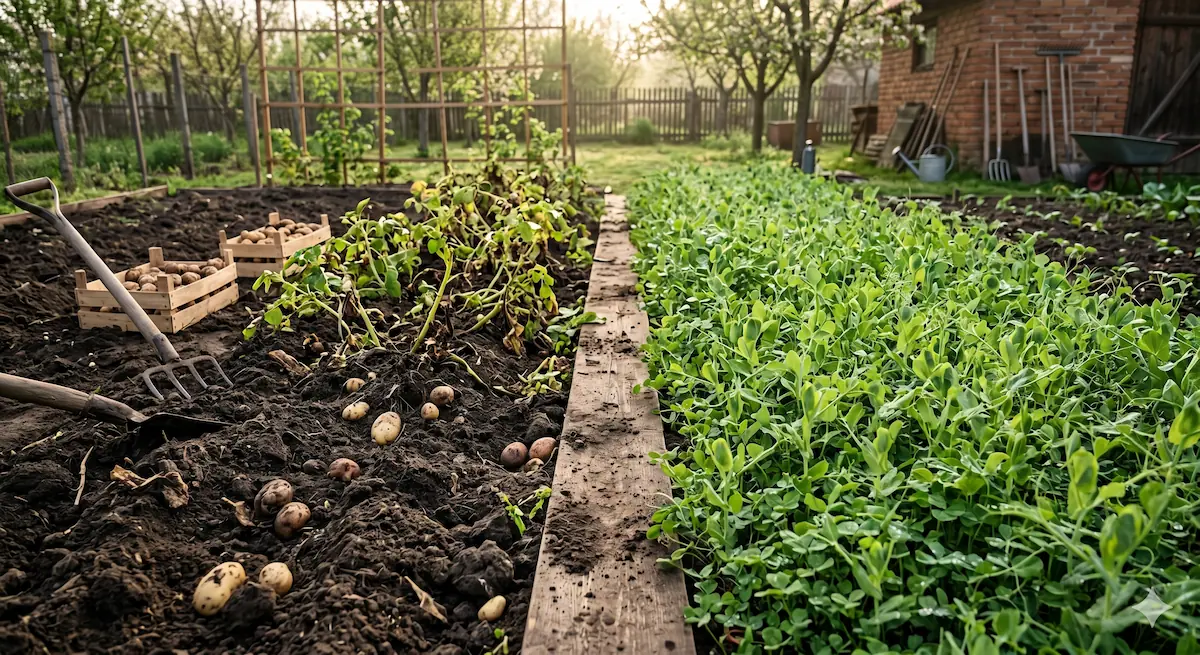
Crop Rotation for the Lazy: What to Plant After Potatoes to Let the Soil "Rest"
Potatoes take the best from the soil. Learn which crops will help restore the nutrient balance and clear the plot of pests.
Read more →