
Dobrynya Sweet Corn: The Sweetest Dessert from Your Garden
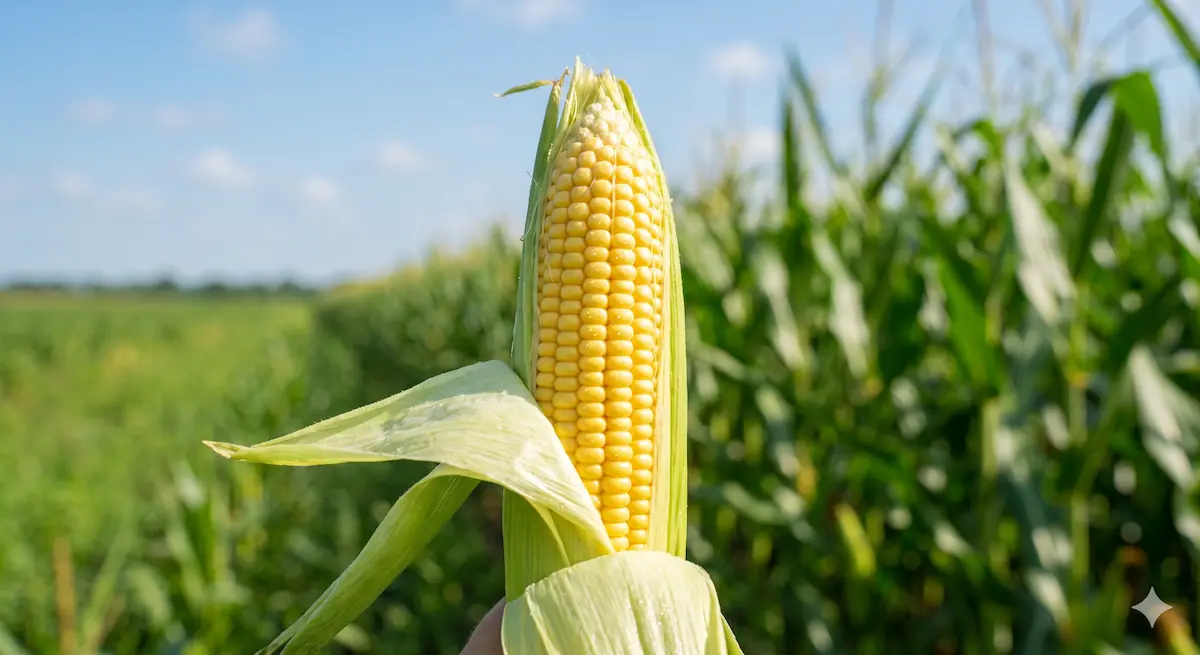
Dobrynya is the gold standard for sweet corn. Learn why it shouldn't be planted near field corn, what soil makes the ears golden, and how to protect your harvest.
Dobrynya corn is a super-sweet hybrid (Sh2 type) that has won over gardeners with its incredibly sweet taste and large ears. Unlike regular corn, Dobrynya retains its sugar content much longer after harvest. It is an early variety, maturing in just 70-75 days, providing perfect ears for boiling and grilling.
Soil: Where Does Dobrynya Gather Its Sugar?
Corn is very demanding of nitrogen and heat. It needs fertile land that warms up quickly in the spring.
- Best Choice: Fertile Loamy soils (Type 1) or humus-rich Sandy soils (Type 2).
- Soil Check: Perform the sausage test. If the soil holds its shape (Type 1), it’s perfect: the ground will retain enough moisture for the kernels to fill out.
Best Companions (Good)
Corn is an ideal support for many plants. The classic "Three Sisters" approach:
- Beans: Climb up the corn stalk and enrich the soil with nitrogen.
- Pumpkins: Their massive leaves cover the ground, preserving moisture for the corn.
- Cucumbers: Can also use Dobrynya's sturdy stalk as a living trellis.
Main Enemies (Bad)
- Other Corn Varieties: The biggest threat to Dobrynya! Cross-pollination with field corn will make it tough and tasteless. Maintain a distance of at least 20 meters.
- Walnut Trees: Walnut juglone stunts corn growth, leading to short stalks and empty ears.
- Celery: Considered a poor companion as they compete for the same nutrients.
AgroPlanner Tip: Dobrynya corn pollinates best when grown in a "block" (e.g., 4 by 4 rows) rather than a single long line. In our app, it occupies a 1x1 grid. The system will check the light level in your sector and will definitely flag the walnut toxic zone in red to ensure your ears are full and sweet.
AgroPlanner App
Realize your dream garden: check plant compatibility, sun/shade needs, and save your plan easily.

Disclaimer
Important! All information in this blog is for recommendation purposes only. We are developers and enthusiasts, not certified agronomists. Results may vary based on your region, soil type, and weather. We are not responsible for potential errors or crop failures. Please verify critical advice independently!
Found this helpful? Share with friends!
Read more
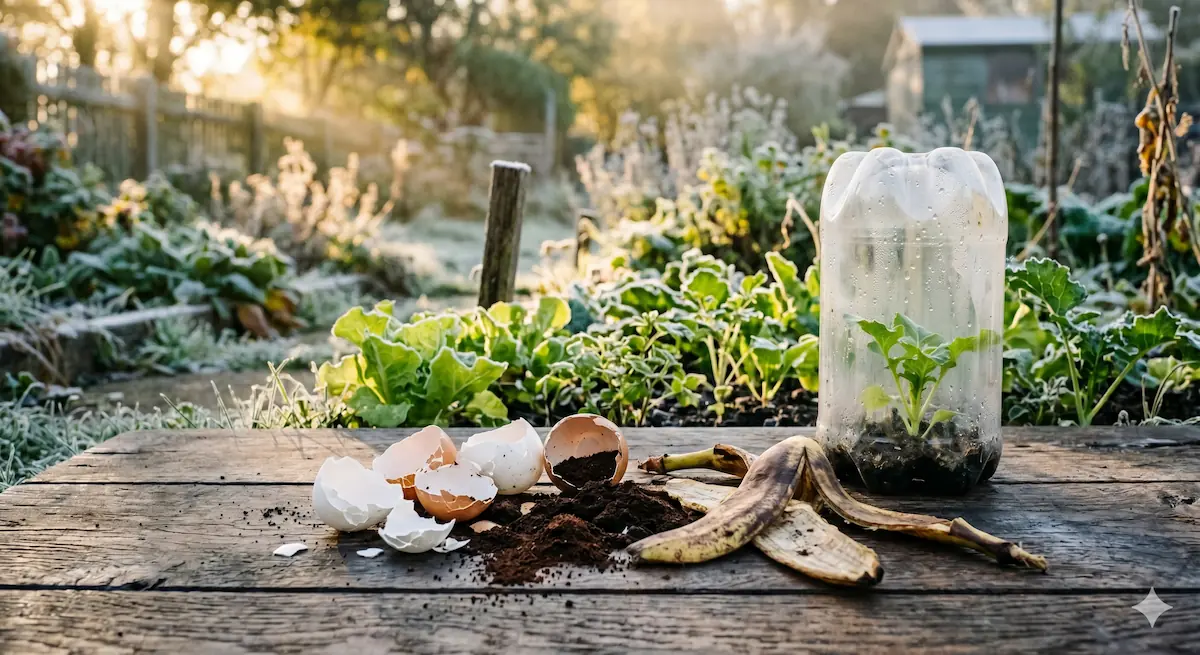
Homemade Kitchen Fertilizers: Feed Your Garden with What You Usually Throw Away
Why buy expensive chemicals? Discover how to turn coffee grounds, eggshells, and onion skins into super-fertilizers for a bountiful and organic harvest.
Read more →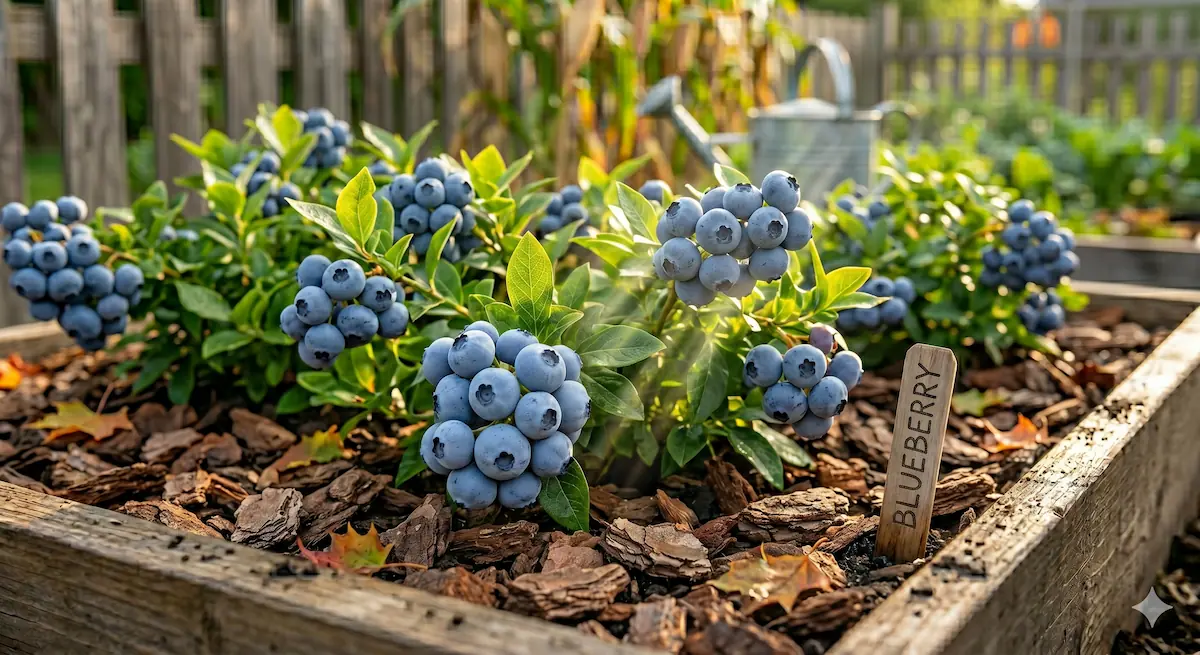
Blueberries: How to Grow "Black Gold" in Your Own Garden
Secrets to growing blueberries: why soil acidity is key, how to choose a sunny spot, and who blueberries get along with best. Tips from AgroPlanner.
Read more →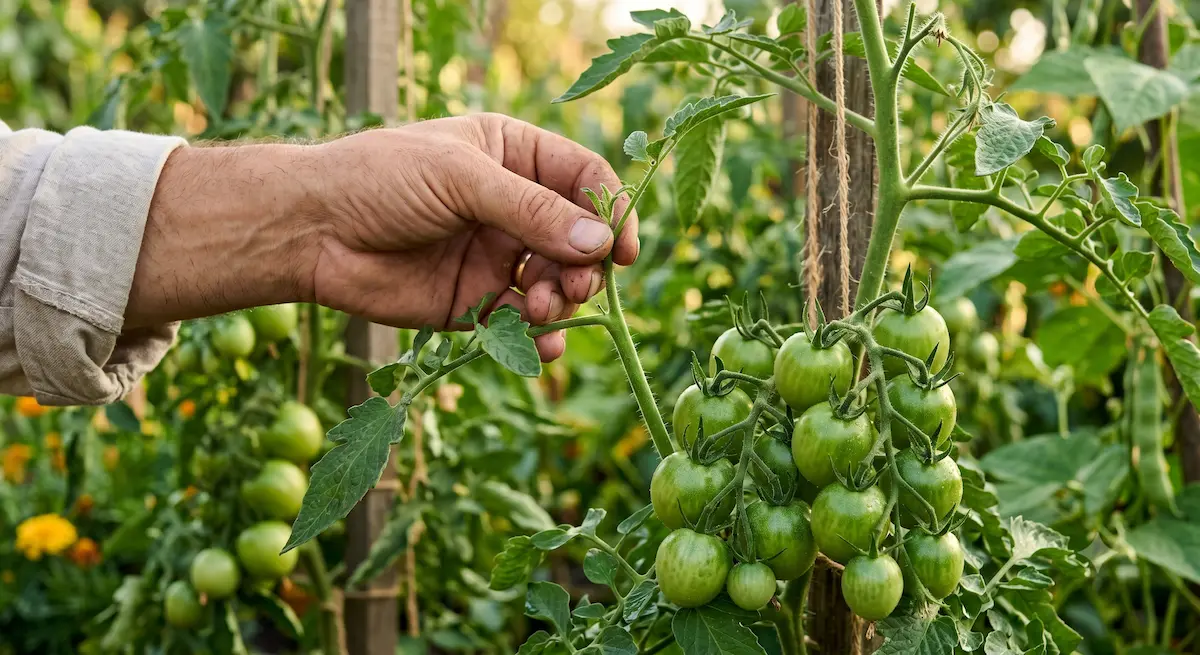
Topping Tomatoes in August: How to Force Tomatoes to Ripen Fast
Topping (pinching the apex) of tomatoes in late summer stops bush growth and directs all energy to fruit clusters. Step-by-step manual for the August garden.
Read more →