
Wood Ash as Fertilizer: The Ultimate Guide for Garden Application
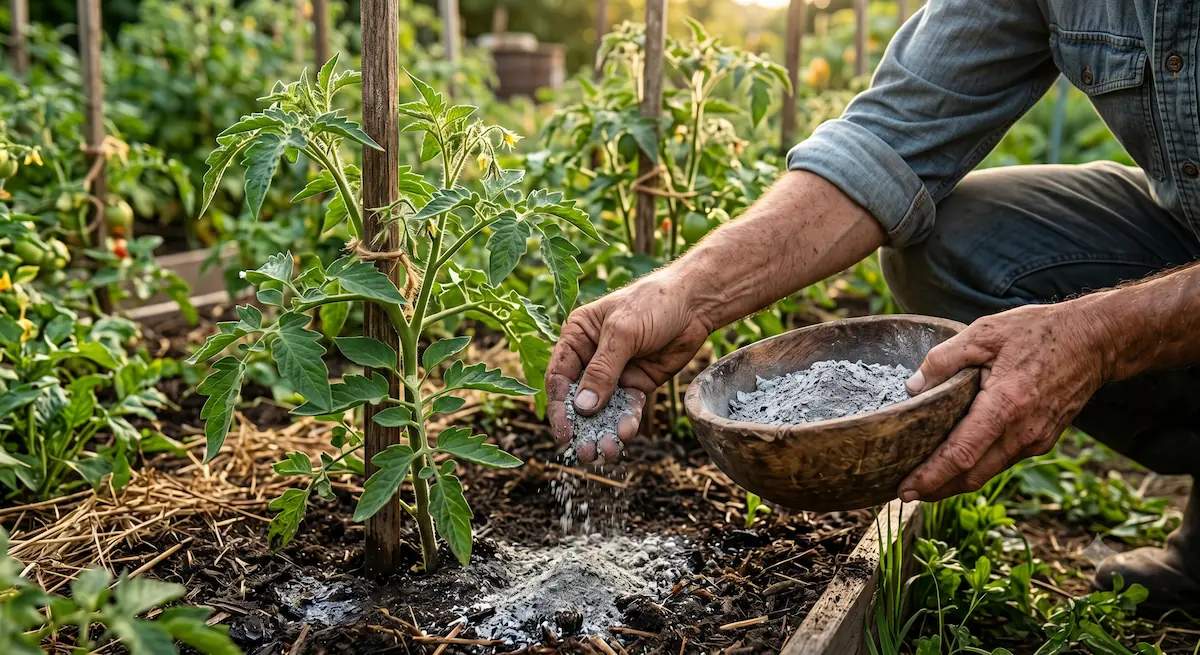
Wood ash is a free source of potassium, phosphorus, and calcium for your beds. Learn how to correctly use ash and which plants hate it.
Wood ash is one of the oldest, most accessible, and highly effective fertilizers in the world of organic cultivation. Many gardeners consider it simple waste after summer barbecues or cleaning out a stove, but for plants, it is a true concentrate of vital minerals. Ash can completely replace expensive potassium and phosphorus commercial mineral complexes covered in our NPK fertilizer overview.
1. Chemical Composition of Ash: What Do Plants Receive?
The primary value of wood ash lies in the fact that it contains over 30 different micro- and macronutrients in a highly bioavailable form. It is exceptionally rich in calcium (manages fruit cell growth), potassium (regulates harvest sweetness and weight), and phosphorus (stimulates roots). However, remember one ironclad rule: there is absolutely zero nitrogen in ash. During wood combustion, all nitrogen completely evaporates as gas.
2. How to Correctly Apply Ash: Dry Methods and Liquid Dissolutions
Ash can be applied in a dry form — simply tossing a handful inside a planting hole, or dusting row spaces to deter surface pests. For instance, such feeding is highly craved by sweet beetroots. For rapid effects during summer, a liquid ash solution is utilized: dissolve 1 cup of ash in 10 liters of water, mix thoroughly, and water plants at the base of the roots.
3. Compatibility Table: Which Crops Adore Ash, and Which Do Not (Good)
| Crops That Adore Ash | Why Is It Beneficial For Them? | Crops That Strictly Hate Ash |
|---|---|---|
| Tomatoes, peppers, eggplants | Calcium and potassium protect fruits from blossom end rot and make the flesh sugary. | Blueberries, bilberries, cranberries |
| Cucumbers, zucchini, pumpkins | Potassium stimulates prolonged formation of crunchy green fruits until autumn. | Hydrangeas, azaleas, rhododendrons |
| Potatoes | Multiplies tuber starch content and builds disease resistance during winter storage. | Sorrel and coniferous crops |
4. Major Ash Application Mistakes to Avoid (Bad mistakes)
- Mixing ash with nitrogen fertilizers: Never apply ash concurrently with ammonium nitrate, urea, or fresh manure. Ash has a powerful alkaline reaction. Upon contact with nitrogen, a chemical reaction occurs, and all nitrogen immediately evaporates as ammonia gas. Plants will remain hungry. The interval between these feedings must be at least 2 weeks.
- Using ash from glossy magazines or painted timber: Burning colored paper, scrap furniture made of particleboard (MDF), or painted boards yields toxic ash packed with heavy metals and dioxins. Such "fertilizer" will simply poison your beds. Use clean firewood exclusively.
AgroPlanner Tip: Ash is a powerful natural soil deacidifier (raises pH). Therefore, it is strictly forbidden to apply it under acidophilic plants that love sour earth. For proper acidity planning, cross-reference with the maps inside our planner tool!
AgroPlanner App
Realize your dream garden: check plant compatibility, sun/shade needs, and save your plan easily.

Disclaimer
Important! All information in this blog is for recommendation purposes only. We are developers and enthusiasts, not certified agronomists. Results may vary based on your region, soil type, and weather. We are not responsible for potential errors or crop failures. Please verify critical advice independently!
Found this helpful? Share with friends!
Read more
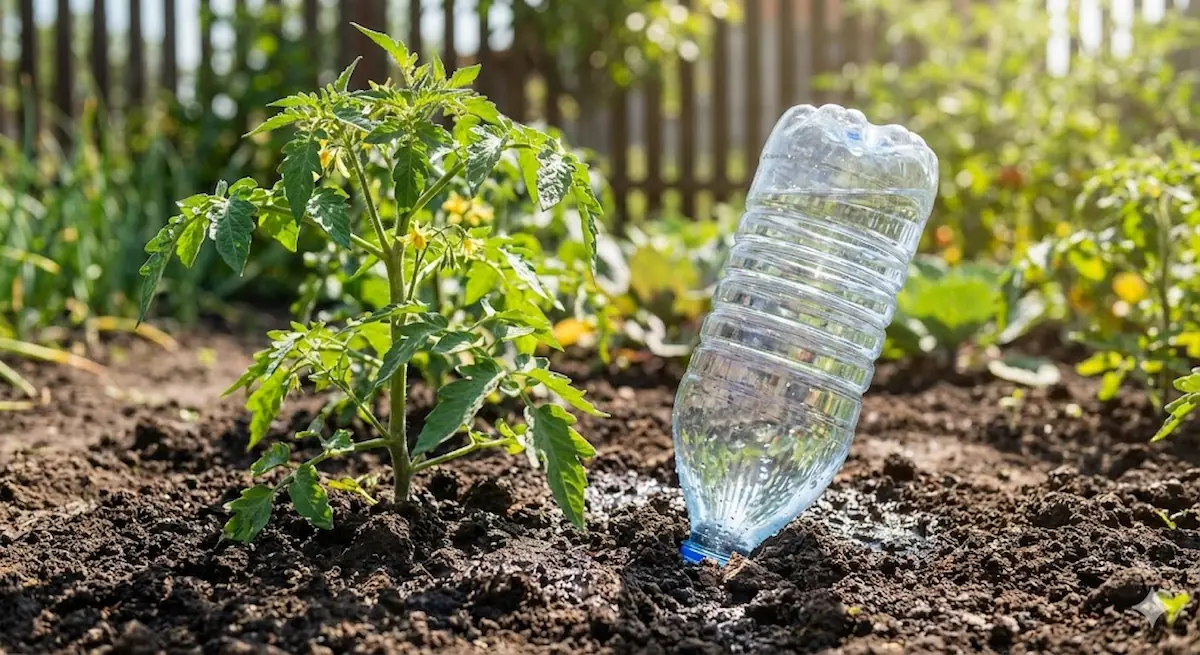
Smart Watering for $0: How to Build a System from Plastic Bottles
A budget-friendly and effective way to keep your plants hydrated while you're away. Step-by-step instructions for creating a drip irrigation system from recycled materials.
Read more →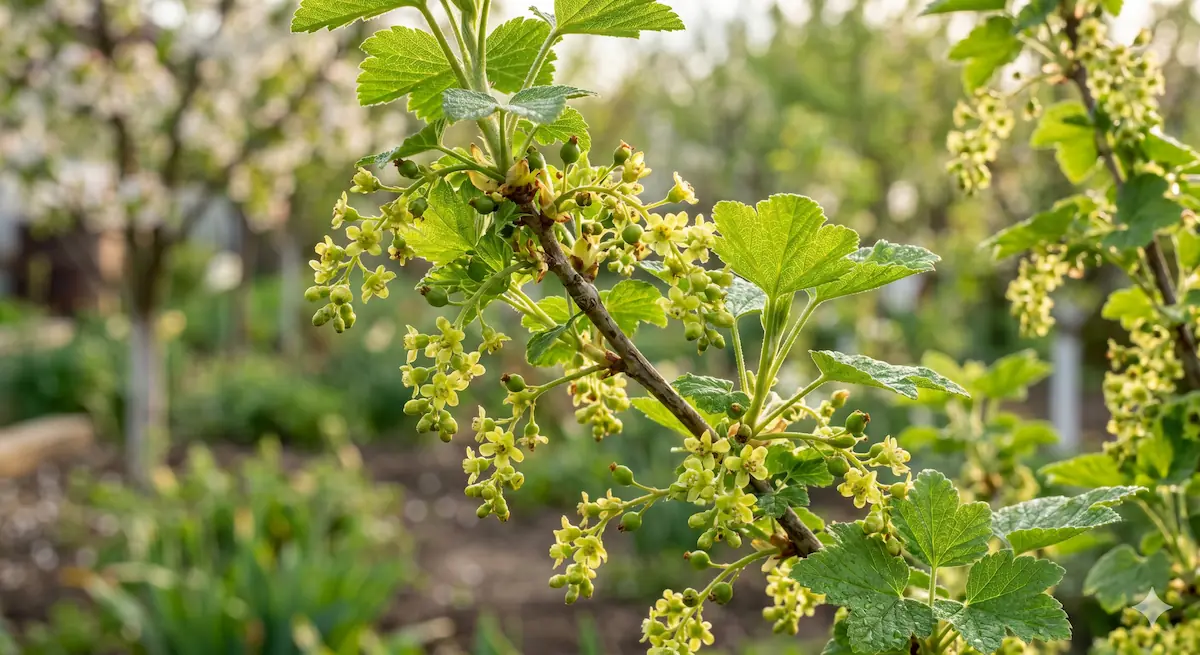
Currants in May: How to Ensure a Rich Berry Harvest
Spring care for black and red currants. AgroPlanner tips on fertilizing, pest protection, and correct watering during blooming.
Read more →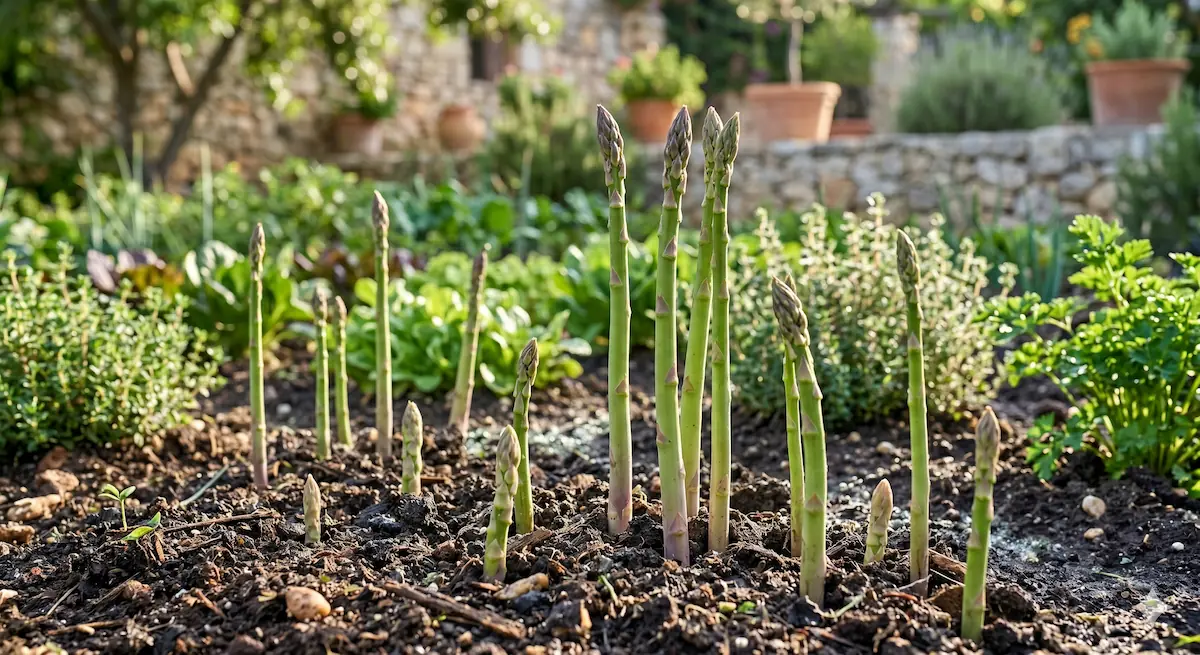
Asparagus: The Queen of Delicacies in Your Garden
Asparagus is a perennial crop that yields harvests for over 20 years. Learn why it requires patience, what soil makes the shoots tender, and how to plan its permanent spot.
Read more →