
Potato Companion Planting: How to Repel Pests Naturally
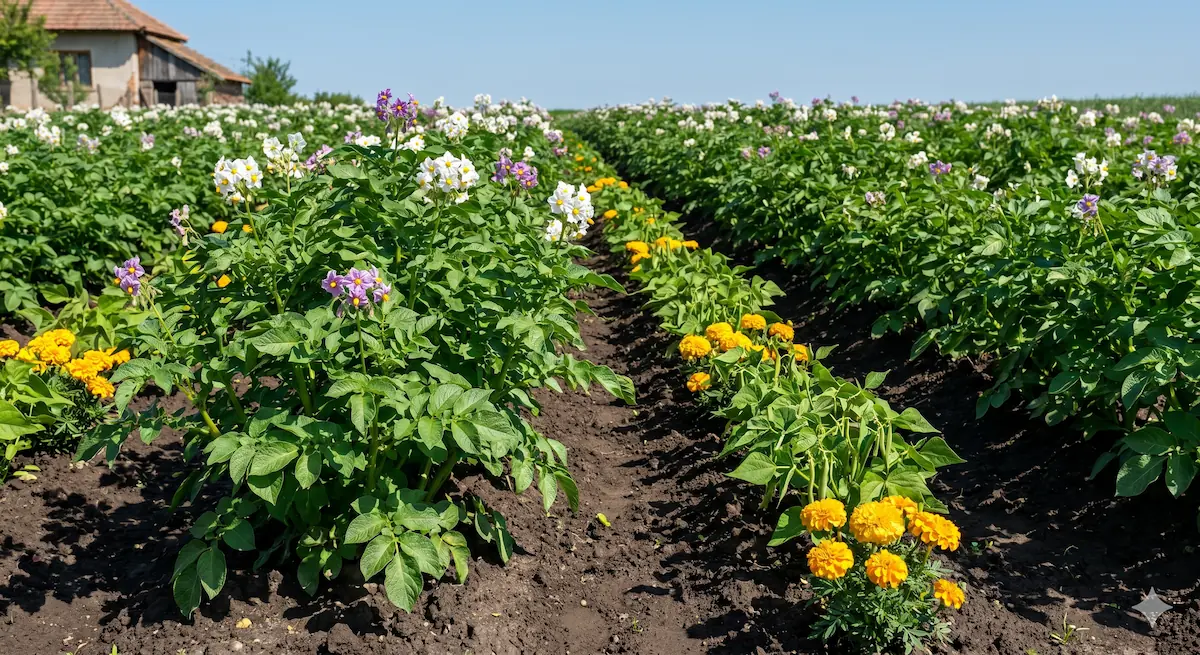
Potatoes need a lot of space and protection. Discover which companion plants help repel the Colorado potato beetle and improve soil quality.
Potatoes are heavy feeders that take a lot of nutrients from the soil. Proper planning of neighboring beds helps not only to maintain soil fertility but also significantly reduces the number of pests without using chemicals.
Note: Before you start your layout, learn how to prepare potatoes and fight beetles with the right companions in our comprehensive guide.
Best Friends for Potatoes (Good)
- Beans and Peas: The best allies. Legumes enrich the soil with nitrogen, and bush beans help repel the Colorado potato beetle.
- Horseradish: Increases the potato's resistance to disease and enhances its flavor.
- Cabbage and Broccoli: They have different nutrient requirements and coexist perfectly on neighboring beds.
- Marigolds: A powerful tool against underground pests and wireworms.
- Marigolds: A powerful tool against underground pests and wireworms.
Total Enemies (Bad)
- Tomatoes, Peppers, Eggplants: The worst choice. They all belong to the Nightshade family. Shared diseases (late blight) and common pests will destroy both crops.
- Sunflowers: Stunt the growth of tubers by extracting all the energy from the soil.
- Raspberries and Apples: Can trigger the development of rot and scab in potatoes.
AgroPlanner Tip: Since potatoes take up a lot of space, it's easy to plan "sanitary gaps" between them and other Nightshades in our app. This helps stop the spread of disease across your entire garden.
AgroPlanner App
Realize your dream garden: check plant compatibility, sun/shade needs, and save your plan easily.

Disclaimer
Important! All information in this blog is for recommendation purposes only. We are developers and enthusiasts, not certified agronomists. Results may vary based on your region, soil type, and weather. We are not responsible for potential errors or crop failures. Please verify critical advice independently!
Found this helpful? Share with friends!
Read more
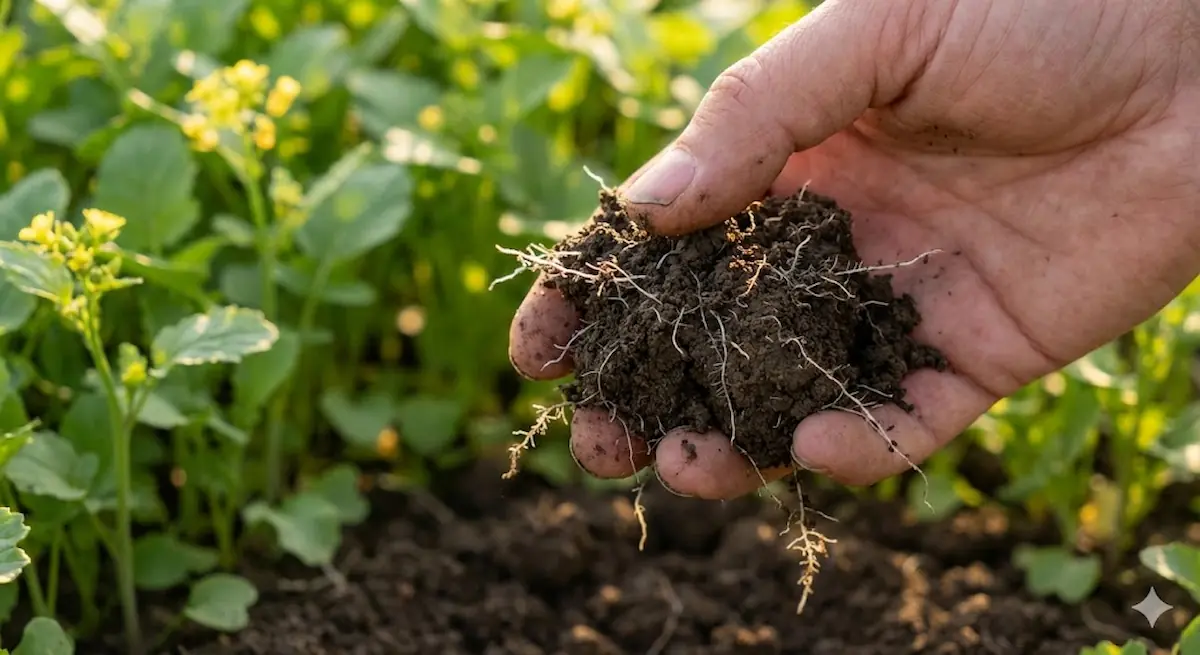
Siderates in April: What to Plant to Make Your Soil Like Fluff
Why wait for autumn? Learn which cover crops (green manure) you can plant right now to improve soil structure, get rid of weeds, and secure a bountiful harvest.
Read more →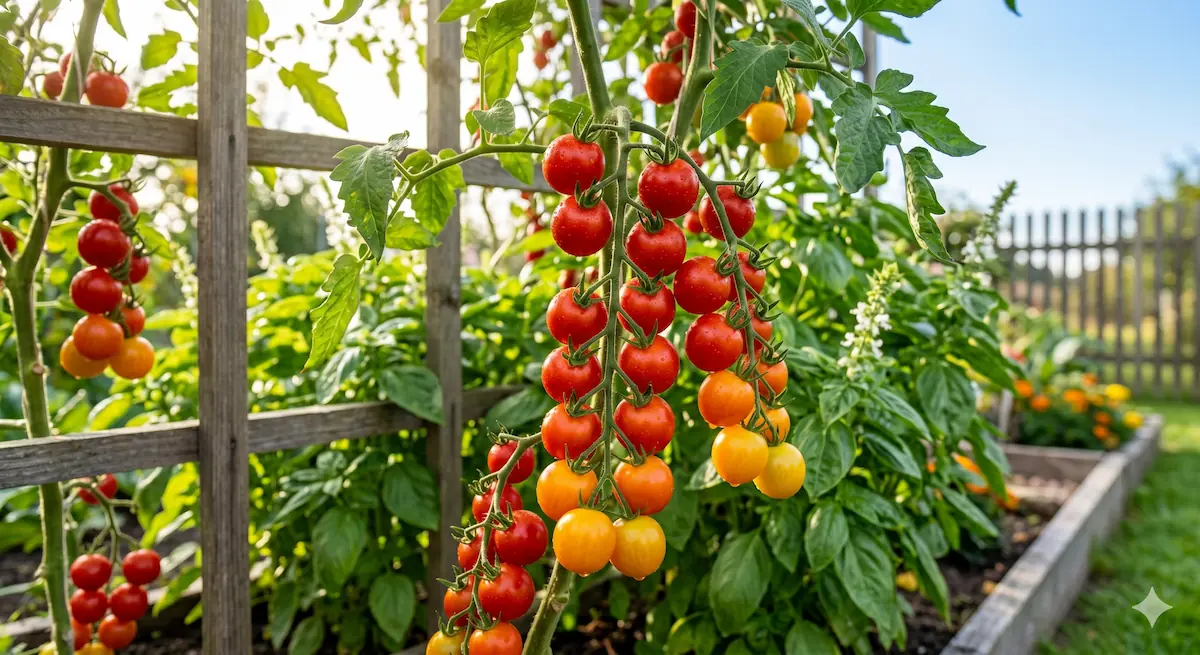
Cherry Tomatoes: How to Grow a Sweet Dessert Right in Your Garden
Cherry tomatoes aren't just mini versions of regular ones. Learn about their growing characteristics, soil choice, and why they need special planning in AgroPlanner.
Read more →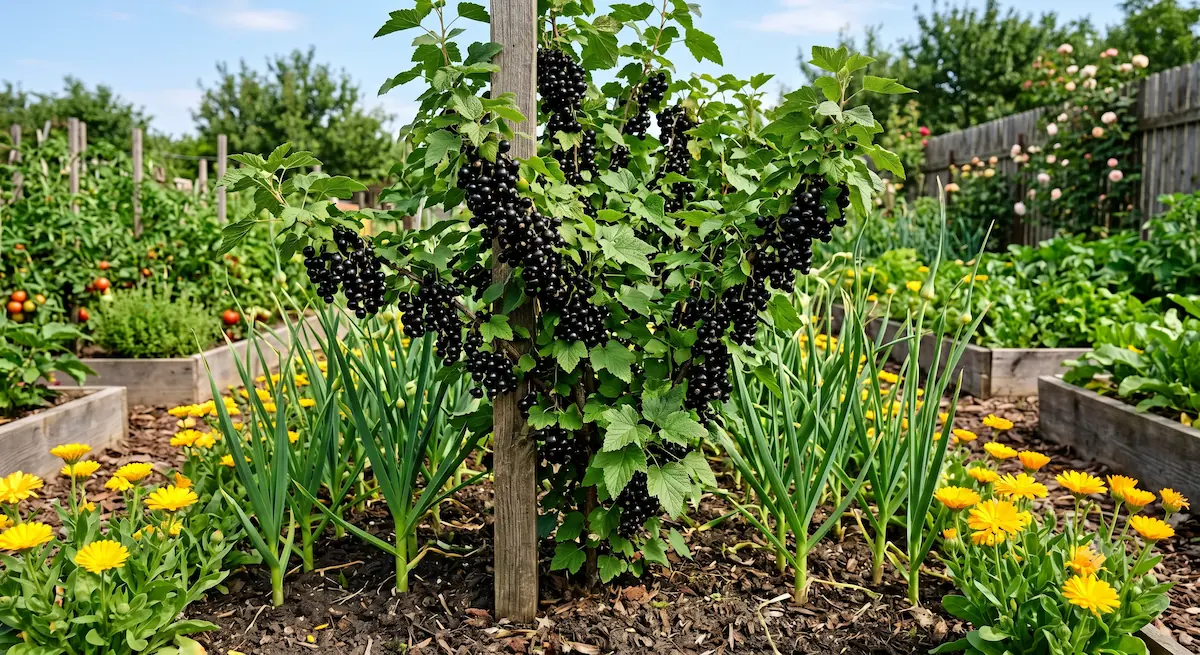
Currant Companion Planting: 8 Best Partners for Large Berries
Black and red currants require protection from aphids and gall mites. A complete manual on choosing ideal neighbors for berry bushes.
Read more →