
How to Get Rid of Aphids in Summer: Best Eco-Friendly Recipes for Your Beds
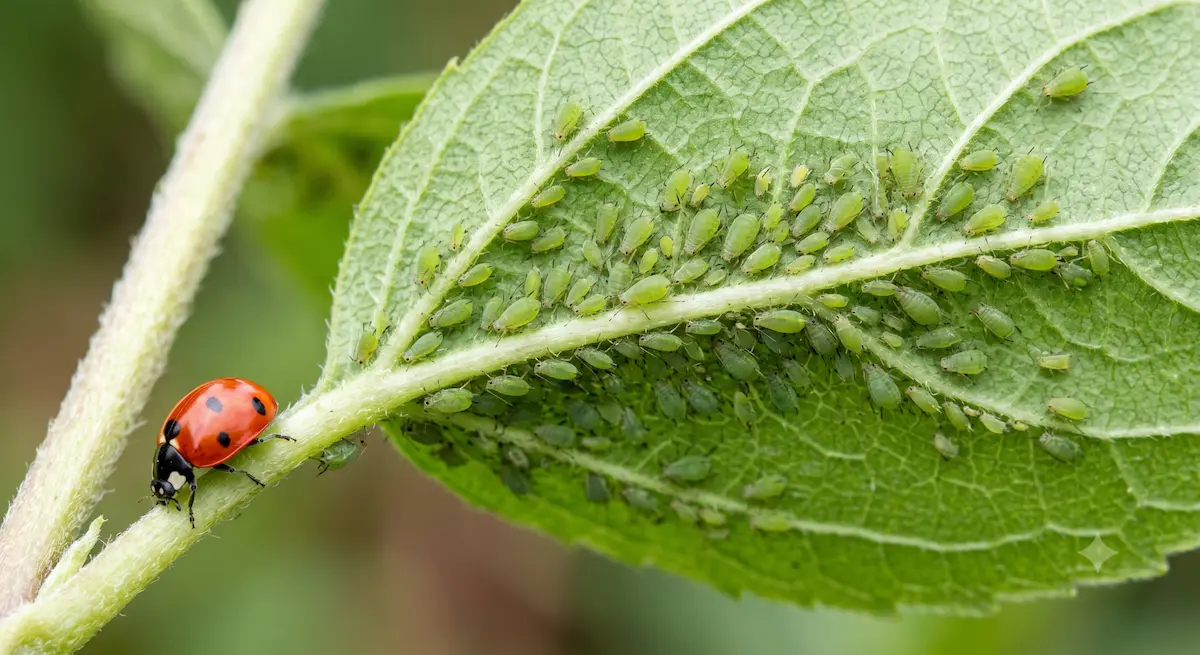
Aphids destroy tender summer shoots of cucumbers, peppers, and berry bushes. A complete guide to safe pest control without harsh chemicals.
Aphids (Aphidoidea) are among the most aggressive and rapid summer pests. Within days, a tiny colony can transform into a million-strong army that completely coats young plant tips, draining their juices. Leaves curl, shoots deform, and the plant becomes covered with a sticky sweet coating. This is especially dangerous in July and August, when vegetables are actively ripening and spraying them with commercial poisons is strictly forbidden.
1. Why Do Aphids Appear Over and Over Again?
The main secret of aphid survival is its close alliance with ants. Ants protect aphid colonies from predators and literally herd them onto juicy "pastures". If you notice that cucumber or currant leaves have started to curl, look at the stem — you will definitely find ant trails there. Without concurrently eliminating the ants, fighting aphids is useless. Read about clearing the plot of their protectors in our ant control guide.
2. Safe Homemade Solutions: How Do They Work?
Since summer fruits are already swelling, we use only natural contact solutions that wash off with standard rain and do not accumulate in the flesh. They coat the pest's body with a thin film, cutting off oxygen access, or repel them with their sharp essential aroma.
3. Table of Eco-Friendly Recipes Against Aphids in Summer (Good)
| Recipe Name | How to Prepare and Spray Correctly? | Which Crops Suit This Best? |
|---|---|---|
| Soap and Soda Solution | Dissolve 2 tablespoons of soda ash + 40 grams of laundry soap in 10 liters of warm water. Spray thoroughly over foliage. | Cucumbers, zucchini, bush bean plants. |
| Mustard Infusion | Pour 10 liters of hot water over 100 grams of dry mustard powder, infuse for 24 hours. Filter, add liquid soap as a sticker. | Berry shrubs (currants, gooseberries, raspberries). |
| Liquid Ammonia | Dilute 2 tablespoons of ammonia in 10 liters of water. Apply immediately after preparation during evening hours. | Tomatoes, pak choy cabbage, and sweet peppers. |
4. Major Errors in Summer Bed Protection (Bad)
- Spraying during blooming: Any natural solutions with a heavy soapy or sharp odor applied to blossoms will repel bees. Treat bushes only when blooming has finished, or target shoot tips locally.
- Treating only the upper side of the leaves: Aphids always hide on the lower, reverse side of the leaf structure. If you simply walk over the bush with a sprayer from above, you won't destroy even 10% of the colony. The sprayer stream must be directed from the bottom up.
AgroPlanner Tip: The best long-term bio-shield is attracting natural aphid enemies, ladybugs. Plant fragrant dill or calendula nearby; details are in our marigolds and calendula guide. Model your protection in our planner tool!
AgroPlanner App
Realize your dream garden: check plant compatibility, sun/shade needs, and save your plan easily.

Disclaimer
Important! All information in this blog is for recommendation purposes only. We are developers and enthusiasts, not certified agronomists. Results may vary based on your region, soil type, and weather. We are not responsible for potential errors or crop failures. Please verify critical advice independently!
Found this helpful? Share with friends!
Read more
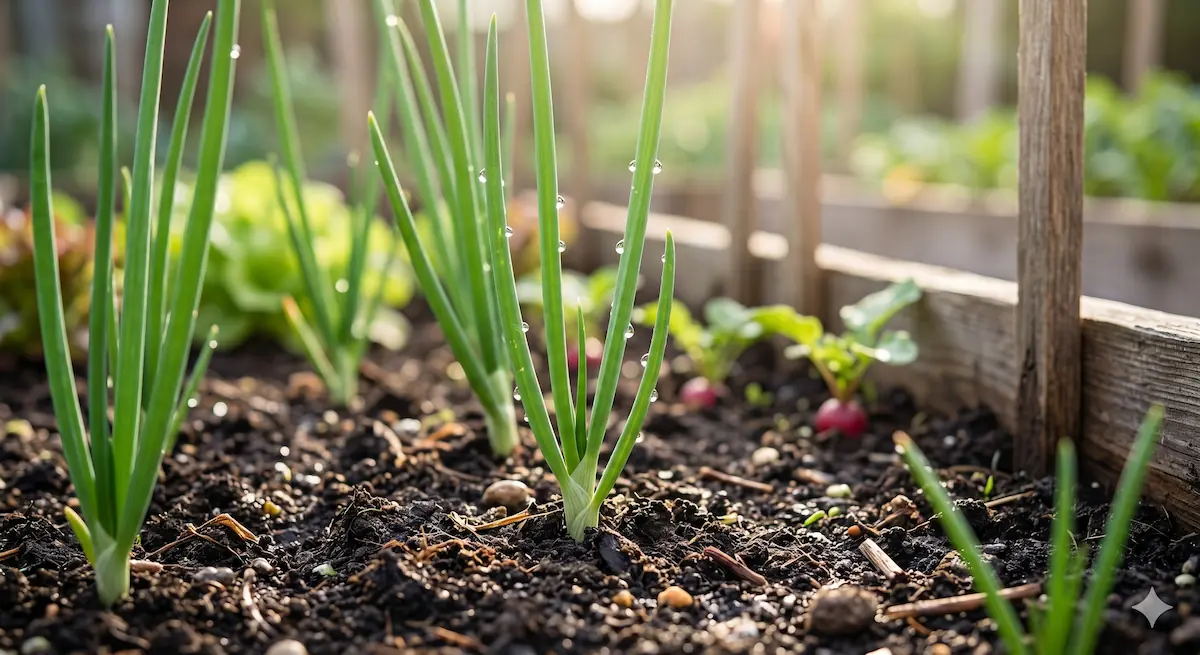
Spring Onion: How to Harvest Your First Spring Vitamins
Secrets to growing spring onions for greens: site selection, ideal soil, and how onions help protect neighboring vegetables from pests.
Read more →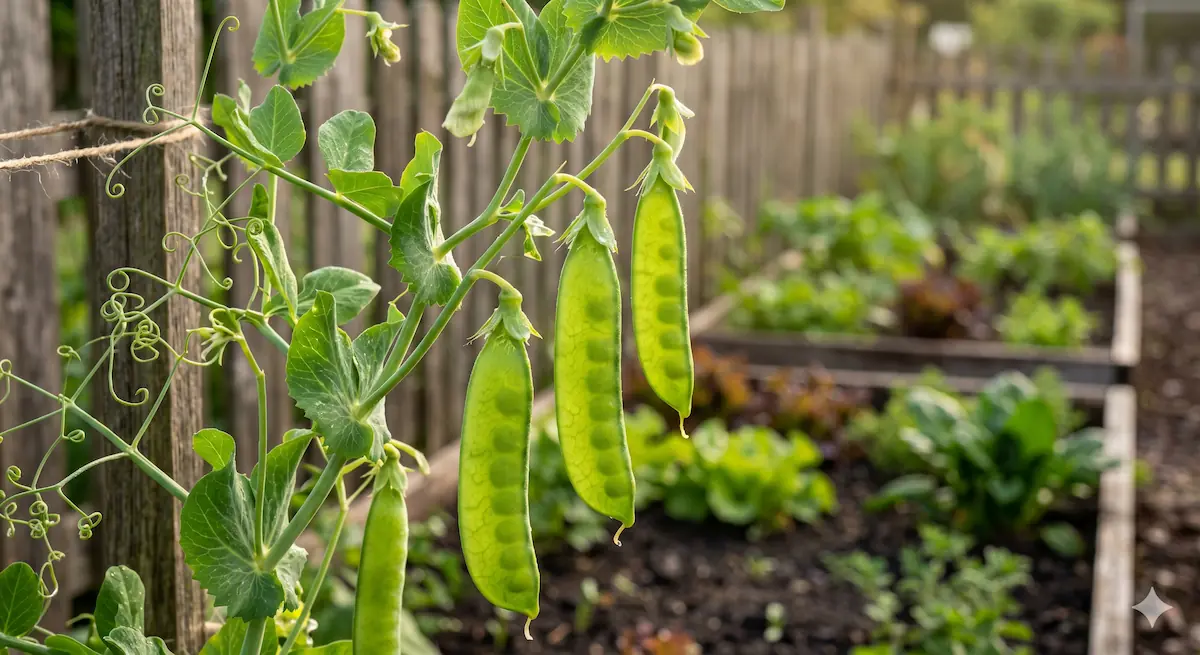
Peas: How to Grow a Sweet Harvest and Enrich Your Soil
Secrets to growing peas: from soil selection to strategic companion planning. Learn how peas act as a natural fertilizer for your garden.
Read more →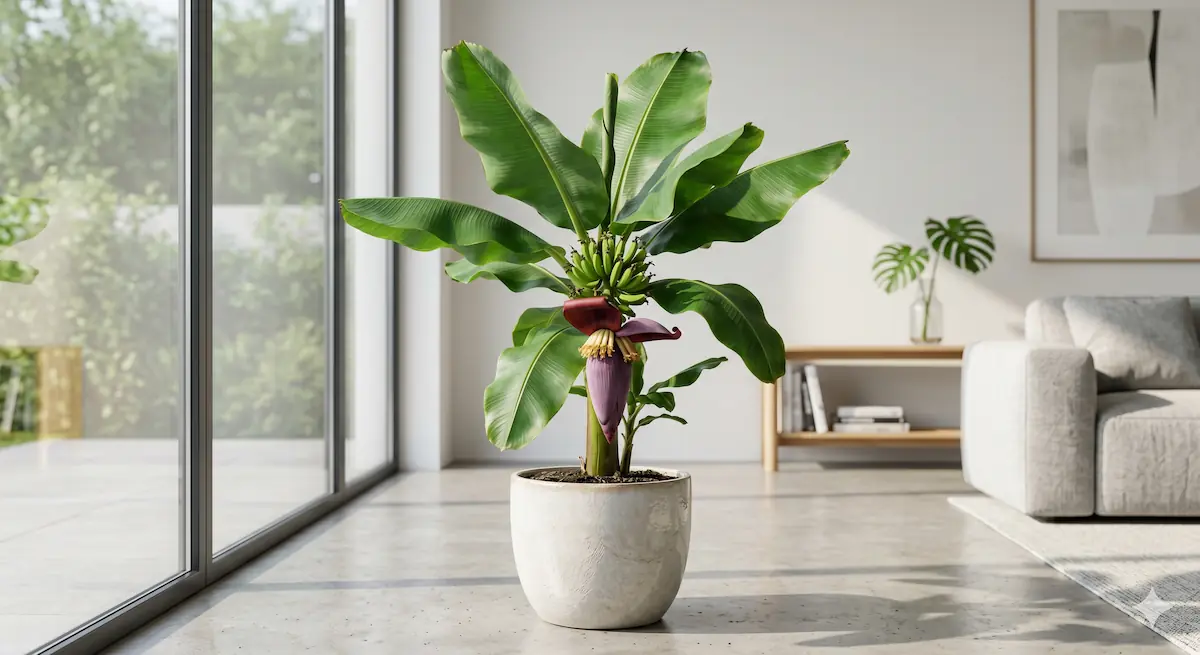
Dwarf Banana: Growing a Tropical Paradise at Home
Dreaming of your own bananas? It's possible! Learn why the banana is a "water-lover," which soil helps it bloom, and how to protect it from dry indoor air.
Read more →