
Sweet Potato: Not a Potato, but an Exotic Treat for Your Garden
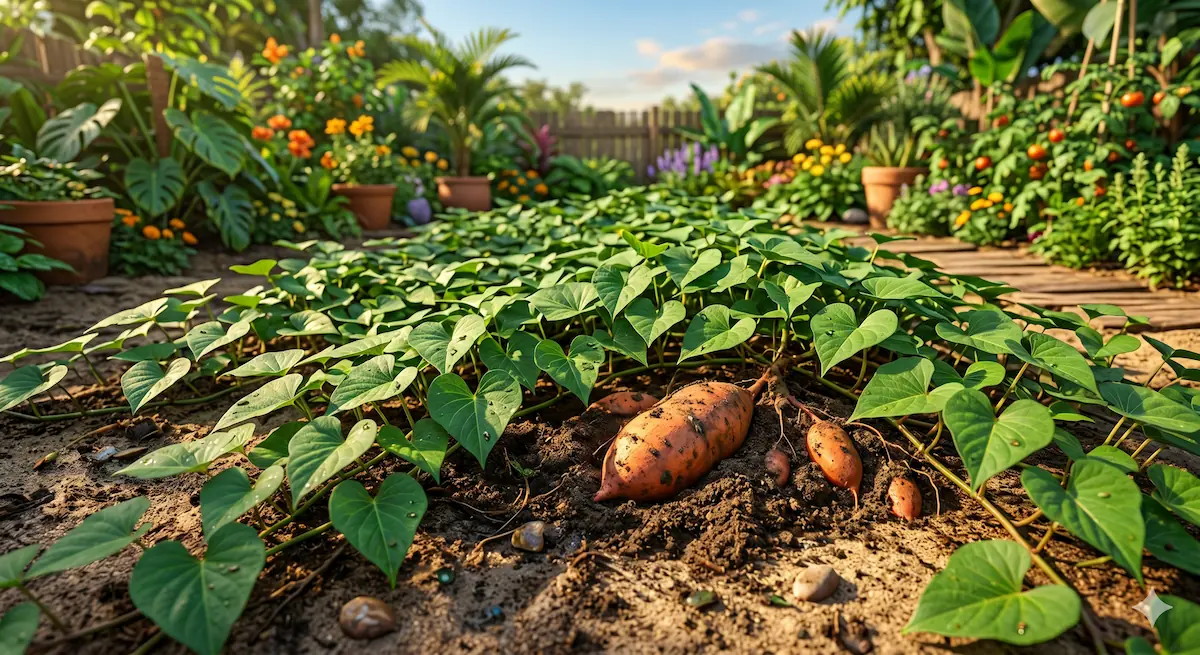
Sweet potatoes are taking over gardens. Discover why the Colorado potato beetle ignores them and how to grow this tropical vine in a temperate climate.
Sweet potatoes (batat) are often called "sweet potatoes," though biologically they aren't even relatives. This is a tropical vine that creates long runners spreading across the ground instead of upright bushes. The main advantage is that the Colorado potato beetle does not eat it, making it a dream crop for organic farming.
What Sweet Potatoes Need to Succeed:
- Plenty of Heat: Sweet potatoes only start growing when the soil warms up to +18°C (65°F). It's best to plant them in late May when the frost danger is gone.
- Sandy Soil: In heavy clay, the tubers will be small and crooked. Sweet potatoes love Sandy Soil (Type 2) where they can expand easily. Check your earth with our soil type guide to ensure the best results.
- Mulching with Film: Many gardeners grow them on black plastic film to accumulate solar energy and keep the soil warm and weed-free.
Friends and the Sweet Potato's "Superpower"
Sweet potato is one of the most peaceful and hardy crops in the garden:
- Helpful Neighbors: It gets along well with dill and legumes (peas, beans) that enrich the soil with nitrogen.
- Toxin Resistance: This is one of the few plants with a natural immunity to juglone. You can safely plant sweet potatoes even within the radius of a Walnut tree—where most other vegetables would perish, batat thrives.
- Enemies: It has no direct biological enemies, but its aggressive growth can "smother" nearby low-growing crops.
AgroPlanner Tip: Since sweet potatoes take up significant space, we have pre-configured their size in our app (a 1x1 meter area). This allows you to immediately see on the map how the vines will spread across your garden. Our system will automatically notify you if the sweet potato begins to shade its neighbors or encroach on other plants' territory, which is crucial for the overall health of your garden.
AgroPlanner App
Realize your dream garden: check plant compatibility, sun/shade needs, and save your plan easily.

Disclaimer
Important! All information in this blog is for recommendation purposes only. We are developers and enthusiasts, not certified agronomists. Results may vary based on your region, soil type, and weather. We are not responsible for potential errors or crop failures. Please verify critical advice independently!
Found this helpful? Share with friends!
Read more
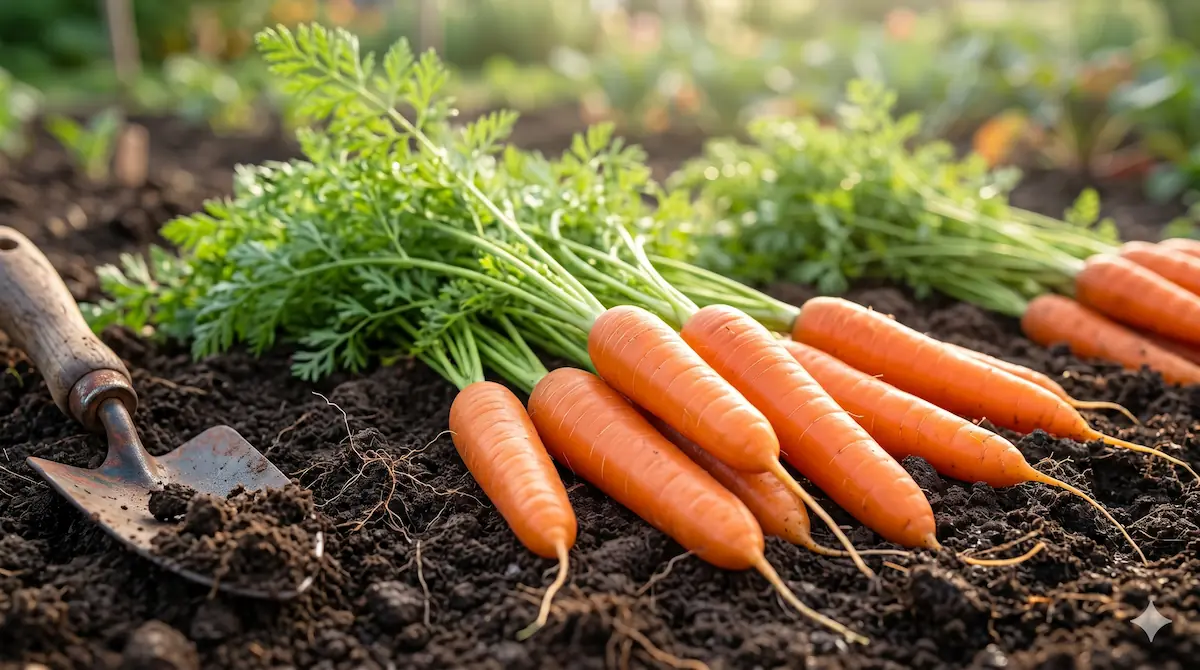
Secrets of Perfect Carrots: How to Grow Straight and Sweet Roots
Learn why carrots grow deformed, how to thin them correctly, and what to feed for maximum sweetness. Expert tips from AgroPlanner for perfect root vegetables.
Read more →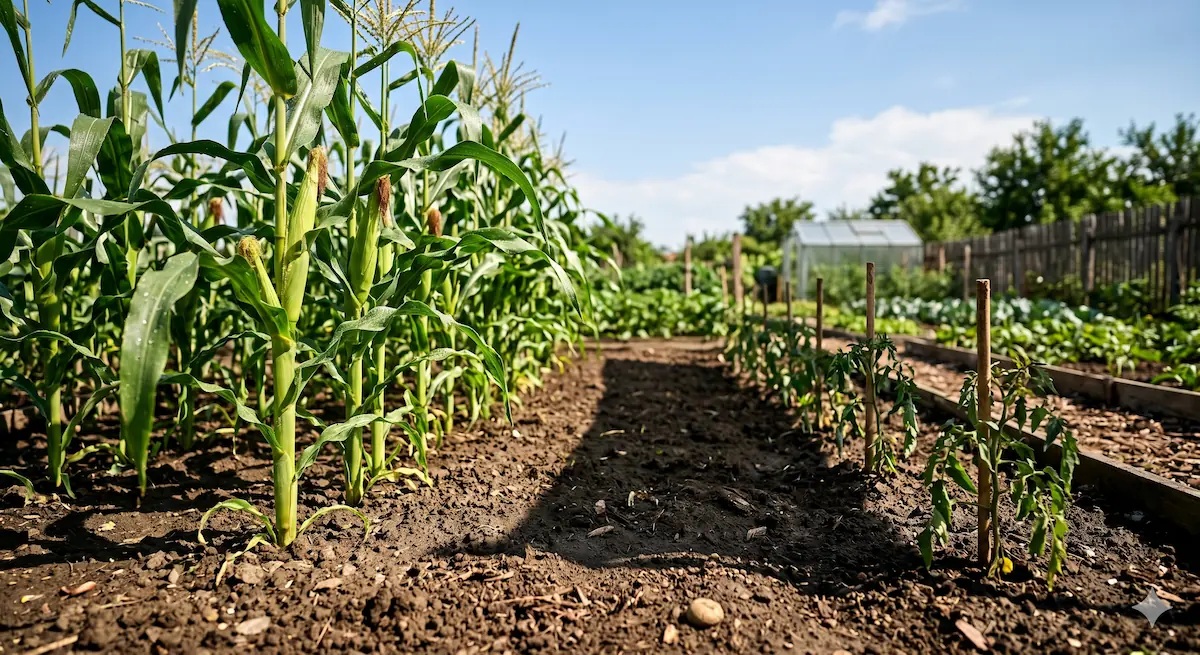
Shadow Wall: How Tall Corn Can "Kill" Your Tomatoes
Plant height is not just about looks; it's about the fight for sunlight. Learn why placing corn incorrectly can leave you without a tomato harvest.
Read more →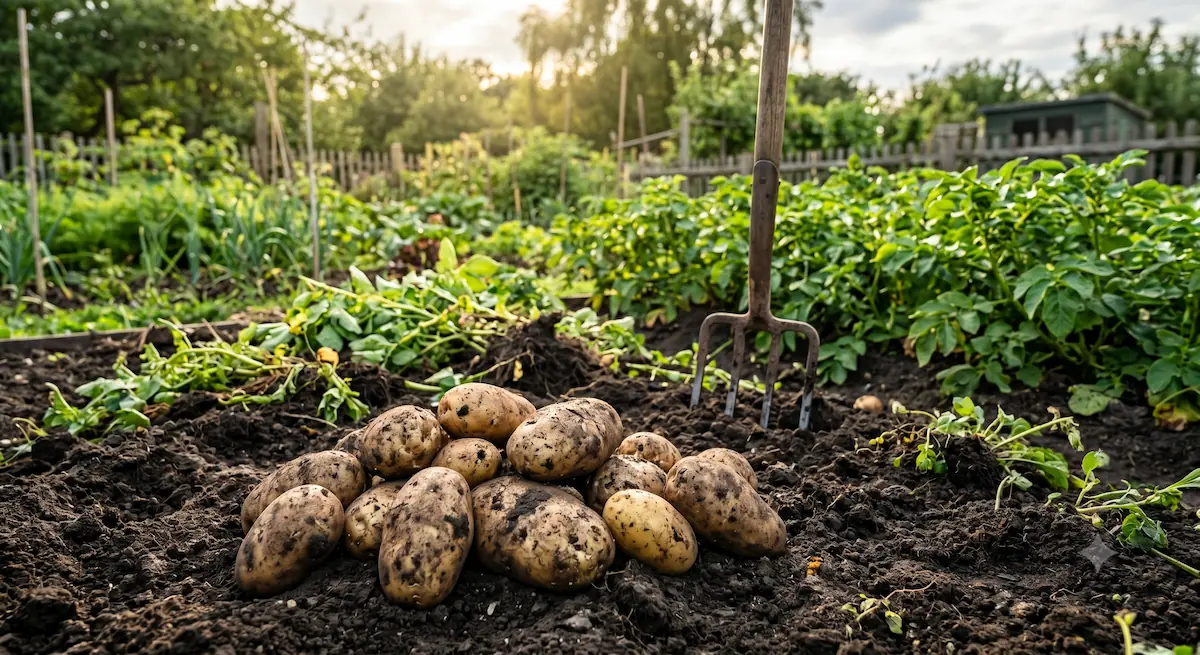
When to Dig Up Potatoes and How to Properly Store Them for Winter
Complete guide to harvesting potatoes. How to determine tuber maturity, why a curing period is mandatory, and cellar preparation secrets.
Read more →