
"Black Prince" Tomato: Growing the Sweetest Dark Variety
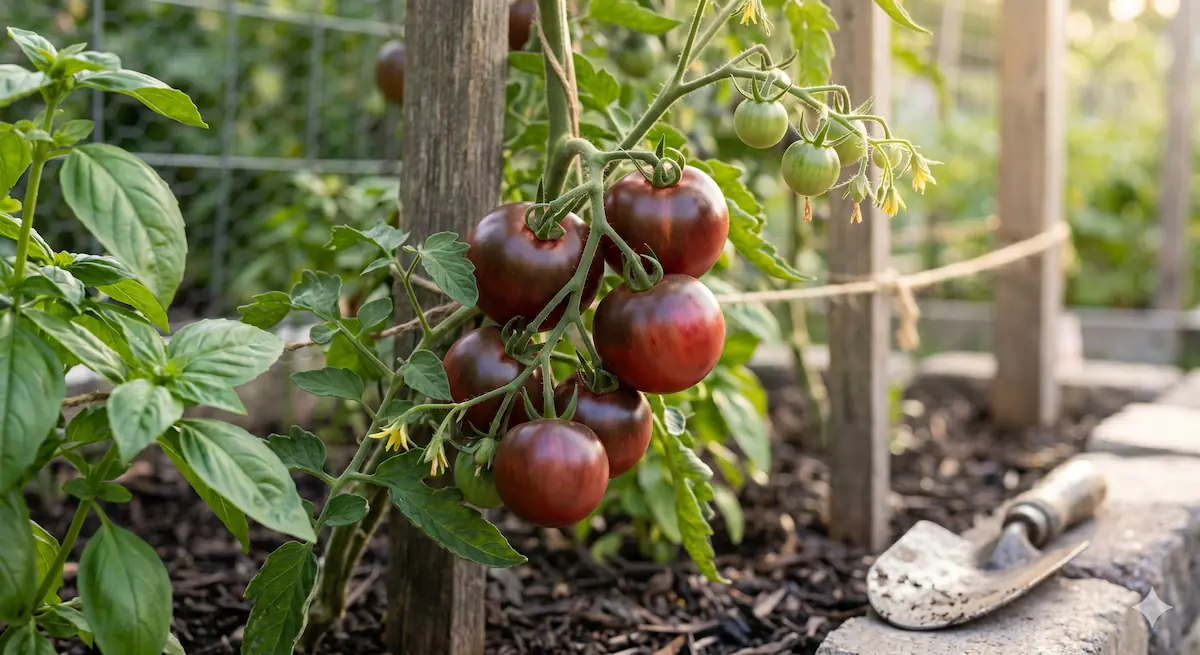
"Black Prince" is for those who value unique appearance and dessert flavor. Learn why it needs specific watering, its best companions, and how to protect it from blight.
The "Black Prince" tomato is legendary for its deep maroon color and sweet, rich flavor. The dark pigment comes from high levels of anthocyanins—powerful antioxidants. This mid-season variety thrives in warm, sunny spots, producing meaty and juicy fruits.
Soil: Foundation for Deep Color
To develop its signature dark hue and high sugar content, this tomato needs soil rich in potassium and phosphorus.
- Best Choice: Fertile Loamy soils (Type 1) or Sandy Loams (Type 2).
- Soil Check: Perform the sausage test. A cracking ring (Type 1) is ideal for nutrients. On sandier soil (Type 2), mulching is necessary to prevent roots from overheating.
Best Companions (Good)
- Basil: The ultimate partner. It enhances the flavor of dark tomatoes and repels common pests.
- Garlic: Acts as a natural antiseptic when planted between rows, reducing fungal risks.
- Marigolds: Naturally deter nematodes and attract beneficial insects to the garden.
Main Enemies (Bad)
- Potatoes: The primary threat. Shared diseases like late blight can wipe out your "Black Prince" crop in days.
- Fennel: An aggressive neighbor that inhibits tomato growth with its root secretions.
- Walnut Trees: The toxic juglone from walnuts is lethal for these seedlings.
AgroPlanner Tip: This variety has very thin skin, prone to cracking with uneven watering. In our app, it occupies a 2x2 grid to ensure proper airflow. The system will flag conflicts with potatoes and walnuts in red—respect these distances to keep your harvest healthy.
AgroPlanner App
Realize your dream garden: check plant compatibility, sun/shade needs, and save your plan easily.

Disclaimer
Important! All information in this blog is for recommendation purposes only. We are developers and enthusiasts, not certified agronomists. Results may vary based on your region, soil type, and weather. We are not responsible for potential errors or crop failures. Please verify critical advice independently!
Found this helpful? Share with friends!
Read more
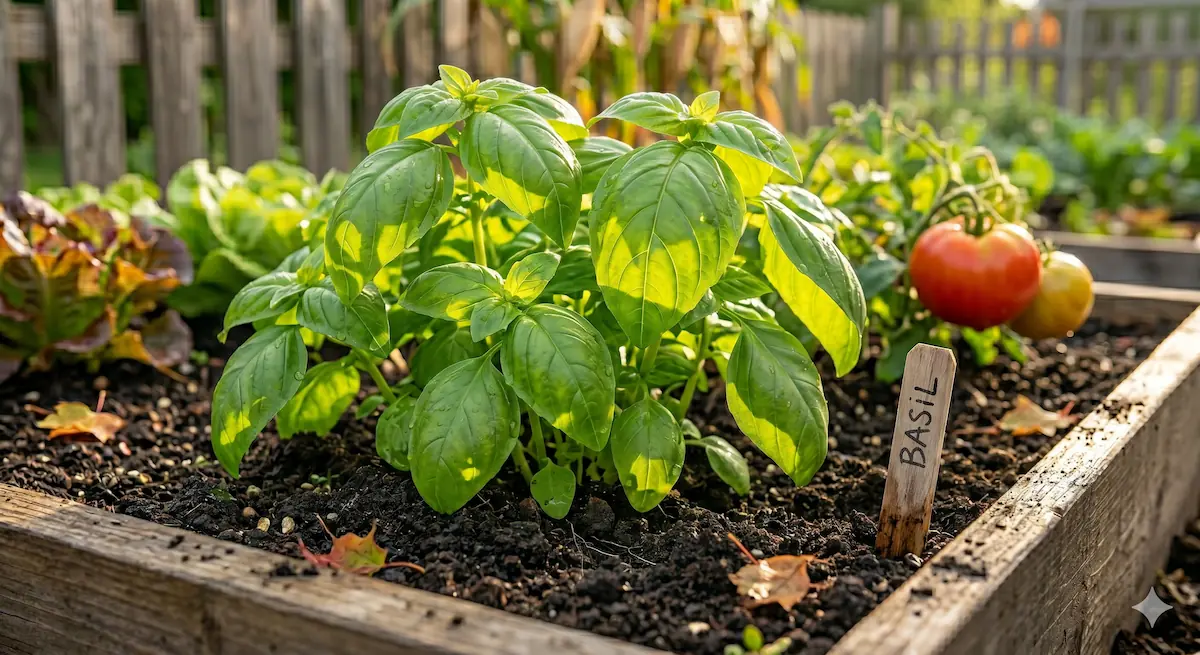
Basil: The Fragrant King of the Garden and Tomato's Best Friend
How to grow lush, aromatic basil: heat requirements, soil selection, and why pairing it with tomatoes makes it better. Tips from AgroPlanner.
Read more →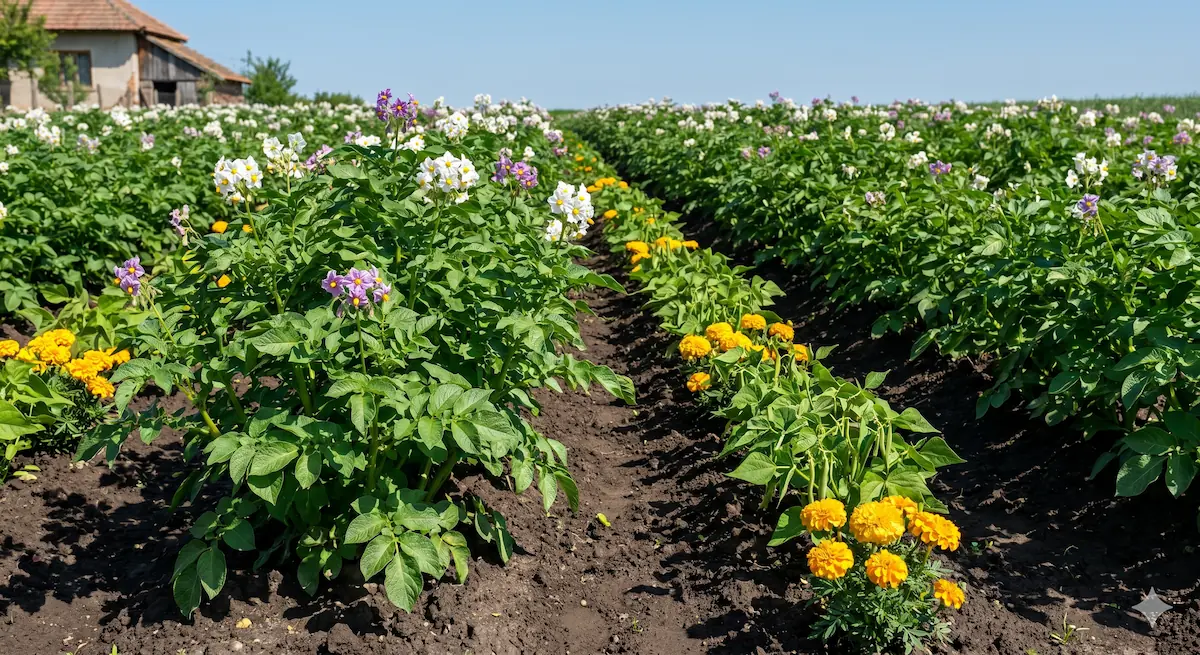
Potato Companion Planting: How to Repel Pests Naturally
Potatoes need a lot of space and protection. Discover which companion plants help repel the Colorado potato beetle and improve soil quality.
Read more →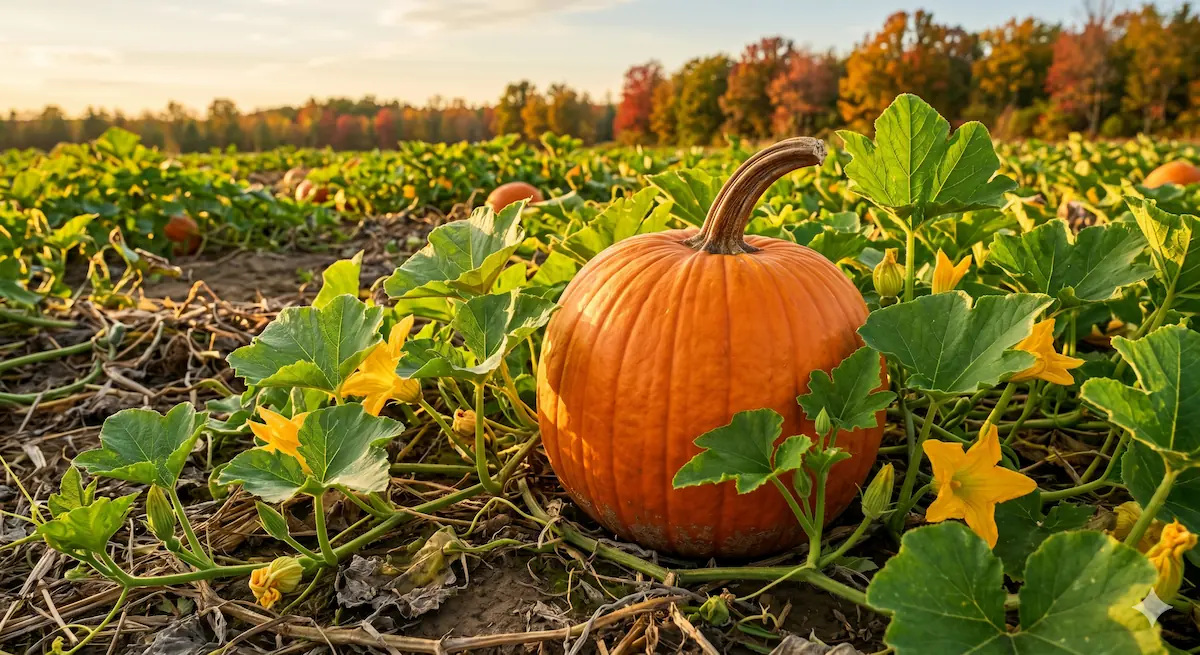
Pumpkin: How to Grow a Real Giant in Your Garden
Pumpkin is a powerhouse of health and a symbol of autumn. Learn why it loves compost piles, how to choose the right spot for its long vines, and which neighbors help it grow faster.
Read more →