
Pumpkin: How to Grow a Real Giant in Your Garden
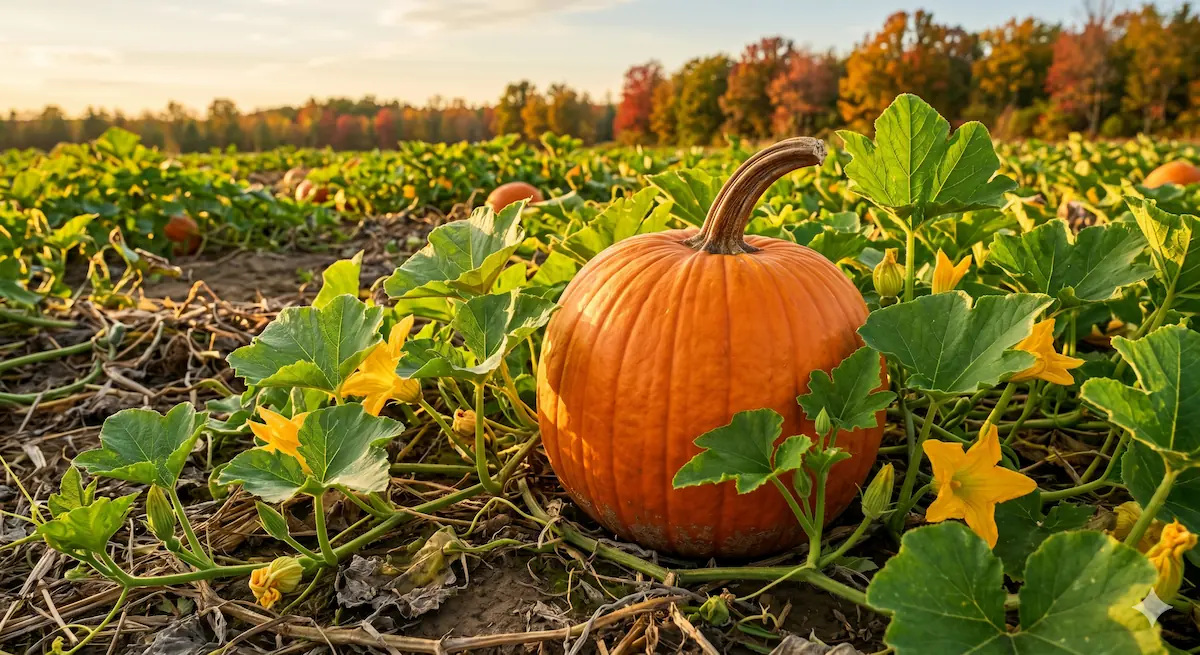
Pumpkin is a powerhouse of health and a symbol of autumn. Learn why it loves compost piles, how to choose the right spot for its long vines, and which neighbors help it grow faster.
Pumpkin (Cucurbita) is one of the most resilient and rewarding crops. It is valued for its long shelf life, culinary versatility, and high carotene content. Pumpkin is a real "heavyweight" of the garden, requiring significant space and many nutrients for full development.
Soil: Where Does the Pumpkin Grow the Largest?
Pumpkin is a major fan of organic matter. It thrives best in loose, fertile, and well-warmed soils.
- Best Choice: Fertile Loamy soils (Type 1) or humus-rich Sandy soils (Type 2).
- Soil Check: Perform the sausage test. If the soil rolls into a flexible stick (Type 1), it’s perfect: the ground will retain the moisture needed to fill out a huge fruit.
Best Companions (Good)
- Corn: Protects the pumpkin from wind and excessive heat. Check our Dobrynya sweet corn guide.
- Beans: Enrich the soil with nitrogen, which pumpkins consume in large quantities.
- Nasturtium: Repels squash bugs and decorates the garden bed.
Main Enemies (Bad)
- Walnut Trees: A traditional no-go zone. Walnut juglone inhibits the development of large fruits.
- Potatoes: Both crops are very demanding of nutrients and will "rob" each other; they also share common diseases.
- Zucchini and Cucumbers: If you plan to save seeds for next year, keep them apart to avoid cross-pollination.
AgroPlanner Tip: Pumpkins require the most space of all vegetables. In our app, one plant occupies a 3x3 or even 4x4 grid. The system will help you calculate the vine growth trajectory and will definitely flag the walnut toxic zone in red to ensure your pumpkin grows into a record-breaker.
AgroPlanner App
Realize your dream garden: check plant compatibility, sun/shade needs, and save your plan easily.

Disclaimer
Important! All information in this blog is for recommendation purposes only. We are developers and enthusiasts, not certified agronomists. Results may vary based on your region, soil type, and weather. We are not responsible for potential errors or crop failures. Please verify critical advice independently!
Found this helpful? Share with friends!
Read more
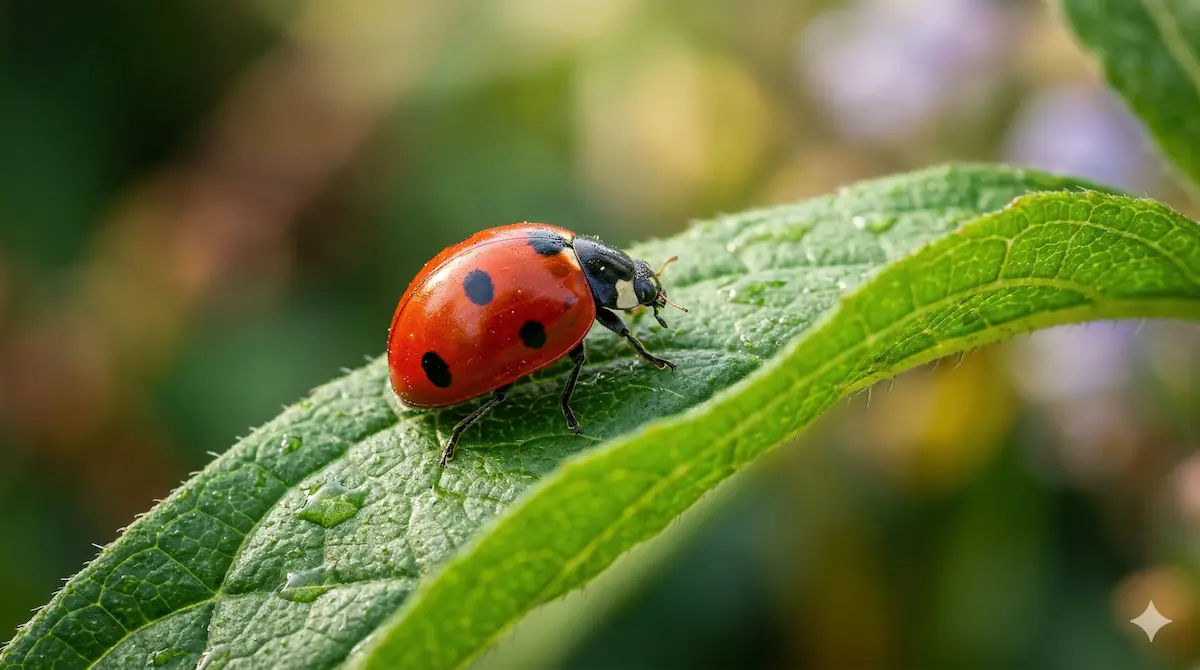
Biological Weapons in the Garden: How to Make Insects Work for Your Harvest
Forget about harsh chemicals and toxic pesticides. Learn how to attract natural predators to your plot that will effectively destroy pests for you.
Read more →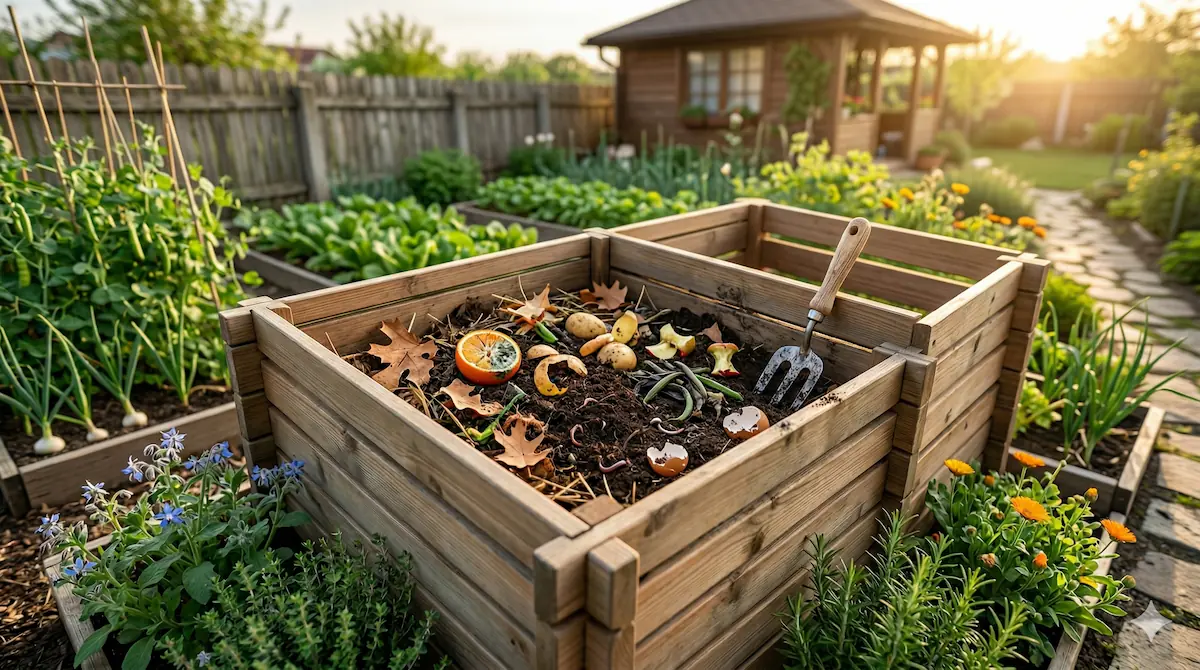
Compost 2.0: Turning Kitchen Waste into "Black Gold"
Stop throwing money in the trash. Learn the secret of fast composting without smells or flies.
Read more →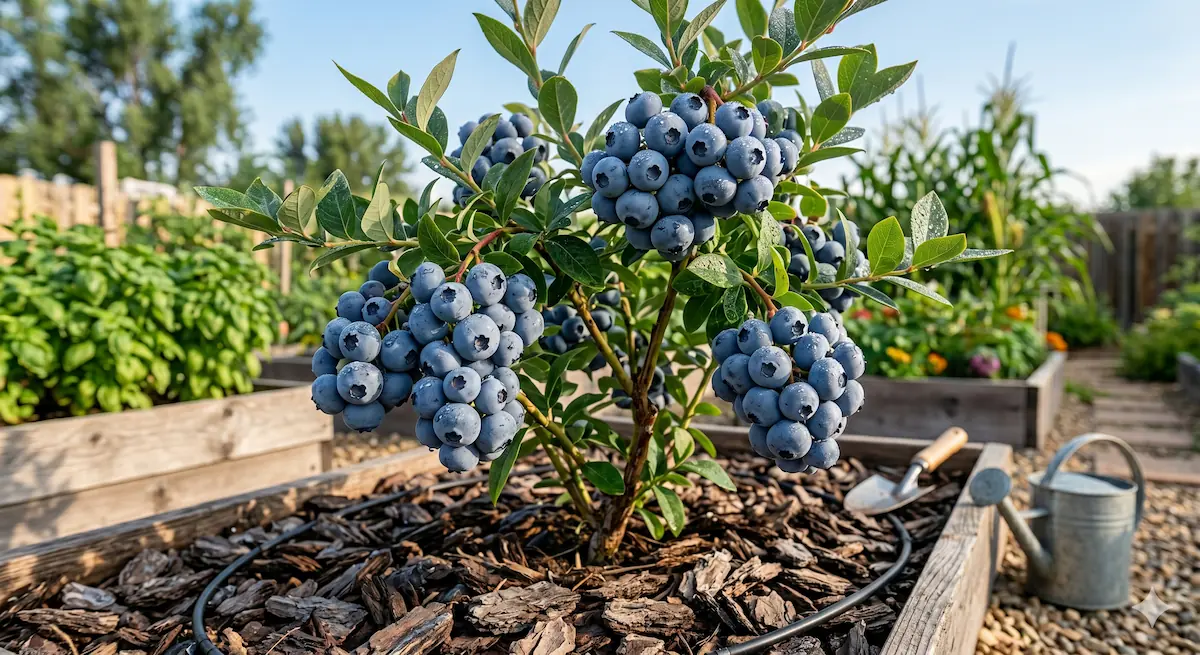
"Duke" Blueberry: Early Harvest and Acidic Soil Secrets
The "Duke" variety is the standard for early blueberries. Learn why regular garden soil is lethal for it and what to plant nearby for the sweetest berries.
Read more →