
Black Radish: A Natural Pharmacy in Your Garden
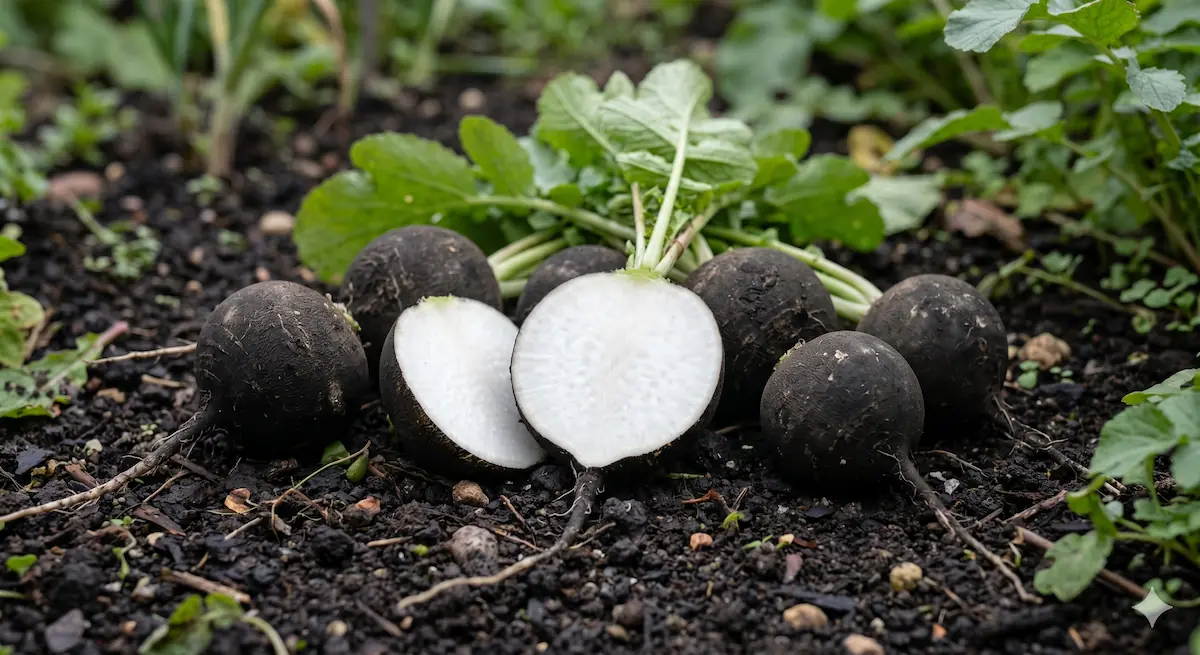
Black radish is a legendary remedy for colds. Learn why it prefers short daylight hours, how to provide proper irrigation, and why it should never be planted near cabbage.
Black Winter Radish (Raphanus sativus niger) is a powerhouse of phytoncides and vitamins. Known for its spicy bite, it is indispensable in traditional medicine. The key to growing black radish is the timing of the sow. As a short-day plant, if sown too early in spring, it will bolt (flower) instead of forming a root.
Soil: Where Does Radish Get Its Spicy Kick?
Black radish needs dense yet fertile soil that retains moisture well.
- Best Choice: Fertile Loamy soils (Type 1) with a neutral pH.
- Soil Check: Perform the sausage test. If the soil rolls into a flexible stick (Type 1), it’s perfect: the radish will get enough water to avoid becoming woody.
Best Companions (Good)
- Cucumbers: Radish repels some cucumber pests, while the cucumbers provide shade from the harsh sun. Read our cucumber care and watering guide.
- Tomatoes and Eggplants: Coexist well on the same plot.
- Spinach: An excellent partner for intercropping.
Main Enemies (Bad)
- Walnut Trees: Walnut juglone makes the radish weak and prone to disease.
- Cabbage (All types): Share common pests (flea beetles) that can destroy the crop in days. See our cabbage companion planting guide.
- Drought: Without regular watering, black radish becomes hollow inside and unbearably bitter.
AgroPlanner Tip: For winter storage, black radish is usually sown in July. In our app, it occupies a 1x1 grid. The system helps you plan "second-wave" plantings after early greens and will definitely flag the walnut toxic zone in red.
AgroPlanner App
Realize your dream garden: check plant compatibility, sun/shade needs, and save your plan easily.

Disclaimer
Important! All information in this blog is for recommendation purposes only. We are developers and enthusiasts, not certified agronomists. Results may vary based on your region, soil type, and weather. We are not responsible for potential errors or crop failures. Please verify critical advice independently!
Found this helpful? Share with friends!
Read more
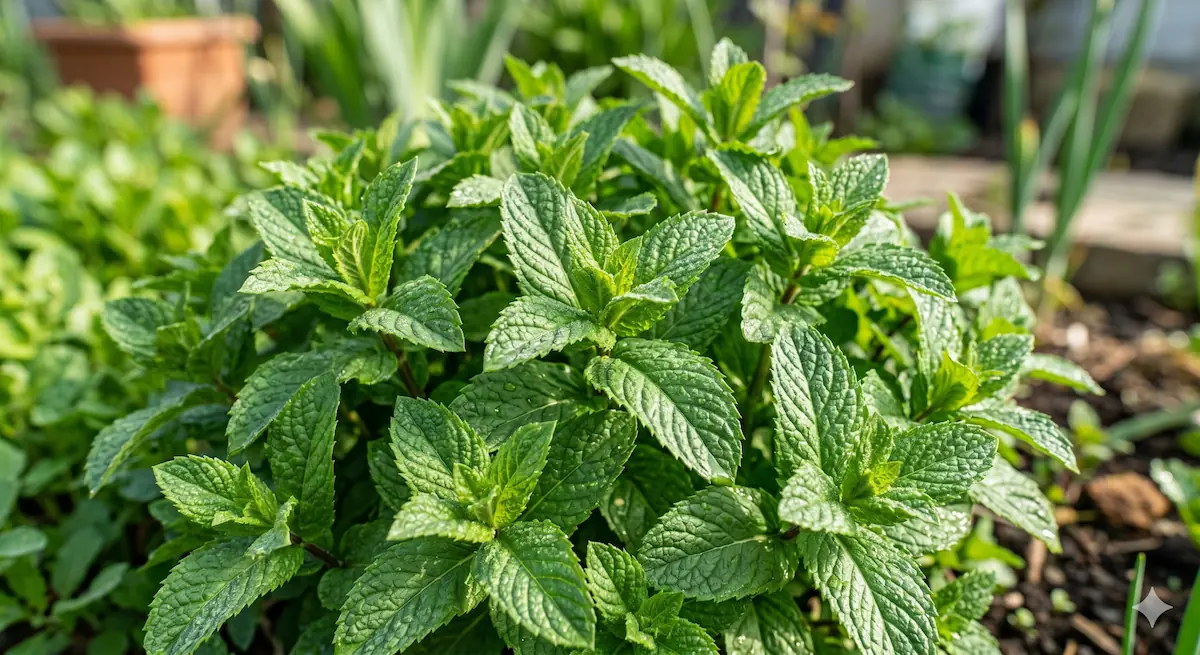
Growing Mint in the Garden: How to Grow Fragrant Greens and Contain the "Invader"
Mint growing secrets from AgroPlanner. Learn why it’s better to plant mint in a confined space, how to ensure a rich aroma, and how to correctly harvest for tea and drinks.
Read more →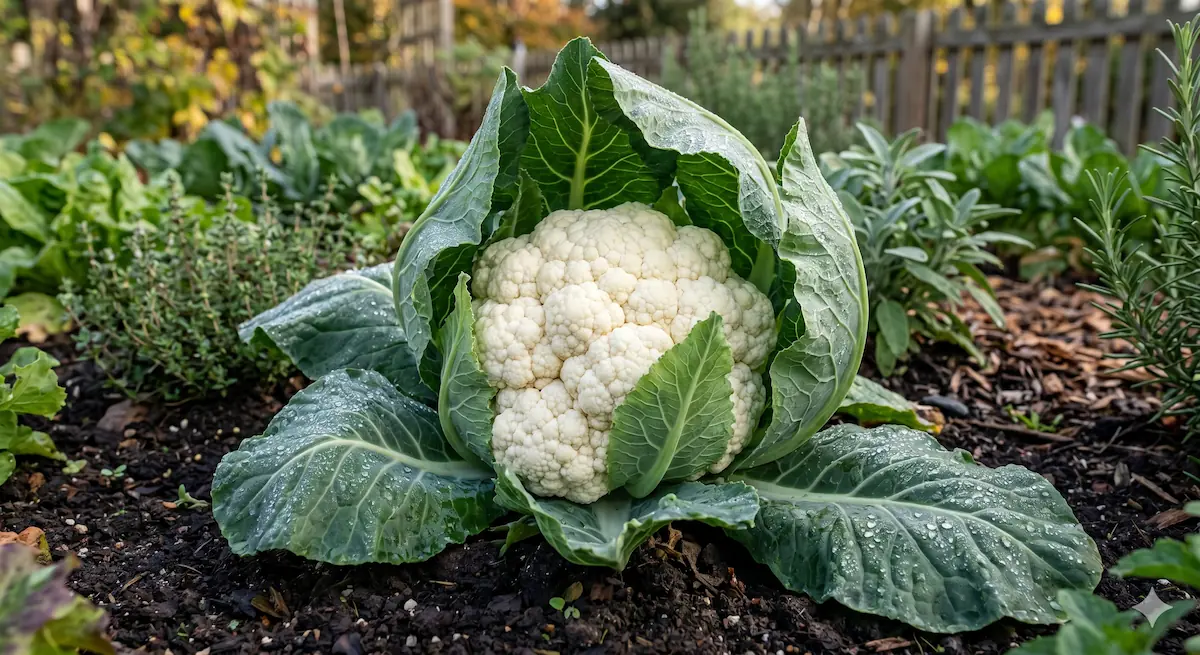
Snowball Cauliflower: The Classic for Pure White Heads
Snowball is one of the most popular early cauliflower varieties. Discover the secrets to keeping the heads white, why it needs regular watering, and how to protect it from the heat.
Read more →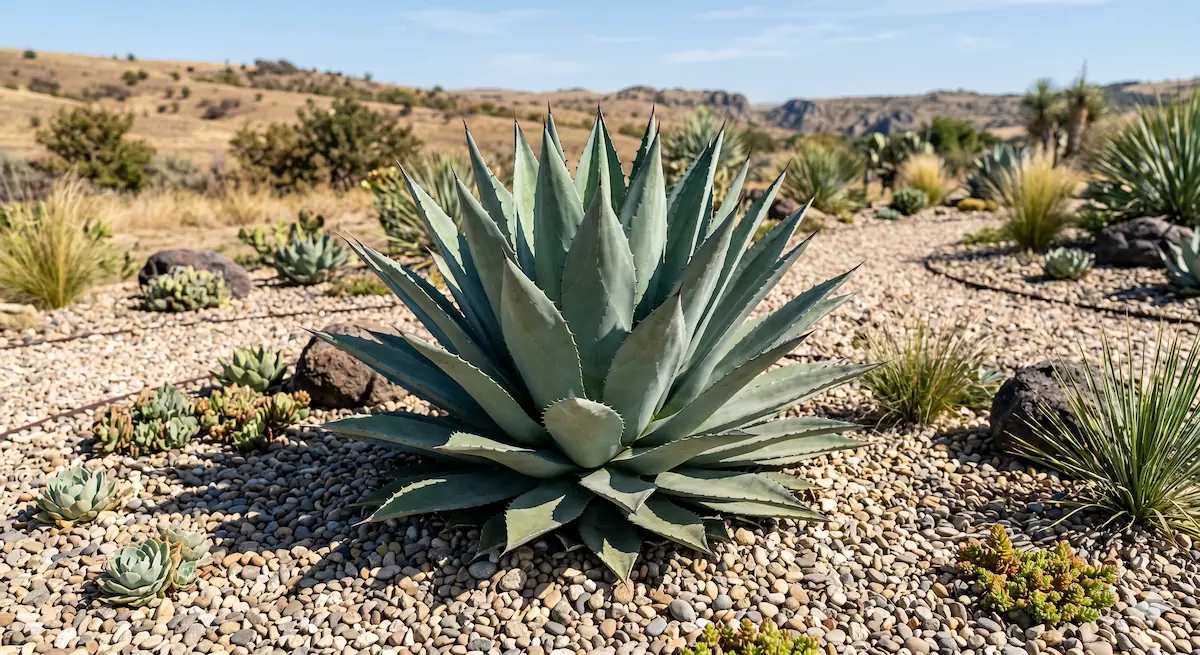
Agave: Architectural Beauty and Desert Resilience
Agave is a symbol of endurance. Learn why it blooms only once in a lifetime, how to provide perfect drainage, and which companions highlight its monumental form.
Read more →