
"Bull's Heart" Tomato: How to Grow the Sweet Giant
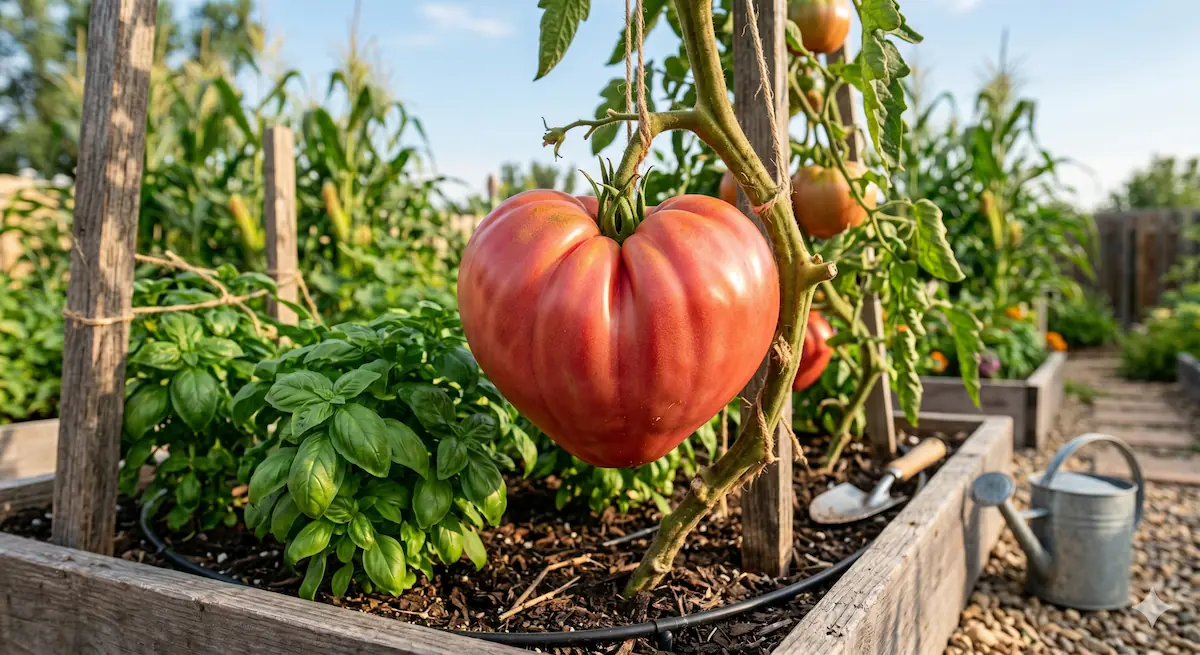
"Bull's Heart" is the gold standard for home-grown tomatoes. Learn how to prepare the soil for these giants, find their best companions, and avoid late blight.
The "Bull's Heart" variety is legendary: giant fruits weighing up to 500-800 grams, a heart-like shape, and meaty, sugary flesh. Being a late-maturing variety, it requires plenty of sun and very sturdy stakes, as the heavy crop can easily snap the branches.
Soil: The Foundation for a Record Harvest
Growing such large fruits requires a massive amount of nutrients. Tomatoes need loose, well-aerated soil.
- Best Choice: Fertile Loamy soils (Type 1).
- Soil Check: Perform the sausage test. A cracking ring (Type 1) is ideal. If the soil is too heavy (Clay, Type 3), the roots may suffocate, and the large fruits might crack from uneven moisture.
Best Companions (Good)
- Basil: Improves flavor and repels tomato hornworms.
- Carrots: Their roots aerate the soil, helping the tomato plants get more oxygen.
- Marigolds: Naturally kill soil nematodes that attack tomato roots.
Main Enemies and Hazards (Bad)
- Potatoes: The ultimate enemy. They share late blight. If potatoes get infected, your "Bull's Heart" crop will perish within days.
- Fennel: Releases growth-inhibiting toxins into the soil.
- Walnut Trees: The substance juglone from walnuts is lethal for tomato seedlings.
AgroPlanner Tip: "Bull's Heart" is a tall, indeterminate variety. In our app, it occupies a 2x2 grid to ensure proper airflow. The system will flag proximity to potatoes in red—keep them on opposite sides of your garden to avoid blight!
AgroPlanner App
Realize your dream garden: check plant compatibility, sun/shade needs, and save your plan easily.

Disclaimer
Important! All information in this blog is for recommendation purposes only. We are developers and enthusiasts, not certified agronomists. Results may vary based on your region, soil type, and weather. We are not responsible for potential errors or crop failures. Please verify critical advice independently!
Found this helpful? Share with friends!
Read more
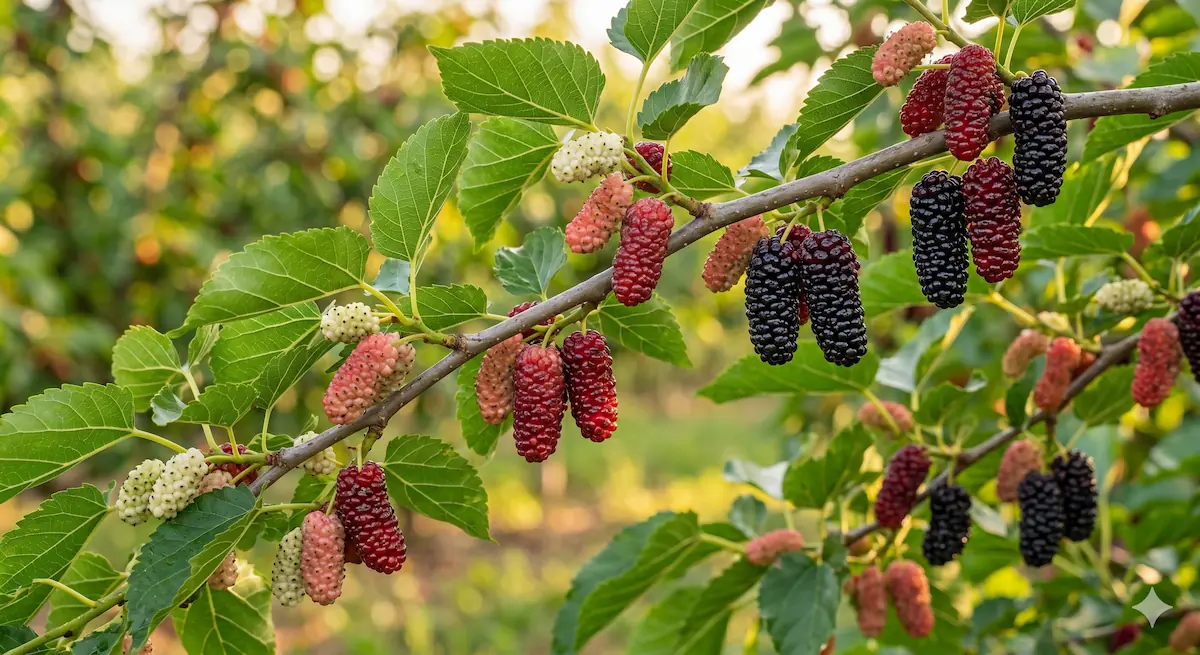
Mulberry: The Legendary Tree for Your Backyard
Mulberries are a powerhouse of vitamins and provide excellent shade. Learn how to choose between black and white varieties and how to keep their growth in check.
Read more →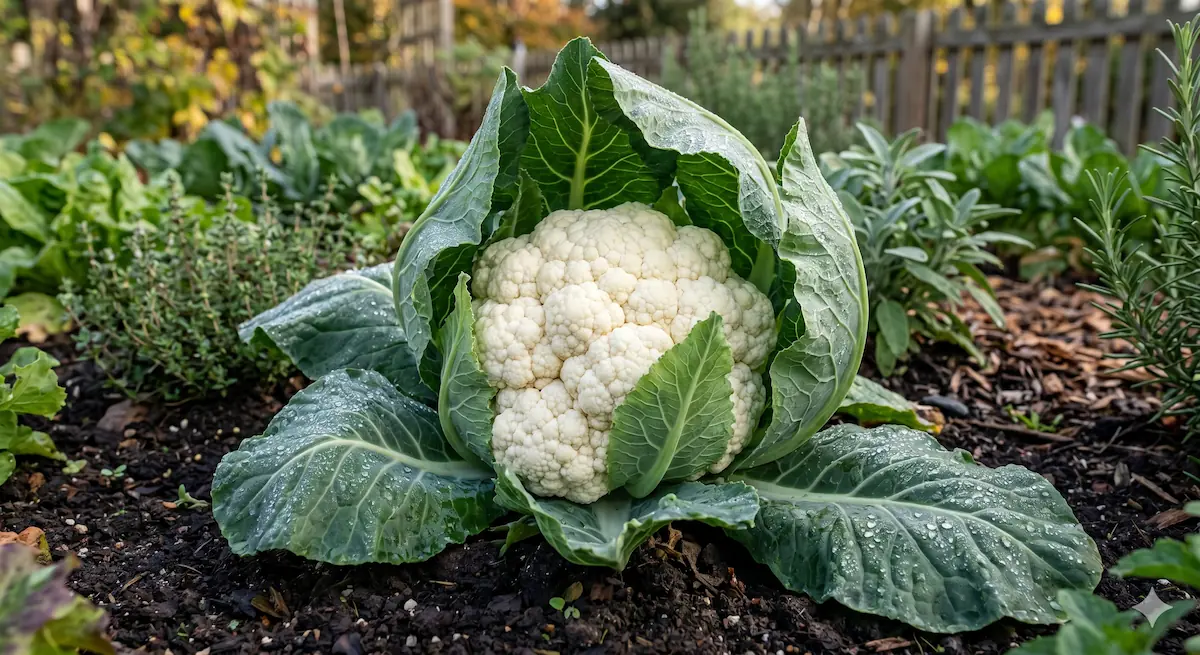
Snowball Cauliflower: The Classic for Pure White Heads
Snowball is one of the most popular early cauliflower varieties. Discover the secrets to keeping the heads white, why it needs regular watering, and how to protect it from the heat.
Read more →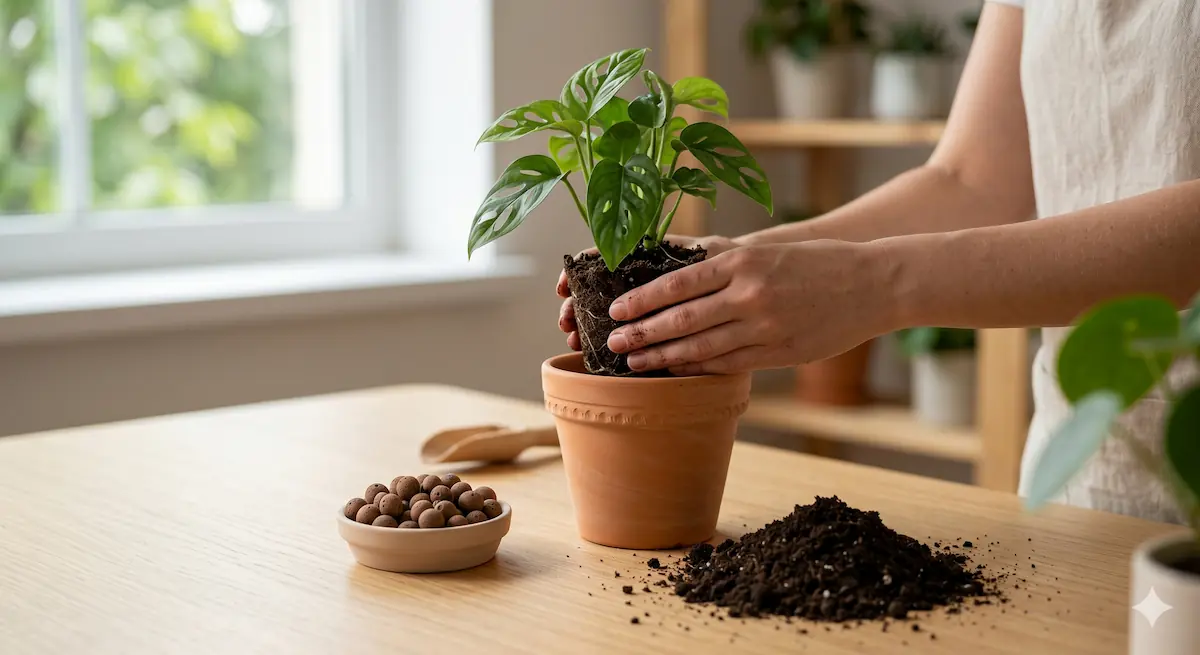
How to Pot a Plant Properly: A Step-by-Step Guide for Beginners
Repotting a houseplant or seedling causes stress to its roots. Our detailed guide will help you do everything right: from choosing the pot to the first watering.
Read more →