
Mulberry: The Legendary Tree for Your Backyard
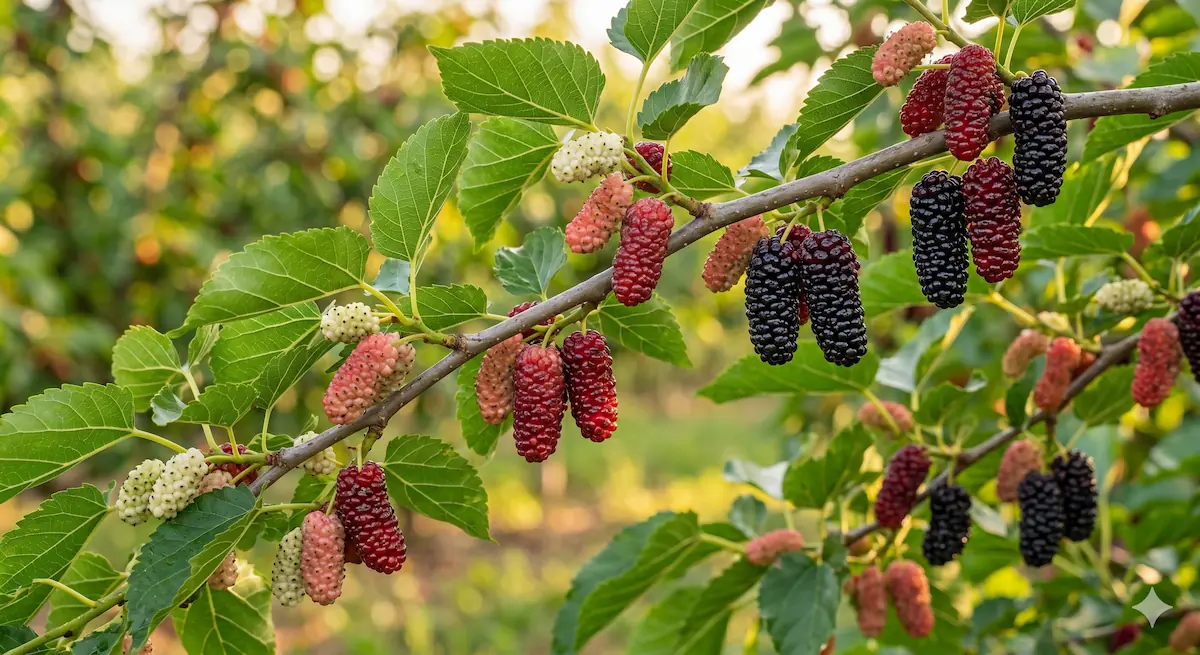
Mulberries are a powerhouse of vitamins and provide excellent shade. Learn how to choose between black and white varieties and how to keep their growth in check.
The Mulberry is a tree that can live and bear fruit for over 200 years. It is one of the most resilient crops, offering sweet berries rich in iron and potassium. Black mulberries have a rich, slightly tart flavor, while white mulberries are sugar-sweet and often used for drying.
Soil: Where Does the Mulberry Root Deeply?
The mulberry has an incredibly powerful root system that can reach water even from great depths.
- Best Choice: Any soil type, but Loams (Type 1) or Clay (Type 3) are best.
- Soil Check: Perform the sausage test. Even if the soil rolls into a perfect ring (Type 3), the mulberry will thrive as it is a true survivor.
Best Companions (Good)
- Grapes: Mulberries were historically used as living trellises for vines.
- Blackberries: Love the dappled shade provided by the mulberry's canopy. Check out our Cumberland black raspberry guide.
- Honeysuckle: Grows well around the perimeter of the canopy.
Main Enemies (Bad)
- Walnut Trees: Even a giant like the mulberry will lose the resource battle within the walnut's toxic zone.
- Foundations and Fences: Never plant a mulberry closer than 5 meters to a building. Its roots are strong enough to lift pavement or damage foundations.
- White Walls and Walkways: Black mulberry fruits leave stains that are nearly impossible to remove.
AgroPlanner Tip: The mulberry is a true giant. In our app, it occupies a 6x6 or 7x7 grid. The system will suggest pruning to prevent it from becoming a 15-meter skyscraper. A tip for the lazy: spread landscape fabric under the tree and shake the trunk to harvest berries easily!
AgroPlanner App
Realize your dream garden: check plant compatibility, sun/shade needs, and save your plan easily.

Disclaimer
Important! All information in this blog is for recommendation purposes only. We are developers and enthusiasts, not certified agronomists. Results may vary based on your region, soil type, and weather. We are not responsible for potential errors or crop failures. Please verify critical advice independently!
Found this helpful? Share with friends!
Read more
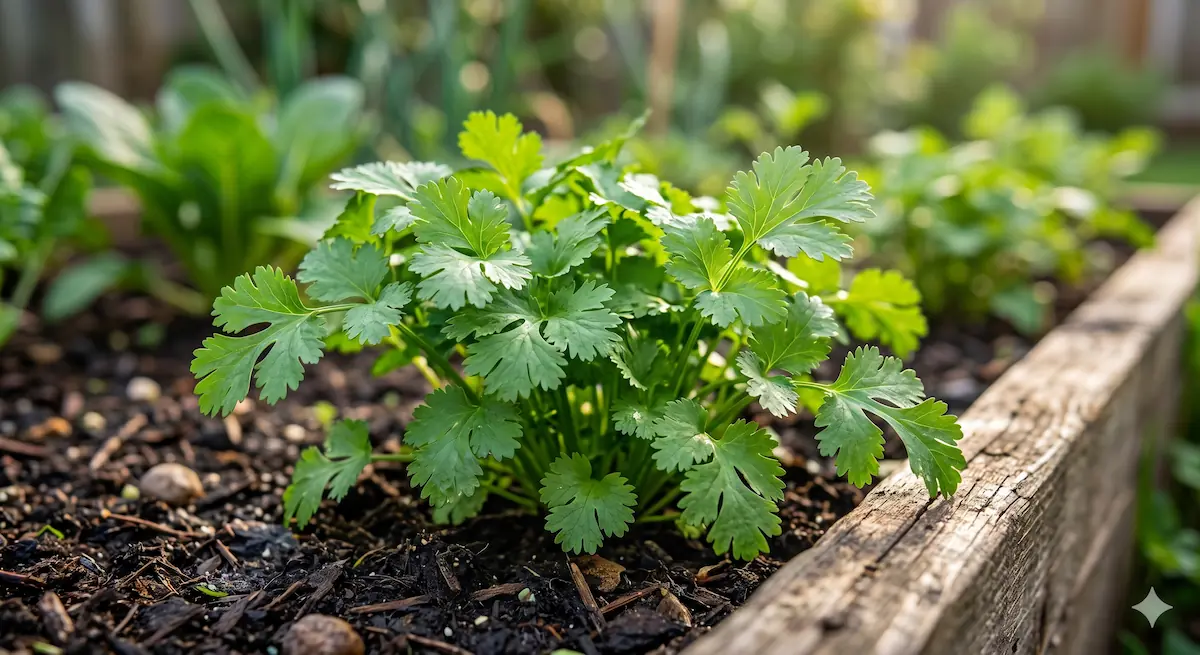
Cilantro: How to Grow Fragrant Greens and Prevent Bolting
Learn why cilantro goes to seed so quickly and how to harvest juicy leaves all season long. Coriander growing secrets and care tips from AgroPlanner.
Read more →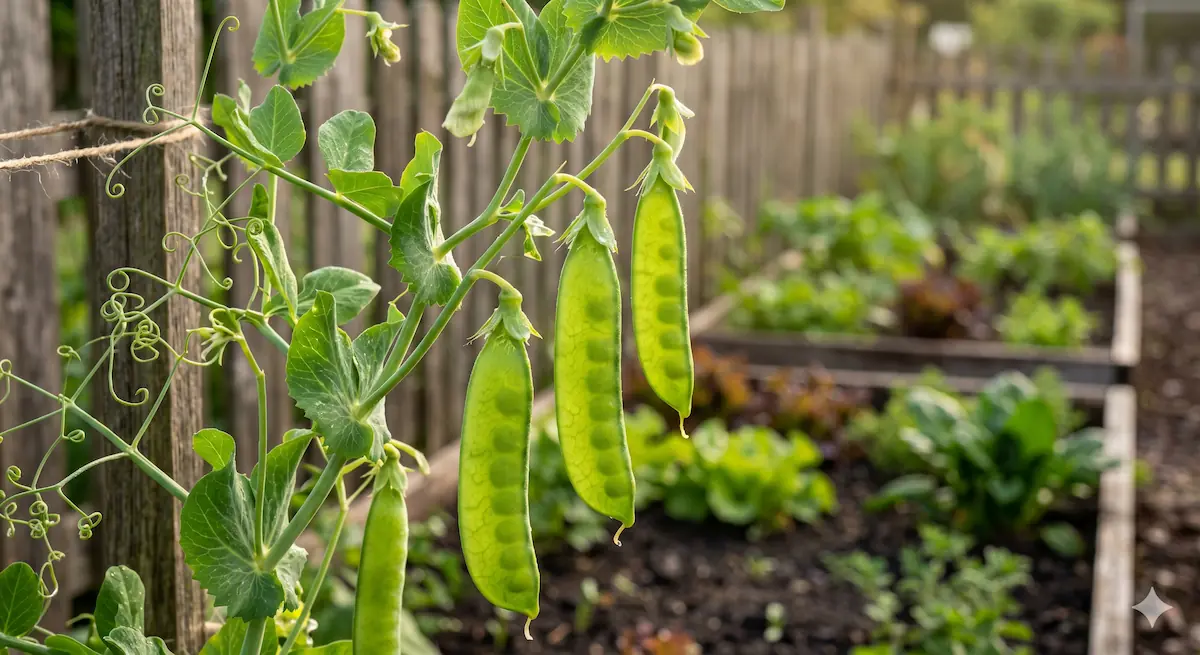
Peas: How to Grow a Sweet Harvest and Enrich Your Soil
Secrets to growing peas: from soil selection to strategic companion planning. Learn how peas act as a natural fertilizer for your garden.
Read more →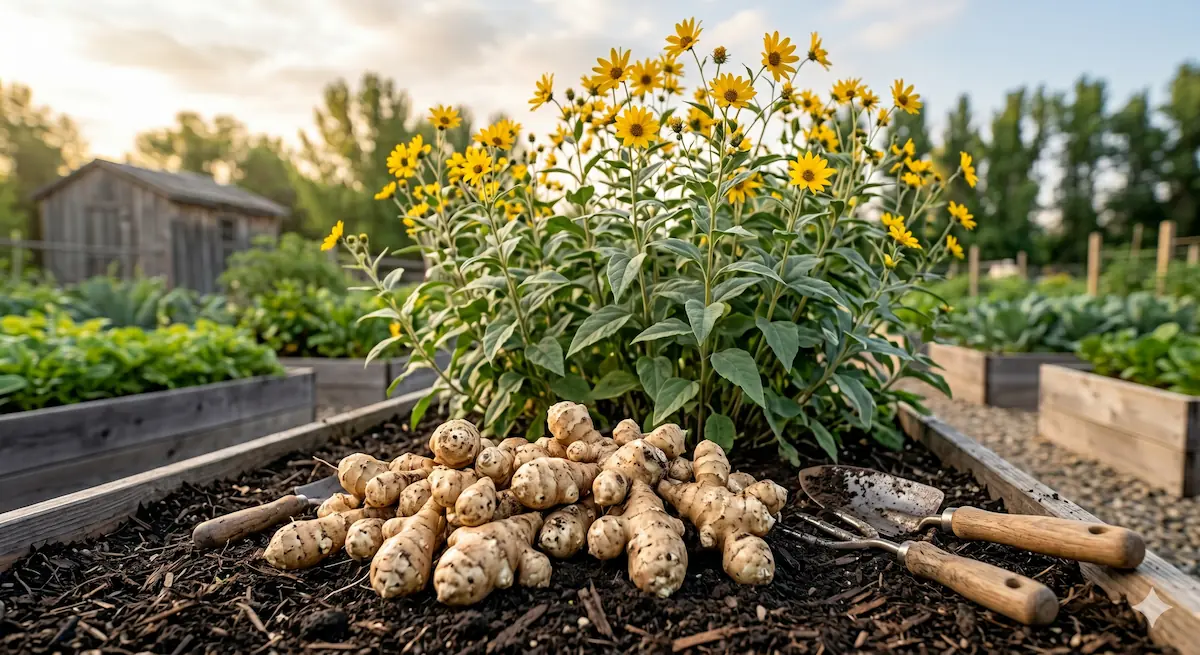
Jerusalem Artichoke: The "Smart" Potato That Defies Frost
Jerusalem Artichoke is a sunflower relative with edible tubers. Learn why you don't need to dig it up for winter, how it cleans the soil, and why it's perfect for lazy gardeners.
Read more →