
Growing Cherries: Site Selection, Pollination, and Neighbors
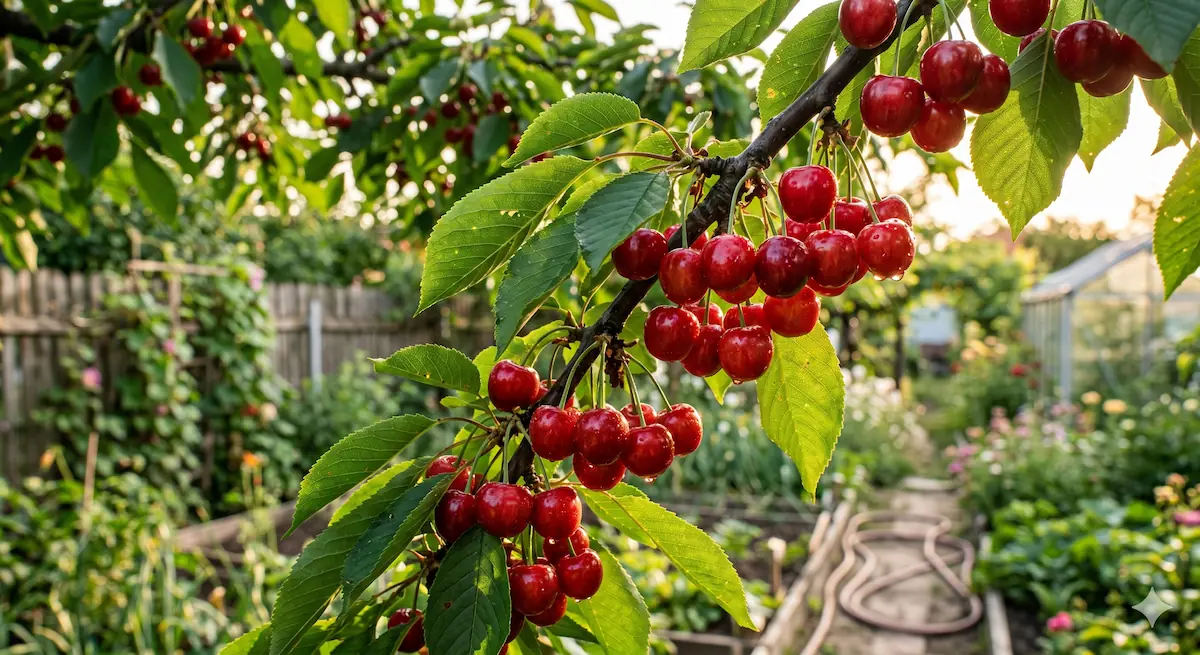
Why isn't your cherry tree fruiting? Learn how to choose the perfect spot for your cherries, considering lighting, soil type, and plant compatibility.
The cherry tree is a staple in many gardens. However, gardeners often complain about low yields or tree diseases. In most cases, the issue isn't with the care provided, but rather that the tree was planted in a "bad" environment or in the wrong type of soil.
Sunlight: The Engine of Your Harvest
Cherries strictly cannot tolerate shade. If you plant a cherry tree near a tall wall or a larger tree that blocks the light, the tree will be weak and the berries sour. Our planner will automatically flag a conflict if the cherry tree is placed in a shaded zone. For sweet berries, the tree needs at least 6-8 hours of direct sunlight daily.
Ideal Soil
Cherries perform best on Loam (Type 1). This is the "golden middle"—it holds moisture well without becoming waterlogged after rain. If your soil is heavy clay or dry sand, the tree will grow slowly, and the berries will remain small. Check your soil type using our guide to ensure your cherries thrive.
Neighbors: Friends and Dangerous Enemies
When placing your cherry tree on the garden map, consider its environment:
- Friends: Cherries love being near other cherry and sweet cherry trees for better cross-pollination. They also get along well with grapes.
- Enemies: Never plant a cherry tree within the toxic radius of a Walnut tree. Cherries are extremely sensitive to walnut toxins, and their roots will suffer. Also, avoid planting near Apricot trees—they often compete for the same nutrients and share common pests.
AgroPlanner Tip: Consider the final size of an adult cherry tree. As it grows, its crown will eventually start to shade neighboring garden beds. Use our planner to visualize the tree's future growth and understand which vegetables might end up in the shade in a few years.
AgroPlanner App
Realize your dream garden: check plant compatibility, sun/shade needs, and save your plan easily.

Disclaimer
Important! All information in this blog is for recommendation purposes only. We are developers and enthusiasts, not certified agronomists. Results may vary based on your region, soil type, and weather. We are not responsible for potential errors or crop failures. Please verify critical advice independently!
Found this helpful? Share with friends!
Read more
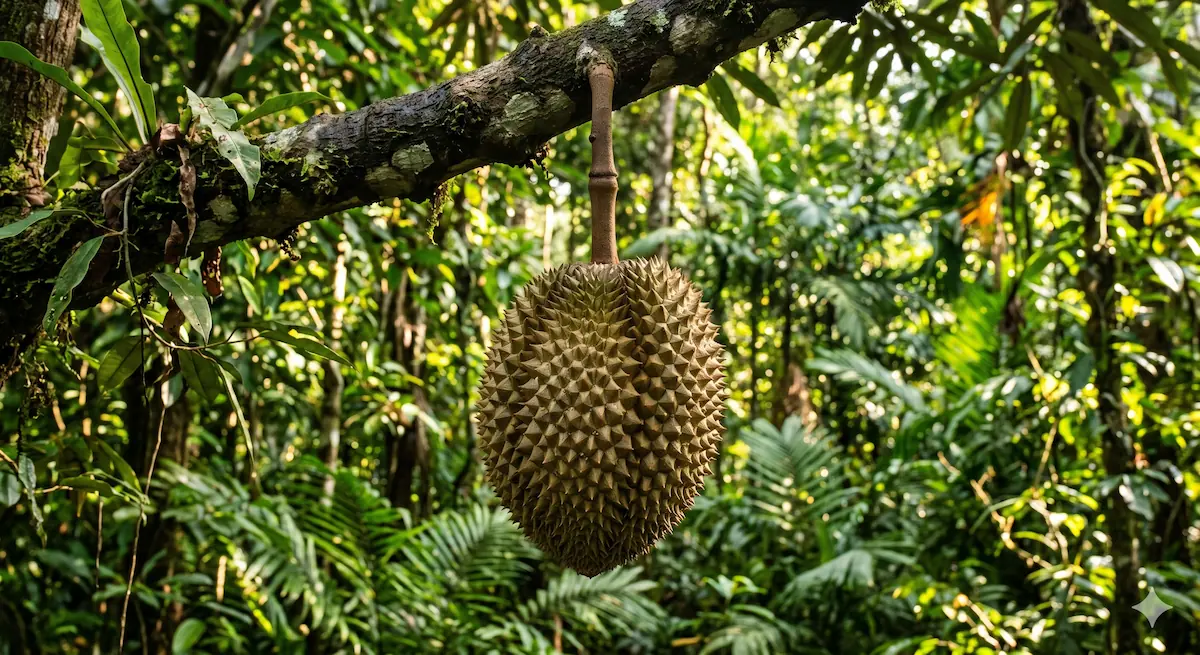
Durian: Growing the "King of Fruits" in a Conservatory
Durian is the world's most controversial fruit. Learn how to create a tropical microclimate, why it needs stable heat, and if it's possible to harvest fruit indoors.
Read more →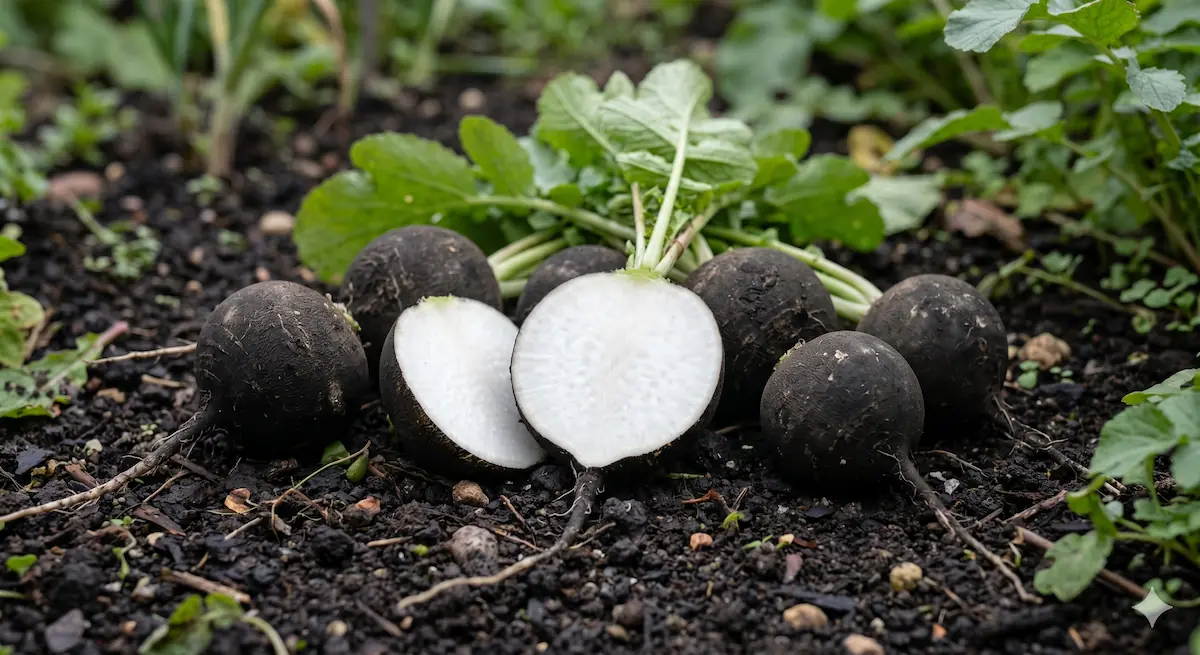
Black Radish: A Natural Pharmacy in Your Garden
Black radish is a legendary remedy for colds. Learn why it prefers short daylight hours, how to provide proper irrigation, and why it should never be planted near cabbage.
Read more →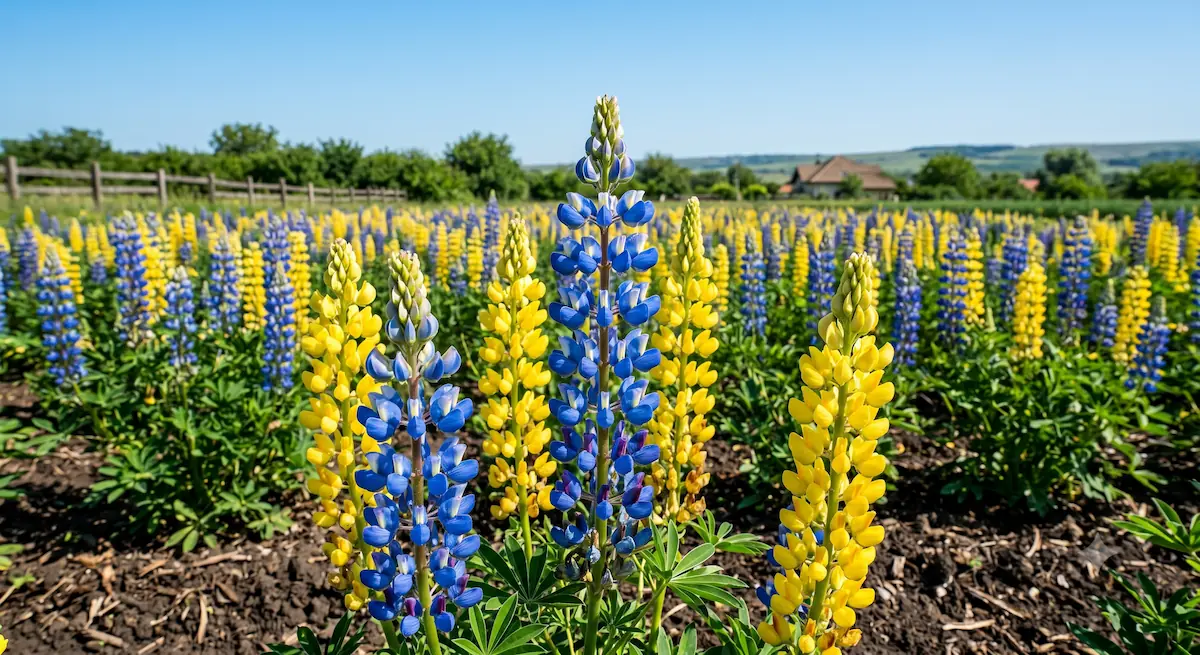
Lupine as Green Manure: How to Remediate Poor and Acidic Soil
Looking for a powerful green manure for summer sowing? Learn how lupine enriches the ground with nitrogen and loosens deep soil layers.
Read more →