
Durian: Growing the "King of Fruits" in a Conservatory
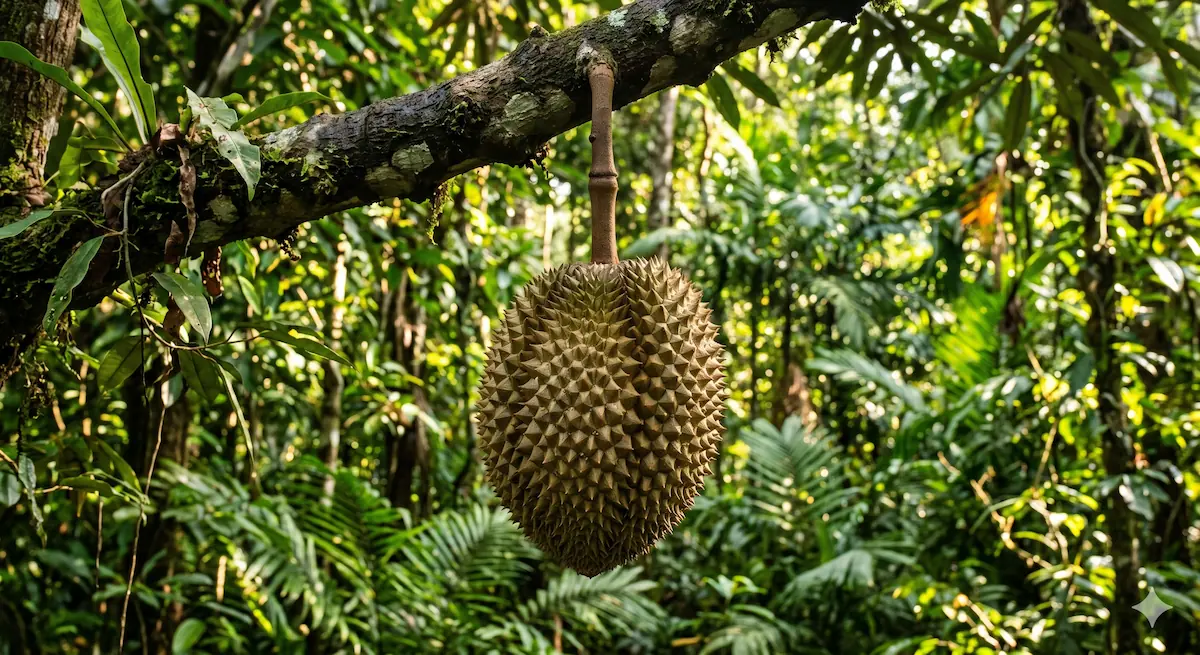
Durian is the world's most controversial fruit. Learn how to create a tropical microclimate, why it needs stable heat, and if it's possible to harvest fruit indoors.
Durian (Durio zibethinus) is the legendary plant of Southeast Asia. Its fruits are covered in sharp spikes, hiding a creamy flesh with a custard-like taste and... a very specific aroma. This giant tree can reach 40 meters in nature, but in a tall conservatory, its growth can be managed through careful pruning.
Soil: Where Does Durian Feel at Home?
Durian requires extremely fertile, deep, and well-drained soil. It cannot tolerate dry conditions at all.
- Best Choice: Fertile Loamy soils (Type 1) or organic-rich Sandy soils (Type 2).
- Soil Check: Perform the sausage test. If the soil rolls into a flexible stick (Type 1), it’s perfect: the ground will retain the moisture needed to nourish a powerful tree.
Best Companions (Good)
- Banana: Its large leaves create the necessary air humidity around the durian.
- Papaya: Shares similar requirements for temperature and irrigation. Check our papaya guide.
- Pineapple: Complements the lower tier of the conservatory perfectly. Check our pineapple guide.
Main Enemies (Bad)
- Walnut Trees: The traditional no-go zone. Walnut juglone immediately suppresses durian roots.
- Cold and Drafts: Temperatures below 15°C are fatal. Even brief exposure to cold will cause leaf drop.
- Stagnant Water: Despite loving moisture, "swampy" soil will lead to root rot.
AgroPlanner Tip: Growing durian is a challenge for professionals. The tree needs stable humidity around 80%. In our app, it occupies a 5x5 or 6x6 grid in the "Conservatory" sector. The system will help you monitor temperature and will flag the walnut toxic zone in red if you decide to move your sapling to a summer terrace.
AgroPlanner App
Realize your dream garden: check plant compatibility, sun/shade needs, and save your plan easily.

Disclaimer
Important! All information in this blog is for recommendation purposes only. We are developers and enthusiasts, not certified agronomists. Results may vary based on your region, soil type, and weather. We are not responsible for potential errors or crop failures. Please verify critical advice independently!
Found this helpful? Share with friends!
Read more
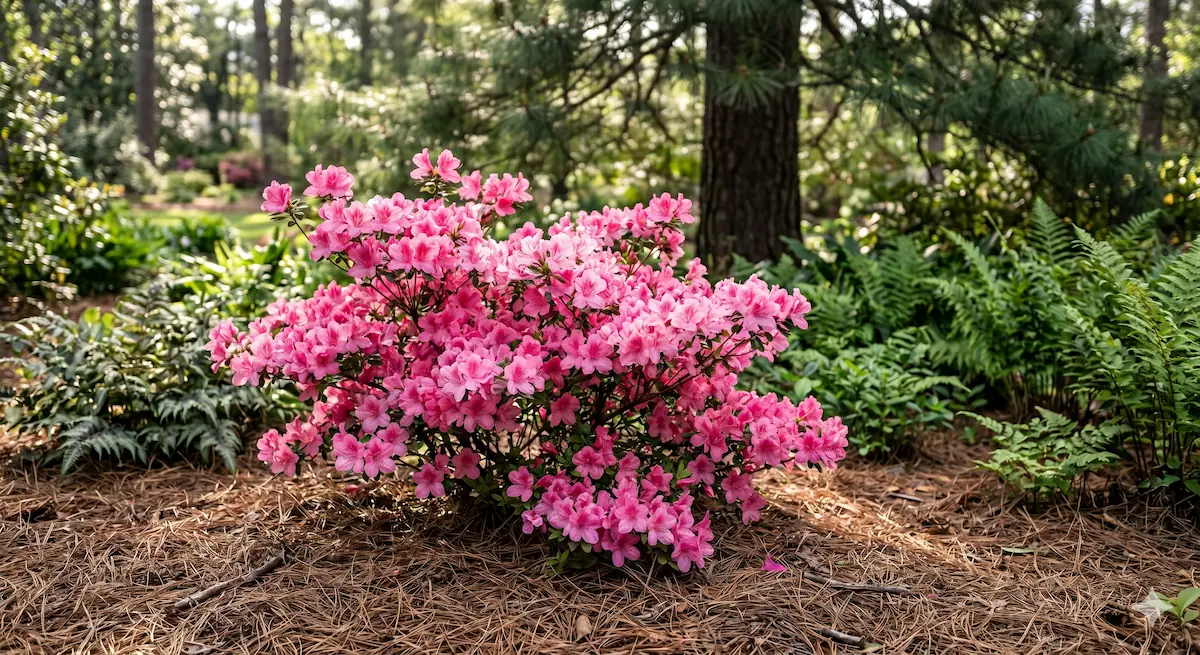
Azalea and Rhododendron: Secrets to Lush Blooms and Proper Care
Azaleas are a challenge for any gardener, but the result is worth it. Learn why they can't stand regular soil, who their best friends are, and how to keep them thriving.
Read more →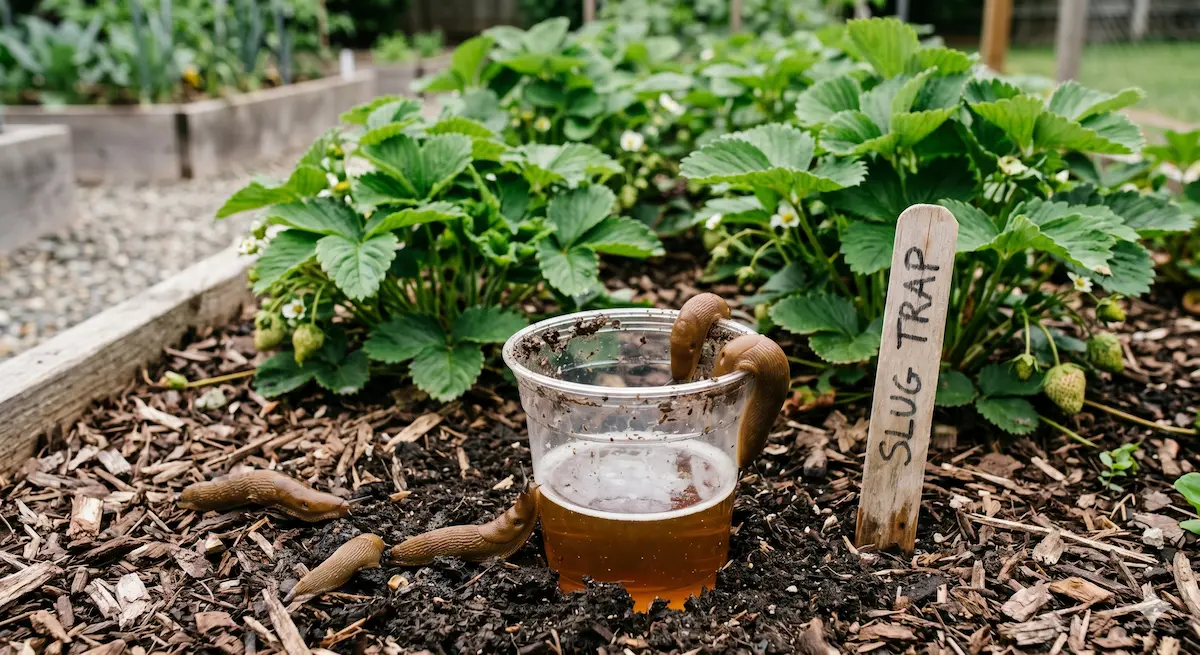
The Slug War: 8 Humane and Effective Ways to Protect Your Garden
Slugs can destroy your cabbage seedlings or ruin sweet strawberries overnight. Learn how to use beer, coffee, and physical barriers to protect your beds without toxic chemicals.
Read more →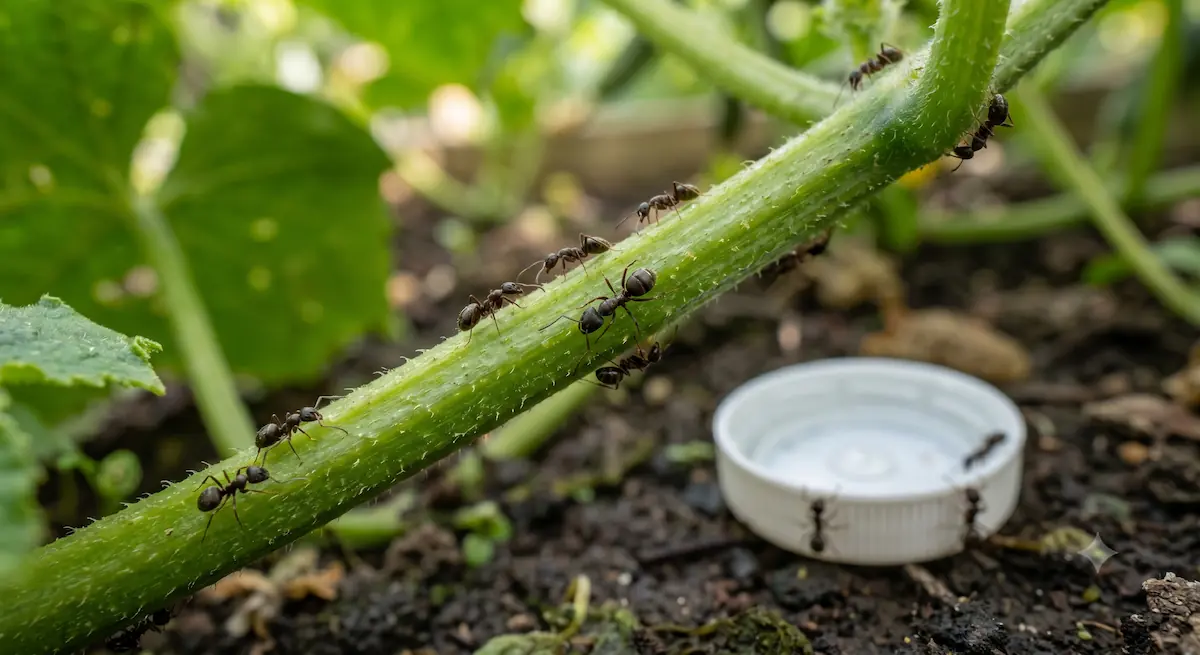
How to Get Rid of Ants in the Garden: Safe and Eco-Friendly Methods
Ants spread aphids across cucumbers and trees and destroy plant roots. A complete guide to removing anthills without harsh chemicals.
Read more →