
Nasturtium: How to Grow the Perfect Trap Crop for Your Garden
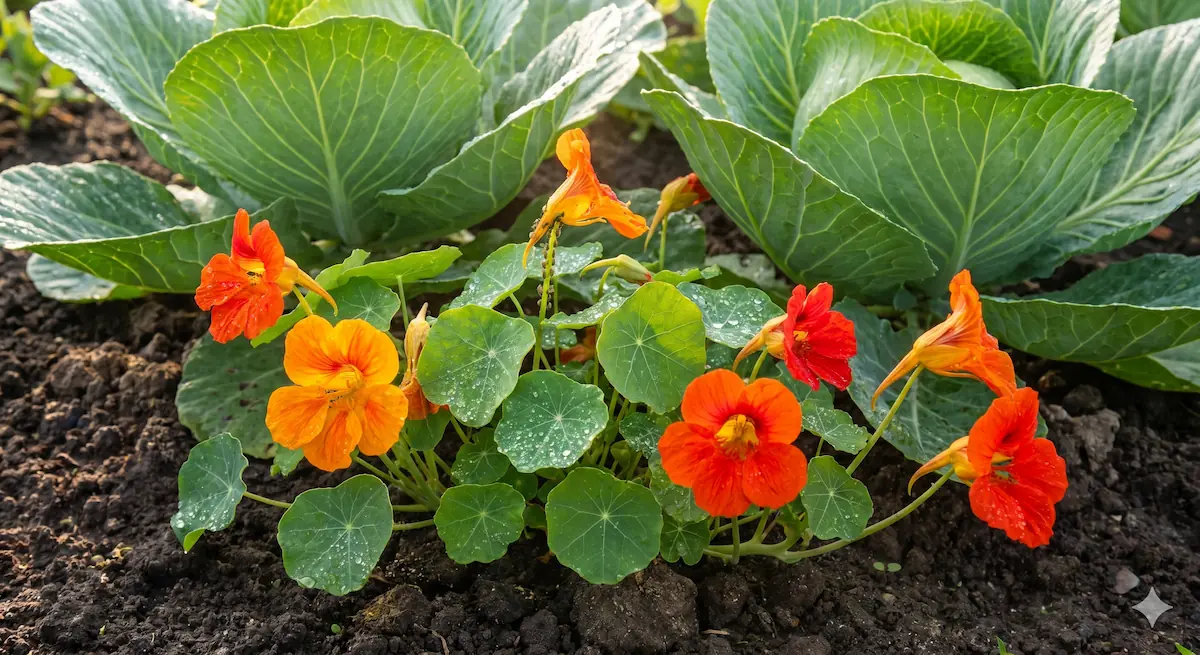
Learn how nasturtiums protect your garden by taking the aphid hit. A guide on growing, ideal companions, and organic protection secrets for cabbage and cucumbers.
Nasturtium is not just beautiful orange flowers and edible leaves with a peppery taste. In organic gardening, it acts as a "lightning rod." It is one of the best trap crops, literally attracting pests to itself to save the main harvest.
How Does a "Trap Crop" Work?
The main secret of nasturtium is that black aphids love it much more than cucumbers or cabbage. Instead of swarming your vegetables, pests gather on the succulent stems of the nasturtium. You simply need to remove the heavily infested parts of the flower in time, keeping your vegetable harvest clean.
Growing Conditions
Nasturtium is quite undemanding, but it has one interesting feature regarding the soil:
- Soil: It prefers medium-fertility Loamy soils (Type 1). Interestingly, in soil too rich in nitrogen, nasturtium grows huge leaves but hardly any flowers.
- Light: While it enjoys the sun, in our planner, we marked it as shade-tolerant. This allows it to be planted under large cabbage leaves or in tree basins.
- Watering: Needs regular moisture, especially during the flowering period.
Best Companions in AgroPlanner
Nasturtium is a true altruist. It is ideal for protecting the following cultures:
- Brassicas: Protects Broccoli, cauliflower, and cabbage from the cabbage white butterfly.
- Cucurbits: Cucumbers, zucchini, and pumpkins suffer less from aphids when nasturtium grows nearby.
- Radishes and Tomatoes: Improves growth and repels flea beetles.
AgroPlanner Tip: Nasturtium grows quickly and creates a living mulch layer that keeps moisture in the soil. When planning your layout on our Planner, leave space for it along the edges of the beds — it will create a picturesque cascade that doubles as a shield for your vegetables.
AgroPlanner App
Realize your dream garden: check plant compatibility, sun/shade needs, and save your plan easily.

Disclaimer
Important! All information in this blog is for recommendation purposes only. We are developers and enthusiasts, not certified agronomists. Results may vary based on your region, soil type, and weather. We are not responsible for potential errors or crop failures. Please verify critical advice independently!
Found this helpful? Share with friends!
Read more
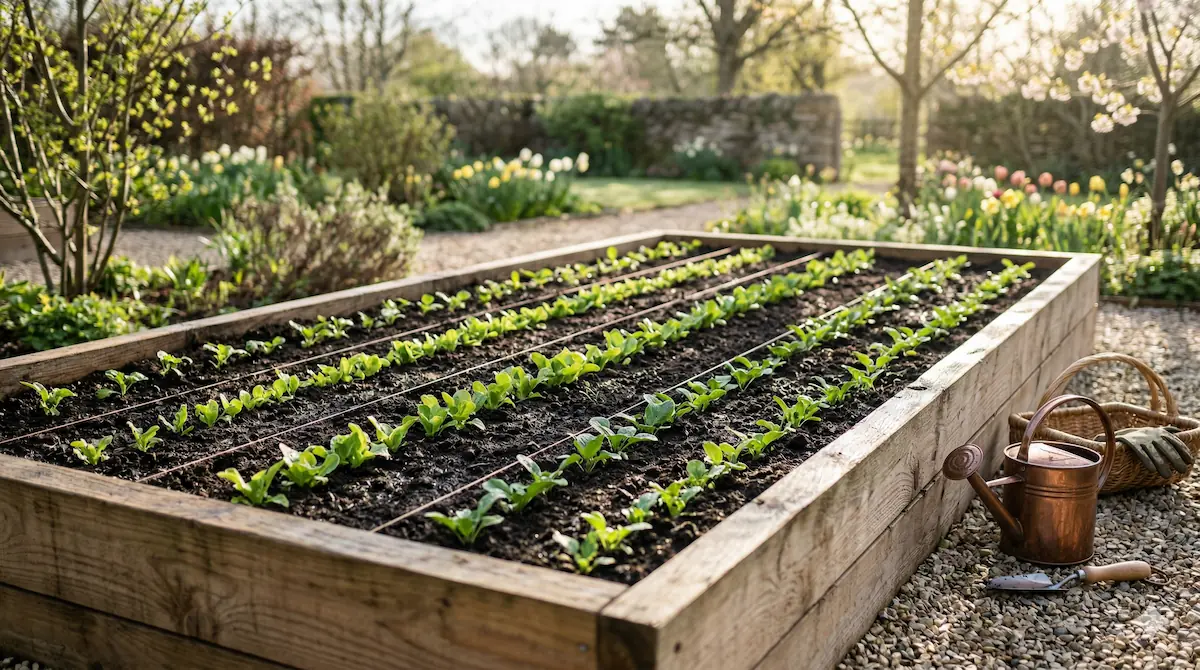
Planning a Perfect Garden from Scratch: A Step-by-Step Guide
Starting your first gardening season? This simple guide will help you create your dream garden without the stress.
Read more →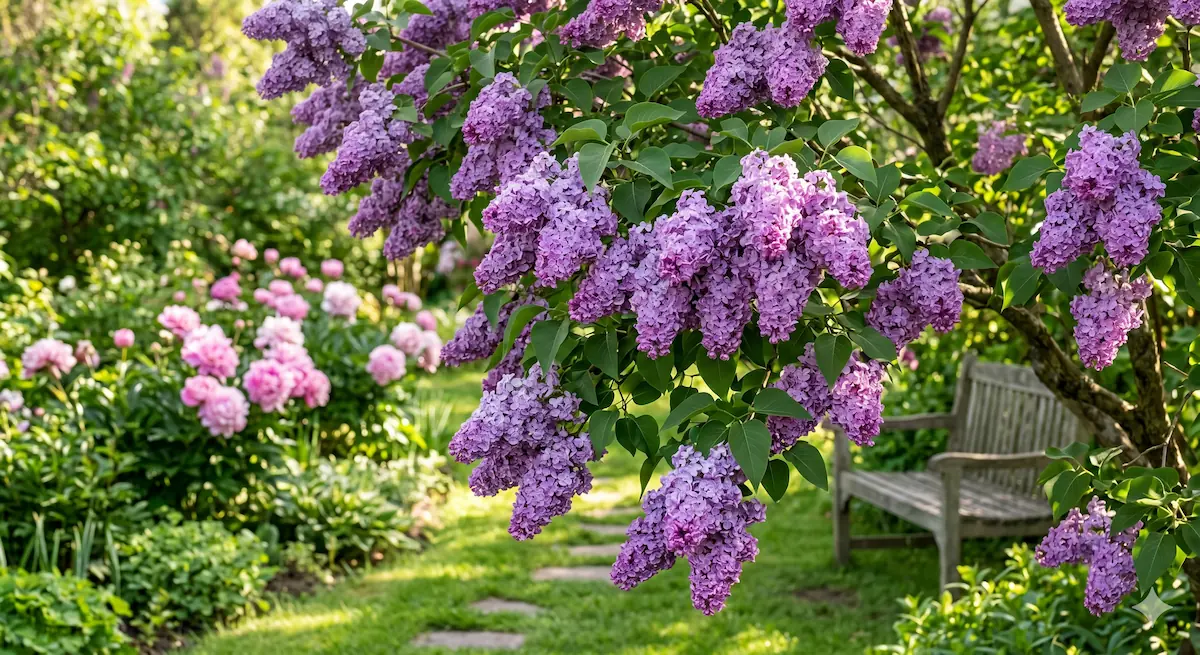
Lilac: Secrets to Lush Blooms and Proper Garden Care
Lilac is more than just a shrub; it's the soul of the spring garden. Learn why it won't bloom in the shade, which soil it prefers, and how to choose the right companions.
Read more →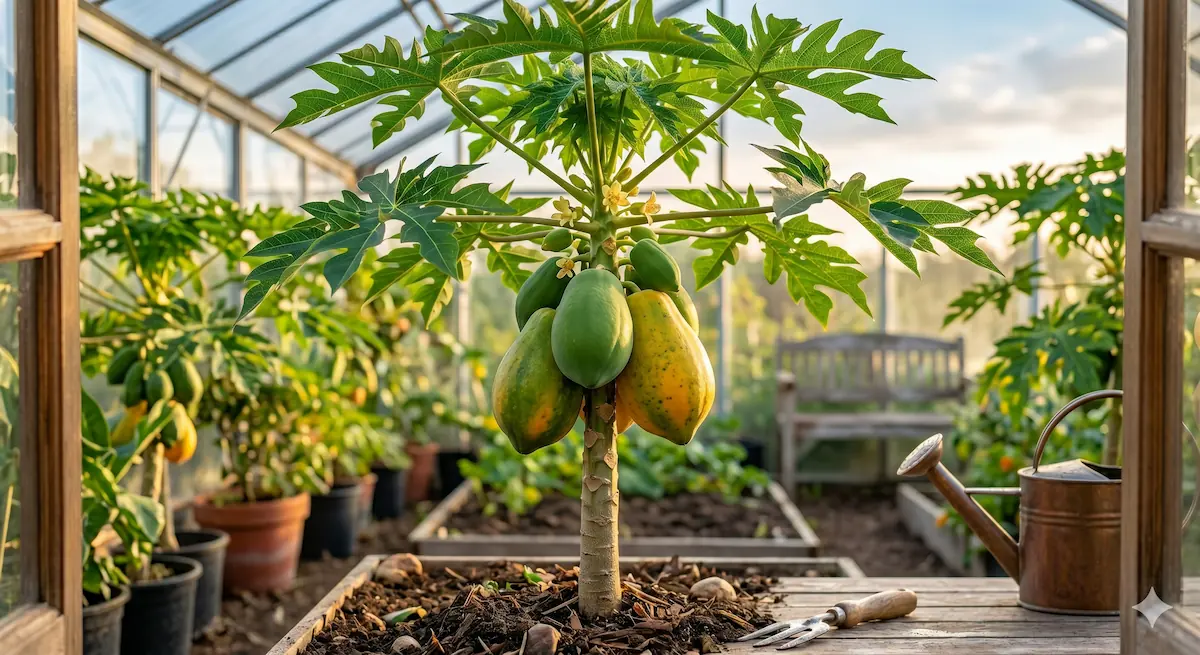
Papaya: The Melon Tree in Your Home
Papaya is a lightning-fast exotic plant. Learn which soil helps it grow in mere months, why it fears the cold, and how to plan its spot in a conservatory or a large pot.
Read more →