
Dragon Fruit (Pitaya): The Cactus That Delivers Exoticism
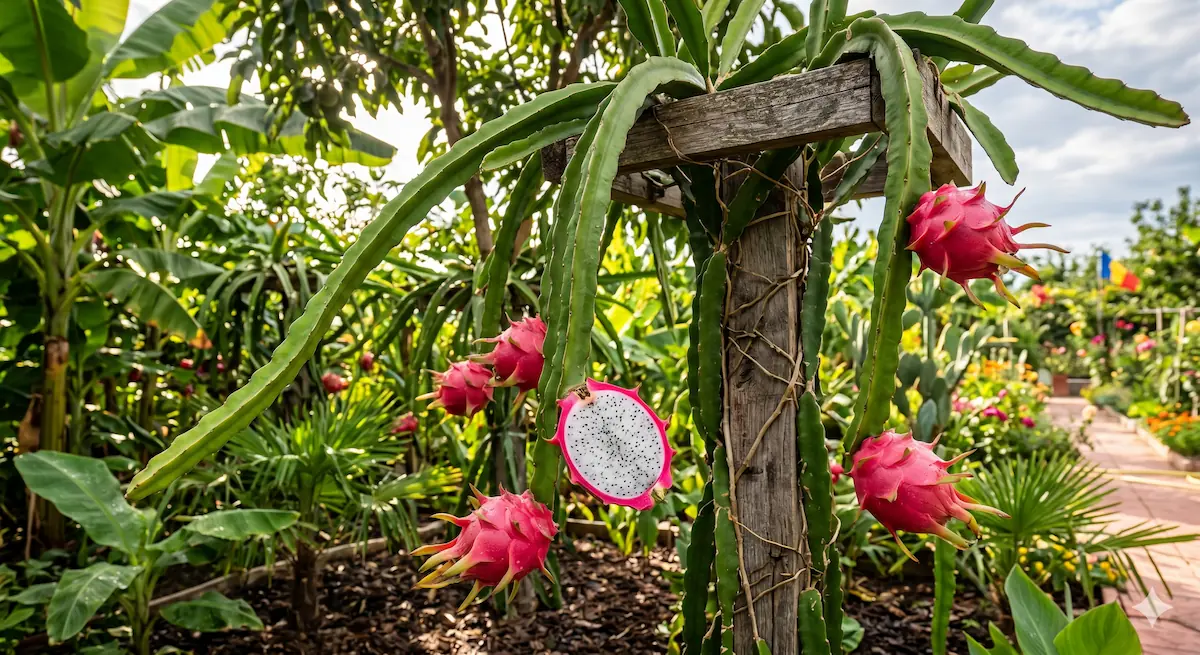
Pitaya is a hardy climbing cactus with fantastic fruits. Learn how to provide support, why it fears overwatering, and how to plan its spot in a sunny garden or apartment zone.
Dragon Fruit (Pitaya) is the fruit of a cactus from the genus Hylocereus. This plant fascinates not only with its appearance but also with its massive night-blooming flowers that open for just one night. Pitaya is very popular among beginner gardeners due to its soil resilience, though it requires plenty of light to form fruit.
Soil: Where Does the Cactus Feel at Its Peak?
Like all cacti, pitaya cannot tolerate waterlogging. The soil must be very light and well-aerated.
- Best Choice: Poor or fertile Sandy soils (Type 2).
- Soil Check: Perform the sausage test. If the soil crumbles and doesn't hold its shape (Type 2), it's the perfect drainage for pitaya roots.
Best Companions (Good)
- Aloe Vera: Shares identical requirements for air dryness and light.
- Papaya: Perfectly complements a tropical corner. Check our fresh papaya guide.
- Mango: Creates a beautiful composition in large conservatories.
Main Enemies (Bad)
- Walnut Trees: Traditionally the most dangerous neighbor. The walnut's toxic zone (juglone) halts the cactus's development almost instantly.
- Standing Water: Even one week in wet soil can cause the base of the cactus to rot.
- Shade: In the shade, pitaya will stretch out but will never bloom.
AgroPlanner Tip: Dragon fruit is a climbing cactus, so it definitely needs a sturdy vertical support. In our app, it occupies a 1x1 grid near a wall or trellis. The system will check the light level in your sector and alert you in red if the plant falls within a walnut toxic zone or is heavily shaded by buildings.
AgroPlanner App
Realize your dream garden: check plant compatibility, sun/shade needs, and save your plan easily.

Disclaimer
Important! All information in this blog is for recommendation purposes only. We are developers and enthusiasts, not certified agronomists. Results may vary based on your region, soil type, and weather. We are not responsible for potential errors or crop failures. Please verify critical advice independently!
Found this helpful? Share with friends!
Read more
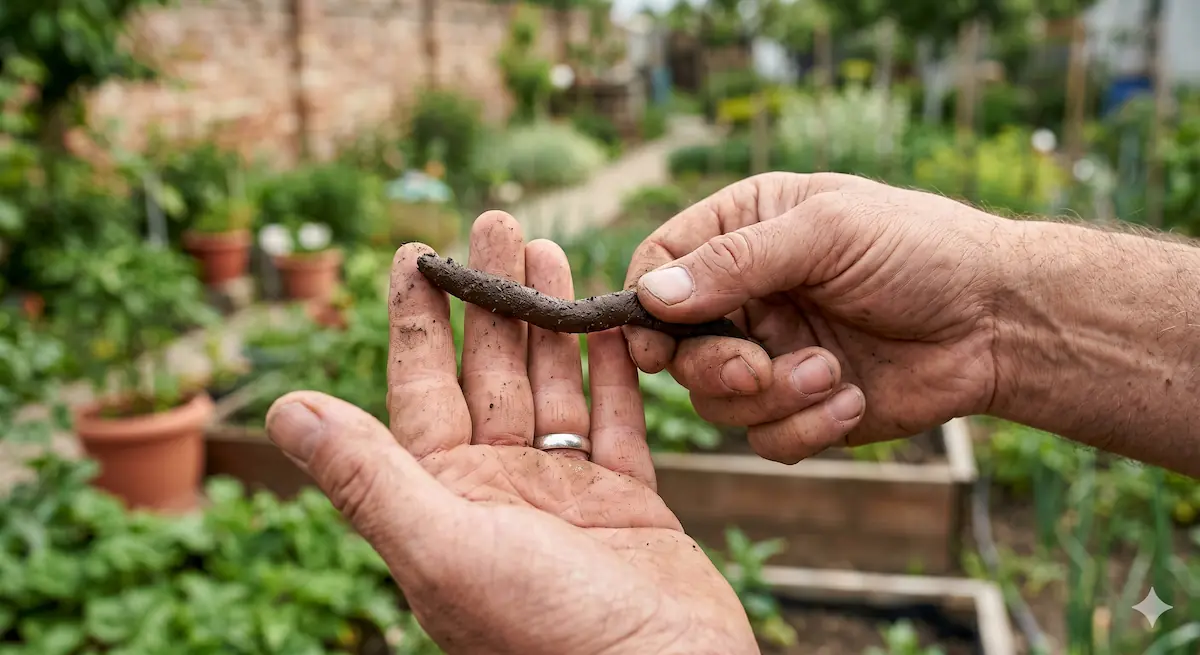
The "Sausage" Test: How to Determine Your Soil Type in 5 Minutes
Stop buying expensive equipment! Learn how to identify your soil structure—from loose sand to heavy clay—using just a handful of earth and some water.
Read more →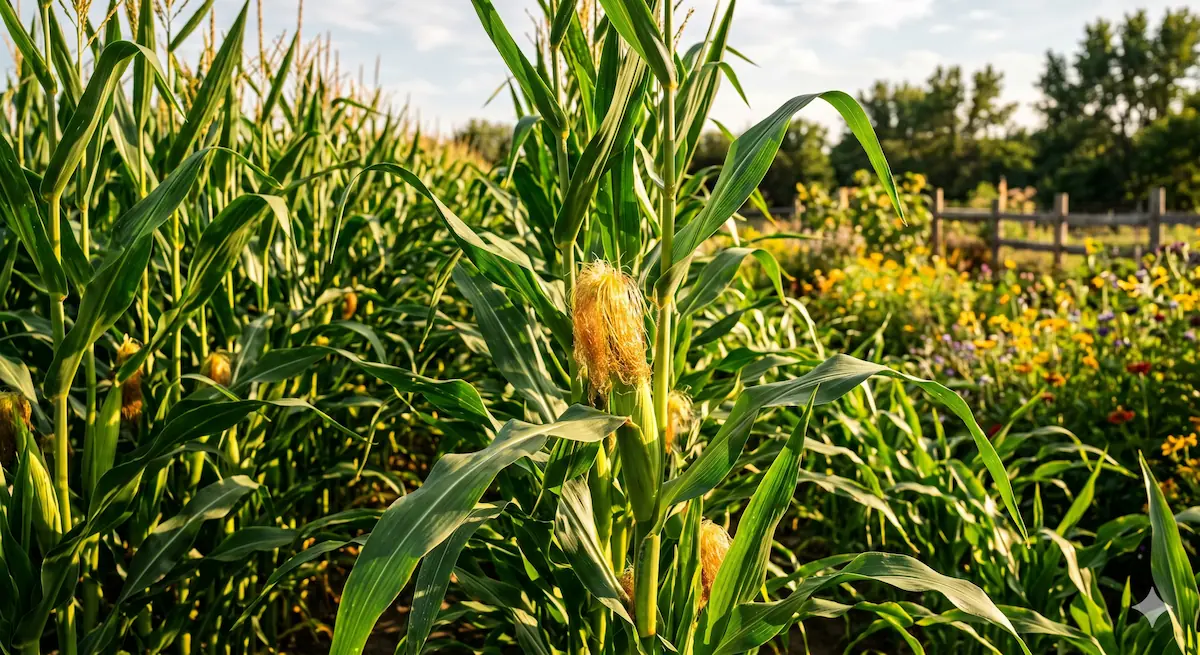
Corn: How to Grow a High Yield and Use It as a "Living Shield"
Secrets of growing corn: from choosing fertile soil to strategic companion planning. Learn why corn is the perfect partner for sunflowers and watermelons.
Read more →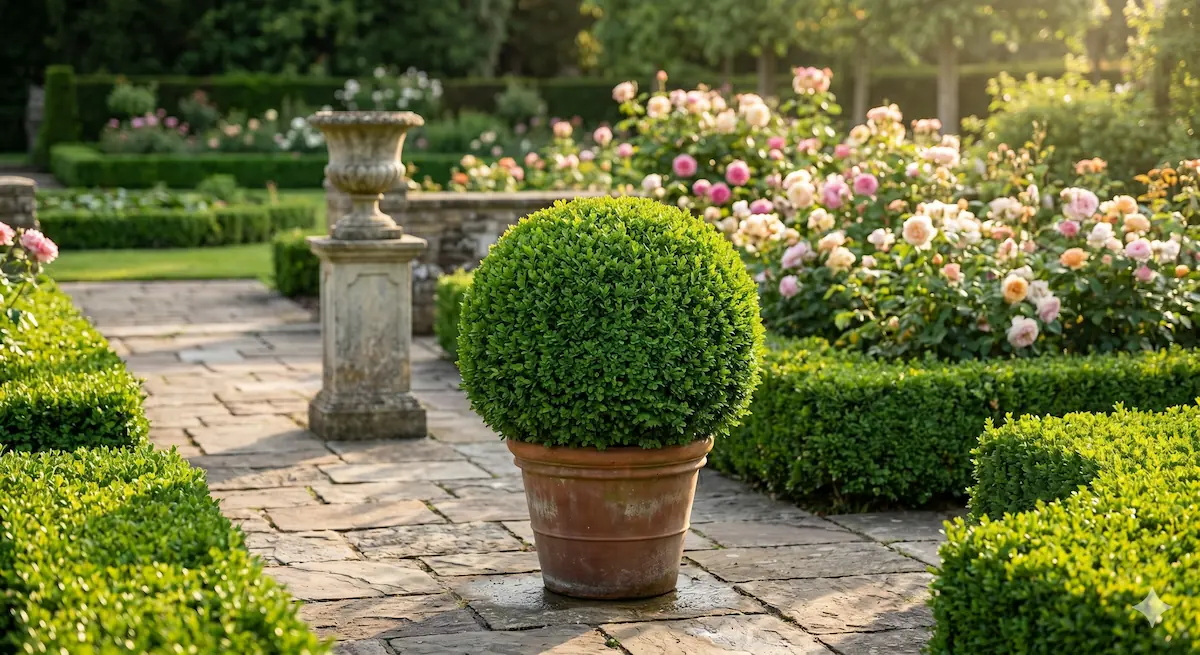
Boxwood (Buxus): Secrets to Creating Perfect Living Topiaries
Boxwood is the king of landscape design. Learn why it fears the spring sun, what soil it needs, and which companions to plant for a luxurious composition.
Read more →