
Fig: How to Grow "Wine Berries" in Your Plot or Container
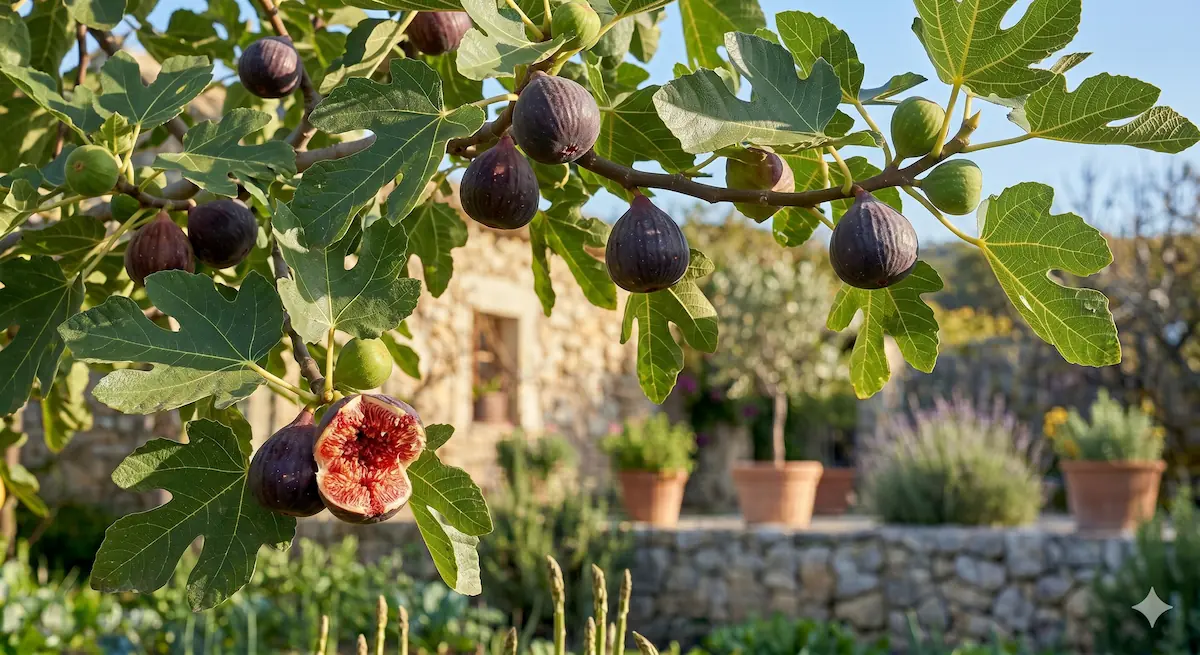
Figs are a symbol of wisdom and the sweet life. Learn how to protect them from frost, why they love restricted root space, and how to get two harvests per season.
The Fig (Ficus carica) is one of the oldest plants cultivated by humans. Its fruits are incredibly sweet and healthy. While the fig is considered a subtropical plant, it is very adaptable: it can be grown as a bush with winter protection or as a container plant moved indoors.
Soil: Where Does the Fig Gather Its Sugar?
Figs are not very demanding regarding fertility but require excellent drainage. Interestingly, restricted soil volume often stimulates more abundant fruiting.
- Best Choice: Light Loamy soils (Type 1) or Sandy Loams (Type 2).
- Soil Check: Perform the sausage test. If the soil crumbles (Type 2), it guarantees that the roots won't rot during winter dormancy.
Best Companions (Good)
Figs love a sunny neighborhood:
- Grapes: A classic pairing for a "Mediterranean" garden corner.
- Pomegranate: Shares similar requirements for heat and humidity. Check our pomegranate guide.
- Passion Fruit: Can climb nearby, providing shade for the fig's roots.
Main Enemies (Bad)
- Walnut Trees: Walnut juglone is the number one enemy for figs. Keep them at the maximum possible distance.
- Deep Shade: In the shade, the fig stretches out, and the leaves grow large, but the fruits never ripen.
- Excessive Autumn Humidity: Can lead to fruit splitting right on the branches.
AgroPlanner Tip: In our app, a fig usually occupies a 3x3 or 4x4 grid. The system will help you choose the most sun-drenched spot protected from the wind and will definitely flag the walnut toxic zone in red to keep your "tree of life" safe.
AgroPlanner App
Realize your dream garden: check plant compatibility, sun/shade needs, and save your plan easily.

Disclaimer
Important! All information in this blog is for recommendation purposes only. We are developers and enthusiasts, not certified agronomists. Results may vary based on your region, soil type, and weather. We are not responsible for potential errors or crop failures. Please verify critical advice independently!
Found this helpful? Share with friends!
Read more
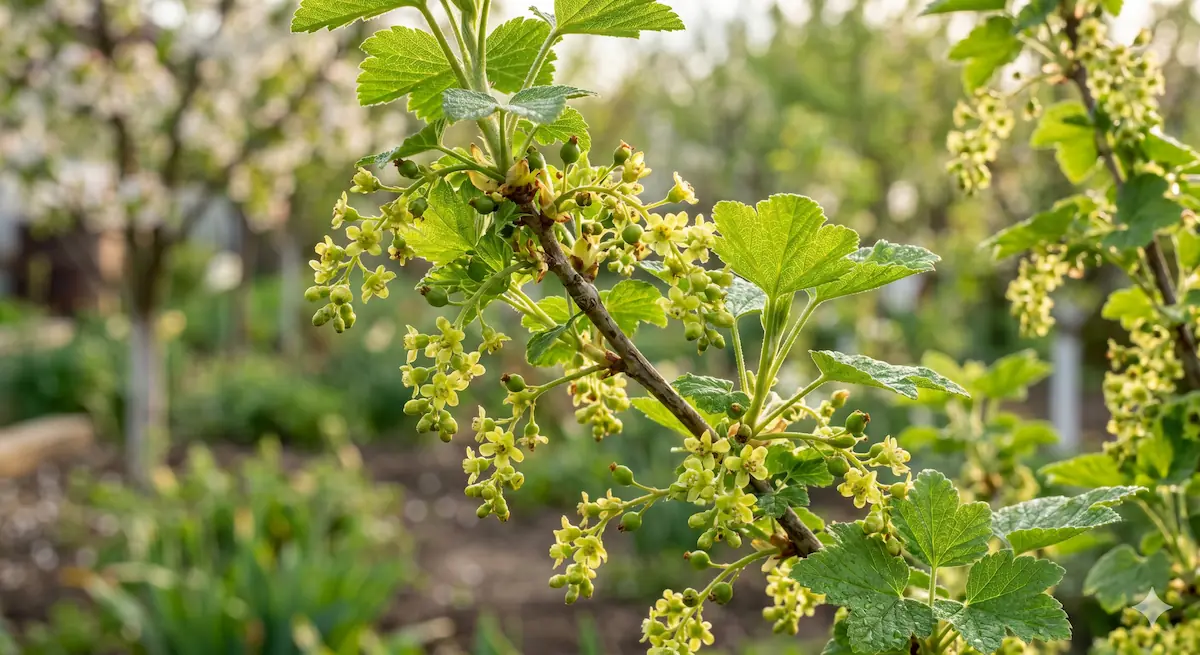
Currants in May: How to Ensure a Rich Berry Harvest
Spring care for black and red currants. AgroPlanner tips on fertilizing, pest protection, and correct watering during blooming.
Read more →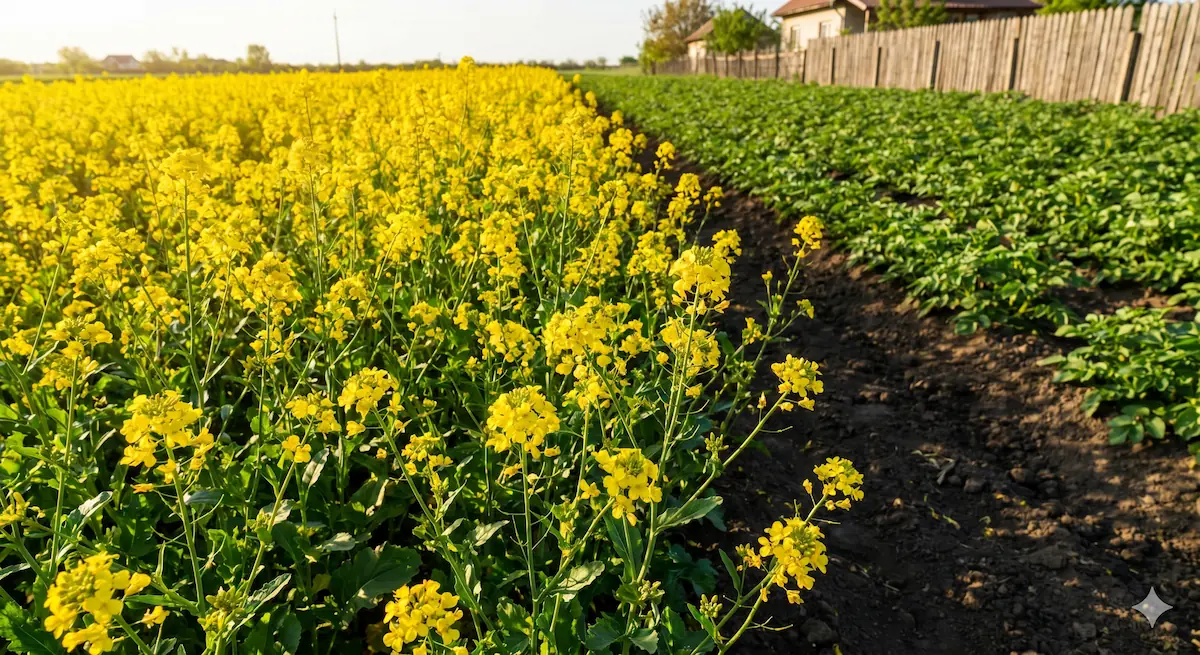
Mustard in the Garden: How to Use the Ultimate Green Manure Correctly
Mustard can heal the soil and repel pests, but it’s not suitable for all beds. Learn about companion rules and the secrets of using mustard as a fertilizer.
Read more →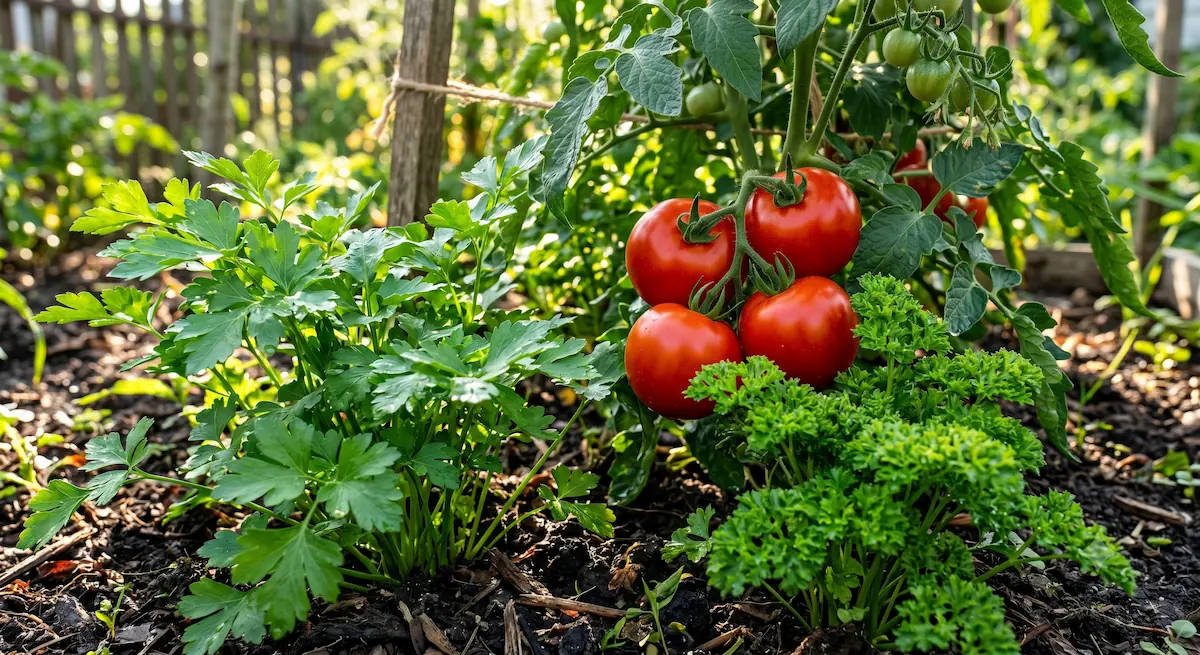
Parsley Companion Planting: 8 Best Partners for Lush Greenery
Parsley is a popular herb with a long germination window. Learn which 8 neighbors accelerate its growth and defend it from pests.
Read more →