
Sage in the Garden: An Aromatic Helper and Pollinator Magnet
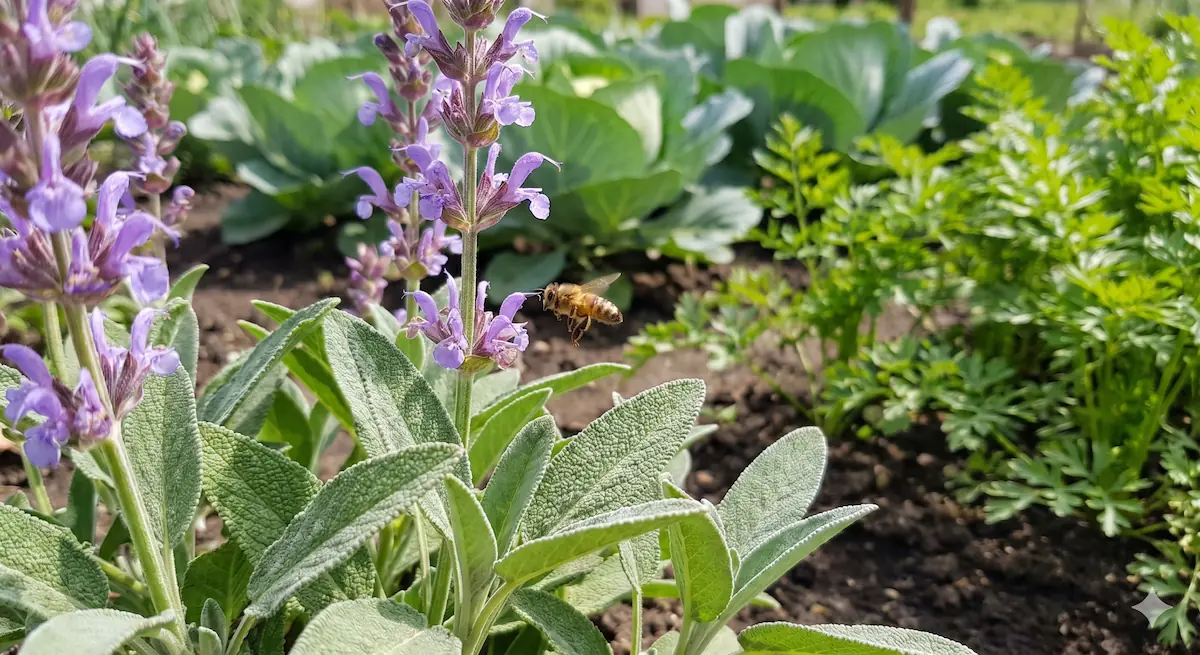
Discover the secrets of growing sage. Learn why it’s the perfect neighbor for cabbage, how it protects carrots, and how to use our planner to create a healthy garden layout.
Sage is a perennial subshrub valued for its spicy aroma and medicinal properties. However, in the vegetable garden, it plays a much more important role: sage acts as a natural deodorant that confuses pests with its strong scent.
Conditions for Successful Growth
Sage originates from the Mediterranean, so it adores heat and sun. For the bush to be lush and aromatic, consider the following factors:
- Soil: Light Loamy soils (Type 1) or sandy areas are best. Sage cannot tolerate stagnant water. If you are unsure about your soil's drainage, perform a soil sausage test before planting.
- Light: Direct sunlight only. In the shade, sage loses its essential oils and becomes vulnerable to rot.
- Maintenance: The plant is quite drought-tolerant, so water it only when the top layer of soil is completely dry.
Strategic Companionship: Who Does Sage Protect?
Using our planner, you can notice that sage is an excellent partner for many crops:
- Cabbage Protection: The strong aroma of sage repels cabbage white butterflies and moths. Together with nasturtium, they create an insurmountable barrier for brassica pests.
- Help for Carrots: Sage disorients the carrot fly, helping the roots develop without damage.
- Danger Zone: Avoid planting sage near cucumbers. It is believed that this herb can inhibit the growth of cucumber vines.
AgroPlanner Tip: Sage is a perennial that grows into a wide bush over the years. Be sure to leave enough space in our planner around it so that it doesn't shade low-growing crops. Its blooms will attract bees to your plot, significantly improving the yields of all surrounding vegetables.
AgroPlanner App
Realize your dream garden: check plant compatibility, sun/shade needs, and save your plan easily.

Disclaimer
Important! All information in this blog is for recommendation purposes only. We are developers and enthusiasts, not certified agronomists. Results may vary based on your region, soil type, and weather. We are not responsible for potential errors or crop failures. Please verify critical advice independently!
Found this helpful? Share with friends!
Read more
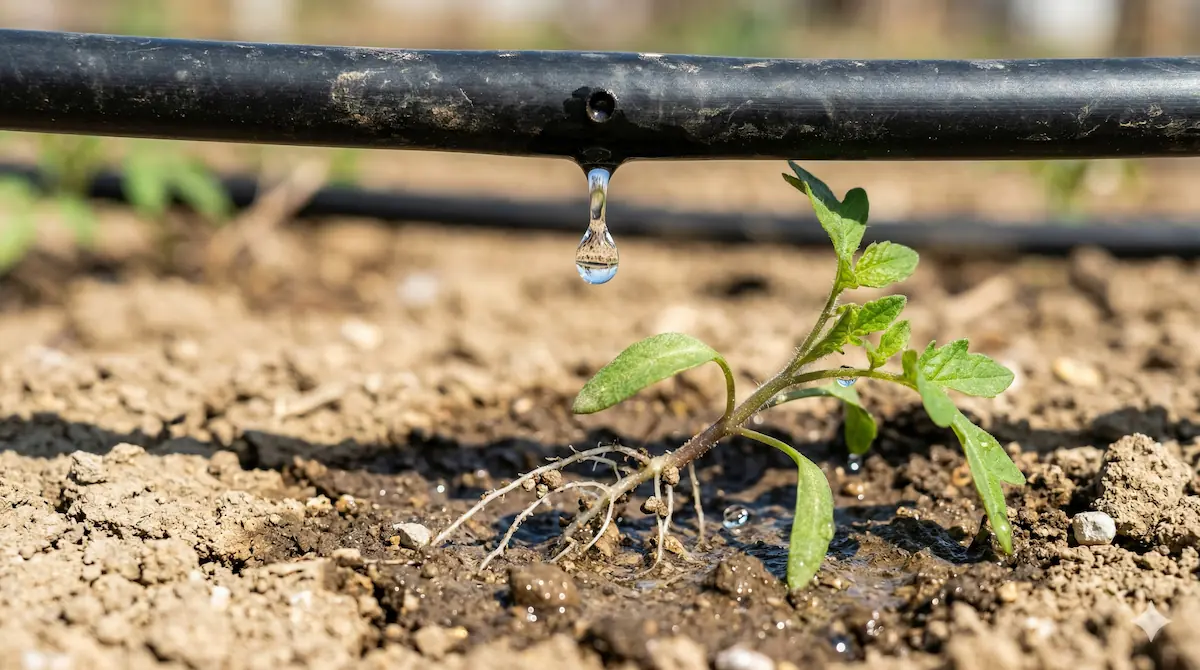
DIY Automatic Watering: How to Stop Being a Slave to the Watering Can
Your garden can survive without you! Learn how to set up a watering system: from simple bottles to drip tapes.
Read more →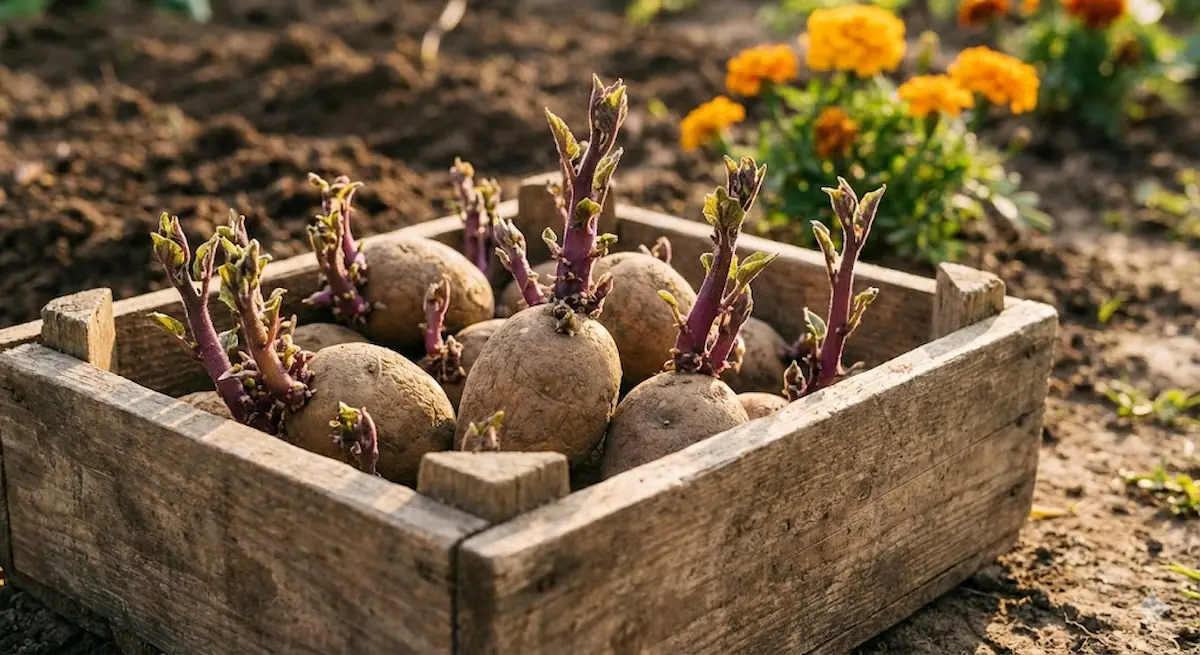
Potatoes Without Beetles: How to Prepare Tubers and What to Plant Nearby
Secrets to growing potatoes without excessive chemicals. Learn how proper tuber preparation and smart companion planting can protect your harvest from the Colorado potato beetle.
Read more →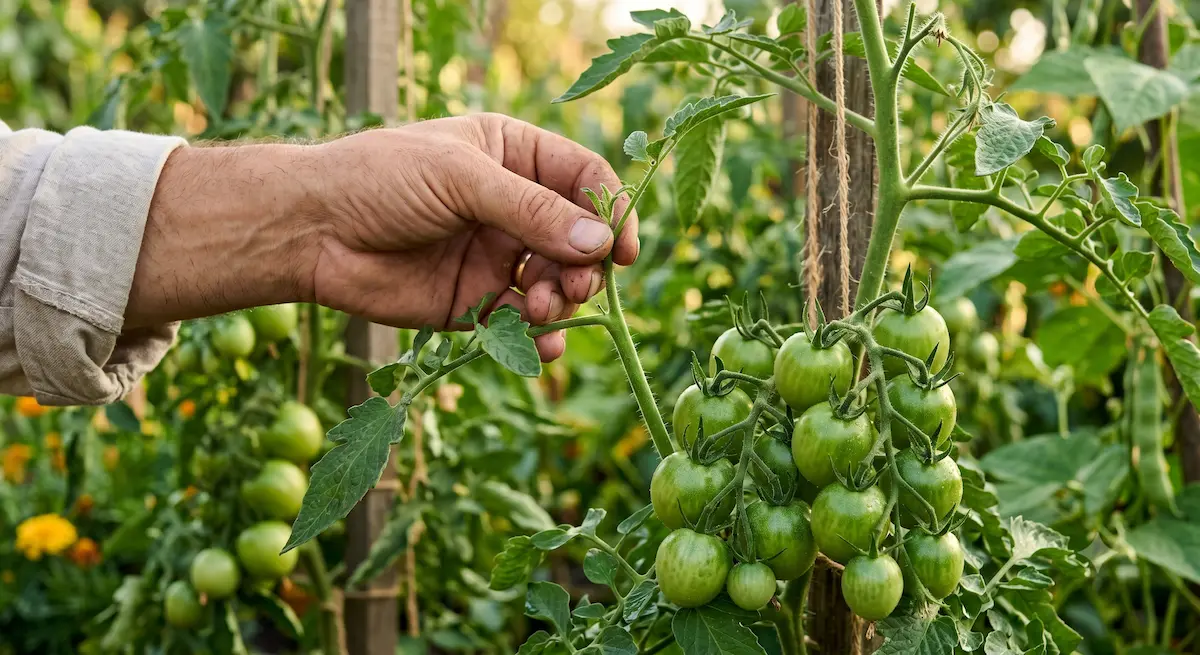
Topping Tomatoes in August: How to Force Tomatoes to Ripen Fast
Topping (pinching the apex) of tomatoes in late summer stops bush growth and directs all energy to fruit clusters. Step-by-step manual for the August garden.
Read more →