
Honeysuckle "Bakcharsky Giant": The Season's First Vitamin Bomb
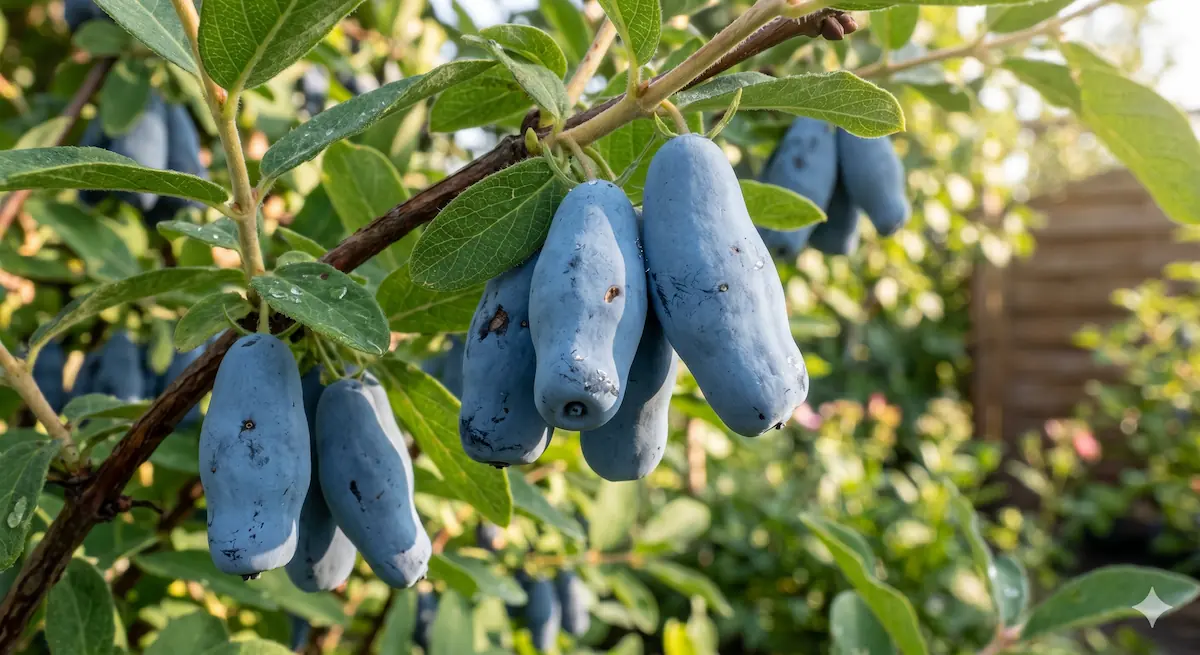
Honeysuckle is the berry of youth. The "Bakcharsky Giant" variety impresses with its size and flavor. Learn about its soil needs and why it absolutely requires a "pollination partner."
Honeysuckle "Bakcharsky Giant" is one of the world's finest varieties. Its fruits, up to 4-5 cm long, have a pleasant sweet-and-sour taste without bitterness. It is incredibly cold-hardy (down to -45°C), making it suitable for almost any climate.
Soil: Where Does Honeysuckle Hit Records?
Honeysuckle loves moisture and nutrients but cannot tolerate standing water or highly acidic soils.
- Best Choice: Fertile Loamy soils (Type 1) with neutral pH.
- Soil Check: Use the sausage test. A slightly cracking ring (Type 1) is the perfect balance for oxygen and nutrition. On sandy soils (Type 2), the berries may drop due to lack of moisture.
Best Companions (Good)
- Other Honeysuckle Varieties: This is critical! Honeysuckle requires cross-pollination. Plant 2-3 different varieties (like "Giant's Daughter" or "Yugana") nearby.
- Blackcurrant: They share similar care and soil requirements, coexisting perfectly.
- Apple and Pear Trees: Provide wind protection without excessive shading.
Main Enemies (Bad)
- Walnut Trees: The toxic juglone zone stops growth. Honeysuckle will suffer and stop fruiting.
- Azaleas and Blueberries: They love acidic soil, which is harmful to honeysuckle. Never plant them in the same sector.
AgroPlanner Tip: "Bakcharsky Giant" forms a vigorous bush up to 2 meters high. In our app, it occupies a 2x2 grid. The system will alert you if you place it in an acidic soil sector. Remember to place different varieties nearby to ensure cross-pollination!
AgroPlanner App
Realize your dream garden: check plant compatibility, sun/shade needs, and save your plan easily.

Disclaimer
Important! All information in this blog is for recommendation purposes only. We are developers and enthusiasts, not certified agronomists. Results may vary based on your region, soil type, and weather. We are not responsible for potential errors or crop failures. Please verify critical advice independently!
Found this helpful? Share with friends!
Read more
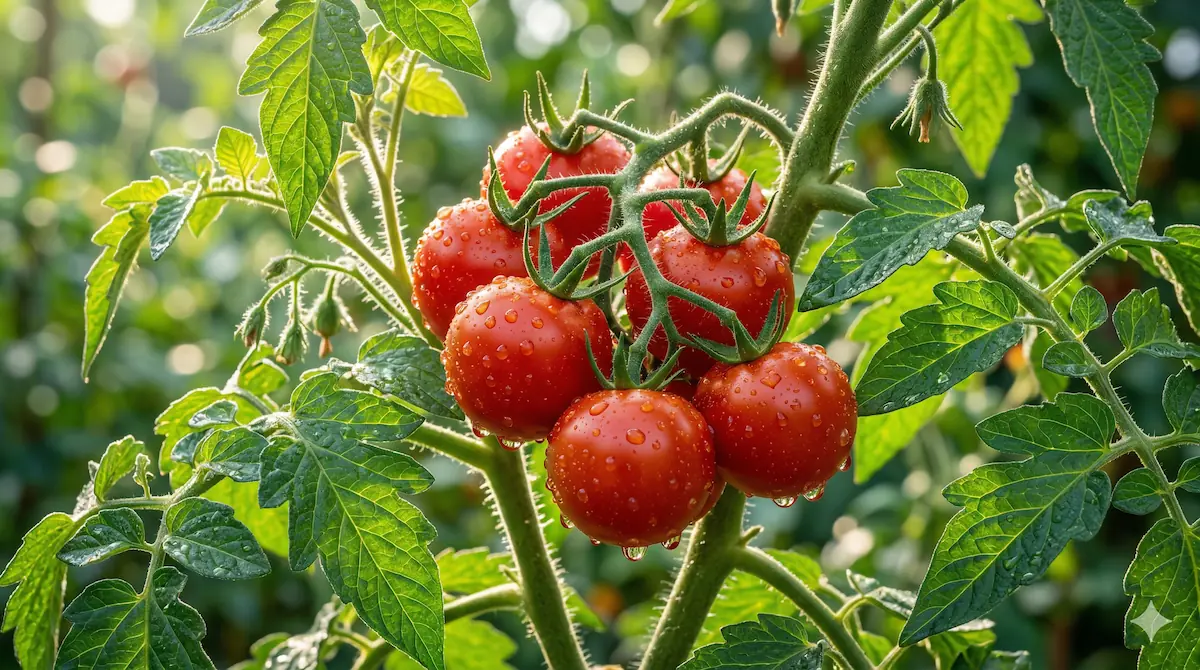
Secrets to Growing Perfect Tomatoes: Full Guide
From choosing a sunny spot to proper pruning. Learn how to get a tomato harvest your neighbors will envy.
Read more →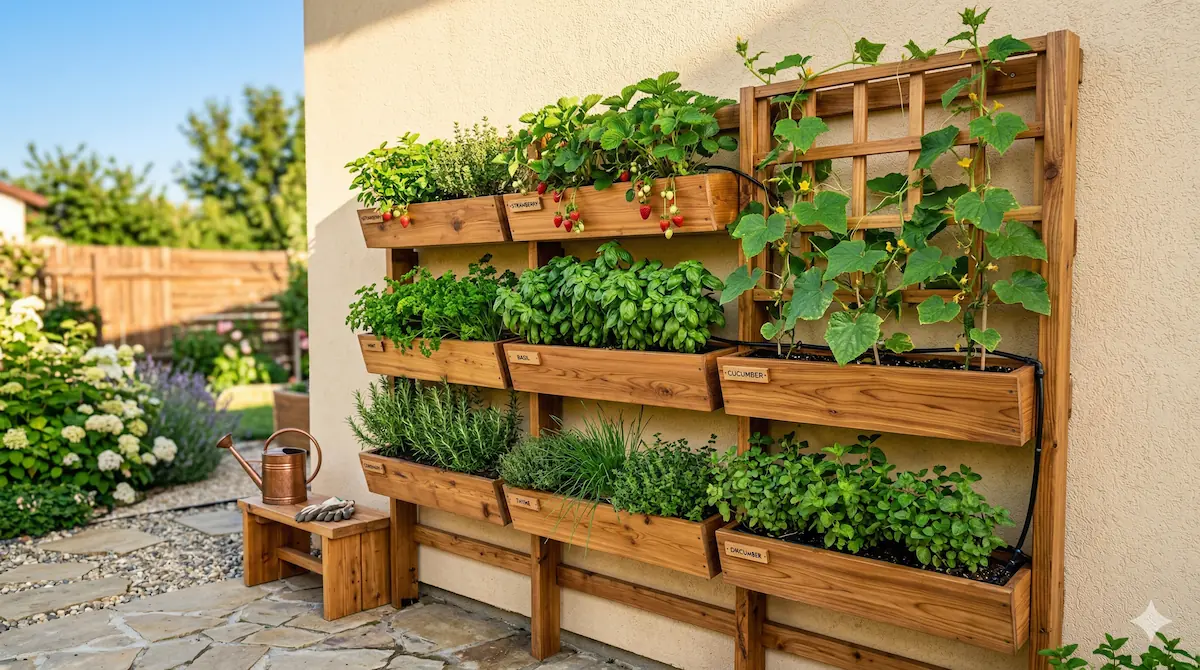
Vertical Gardening: How to Grow a Massive Harvest on Just 1 m²
Lack of space is no longer an issue. Learn how to turn walls, fences, and balconies into productive garden beds.
Read more →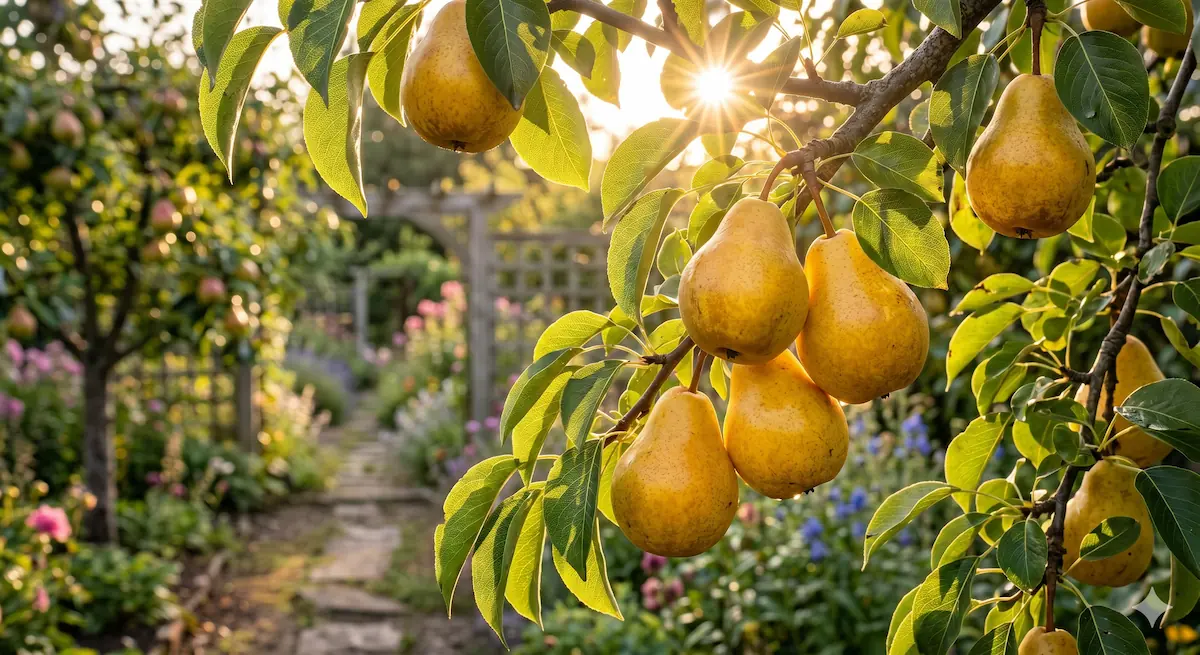
Growing Pears: How to Get Juicy Fruit and Avoid Garden Conflicts
Secrets to planting pear trees. How to choose a sunny spot, select soil, and why pears don't get along with walnuts. Tips from AgroPlanner for a stable harvest.
Read more →