
Corn Companion Planting: Ultimate Guide for the "Three Sisters" Method
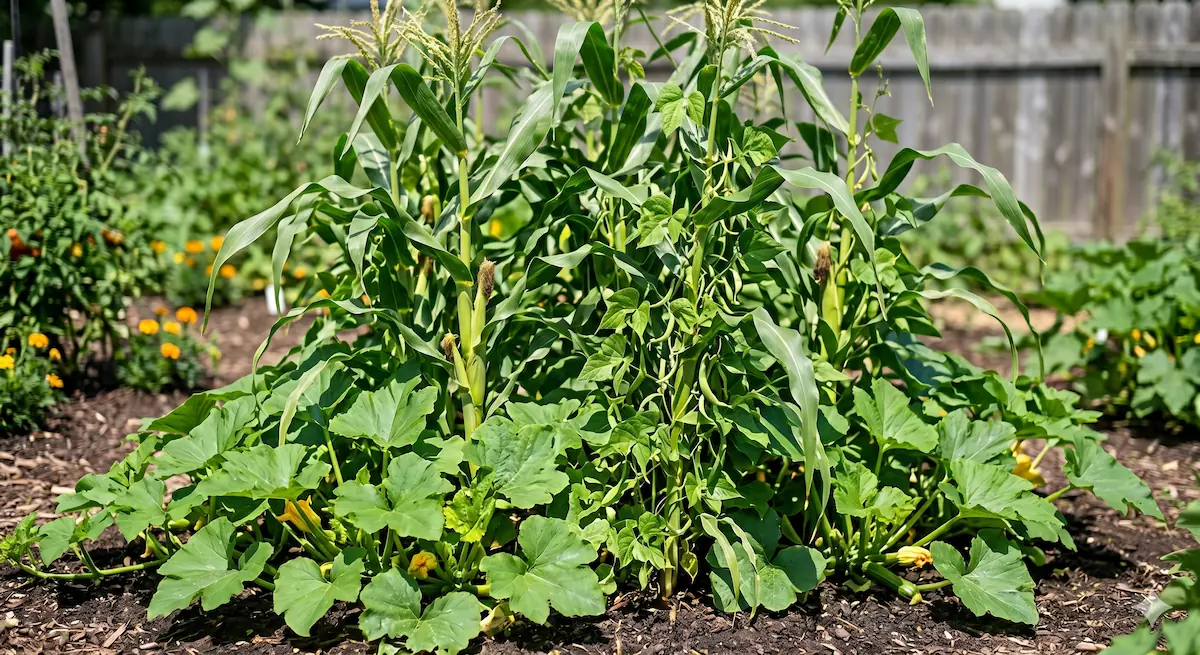
Corn is the perfect living trellis for your garden. Discover how the ancient "Three Sisters" method works and which 8 plants help corn yield the best sweet ears.
Corn (Zea mays) is a garden giant that craves full sun and plenty of nitrogen. Thanks to its sturdy, tall stalks, it acts as a natural trellis for climbing plants. The ancient "Three Sisters" method is a classic example of companion planting. To ensure your corn gets enough nutrients, it is ideally paired with crops detailed in our bean growing guide.
Table of Ideal Companions (Good)
Here are 8 excellent companions to maximize your corn harvest:
| Companion | Benefits |
|---|---|
| Climbing Beans | The ultimate "sister": climbs the corn stalks and fixes atmospheric nitrogen into the soil. |
| Zucchini and Pumpkins | Provide dense ground cover, retaining moisture and suppressing weed growth. |
| Cucumbers | Use the stalks for structural support while finding relief from intense midday heat. |
| Potatoes | Coexist well since their root systems occupy completely different soil depths. |
Bad Neighbors: What to Avoid? (Bad)
- Tomatoes: Share a common destructive pest — the corn earworm. Proximity creates a pest magnet.
- Fennel: Emits chemicals that severely stunt the growth of nearby plants.
- Walnut Trees: Toxic juglone completely blocks sweet corn development.
AgroPlanner Tip: Plant corn in blocks (squares) rather than a single long row. This enhances wind pollination and prevents empty kernels on the cob. Use our planner to plan your planting!
AgroPlanner App
Realize your dream garden: check plant compatibility, sun/shade needs, and save your plan easily.

Disclaimer
Important! All information in this blog is for recommendation purposes only. We are developers and enthusiasts, not certified agronomists. Results may vary based on your region, soil type, and weather. We are not responsible for potential errors or crop failures. Please verify critical advice independently!
Found this helpful? Share with friends!
Read more
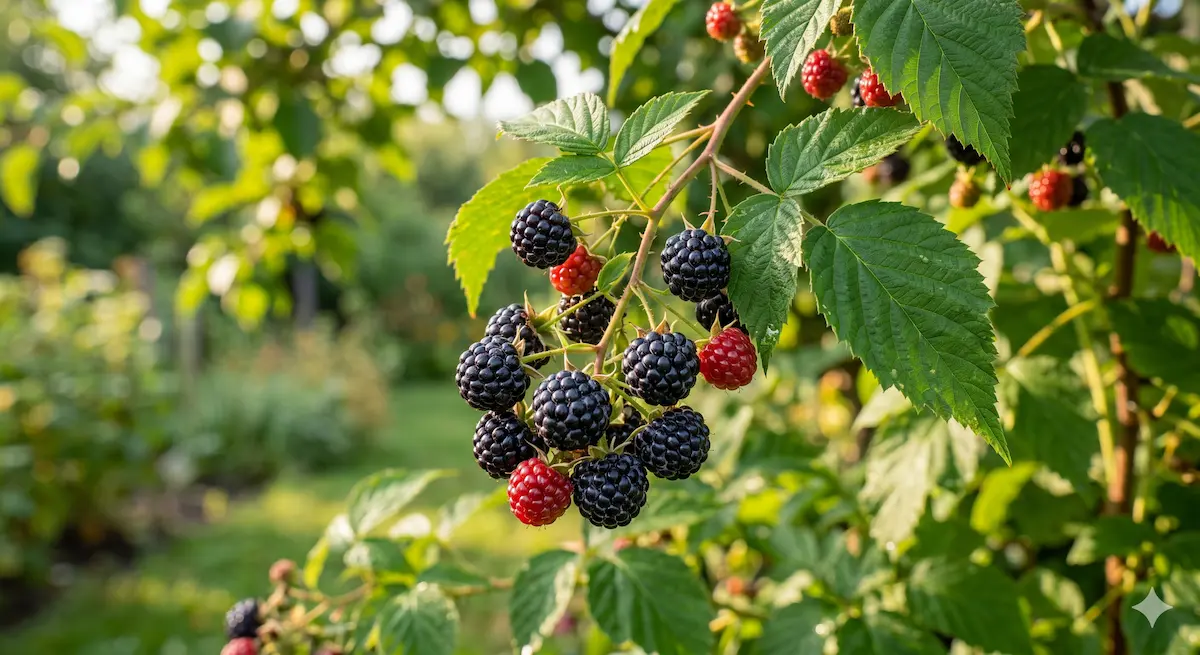
Black Raspberry "Cumberland": Blackberry or Raspberry?
"Cumberland" is a black raspberry with an incredible aroma. Learn which soil ensures fruit sweetness, why it fears potatoes, and how to properly care for this luxurious vine.
Read more →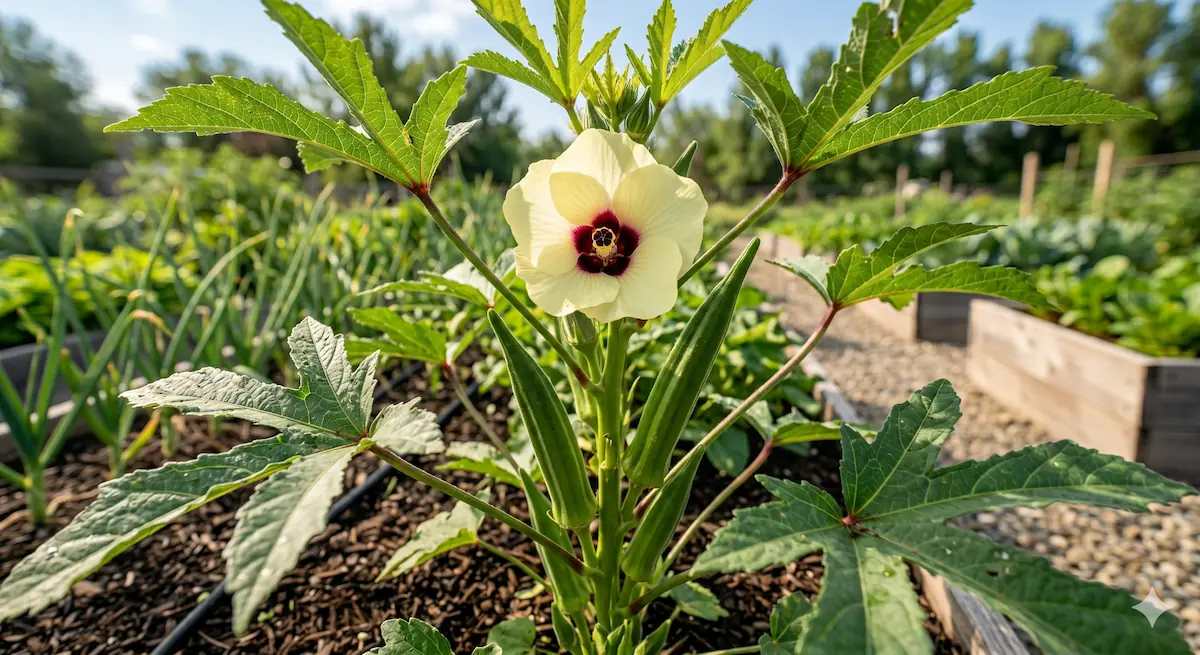
Okra (Lady's Fingers): The Edible Hibiscus Flower
Okra is a superfood with stunning flowers and nutritious pods. Learn why it loves the heat, what soil makes it productive, and how to harvest the pods correctly.
Read more →
Autumn Lawn Care and Maintenance: Preparing Turf for Winter and Aeration
For the lawn to wake up green and dense in spring, it must be properly cared for in autumn. Full guide on scarification and autumn lawn feeding.
Read more →