
Lilac: Secrets to Lush Blooms and Proper Garden Care
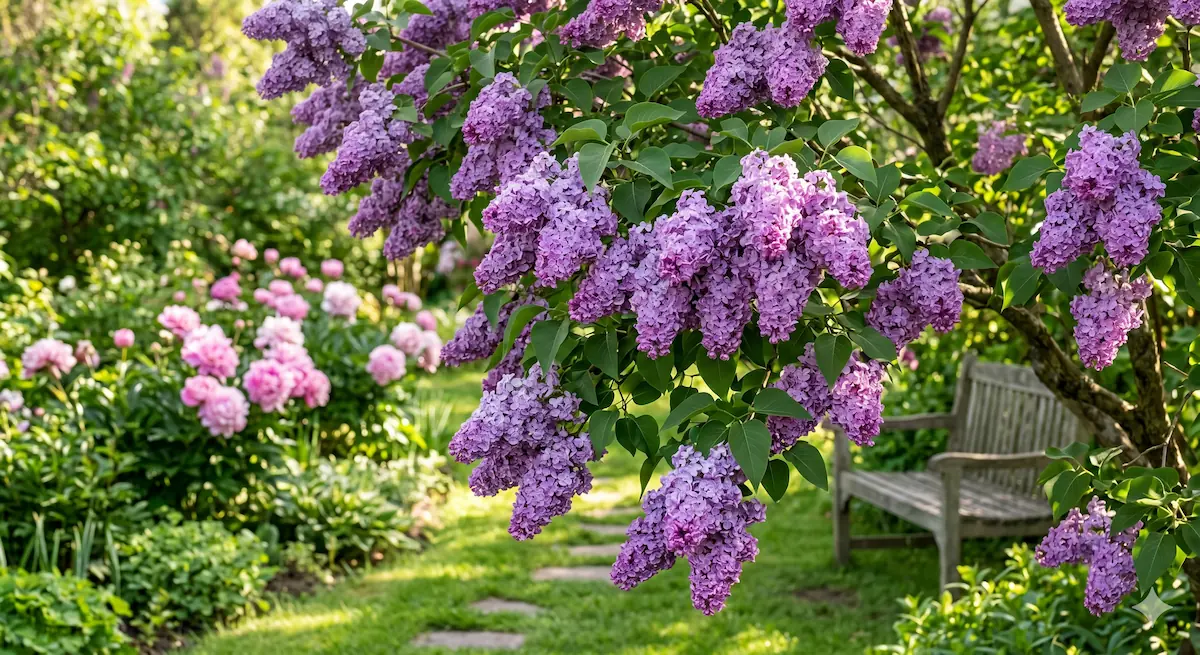
Lilac is more than just a shrub; it's the soul of the spring garden. Learn why it won't bloom in the shade, which soil it prefers, and how to choose the right companions.
Lilac (Syringa) is beloved for its unmistakable fragrance and lush clusters of flowers. It is a long-lived shrub that, with proper care, can delight several generations of your family. However, to prevent it from becoming a "wild" bush with small flowers, it needs space and sun.
Soil: Where Does Lilac Bloom Its Best?
Lilacs cannot tolerate acidic soils or standing water. If the roots stay wet, the bush will fall prey to fungal diseases.
- Best Choice: Fertile Loamy soils (Type 1) with a neutral or slightly alkaline pH.
- Soil Check: Use the sausage test. A cracking ring (Type 1) is ideal. On heavy clay (Type 3), the bush grows slowly, so adding sand and compost to the planting hole is a must.
Best Companions (Good)
- Peonies: Share similar soil and sun requirements. Their blooming periods often overlap or follow each other beautifully.
- Phlox and Spirea: Complement the lower tier of the shrub without interfering with its root system.
- Spring Bulbs (Tulips, Daffodils): Finish blooming before the lilac's dense foliage creates too much shade.
Main Enemies (Bad)
- Walnut Trees: The toxic juglone zone inhibits lilac growth. Nearby, the bush will be weak and may fail to bloom.
- Blueberries and Azaleas: They love acidic soil, which is toxic for lilacs. Never plant them in the same sector.
- Birch Trees: These trees are "water-hogs" that will suck all moisture from the ground, leaving the lilac parched.
AgroPlanner Tip: Lilac is a vigorous shrub that spreads through suckers. In our app, it occupies a 3x3 grid. The system will flag a **soil type conflict** if you try to plant it near blueberries. Remember: for lush blooms, lilacs need at least 6 hours of direct sun per day!
AgroPlanner App
Realize your dream garden: check plant compatibility, sun/shade needs, and save your plan easily.

Disclaimer
Important! All information in this blog is for recommendation purposes only. We are developers and enthusiasts, not certified agronomists. Results may vary based on your region, soil type, and weather. We are not responsible for potential errors or crop failures. Please verify critical advice independently!
Found this helpful? Share with friends!
Read more
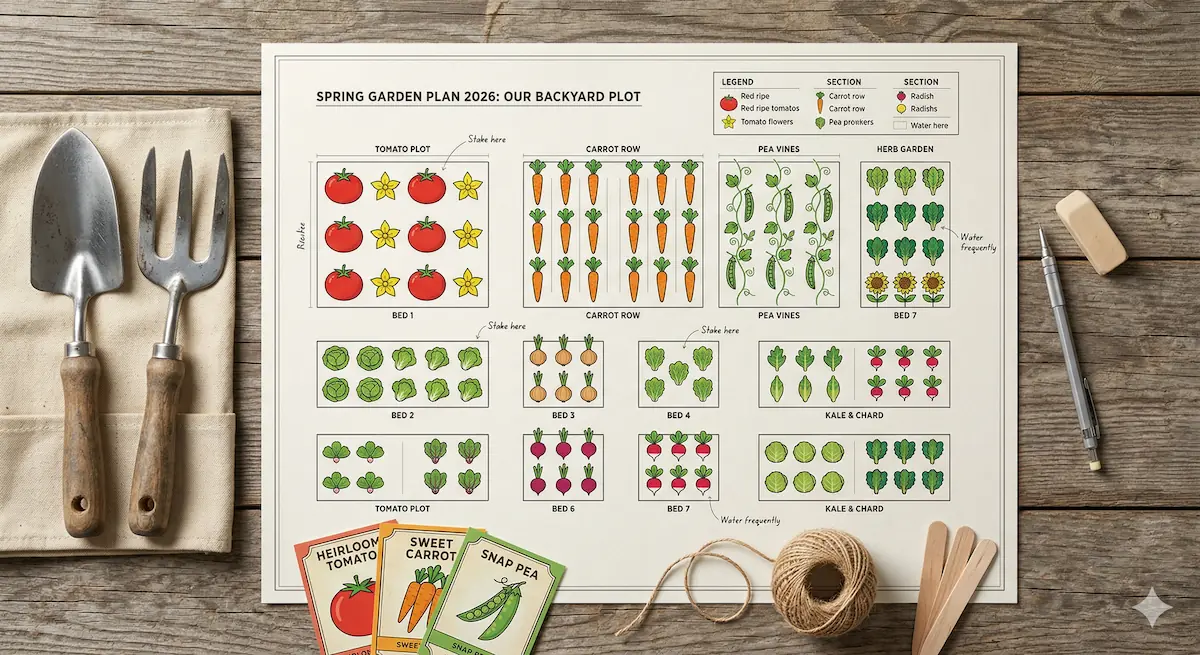
Crop Rotation: How to Prevent Your Garden from Getting "Tired"
Why shouldn't you plant tomatoes after potatoes? Understanding the rules of crop rotation for healthy soil and large fruits.
Read more →
Free Seeds: How to Correctly Collect and Save Seeds from Your Own Harvest
Don't rush to throw away those seeds after dinner! Learn how to harvest pumpkin, watermelon, and tomato seeds to get a great crop next year without extra costs.
Read more →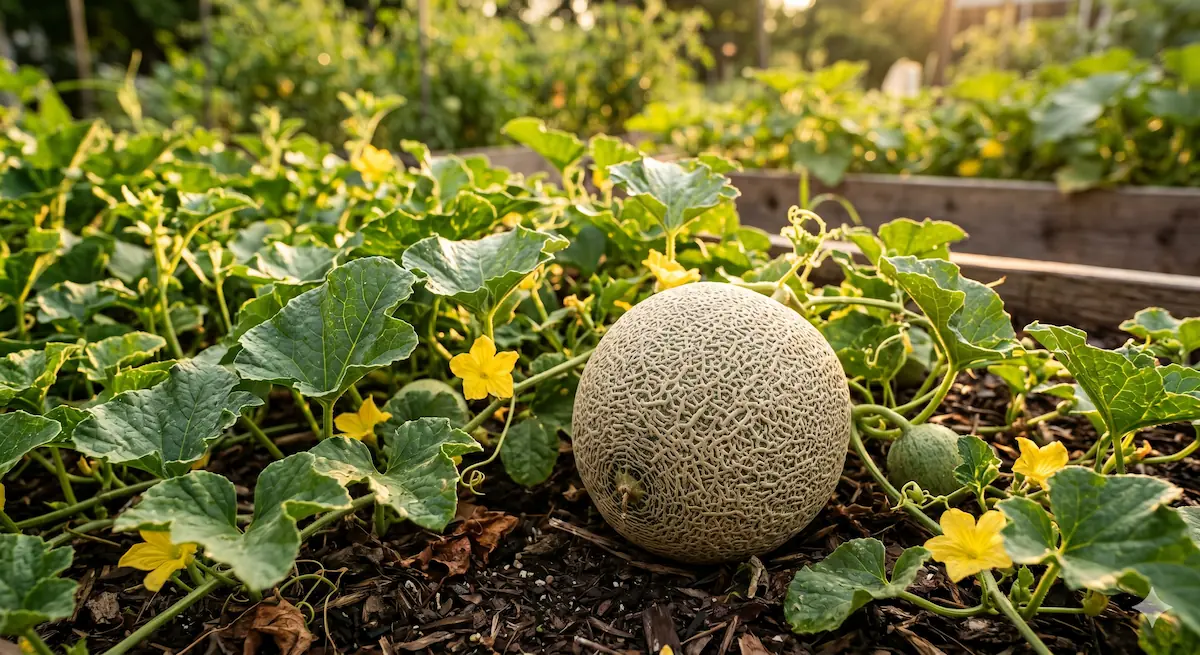
Melon: How to Grow a Sweet "Piece of Sun" in Your Garden
Melons are the symbol of a hot summer. Learn why they need sandy soil, how to prune the vines for large fruit, and why proximity to cucumbers can ruin the experience.
Read more →