
Growing Hazelnuts: How to Harvest Filberts in Your Own Garden
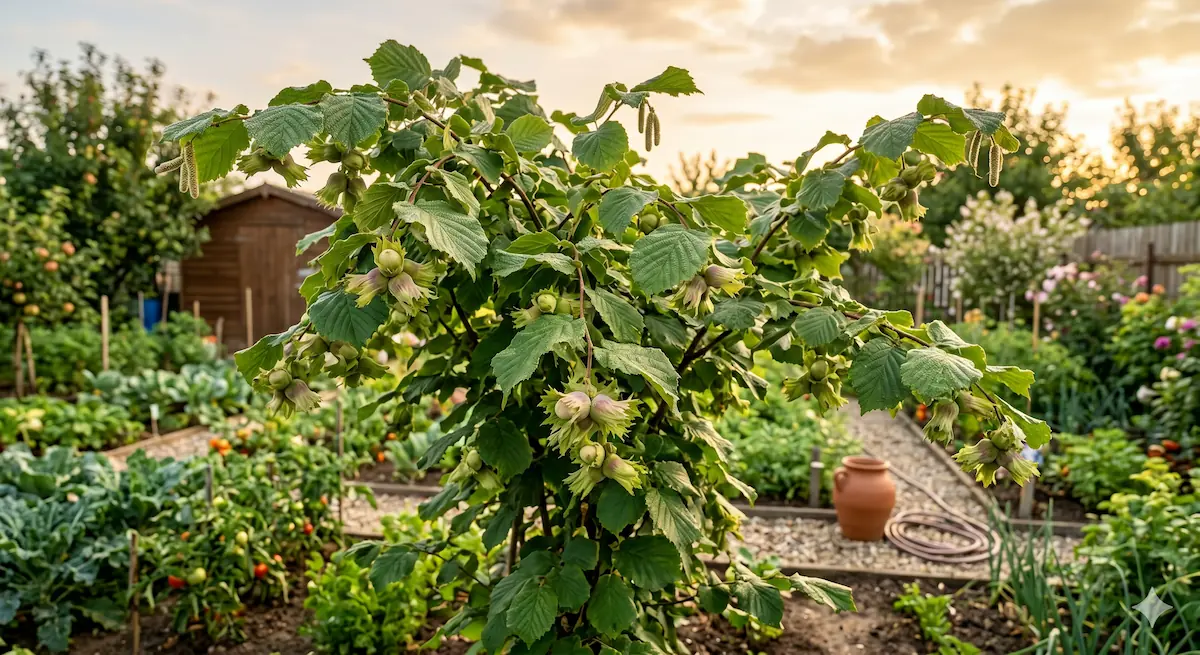
Unlike the walnut tree, hazelnut is a very "friendly" crop. Tips on planting, soil selection, and ideal neighbors for your garden plot.
Hazelnut, or cultivated filbert, is one of the most rewarding crops for a modern garden. It doesn't take up as much space as its giant relative, the walnut, and most importantly for planning—it is completely safe for surrounding plants.
A Peaceful Neighbor Without "Chemical Weapons"
While the Walnut tree is an aggressor that crowds out its neighbors with toxins, the hazelnut is a true diplomat. It does not release juglone, so you can safely plant berry bushes or even vegetable beds nearby. In AgroPlanner, you will notice that hazelnut has no red danger zone, making it an ideal choice for small plots where every inch of space matters.
Soil and Moisture Requirements
Hazelnuts adore loose and fertile Loams (Type 1). They perform poorly in overly acidic or sandy soils where roots lack nutrients. Use our soil type guide to ensure the planting site provides the shrub with rapid growth and a bountiful harvest.
The Harvest Secret: Group Planting
Hazelnuts are wind-pollinated, so to harvest buckets of nuts, you need to plant at least 2-3 different varieties near each other. In our planner, consider the actual size of the shrub—while it doesn't poison neighbors, its dense canopy can cast significant shade. Place hazelnuts on the north side of the garden to serve as a living windbreak for more delicate crops.
AgroPlanner Tip: Hazelnuts are very sensitive to soil moisture during the nut formation period (June-July). If there is a drought during this time, be sure to water the shrubs; otherwise, the nuts will be small or empty inside. Plan your irrigation system so that the hazelnut doesn't go thirsty during the peak summer months.
AgroPlanner App
Realize your dream garden: check plant compatibility, sun/shade needs, and save your plan easily.

Disclaimer
Important! All information in this blog is for recommendation purposes only. We are developers and enthusiasts, not certified agronomists. Results may vary based on your region, soil type, and weather. We are not responsible for potential errors or crop failures. Please verify critical advice independently!
Found this helpful? Share with friends!
Read more
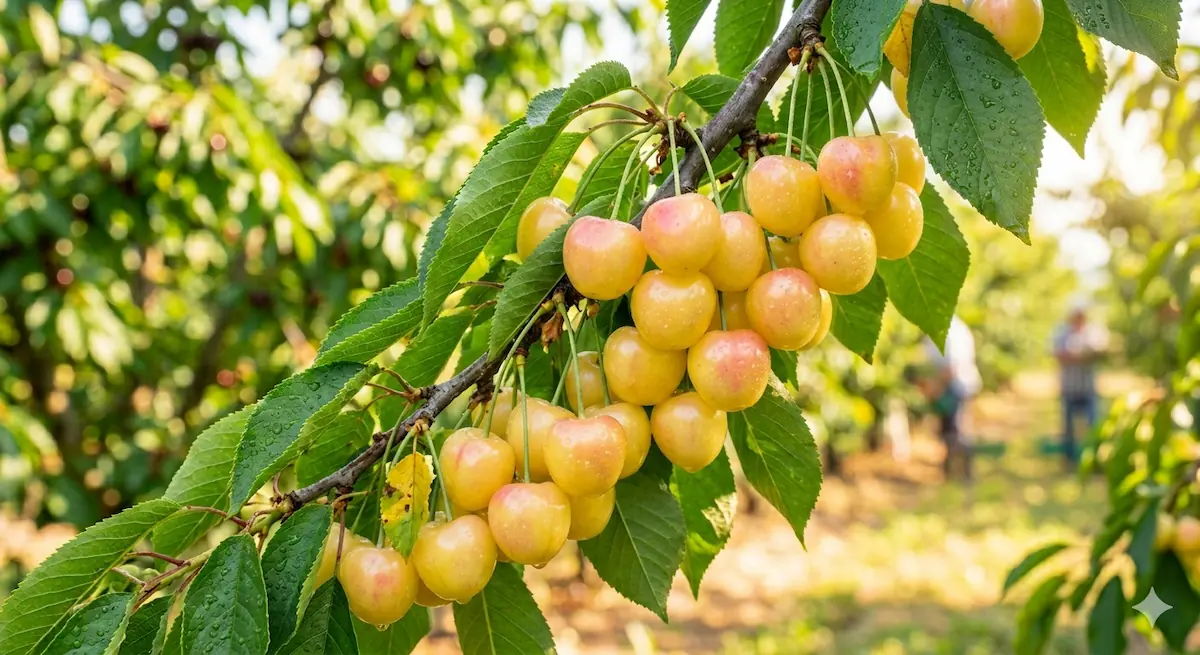
White Sweet Cherry: A Honey-Sweet Harvest the Birds Won't Touch
White cherries are sweeter than red ones and rarely attract birds. Learn which soil ensures fruit transparency, why it needs a pollinator, and how to protect it.
Read more →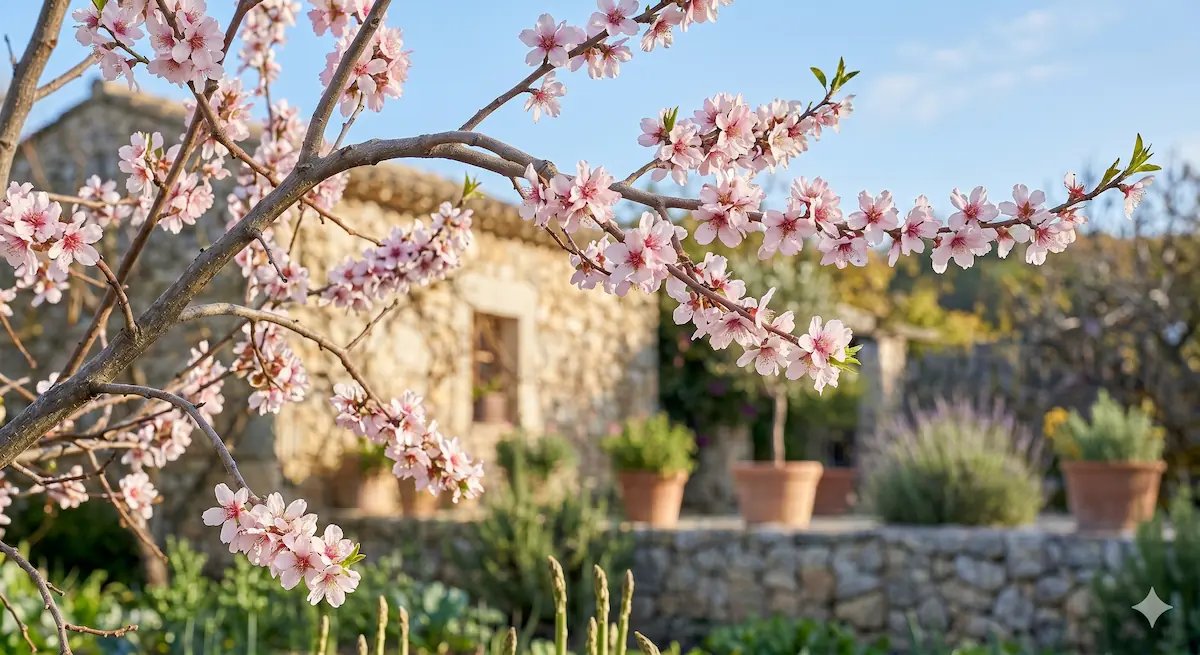
Almond: How to Grow the Most Beautiful Blossoming Tree with Valuable Nuts
Almonds are the first trees to wake up in the spring. Learn how to provide a sunny spot, why they dislike heavy soil, and how to harvest your own home-grown nuts.
Read more →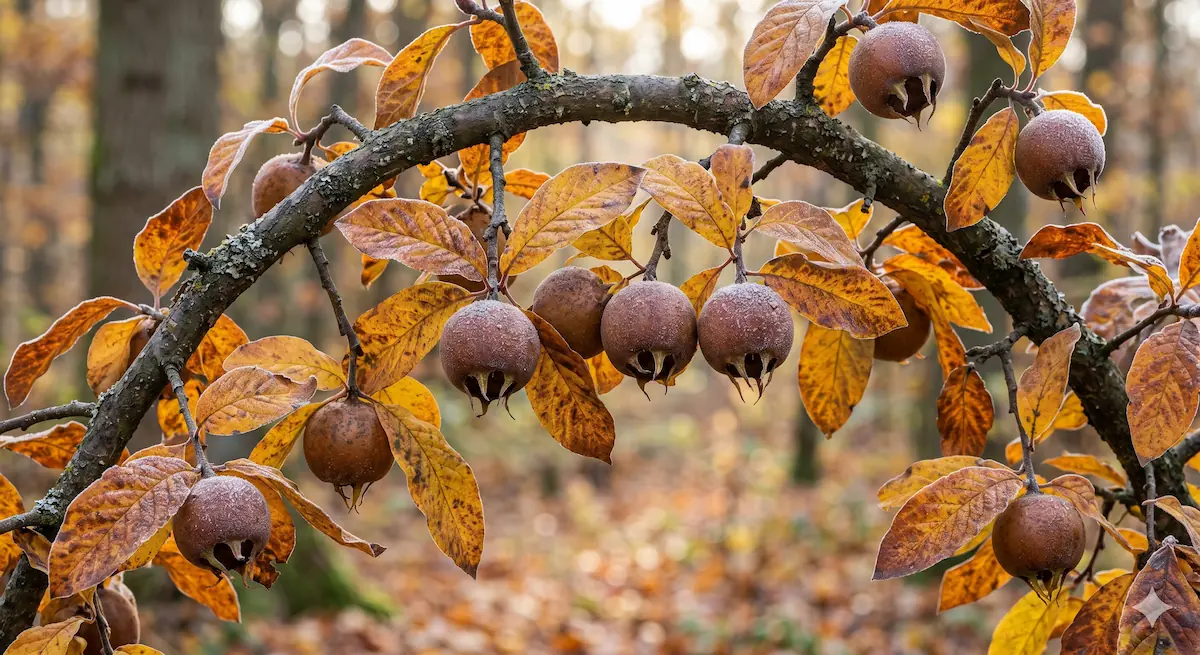
Medlar: A Forgotten Delicacy That Loves the Frost
Medlar is a combination of ornamental beauty and health benefits. Learn why its fruits only become sweet after the first frosts, what soil ensures a stable harvest, and why it doesn't fear winter blizzards.
Read more →