
How to Get Rid of Mole Crickets and Moles: Eco-Friendly Garden Methods
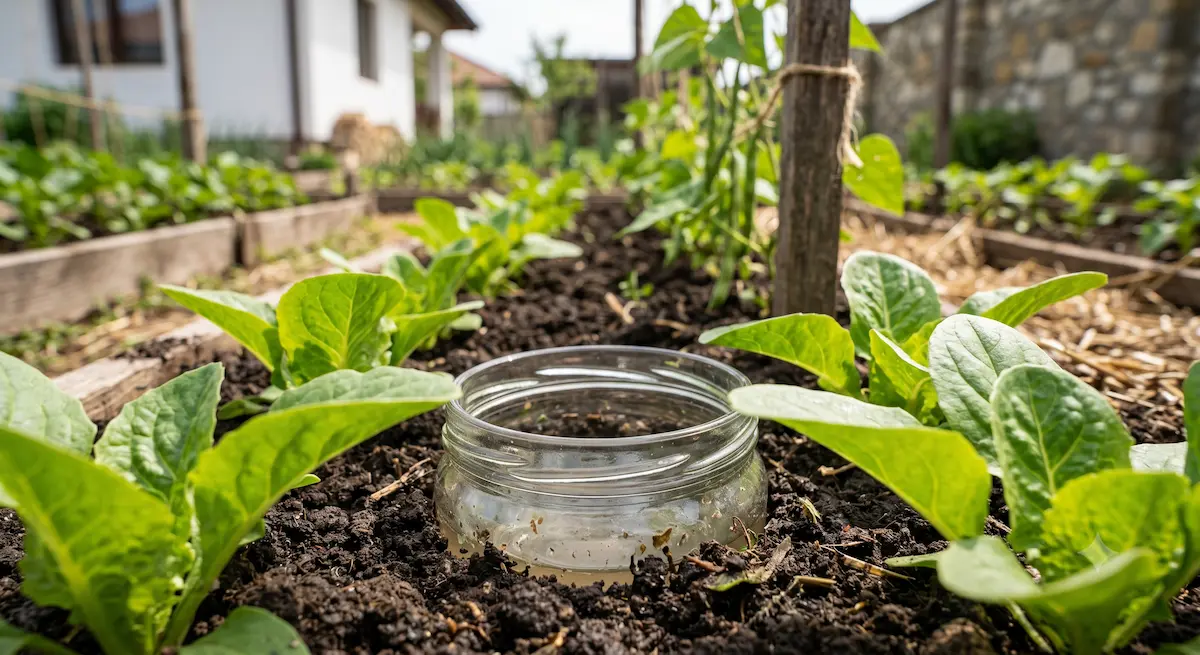
Underground pests destroy seedling roots and ruin root vegetables. Complete guide to eliminating mole crickets and moles without hazardous chemicals.
Mole crickets and moles are the fiercest underground enemies of any gardener. While a mole is a predator and damages roots accidentally by digging its tunnels, a mole cricket purposefully gnaws at everything: from tender cucumber seedlings to juicy potato tubers. In late summer and autumn, their activity peaks as they prepare underground nests for wintering. You can chase them off using safe natural and biological methods.
1. Why Chemical Poisons on Vegetable Beds are a Bad Idea
Pouring aggressive chemical granules into the soil directly before harvesting is hazardous. Toxins are easily absorbed by plant roots and migrate into the juicy fruits you harvest for winter storage, like late potatoes, the harvesting rules for which are detailed in our potato winter storage guide. The organic approach relies on sharp natural scents and mechanical bait traps.
2. Specifics of Managing Mole Crickets
Mole crickets adore moist, heavily manured areas and frequently migrate onto beds with purchased humus. The pest has a highly sensitive sense of smell, so the essential aromas of certain plants can force it to immediately evacuate your territory.
3. Table of Eco-Friendly Methods for Eliminating Underground Pests (Good)
| Plot Protection Method | How to Apply Correctly in Practice? | Who Does It Work Against Best? |
|---|---|---|
| Oil and Soap Emulsion | Dilute 2 tablespoons of vegetable oil and 10 grams of liquid soap in 10 liters of water. Pour directly into the underground burrow hole. | Mole Crickets. The oil film blocks the insect's spiracles, forcing it to crawl to the surface. |
| Beer or Honey Trap | Bury a glass jar level with the ground surface, coat the neck with honey, or pour 50 ml of fresh beer into the bottom. | Mole Crickets. The insect follows the sweet fermenting scent, drops to the bottom of the jar, and cannot climb back out. |
| Planting Marigolds | Densely border beds with flowers whose phytoncide traits we covered in our marigolds guide. | Mole Crickets & Moles. The distinct sharp fragrance completely jams the pests' olfactory navigators. |
| Castor Oil and Fish | Drop ordinary salted herring heads or rags soaked in castor oil directly into fresh mole tunnels. | Moles. Possess phenomenal hearing and smell; the unbearable foul odor forces them to relocate further away. |
4. Major Gardening Mistakes to Avoid (Bad mistakes)
- Flooding molehills with tons of pure water: Trying to simply drown out mole tunnels with a garden hose only results in washing away fertile topsoil layers under roots and turning the patch into a swamp. A mole's subterranean network can reach hundreds of meters, and you will simply waste water in vain.
- Applying fresh poultry manure in excessive doses: Attempting to repel insects with heavy odor, large doses of fresh organic matter will burn plant root tissues due to concentrated nitrogen excess. Read about microelement balancing in our NPK fertilizer guide.
AgroPlanner Tip: The best mechanical method to protect precious seedling roots from mole crickets is utilizing a protective ring cut from an ordinary plastic bottle during transplanting. The pest travels within the top 5 cm of soil and won't be able to puncture the plastic barrier. Model your protection in our planner tool!
AgroPlanner App
Realize your dream garden: check plant compatibility, sun/shade needs, and save your plan easily.

Disclaimer
Important! All information in this blog is for recommendation purposes only. We are developers and enthusiasts, not certified agronomists. Results may vary based on your region, soil type, and weather. We are not responsible for potential errors or crop failures. Please verify critical advice independently!
Found this helpful? Share with friends!
Read more
Radishes: How to Get Your First Vitamin Harvest in 25 Days
Secrets to growing crunchy radishes: from soil selection to ideal companionship. Learn how to get a quick harvest and why radishes dislike deep shade.
Read more →
Potato Companion Planting: How to Repel Pests Naturally
Potatoes need a lot of space and protection. Discover which companion plants help repel the Colorado potato beetle and improve soil quality.
Read more →
Mustard in the Garden: How to Use the Ultimate Green Manure Correctly
Mustard can heal the soil and repel pests, but it’s not suitable for all beds. Learn about companion rules and the secrets of using mustard as a fertilizer.
Read more →