
Schlumbergera: The Forest Cactus That Blooms at Christmas
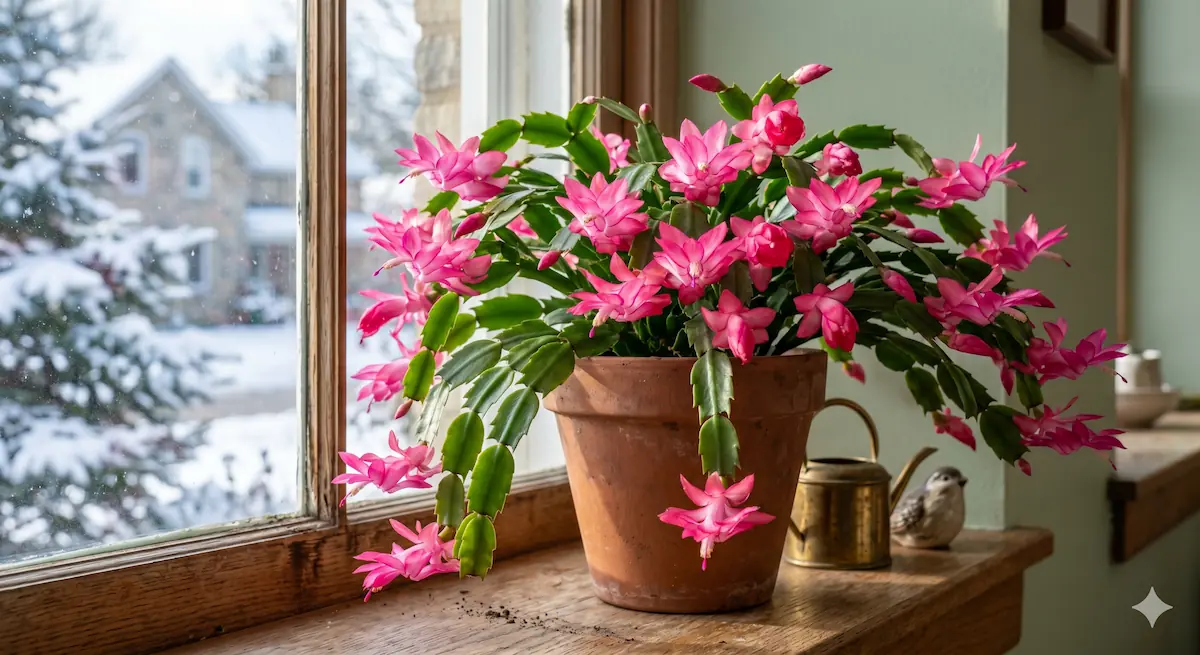
Schlumbergera is a tropical guest unlike any other cactus. Learn why it adores moisture, how to force it to bloom with vibrant "lanterns" in winter, and why regular sandy soil is fatal.
Schlumbergera, known popularly as the Christmas Cactus, is an epiphytic (forest) cactus native to the tropical forests of Brazil. Unlike its desert relatives, it lacks spines, and its stems consist of flat, segmented pads with scalloped edges. The main value of the Schlumbergera lies in its stunning bloom, with vibrant, tiered flowers appearing during the darkest time of the year — late December and January.
Soil: Where Does the Forest Cactus Feel at Home?
As an epiphyte, Schlumbergera requires loose, moisture-retentive, yet very well-drained soil with an acidic pH.
- Best Choice: Poor Sandy soils (Type 2) mixed with large amounts of leaf litter and peat for acidity.
- Soil Check: Perform the sausage test. If the soil crumbles instantly into dust (Type 2), it's ideal: the ground will provide necessary drainage, while the peat retains essential root moisture.
Best Companions (Good)
- Ferns: Create a stylish tropical corner together and help maintain humidity.
- Orchids: Share similar require for light and watering schedules.
- Bromeliads (e.g., Pineapple): Coexist well on the same windowsill. Check our pineapple guide.
Main Enemies (Bad)
- Walnut Trees: If moving the cactus outdoors in summer, keep it far away from walnuts. Juglone is toxic to cacti.
- Direct Midday Sun: Can cause burns on the delicate leaves, leaving brown spots.
- Dry Air and Radiators: In winter, this is the main cause of bud drop. Schlumbergera requires regular misting.
AgroPlanner Tip: Schlumbergera is a short-day plant. To force it to bloom by Christmas, provide it with cool temperatures and 12-hour darkness from September. In our app, it occupies a 1x1 grid. The system flags the walnut toxic zone in red if you move it outdoors.
AgroPlanner App
Realize your dream garden: check plant compatibility, sun/shade needs, and save your plan easily.

Disclaimer
Important! All information in this blog is for recommendation purposes only. We are developers and enthusiasts, not certified agronomists. Results may vary based on your region, soil type, and weather. We are not responsible for potential errors or crop failures. Please verify critical advice independently!
Found this helpful? Share with friends!
Read more
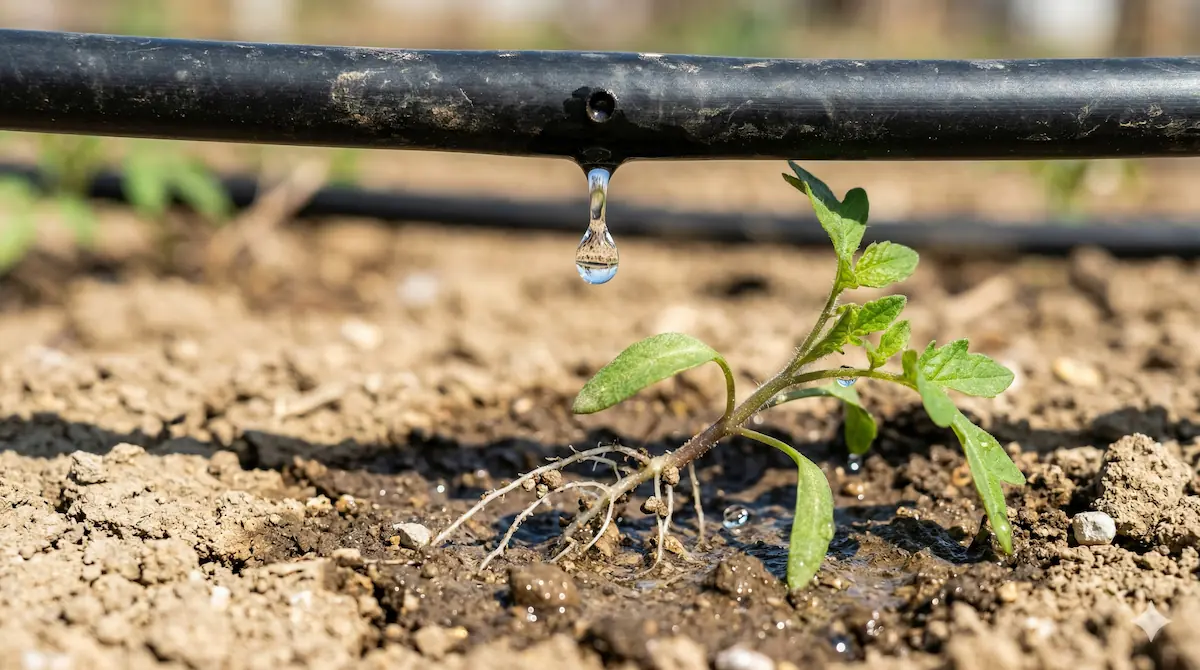
DIY Automatic Watering: How to Stop Being a Slave to the Watering Can
Your garden can survive without you! Learn how to set up a watering system: from simple bottles to drip tapes.
Read more →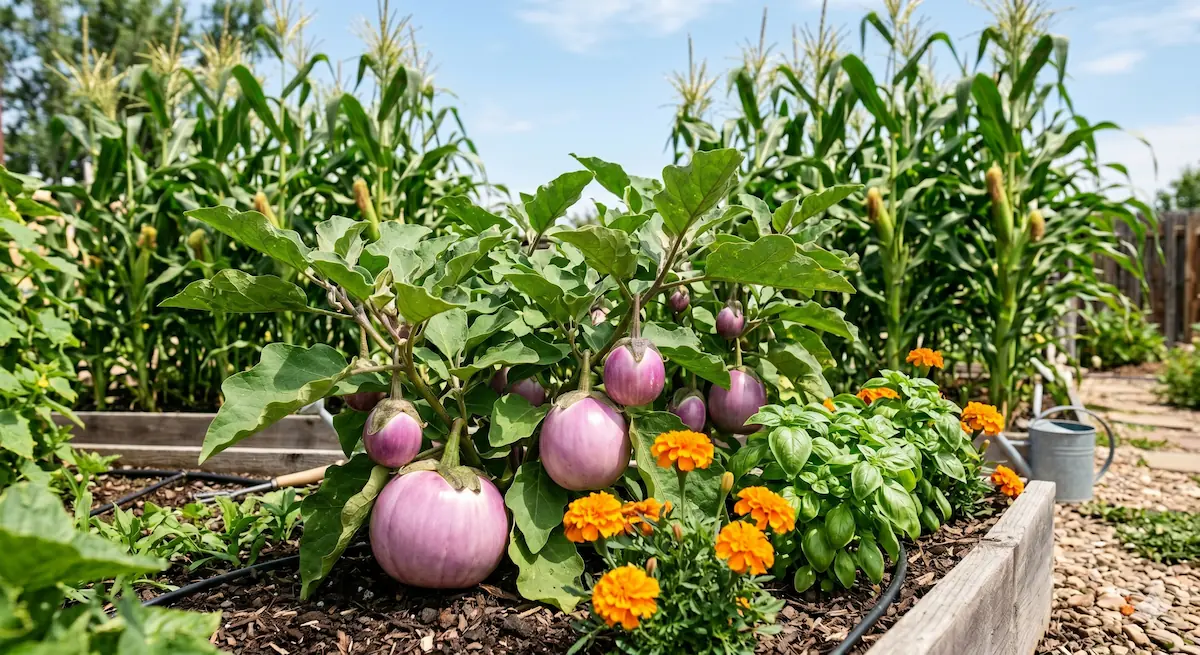
Eggplant "Helios": The Round Beauty with a Mushroom Flavor
"Helios" is not just an eggplant, but a delicacy in your garden. Learn why it needs special soil and how to protect it from its main enemy — the Colorado beetle.
Read more →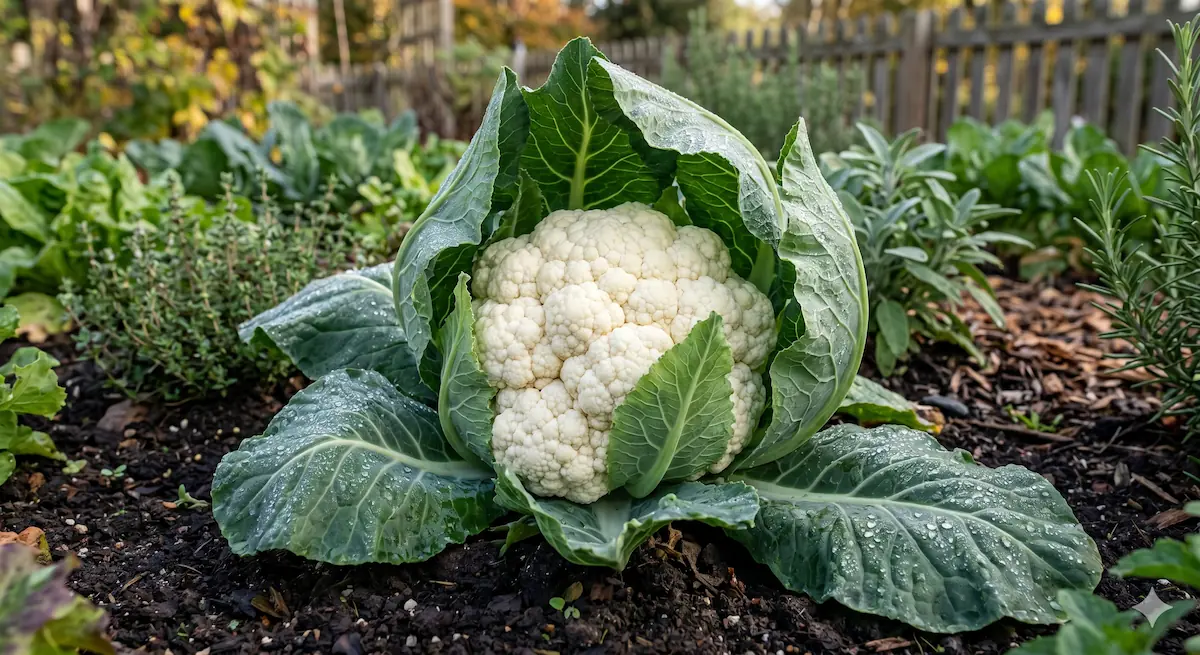
Snowball Cauliflower: The Classic for Pure White Heads
Snowball is one of the most popular early cauliflower varieties. Discover the secrets to keeping the heads white, why it needs regular watering, and how to protect it from the heat.
Read more →