
Complete Pak Choy Growing Guide: Juicy Greens in 30 Days
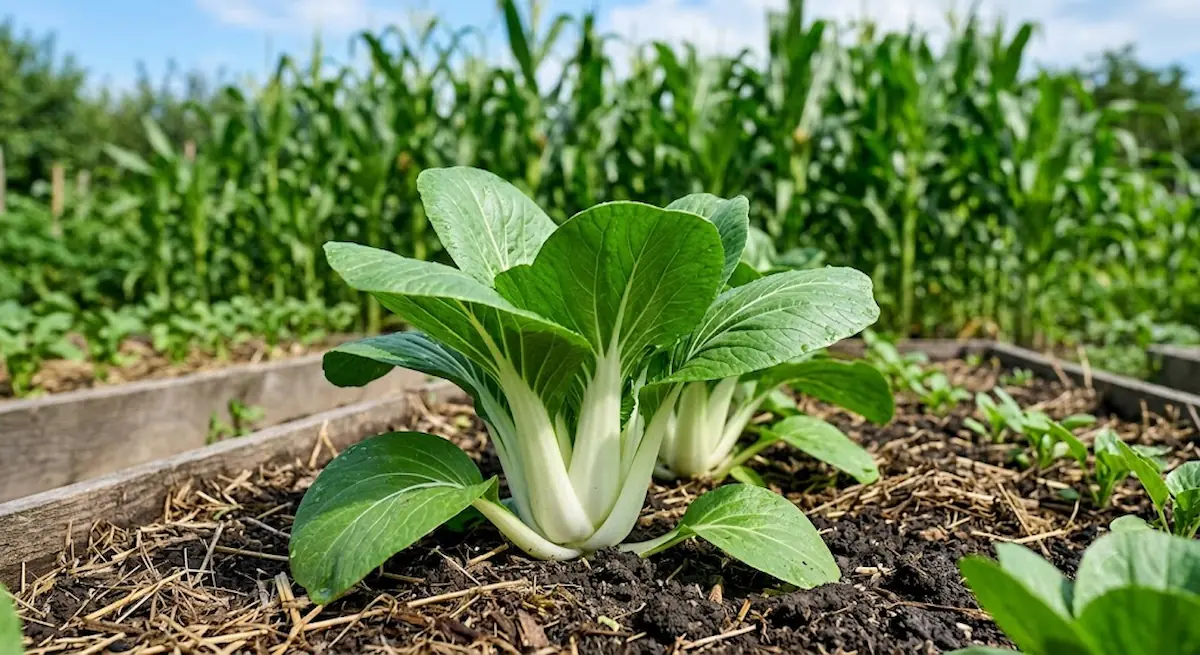
Chinese stalk cabbage pak choy is the perfect choice for repeat summer sowing. Secrets of planting, heat care, and the best companions table.
Pak choy (Brassica rapa subsp. chinensis) is a unique Chinese stalk cabbage that does not form a traditional head but grows as a rosette of juicy leaves with thick, crunchy petioles. The primary benefit of this crop is its ultra-early maturity. The first salad greens can be harvested just 25-30 days after sprouts emerge, making it the queen of the summer garden conveyor.
1. Why Summer is the Perfect Time to Plant Pak Choy?
Like most Asian brassica crops, pak choy is a short-day plant. If you sow it in May when days are long, it will instantly bolt and flower, leaving the stalks tough and bitter. Sowing in mid-July or early August is the perfect window. During this period, daylight hours shorten, and the cabbage directs all its energy into developing a fleshy, juicy rosette.
- Seed Sowing Depth: 1-1.5 cm.
- Plant Spacing: 20-25 cm (do not plant too closely; bushes require airflow).
2. Summer Care Rules for Asian Cabbage
Pak choy features a shallow root system, so it reacts immediately to the drying out of the topsoil layer. Watering should be frequent but moderate. Always mulch the bed to protect the roots from overheating. The main summer enemy is the flea beetle. We detailed natural bed protection methods in our cabbage pest control guide.
3. Table of Ideal Companion Planting (Good)
Properly selected companions provide light shade and mask the cabbage scent with their essential oils:
| Companion | Companion Benefits |
|---|---|
| Garlic and Onions | Sharp allium phytoncides reliably deter the primary enemy — the flea beetle. |
| Basil | Strong herbal scent confuses flying pests, effectively masking the pak choy plot. |
| Corn | Acts as a living screen, protecting delicate leaves from intense midday sun exposure. |
| Bush Beans | Naturally enrich the soil with nitrogen, which is required for rapid stalk growth. |
| Mint | Protects the plantation from cabbage flies and slugs due to its menthol fragrance. |
| Lettuce | A great row space filler that helps lock in moisture near the soil surface. |
| Marigolds | Safeguard the cabbage roots from tiny underground pests and nematodes. |
| Dill | Attracts useful predatory insects to the garden bed to destroy aphid colonies. |
4. Bad Neighbors and Harvesting Methods (Bad)
Never plant pak choy next to fennel (stunts development) and other brassicaceae (radishes, mustard) to prevent disease outbreaks. Harvest pak choy by cutting the entire rosette at the base or gently picking outer leaves as they grow.
AgroPlanner Tip: Pak choy does not like prolonged heat treatment. Add it to your pan or pot during the final two minutes of cooking to keep the stalks crunchy and nutritious. Track your sowings with our tool!
AgroPlanner App
Realize your dream garden: check plant compatibility, sun/shade needs, and save your plan easily.

Disclaimer
Important! All information in this blog is for recommendation purposes only. We are developers and enthusiasts, not certified agronomists. Results may vary based on your region, soil type, and weather. We are not responsible for potential errors or crop failures. Please verify critical advice independently!
Found this helpful? Share with friends!
Read more
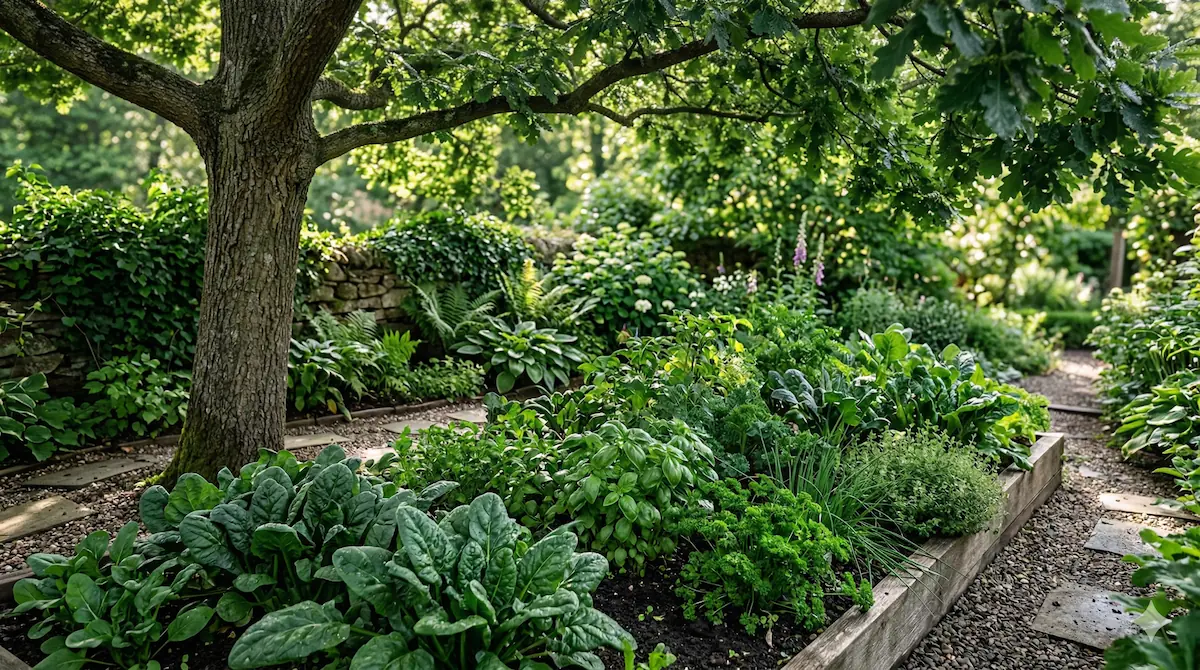
What to Plant in the Shade: Top Plants for Low Light
Shade from a fence or a tree isn't a dead end. Discover crops that thrive without direct sunlight.
Read more →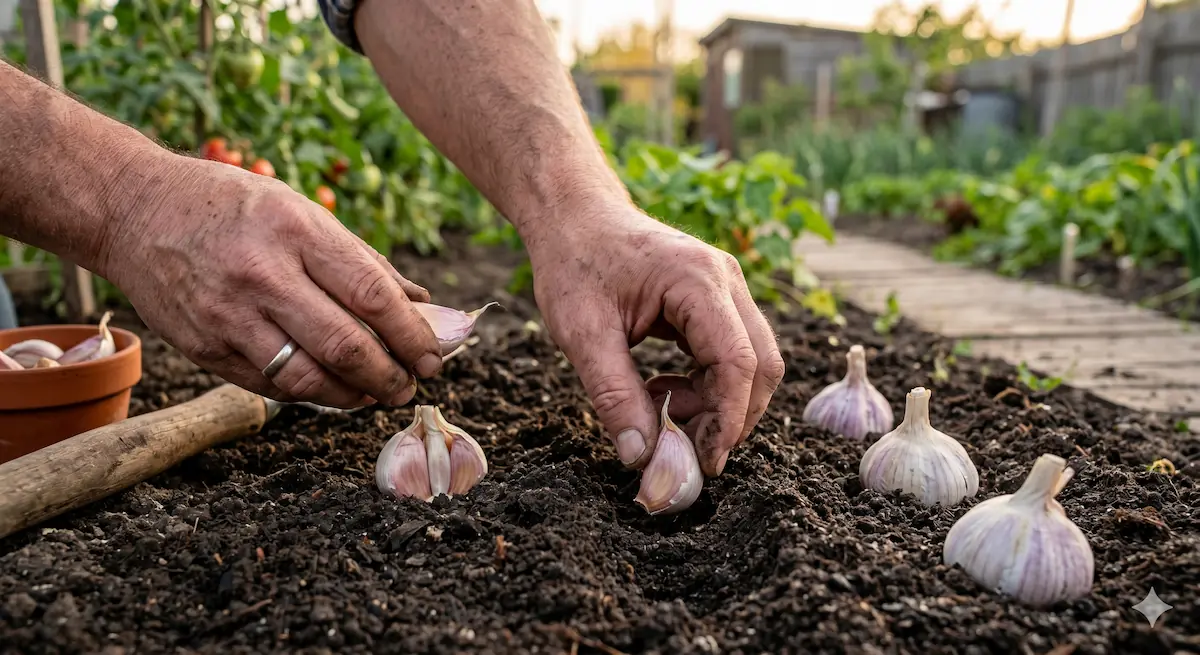
Garlic: Spring vs. Autumn Planting — What's the Difference for the Planner?
Winter or Spring garlic? Let’s find out when to plant, how to choose the best "friends" for it, and why garlic is the main protector of your garden.
Read more →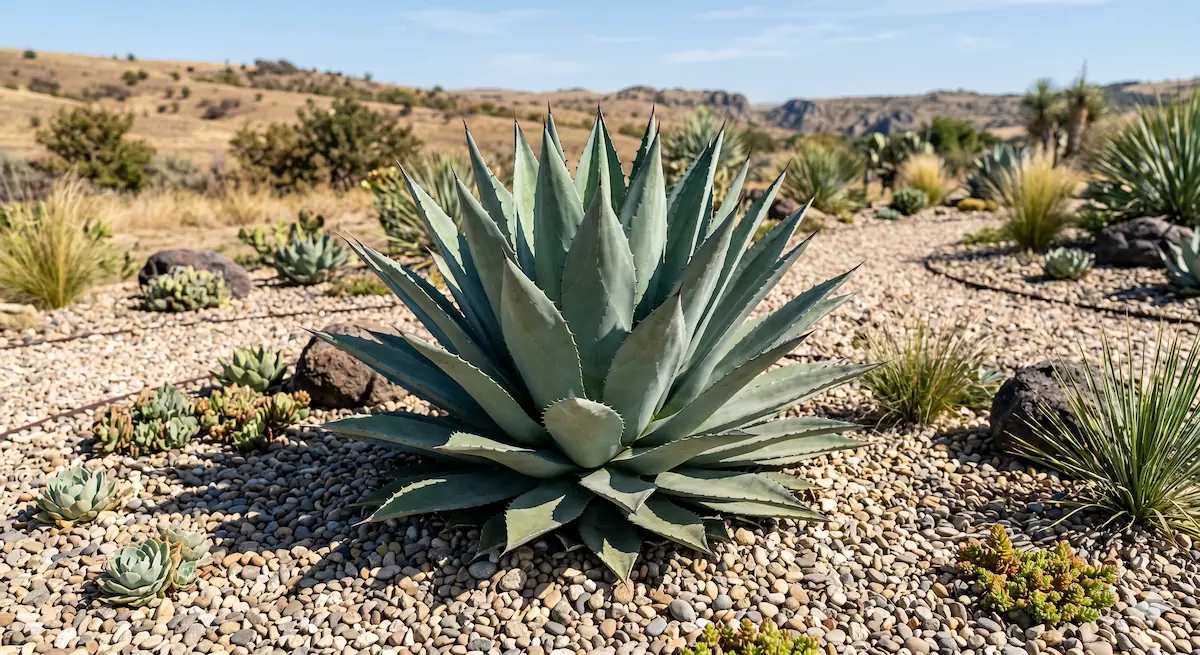
Agave: Architectural Beauty and Desert Resilience
Agave is a symbol of endurance. Learn why it blooms only once in a lifetime, how to provide perfect drainage, and which companions highlight its monumental form.
Read more →