
Passion Fruit (Maracuya): Growing an Exotic Vine with Amazing Flowers
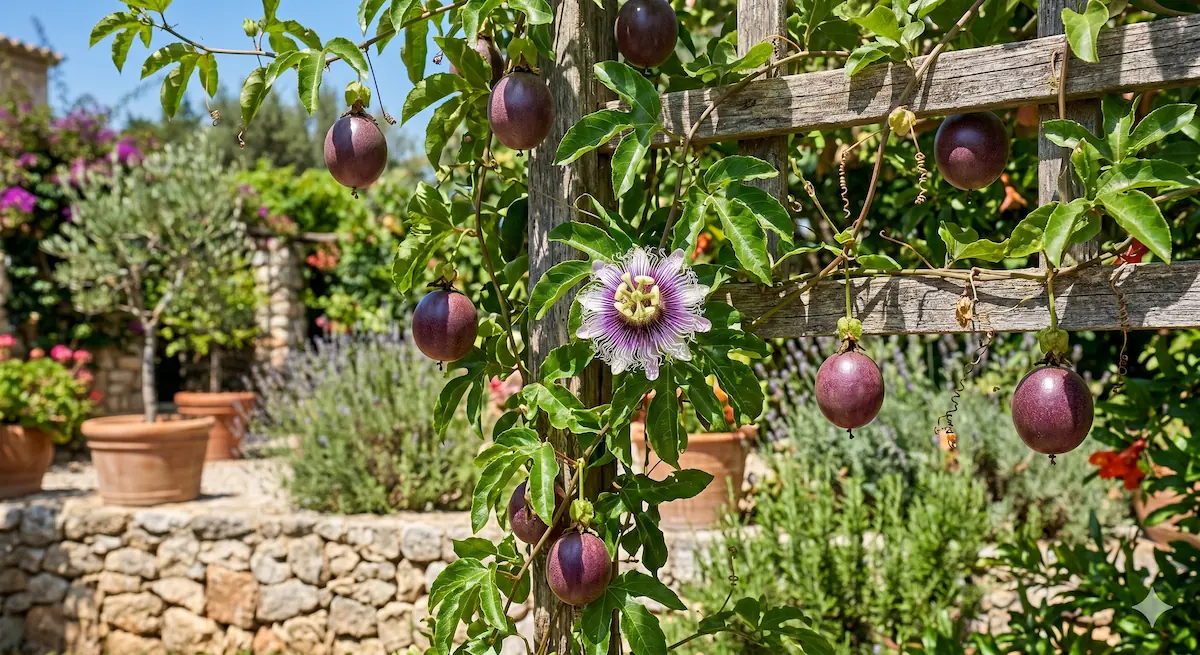
Passion fruit combines incredible beauty with explosive flavor. Learn how to provide support, which soil makes the fruit aromatic, and why it fears even light drafts.
Passion Fruit (Passiflora edulis) is a fast-growing vine prized for its fragrant sweet-tart fruits and cosmic-looking flowers. It's ideal for vertical greening of pergolas, southern walls, or large conservatories. Remember, passion fruit needs a sturdy support and regular watering for intensive growth.
Soil: Where Does Passion Fruit Reveal Its Aroma?
For juicy fruits, passion fruit needs loose soil with high organic content that doesn't trap excess water.
- Best Choice: Fertile Loamy soils (Type 1) or Sandy Loams (Type 2) with a slightly acidic reaction.
- Soil Check: Perform the sausage test. If the soil rolls into a flexible stick that doesn't crack (Type 1), it's perfect: the roots will get enough moisture and nutrients.
Best Companions (Good)
- Papaya: Together they create a lush exotic corner. Check our papaya guide.
- Banana: Its large leaves help maintain necessary humidity around the passion fruit vine.
- Jasmine: Shares similar requirements for vertical supports and lighting.
Main Enemies (Bad)
- Walnut Trees: Walnut juglone acts as a herbicide on passion fruit, halting its growth.
- Heavy Clay (Type 3): In dense soil, the vine's roots rot quickly, especially during colder seasons.
- Frost: Passion fruit is a delicate tropical plant. Even a brief drop to 0°C can be fatal.
AgroPlanner Tip: Passion fruit needs plenty of room to maneuver. In our app, it occupies a 1x1 or 2x2 grid near vertical objects. The system will help you verify if the vine receives enough sunlight and will flag the walnut toxic zone or shaded areas in red, where blooming might be poor.
AgroPlanner App
Realize your dream garden: check plant compatibility, sun/shade needs, and save your plan easily.

Disclaimer
Important! All information in this blog is for recommendation purposes only. We are developers and enthusiasts, not certified agronomists. Results may vary based on your region, soil type, and weather. We are not responsible for potential errors or crop failures. Please verify critical advice independently!
Found this helpful? Share with friends!
Read more
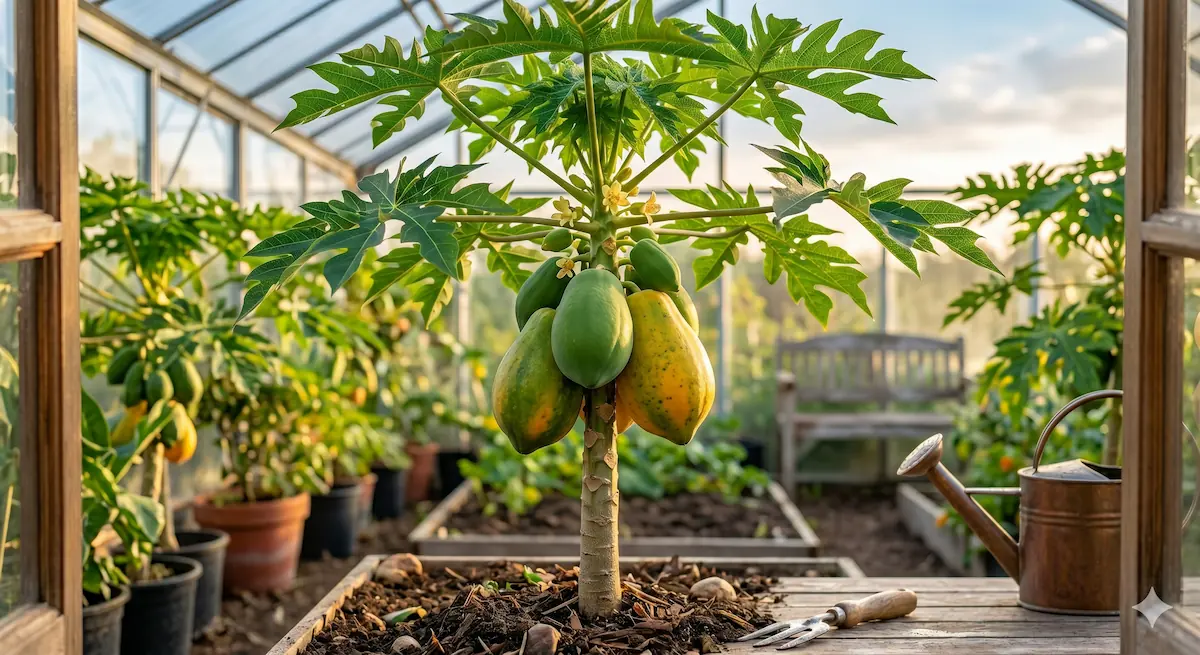
Papaya: The Melon Tree in Your Home
Papaya is a lightning-fast exotic plant. Learn which soil helps it grow in mere months, why it fears the cold, and how to plan its spot in a conservatory or a large pot.
Read more →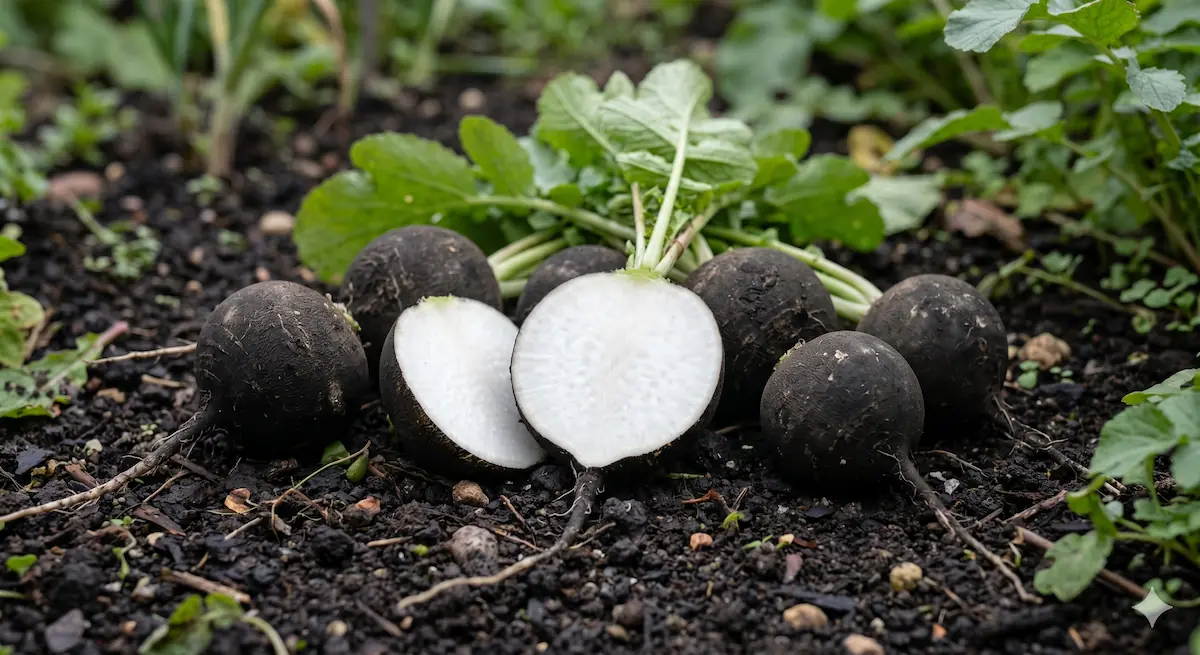
Black Radish: A Natural Pharmacy in Your Garden
Black radish is a legendary remedy for colds. Learn why it prefers short daylight hours, how to provide proper irrigation, and why it should never be planted near cabbage.
Read more →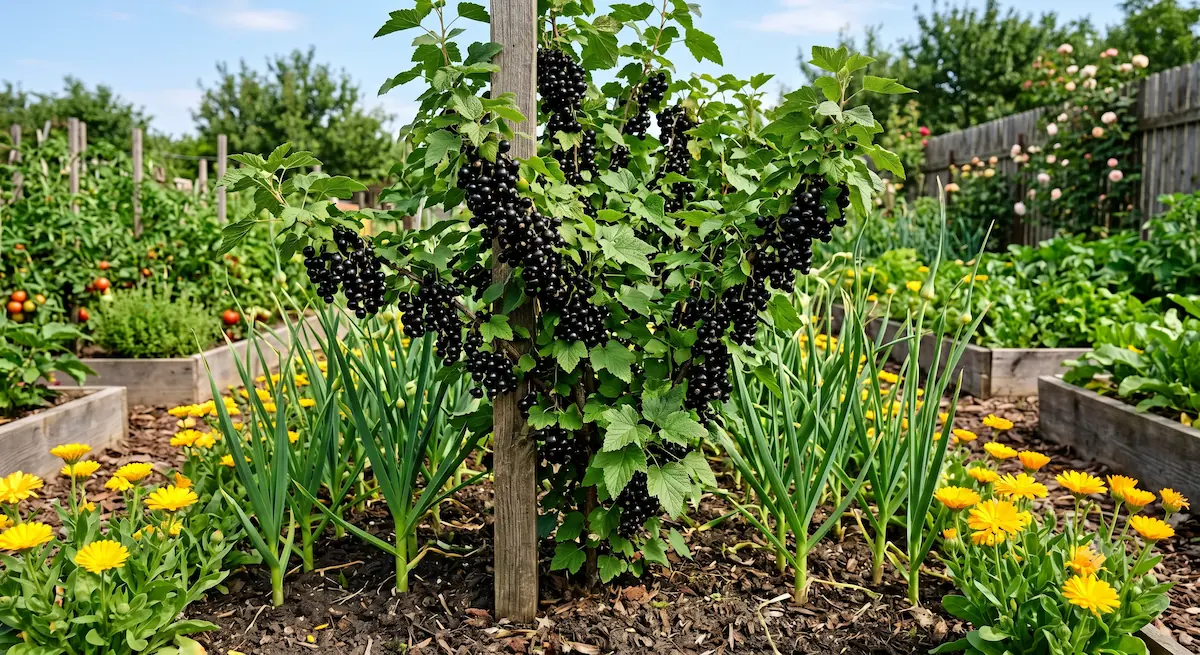
Currant Companion Planting: 8 Best Partners for Large Berries
Black and red currants require protection from aphids and gall mites. A complete manual on choosing ideal neighbors for berry bushes.
Read more →