
Pattypan Squash Companion Planting: 8 Best Neighbors
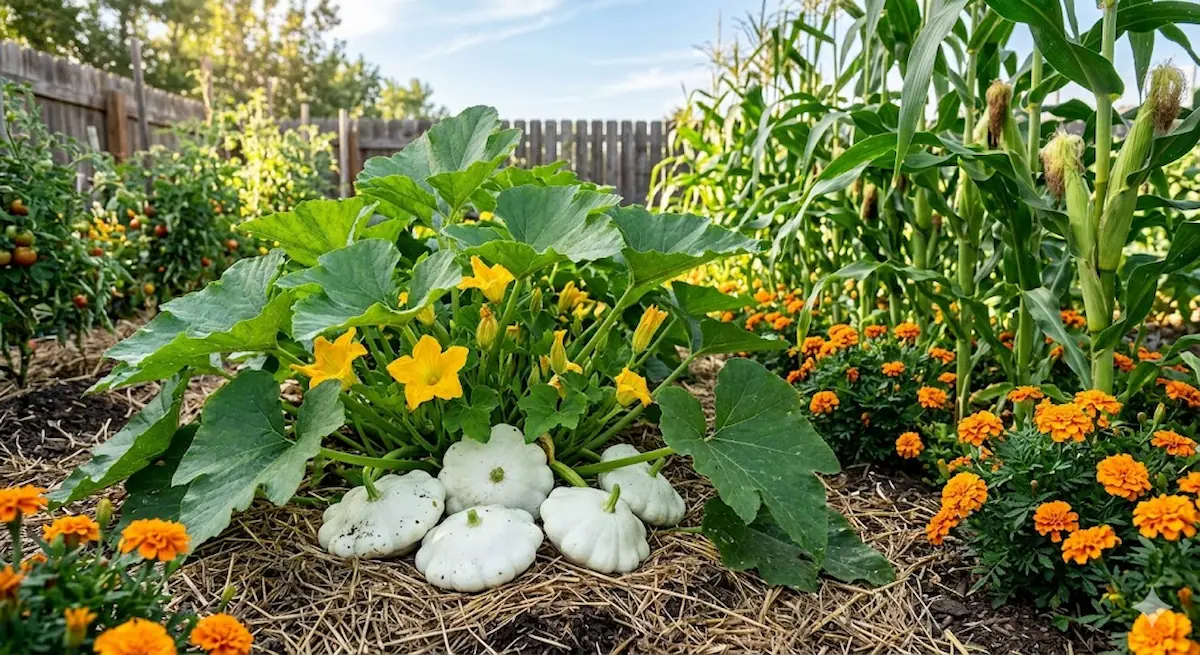
Pattypan squash takes up considerable space and requires intense pollination. Discover 8 plants that attract bees and protect bushes from powdery mildew.
Pattypan squash (Cucurbita pepo var. clypeata) is a wonderful variety of summer squash that stands out with its unique, disc-like shape and scalloped edges. They are tenderer than zucchini and feature a mild, nutty flavor. Pattypan bushes expand significantly, so achieving a high yield requires ample space, proper watering, and reliable neighbors.
1. Planting and Heat Requirements
Pattypan squash is exceptionally heat-loving. Sow seeds or transplant seedlings only after the danger of frost has passed and the soil warms to +12-14°C (mid to late May). They thrive in wide-open, sunny locations with fertile, well-draining soil.
- Planting Layout: Because the bushes grow quite large, leave at least 70-80 cm between individual plants.
- Seed Sowing Depth: 3-4 cm in loose, well-worked soil.
2. Summer Care Rules: Irrigation and Pollination
Pattypans feature broad leaves that evaporate substantial amounts of water, meaning irrigation must be regular — every 2-3 days using warm water strictly at the roots. Watering with cold water causes temperature shock and fruit drop! The primary summer issue is poor pollination of female flowers. If bees do not visit, the tiny fruit quickly turns yellow and rots. Maintenance is heavily aligned with the principles outlined in our zucchini growing guide.
3. Table of Ideal Companions (Good)
Here are 8 excellent companions to attract pollinators and safeguard your squash from summer diseases:
| Companion | Benefits |
|---|---|
| Corn | Shelters the broad squash leaves from heavy wind gusts and provides light, dappled partial shade during peak afternoon heat. |
| Marigolds | Establish a powerful biological shield against aphids and hazardous root-knot nematodes in the soil. |
| Beans | Fix atmospheric nitrogen into the soil, securing a fast start and abundant blossom production for the squash bushes. |
| Nasturtium | Acts as a reliable trap crop: draws cucumber beetles away, preserving the delicate young fruit ovaries. |
| Radishes | Efficiently repel specific squash patch pests when sown along the perimeter of the garden bed. |
| Mint | Its intense refreshing fragrance masks and confuses insect pests looking for squash crops. |
| Spinach | Yields a complete harvest within the rows long before pattypans unfold their massive foliage. |
| Onions | Significantly reduce the risk of powdery mildew — a primary summer threat to vine crops during wet seasons. |
4. Harvesting and Bad Neighbors (Bad)
Avoid proximity with these plants to prevent crop loss:
- Potatoes: Heavily deplete specific soil nutrients, stunting squash development.
- Pumpkins and Cucumbers: Share the same fungal infections; an outbreak on one can quickly destroy the whole crop.
AgroPlanner Tip: Harvest pattypan squash when young and tender for the best culinary flavor. Use our planner to plan your planting and safely manage space between large varieties!
AgroPlanner App
Realize your dream garden: check plant compatibility, sun/shade needs, and save your plan easily.

Disclaimer
Important! All information in this blog is for recommendation purposes only. We are developers and enthusiasts, not certified agronomists. Results may vary based on your region, soil type, and weather. We are not responsible for potential errors or crop failures. Please verify critical advice independently!
Found this helpful? Share with friends!
Read more
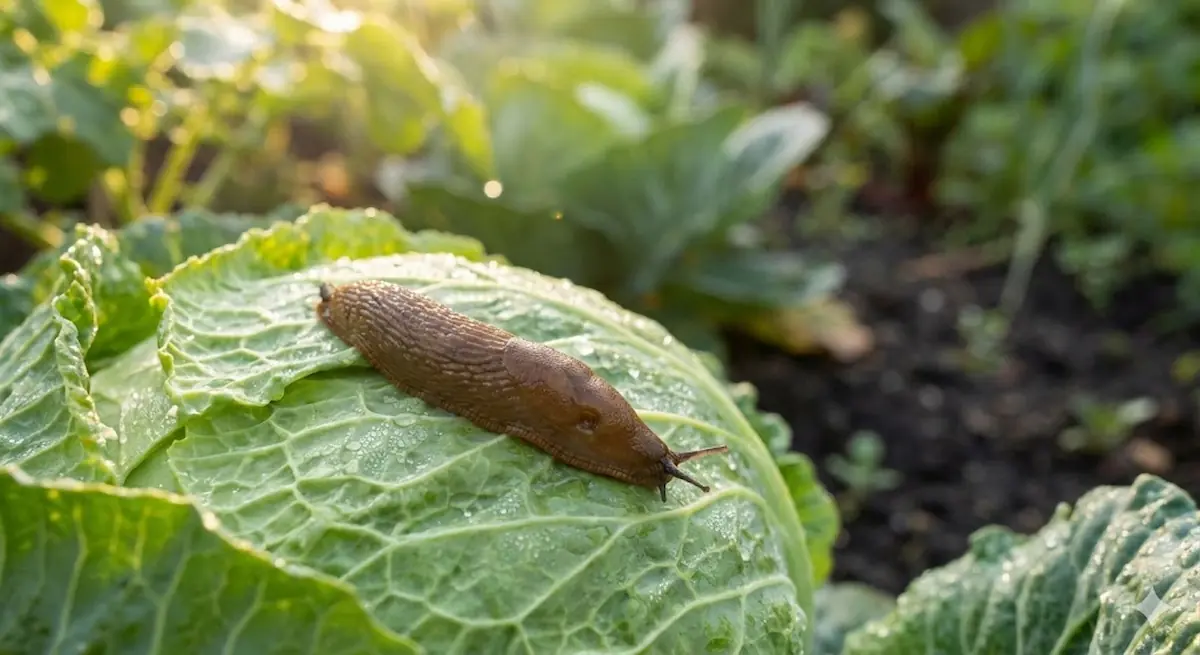
The Battle for Cabbage: How to Protect Your Harvest from Slugs and Aphids Naturally
Organic and effective methods to fight cabbage's main enemies. Learn how to save your harvest from slugs and aphids using homemade remedies and smart companion planting.
Read more →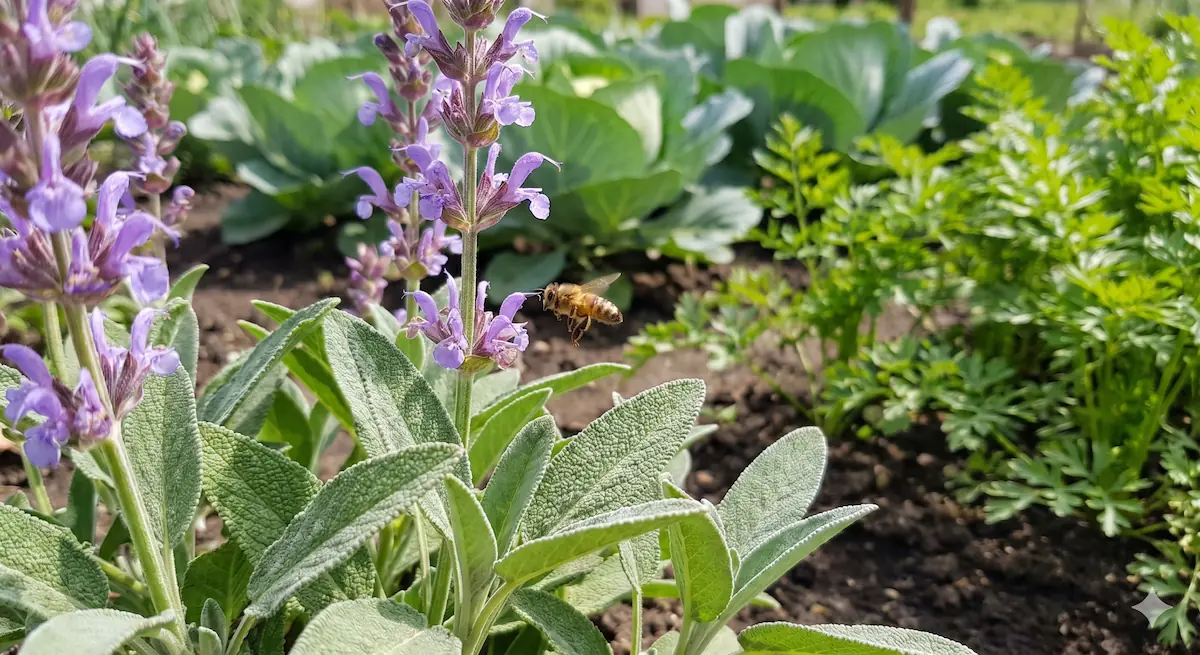
Sage in the Garden: An Aromatic Helper and Pollinator Magnet
Discover the secrets of growing sage. Learn why it’s the perfect neighbor for cabbage, how it protects carrots, and how to use our planner to create a healthy garden layout.
Read more →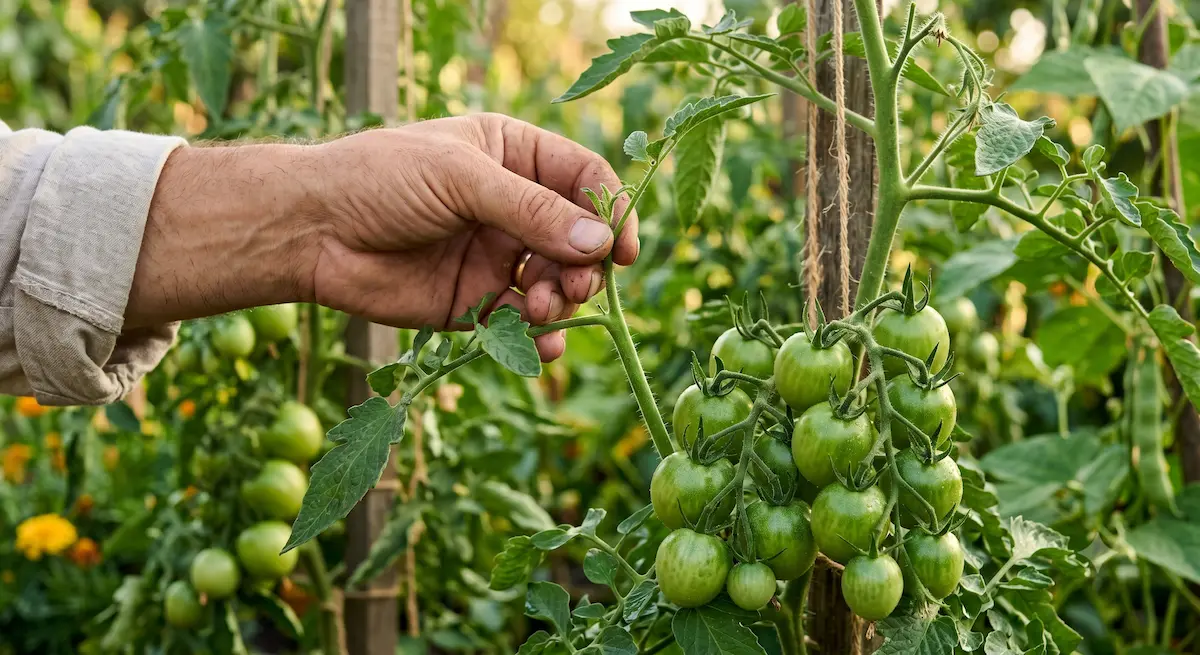
Topping Tomatoes in August: How to Force Tomatoes to Ripen Fast
Topping (pinching the apex) of tomatoes in late summer stops bush growth and directs all energy to fruit clusters. Step-by-step manual for the August garden.
Read more →