
Romanesco Broccoli: Mathematical Perfection in Your Garden
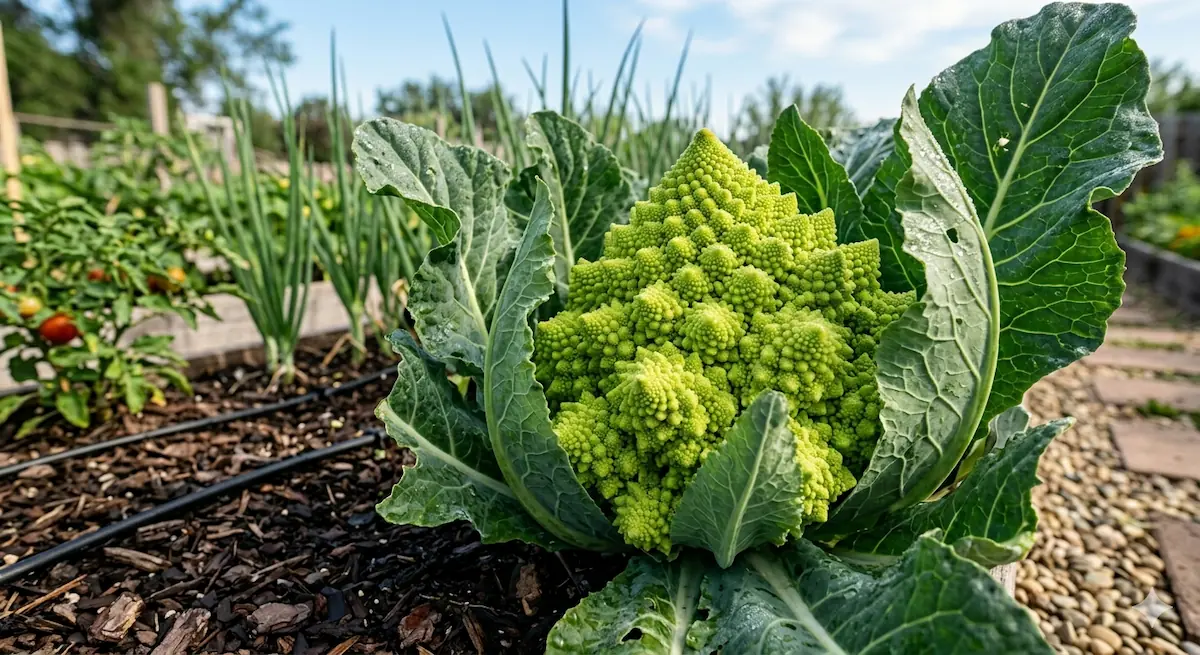
Romanesco is a cauliflower-broccoli hybrid with a fractal shape. Learn how to grow perfect cone-shaped heads, why it needs "heavy feeding," and how to protect it from heat.
Romanesco broccoli is a vegetable you’ll want to photograph before you eat. Its florets consist of small cones that repeat each other's shapes. It tastes milder than regular broccoli, with a subtle nutty flavor, and lacks the strong "cabbage" smell when cooked.
Soil: Where Does Romanesco Build Its Fractals?
This cabbage is a true gourmet. It needs organic-rich soil and consistent moisture without waterlogging.
- Best Choice: Fertile Loamy soils (Type 1) with neutral pH.
- Soil Check: Perform the sausage test. If the ring only slightly cracks when bent (Type 1), it's the ideal structure for nutrient delivery.
Best Companions (Good)
- Celery: Its strong scent confuses the cabbage fly. Plus, they complement each other perfectly in dishes.
- Dill: Attracts beneficial insects that prey on aphids.
- Strawberries: Surprisingly good neighbors. Check out our Zenga Zengana strawberry guide—they can be placed in adjacent sectors to save space.
Main Enemies (Bad)
- Other Brassicas: Never plant Romanesco near white cabbage. They share common pests (cabbage whites) that will quickly ruin your "alien" harvest.
- Walnut Trees: The traditional toxic zone. Cabbage is highly sensitive to juglone and may fail to form heads.
- Tomatoes: Can compete for potassium, which Romanesco needs to form a dense head.
AgroPlanner Tip: Romanesco is a fairly large plant; each needs space. In our app, it occupies a 2x2 grid. The system will alert you to **conflicts with cabbage relatives** and remind you about boron fertilization, which is essential for "fractal" formation. If you want to impress guests, Romanesco is the way to go!
AgroPlanner App
Realize your dream garden: check plant compatibility, sun/shade needs, and save your plan easily.

Disclaimer
Important! All information in this blog is for recommendation purposes only. We are developers and enthusiasts, not certified agronomists. Results may vary based on your region, soil type, and weather. We are not responsible for potential errors or crop failures. Please verify critical advice independently!
Found this helpful? Share with friends!
Read more
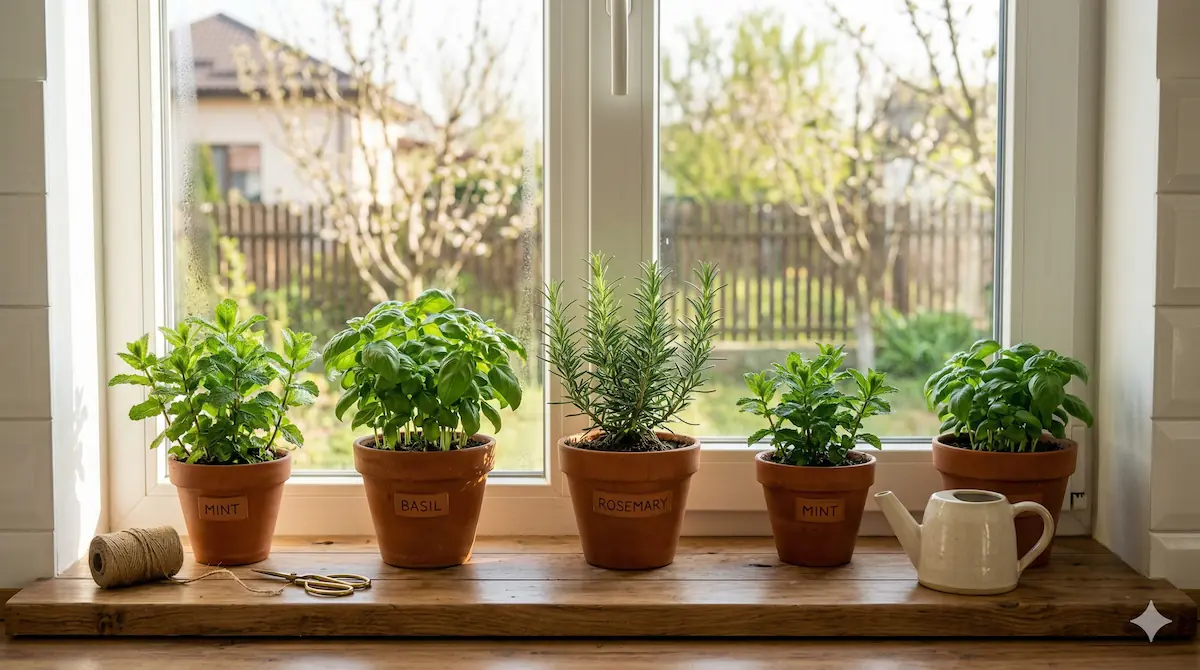
Spice Garden on the Windowsill: Fresh Herbs in Your Kitchen All Year Round
No garden? No problem! Learn how to grow basil, mint, and rosemary right in your kitchen.
Read more →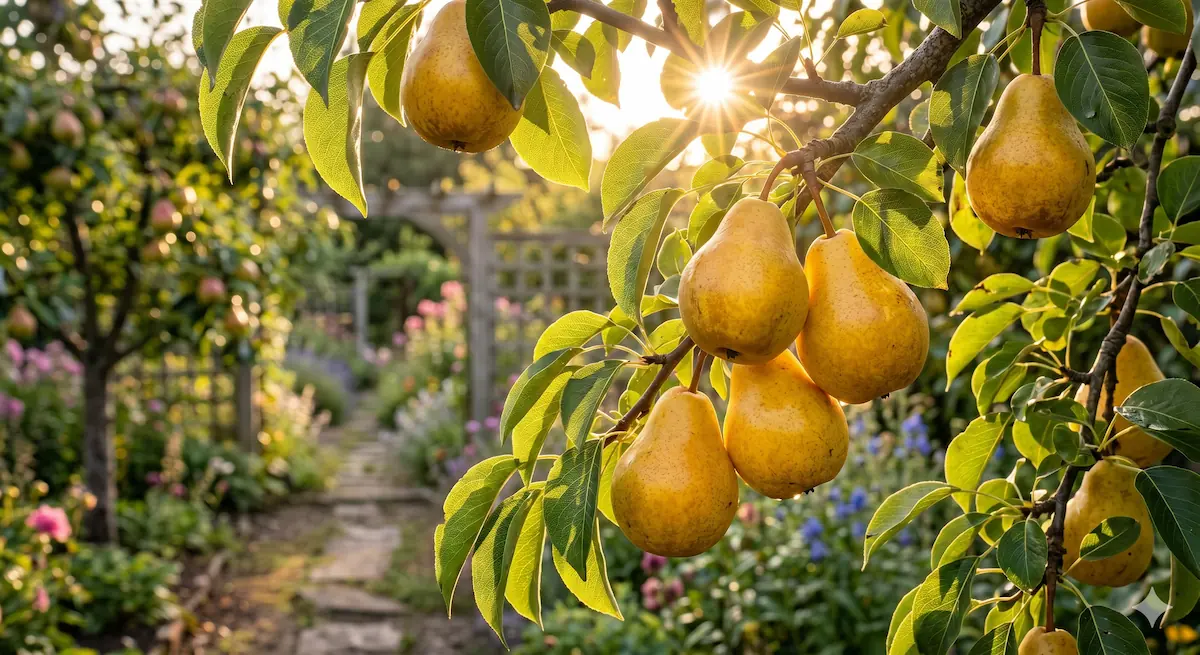
Growing Pears: How to Get Juicy Fruit and Avoid Garden Conflicts
Secrets to planting pear trees. How to choose a sunny spot, select soil, and why pears don't get along with walnuts. Tips from AgroPlanner for a stable harvest.
Read more →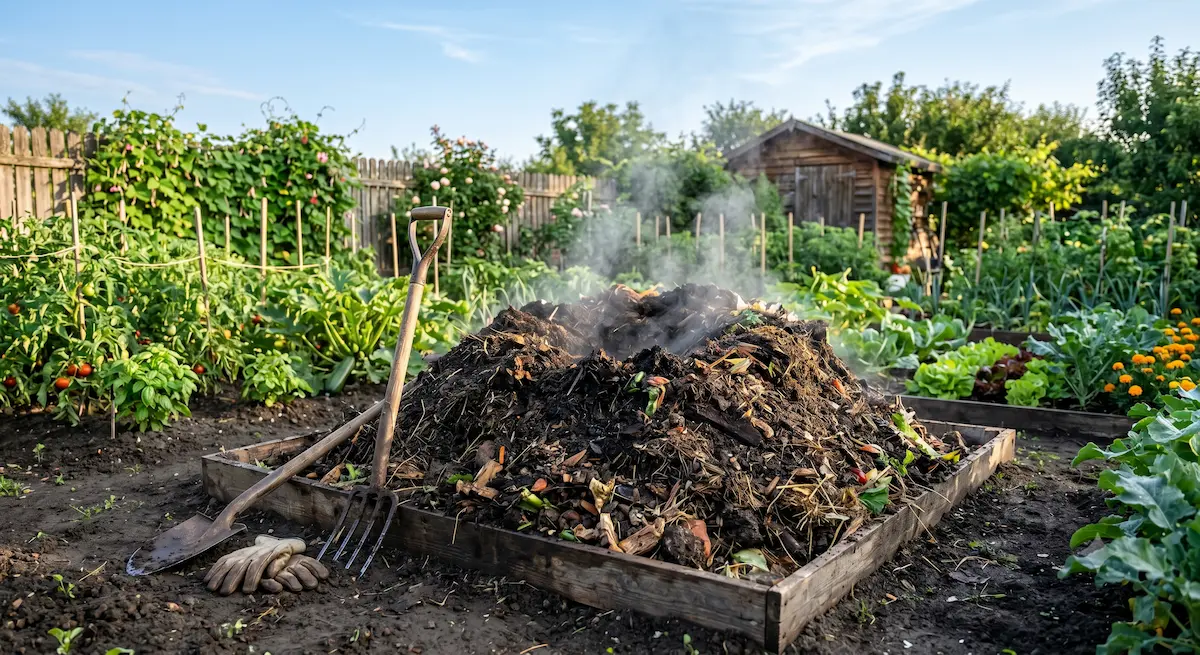
How to Safely Compost Seeding Weeds and Diseased Plant Foliage
Where to put tomato tops after late blight and summer weeds with seeds? A complete guide to safe decontamination and hot composting of garden debris.
Read more →