
Growing Invicta Gooseberry: Sowing and Care Secrets for a Resistant Variety
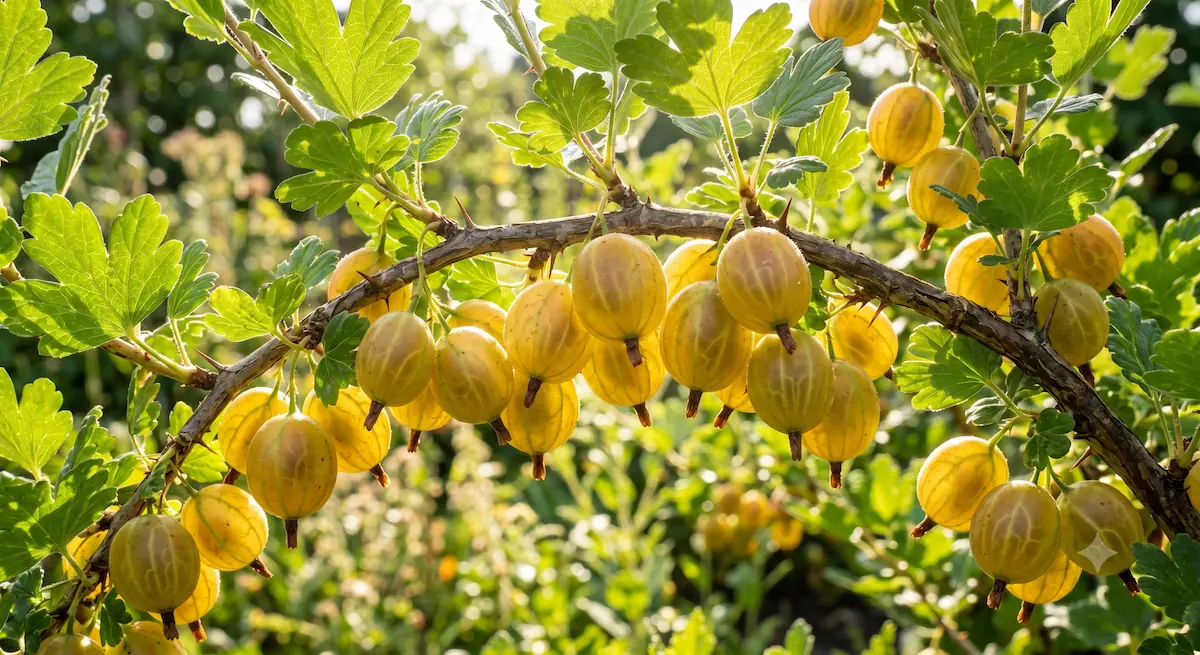
Guide to cultivating the popular Invicta gooseberry variety. Secrets of powdery mildew resistance, shrub pruning, and harvesting rules.
The Invicta gooseberry (Ribes uva-crispa 'Invicta') is a true bestseller among European horticulturists. The primary problem with classic gooseberries is their vulnerability to American powdery mildew (Sphaerotheca), capable of destroying an entire berry harvest within a week. The Invicta variety was specifically bred with a powerful biological immunity to fungal pathogens, making it an ideal choice for organic cultivation without excess chemicals.
1. Advantages and Characteristics of the Invicta Variety
Invicta is a vigorous, spreading shrub bearing large, golden-green berries with a sweet flavor profile. The variety stands out for its phenomenal frost hardiness and heavy productivity (up to 6-8 kg of berries per single mature bush). The shrub features sharp thorns, so harvesting requires care. Read about tactical sanitary garden arrangements in our currant and gooseberry companion guide.
2. Sowing and Summer Maintenance Demands
Planting bushes is best conducted in autumn (September-October) or early spring windows. The variety adores sunny sectors with light, loose soil mixes. The plant features fibrous roots, so it demands stable watering at the base during summer heatwaves. Make sure to mulch the root collar zone with straw to preserve moisture, as outlined in our material on mulching benefits.
3. Table of the Annual Care Calendar for Invicta Gooseberry (Good)
| Work Season | What Exactly Needs to Be Done with the Shrub? | Procedure Goal for the Harvest |
|---|---|---|
| Early Spring | Pruning old branches (older than 5-6 years) lying on the ground before bud swell begins. | Rejuvenating the shrub, improving airflow inside the inner canopy. |
| Summer (July) | Harvesting berries at full maturity phase, when they take on a beautiful amber translucent tint. | Obtaining maximum sugar content and high volumes of Vitamin C. |
| Autumn (October) | Applying wood ash under the root base and loosening row spaces 5 cm deep. | Saturating soil with potassium for successful overwintering; details are in our wood ash guide. |
4. Major Cultivation Mistakes to Avoid (Bad mistakes)
- Canopy overcrowding without pruning: Despite Invicta's immunity, if the shrub converts into an impenetrable thicket, stagnant damp air builds up inside, and berries grow small and rot from grey mould. Annual pruning is mandatory.
- Planting in lowlands with stagnant water pooling: Gooseberry roots immediately rot if water puddles persist in row spaces during spring or autumn. Secure adequate drainage for the plot.
AgroPlanner Tip: For convenient picking and easy pruning, grow Invicta gooseberries on a low trellis or train them as a standard tree form. This simplifies care multiple times over. Track your orchard with our planner tool!
AgroPlanner App
Realize your dream garden: check plant compatibility, sun/shade needs, and save your plan easily.

Disclaimer
Important! All information in this blog is for recommendation purposes only. We are developers and enthusiasts, not certified agronomists. Results may vary based on your region, soil type, and weather. We are not responsible for potential errors or crop failures. Please verify critical advice independently!
Found this helpful? Share with friends!
Read more
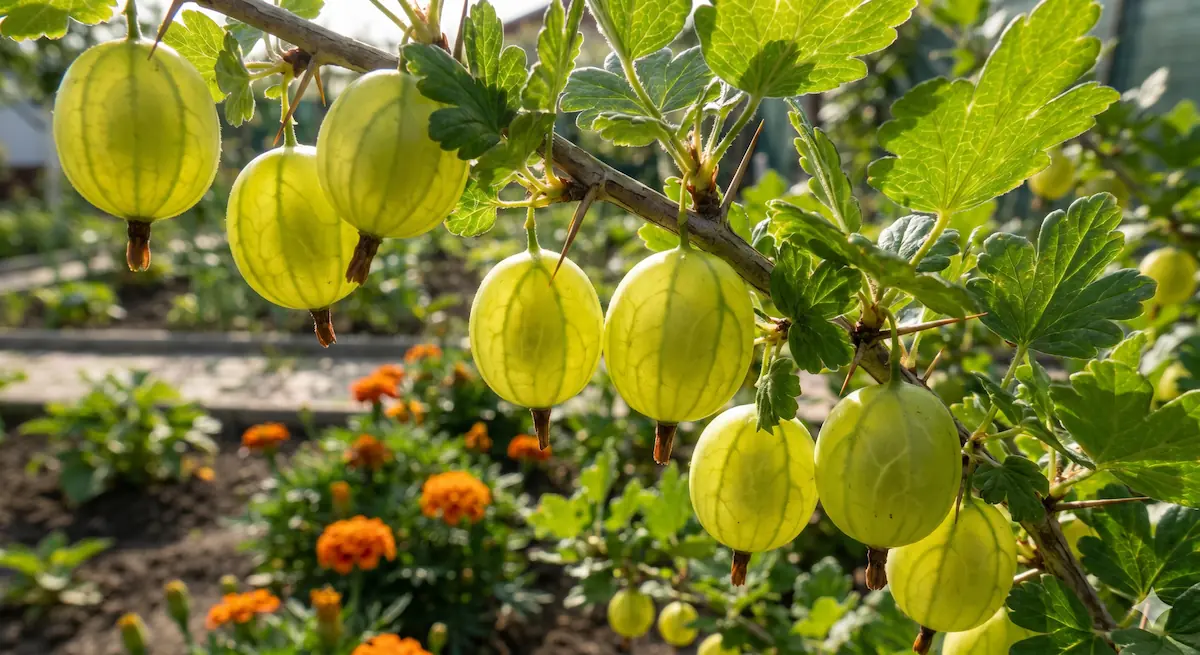
Gooseberry: How to Grow a Rich Harvest Without Disease and Pests
Secrets to growing large and sweet gooseberries. Find out why it fears shade, which neighbors help avoid powdery mildew, and how our planner protects your garden.
Read more →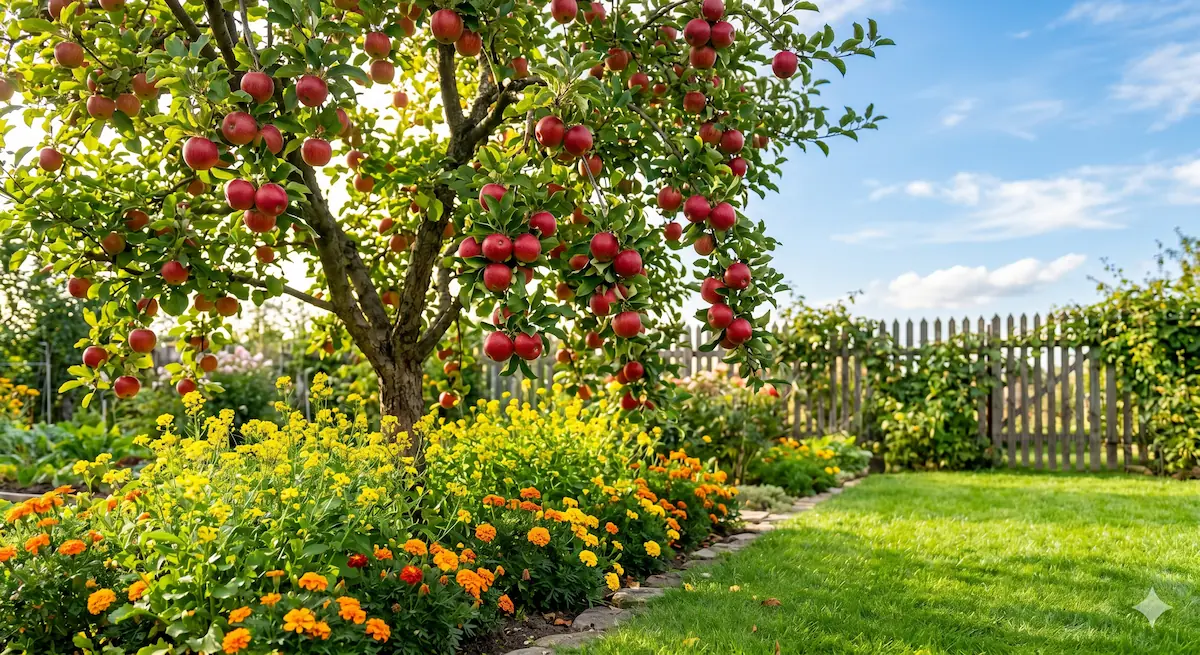
Apple Tree as the Foundation of Your Orchard: Planting and Companion Rules
The apple tree is the queen of the fruit garden. Learn how to choose the right soil using the "sausage test" and which neighbors to avoid to prevent diseases.
Read more →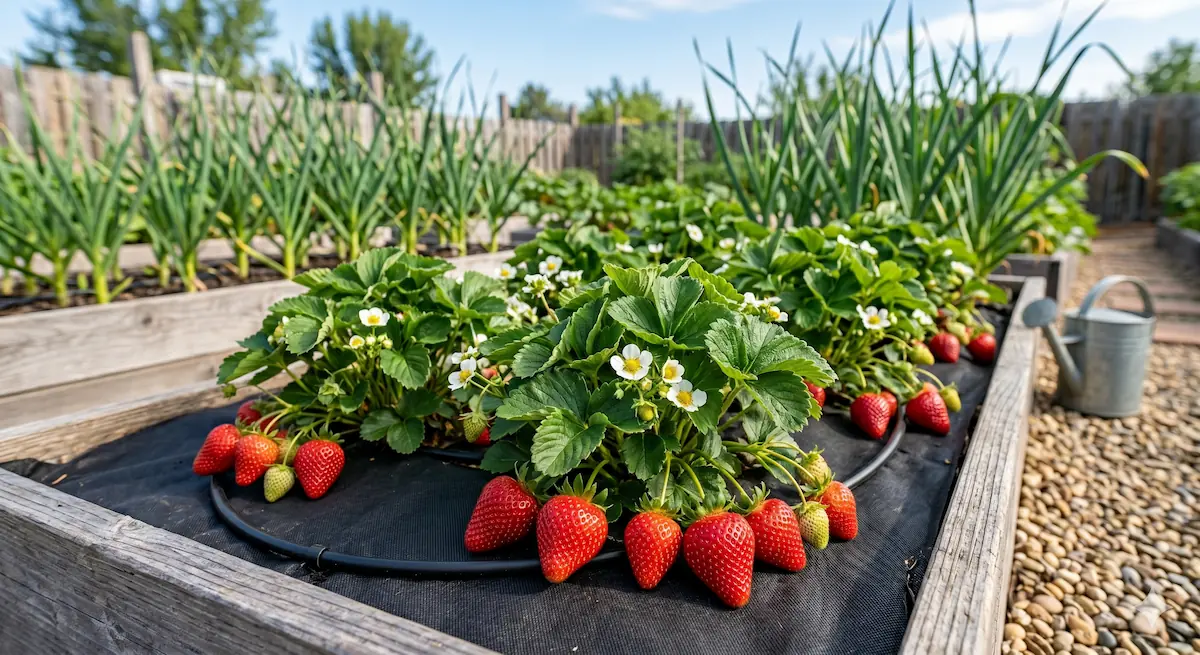
"Albion" Strawberry: Harvesting Four Times a Year
"Albion" is a variety that bears fruit 3–4 times a summer. Learn how to choose the right soil for large berries and why planting near raspberries is a fatal mistake.
Read more →