
How to Safely Compost Seeding Weeds and Diseased Plant Foliage
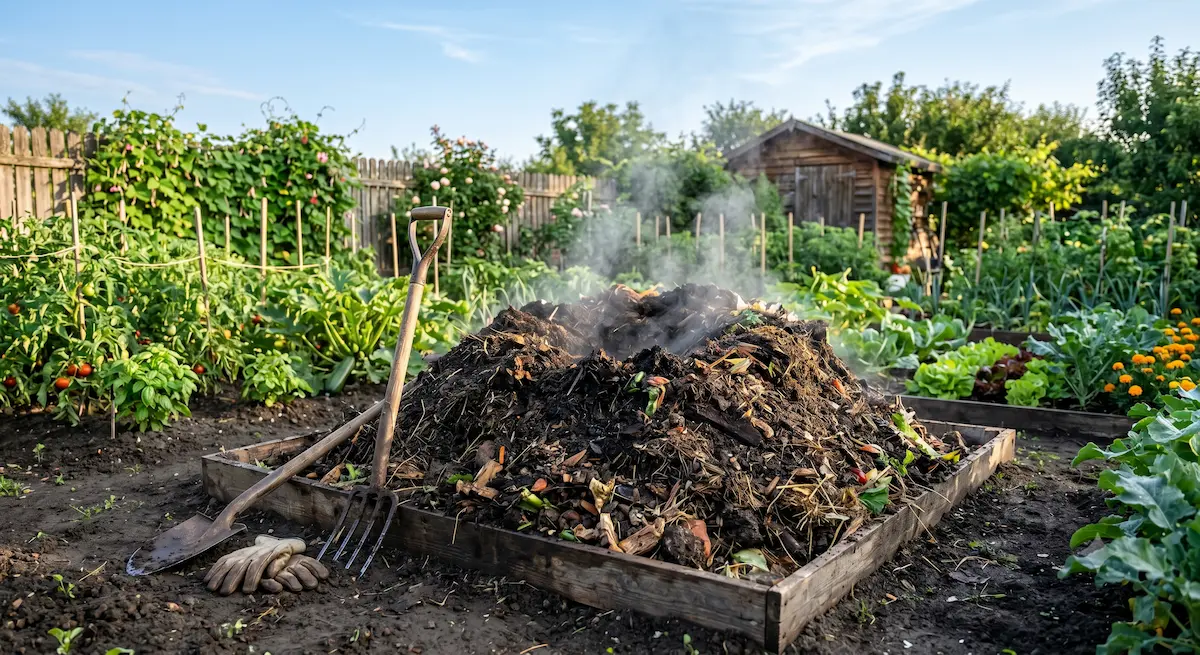
Where to put tomato tops after late blight and summer weeds with seeds? A complete guide to safe decontamination and hot composting of garden debris.
In the peak of the summer season, garden cleanup is accompanied by the appearance of tons of plant debris. Weeds that have already managed to ripen seeds, and tomato or cucumber tops after disease outbreaks, become a major headache. You cannot simply throw them into a regular compost pile: late blight spores and weed seeds will persist there for years, and then return to your beds along with the finished fertilizer. However, there are methods that allow you to fully decontaminate this waste.
1. The Magic of "Hot Composting": Burning Infections Without Fire
Classic cold compost decomposes slowly and does not destroy diseases. In contrast, the hot composting method is based on the work of thermophilic bacteria. If you assemble the pile correctly, alternating green (nitrogen) and brown (carbon) layers, and ensure oxygen access, the temperature inside will rise to +60-70°C. At this temperature, the spores of most fungi, including the tomato enemy we covered in our late blight management guide, will completely "cook" and die within a week.
2. Alternative Eco-Friendly Disposal Methods
If you do not have time to monitor hot compost, there are other reliable and safe homemade options. Large weeds, for example, can be turned into a liquid fertilizer of long fermentation, the recipe for which is similar to the useful nettle tea infusion. During prolonged summer fermentation in a sealed barrel without air access, weed seeds completely lose their viability.
3. Table of Safe Methods for Disposing of Hazardous Plant Debris (Good)
| Type of Hazardous Debris | What Disposal Method to Apply? | Why Is It 100% Safe for the Garden? |
|---|---|---|
| Weeds with seeds (pigweed, lamb's quarters, quackgrass) | Anaerobic fermentation method: tightly pack a plastic barrel with grass, fill with water, close the lid, and leave in the sun for 2-3 weeks. | The seed coat dissolves, it rots down, and converts into a liquid nitrogen feed. |
| Foliage after diseases (late blight, powdery mildew) | Placement in a specialized airtight black trash bag. Add a bio-biodegrador (like Trichoderma) and tie tightly for a year. | Beneficial predatory fungi completely consume disease-causing pathogens, creating clean humus. |
| Branches after summer orchard pruning | Shredding through a garden shredder into fine wood chips. Use for top covering between rows. | Chips decompose slowly, turning into an ideal mulch shield that locks in moisture. |
4. Major Gardening Mistakes in Fertilizer Preparation (Bad mistakes)
- Throwing diseased plants into a shallow cold pile: An attempt to simply sprinkle tomatoes after late blight with soil in the corner of the garden will cause fungal spores to be scattered by the wind throughout your summer garden during the very first heavy rain.
- Using fresh diseased mulch: Never use mowed grass that shows signs of leaf spots to cover beds for delicate crops like summer strawberries. This will trigger an immediate infestation of the berry patch.
AgroPlanner Tip: If you cannot set up hot composting, burning in a specialized barrel remains the safest method for heavily infested debris. Use the resulting clean ash for feeding; details are in our wood ash guide. Plan your garden with us!
AgroPlanner App
Realize your dream garden: check plant compatibility, sun/shade needs, and save your plan easily.

Disclaimer
Important! All information in this blog is for recommendation purposes only. We are developers and enthusiasts, not certified agronomists. Results may vary based on your region, soil type, and weather. We are not responsible for potential errors or crop failures. Please verify critical advice independently!
Found this helpful? Share with friends!
Read more
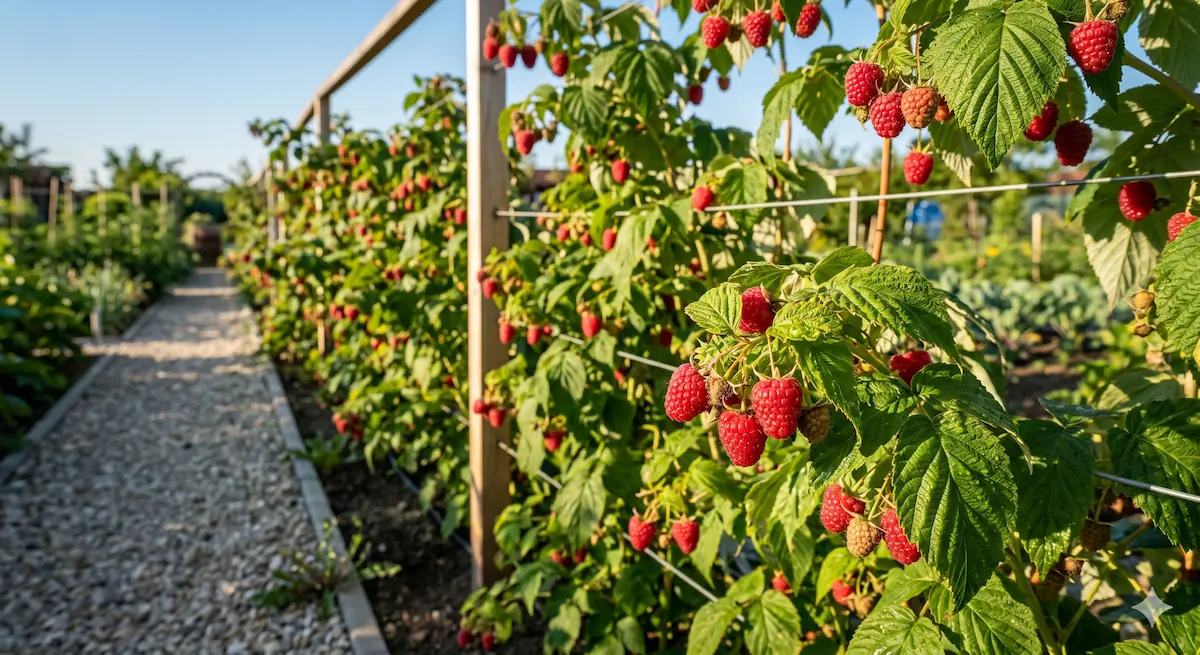
Raspberries: Pruning and Care Secrets for a Bountiful Harvest
Learn how to properly care for raspberries to prevent overgrowth and maximize berry yield. Tips on pruning, watering, and choosing the best neighbors for your raspberry patch.
Read more →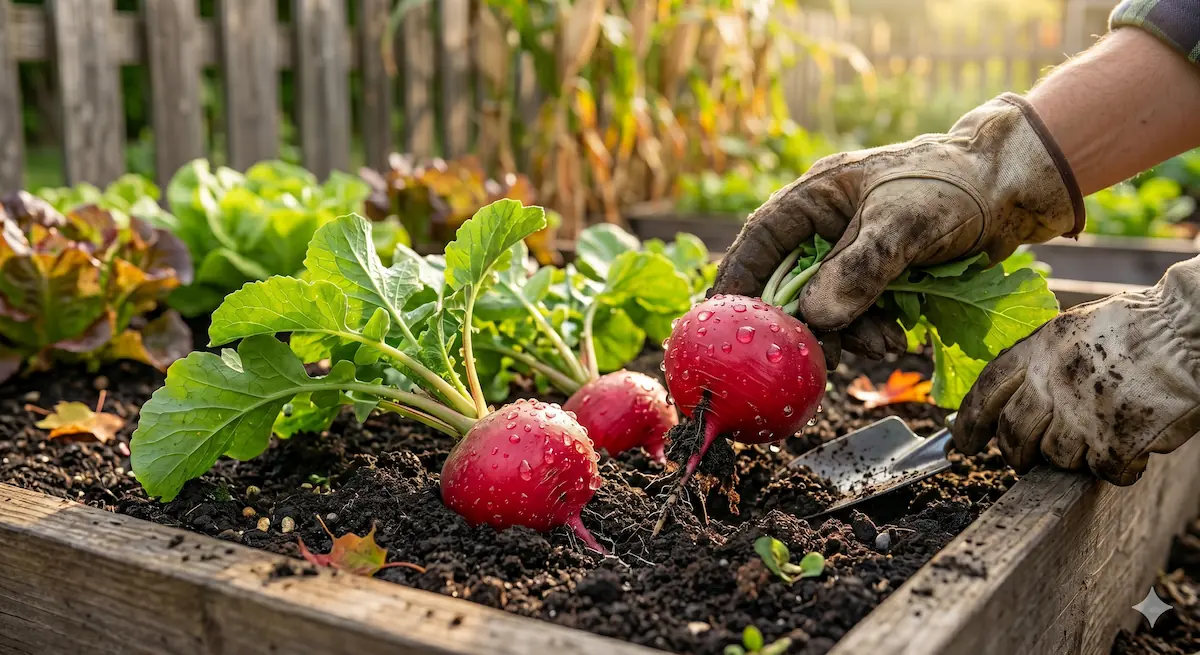
Radishes: How to Get Your First Vitamin Harvest in 25 Days
Secrets to growing crunchy radishes: from soil selection to ideal companionship. Learn how to get a quick harvest and why radishes dislike deep shade.
Read more →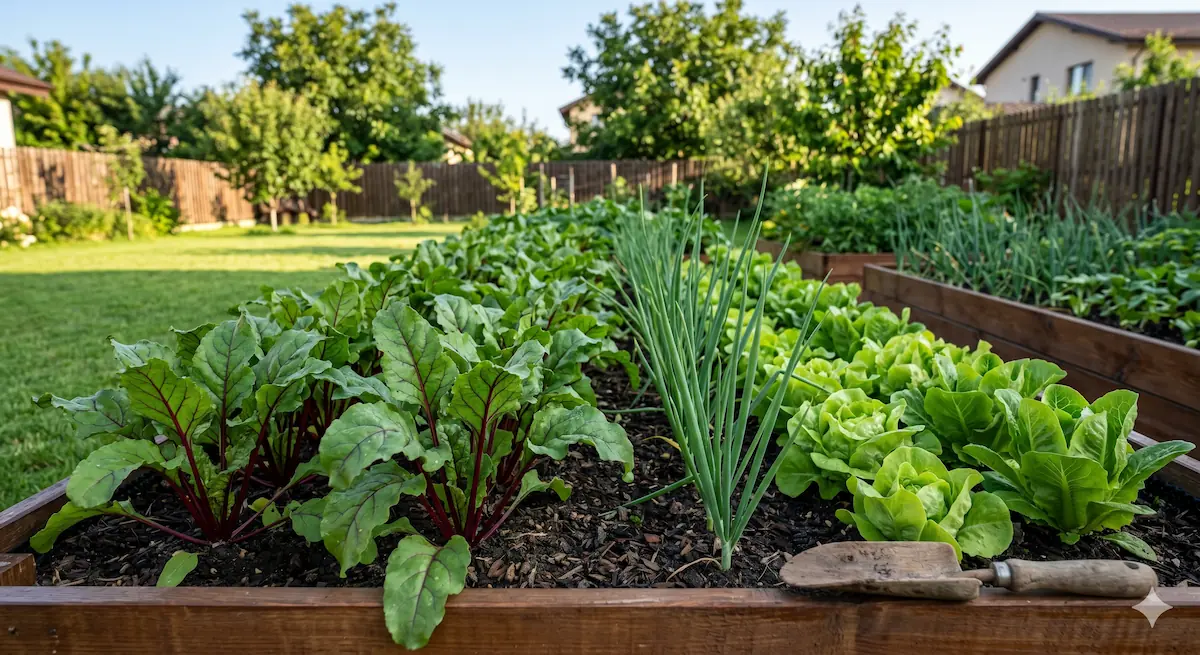
Beetroot Companion Planting: 8 Best Partners for Sweet Roots
Beetroots require rich potassium and loose soil. Discover 8 companion plants that protect the roots from pests, improve flavor, and learn why pole beans are dangerous.
Read more →