
Roses in the Garden: The Queen of Flowers and the Main Grape Health Indicator
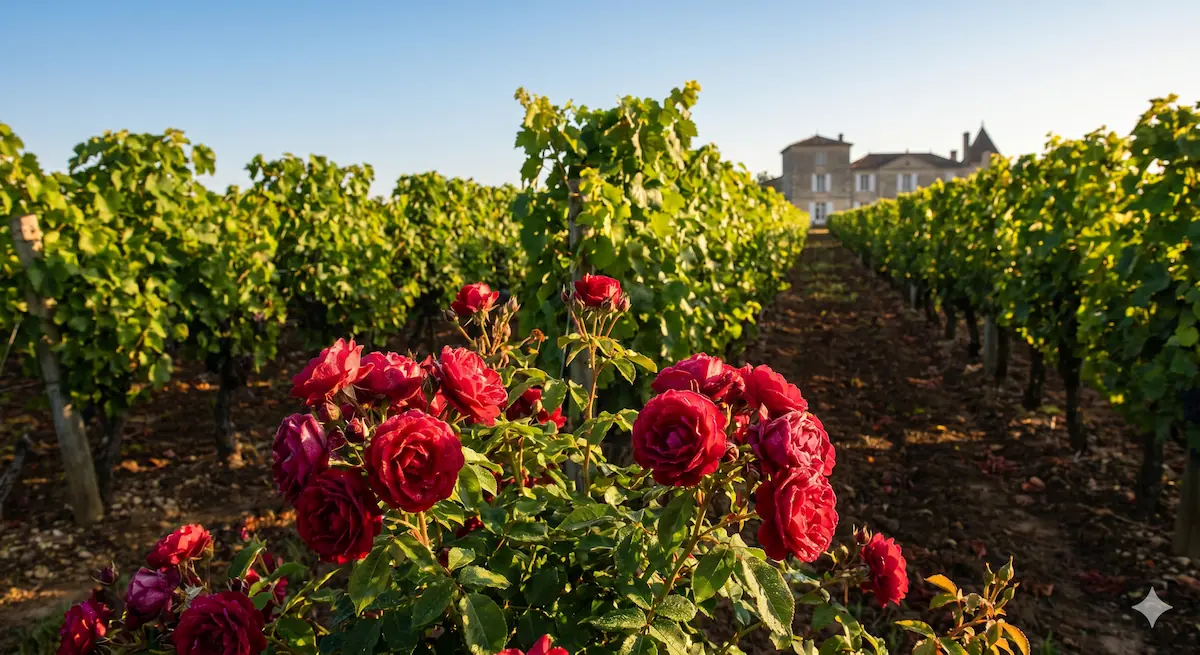
Discover why experienced vine growers always plant roses next to their vines. A guide on growing, pest control, and using roses as bio-indicators in our garden planner.
The rose is not just a symbol of beauty but an indispensable assistant in a professional vineyard. Historically, these flowers are planted at the beginning of each row of grapes. Why? Because roses are susceptible to the same diseases as grapes but show symptoms a few days earlier.
The Rose as a Vineyard "Alarm System"
The main role of the rose when paired with grapes is the indication of powdery mildew and downy mildew. Since the rose is more delicate, it is the first to be covered with white spots. This gives the gardener a critical 2-3 days to treat the grapes and save the harvest. Additionally, rose thorns once protected the vines from being damaged by horses plowing the rows.
Growing Conditions and Proper Soil
For your roses to not only "signal" but also bloom magnificently, they need royal conditions:
- Soil: Rich organic Loamy soils (Type 1) are best. Roses hate stagnant water, so if your earth is too heavy, we recommend a soil sausage test and adding drainage.
- Light: Maximum sunlight. In the shade, flowers become small, and the plant becomes vulnerable to fungi.
- Watering: Deep but infrequent. It is important to pour water at the root without wetting the leaves to avoid provoking diseases.
Ideal Companions in Our Planner
In AgroPlanner, roses have excellent compatibility with many plants that help them stay healthy:
- Lavender: A classic pairing. Lavender protects roses from aphids and creates a wonderful visual background.
- Garlic and Onions: Their phytoncides help fight black spot disease in roses.
- Grapes: As mentioned, this is a strategic duo for any garden.
AgroPlanner Tip: In our planner, roses are marked as a crop with a medium maintenance radius. By placing them next to grapes on your layout, you create a high-attention zone. When the neighborhood status turns green (Good), it means you've created optimal conditions for natural disease monitoring.
AgroPlanner App
Realize your dream garden: check plant compatibility, sun/shade needs, and save your plan easily.

Disclaimer
Important! All information in this blog is for recommendation purposes only. We are developers and enthusiasts, not certified agronomists. Results may vary based on your region, soil type, and weather. We are not responsible for potential errors or crop failures. Please verify critical advice independently!
Found this helpful? Share with friends!
Read more
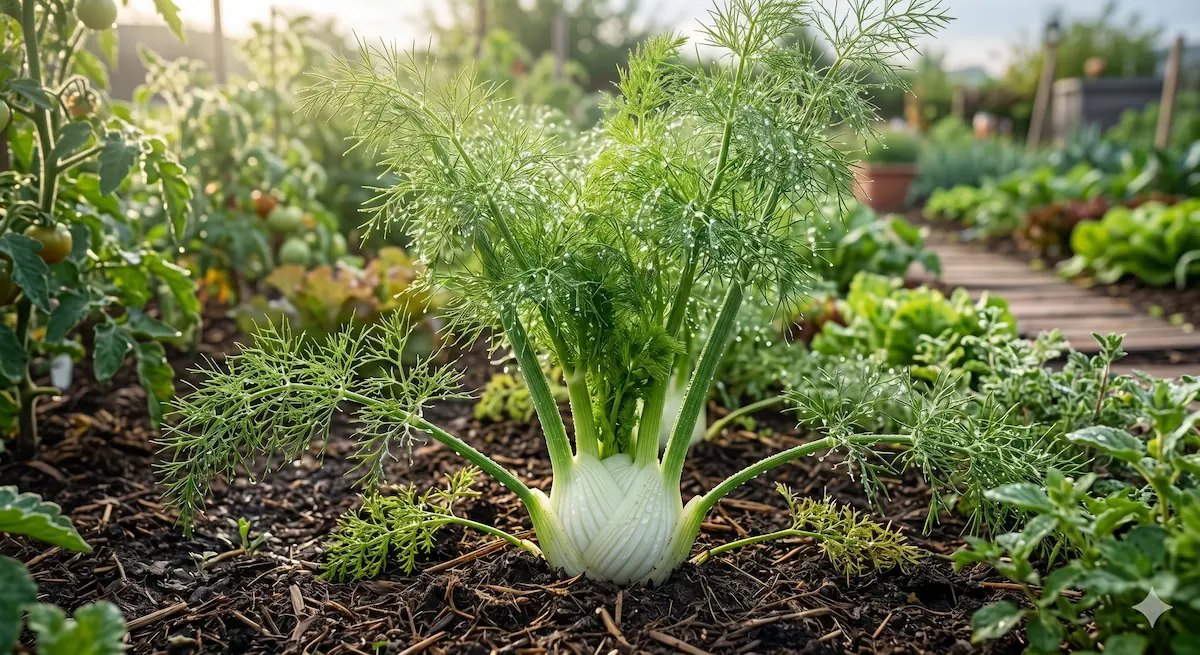
Fennel: Why This Aromatic Beauty Prefers Solitude
Fennel is one of the most "selfish" plants in the garden. Learn why it should be planted separately and how its toxic radius affects the growth of other vegetables.
Read more →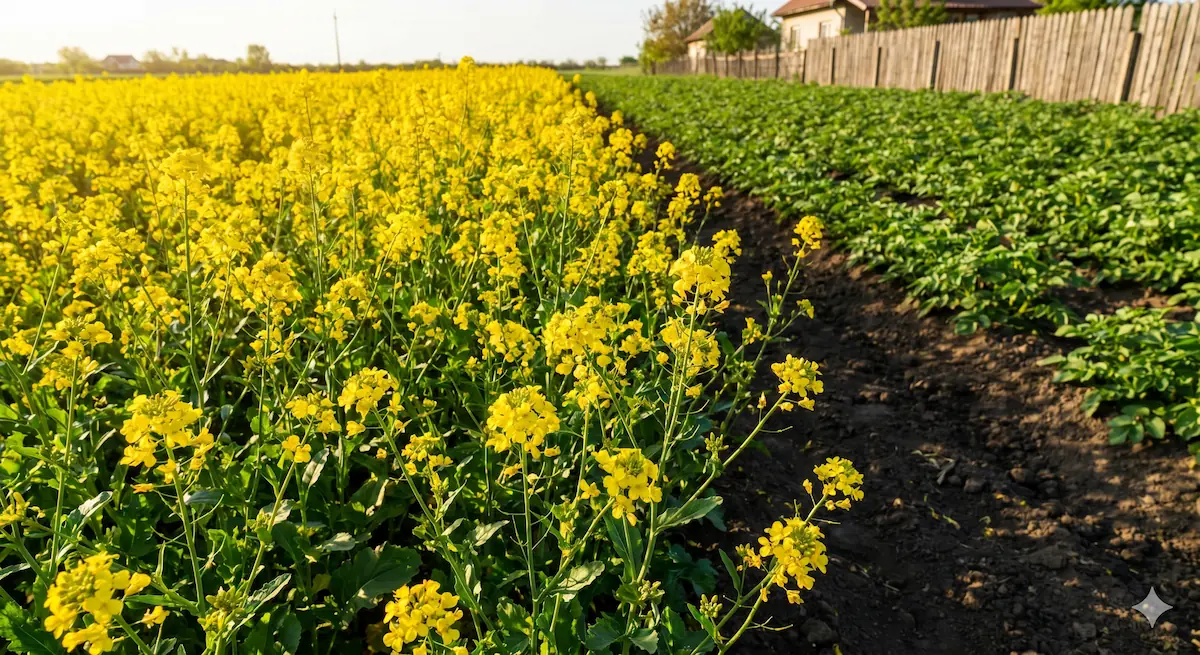
Mustard in the Garden: How to Use the Ultimate Green Manure Correctly
Mustard can heal the soil and repel pests, but it’s not suitable for all beds. Learn about companion rules and the secrets of using mustard as a fertilizer.
Read more →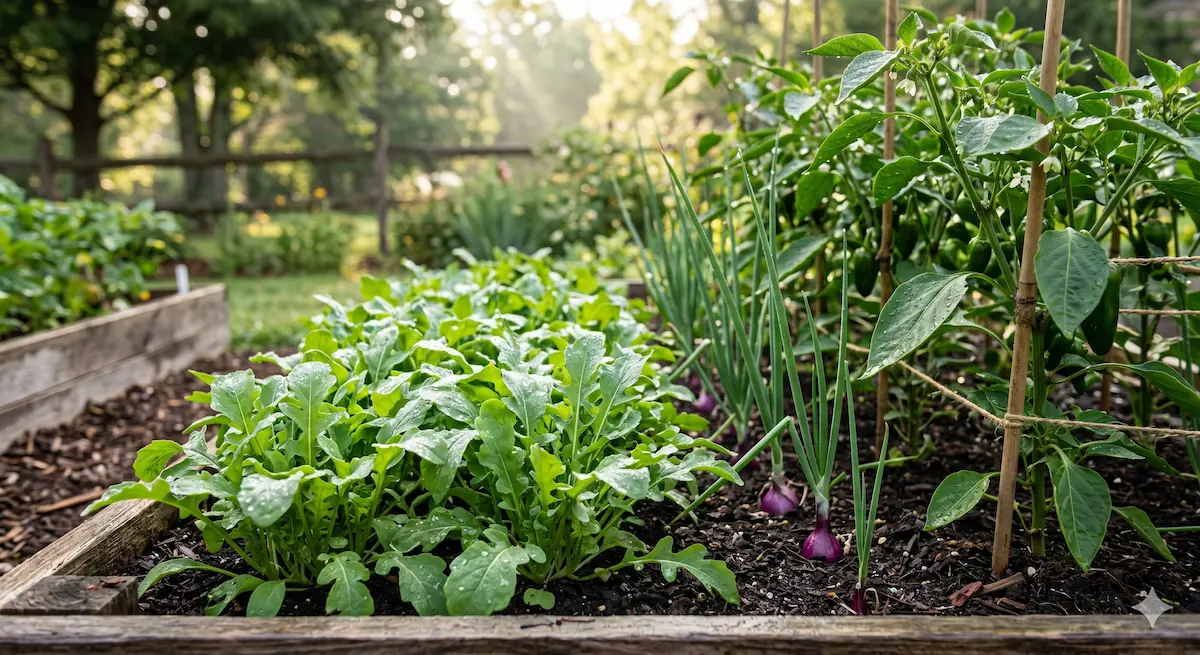
Arugula Companion Planting: The Ultimate Guide for Fresh Greens
Arugula is a magnet for flea beetles. Learn about 8 companion plants that help mask its scent, provide shade, and ensure your greens stay tender and delicious.
Read more →